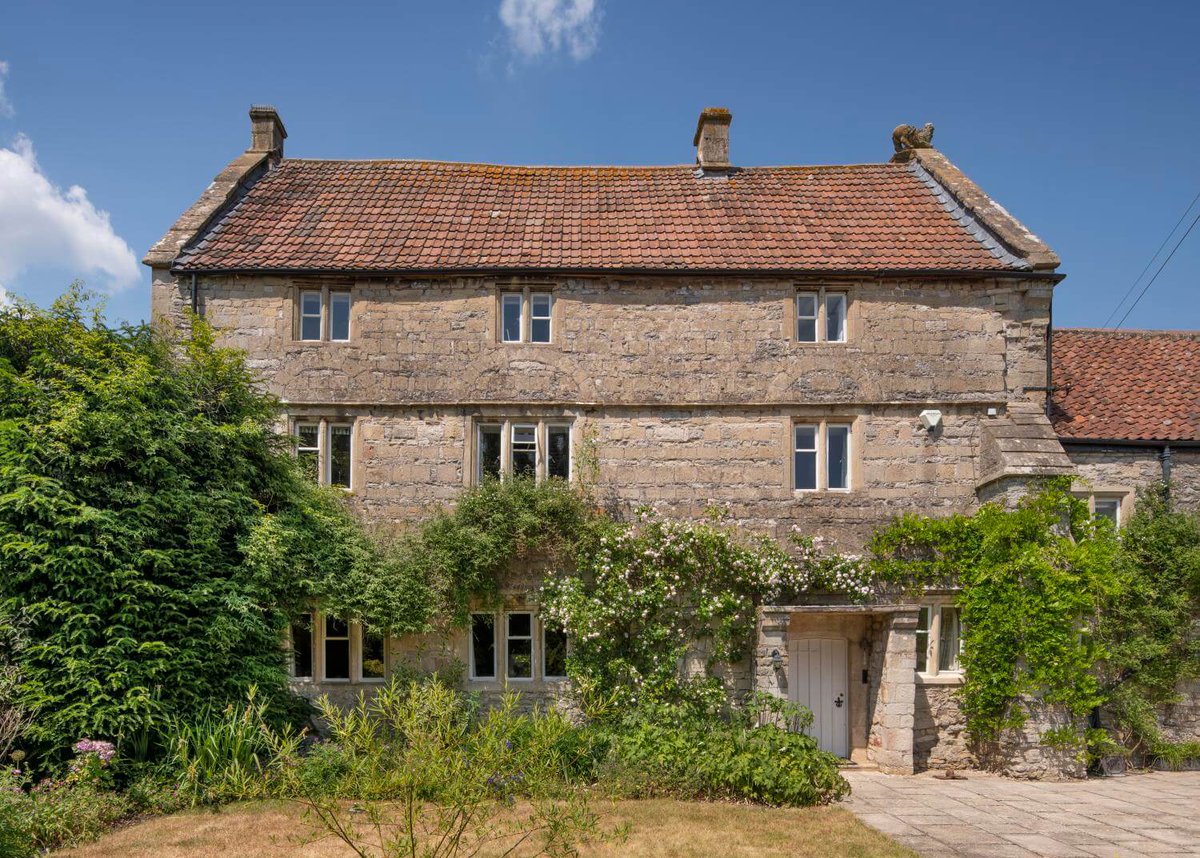
Is this the oldest house in England?
Saltford Manor House in Somerset is a Norman house dating from around 1150. In 2003, it won a ‘Country Life’ contest to find the ‘oldest continuously inhabited house in Britain’.
Find out more ➡️ https://t.co/0ReKivhTBD
Like a wormhole into different time. 🕰️
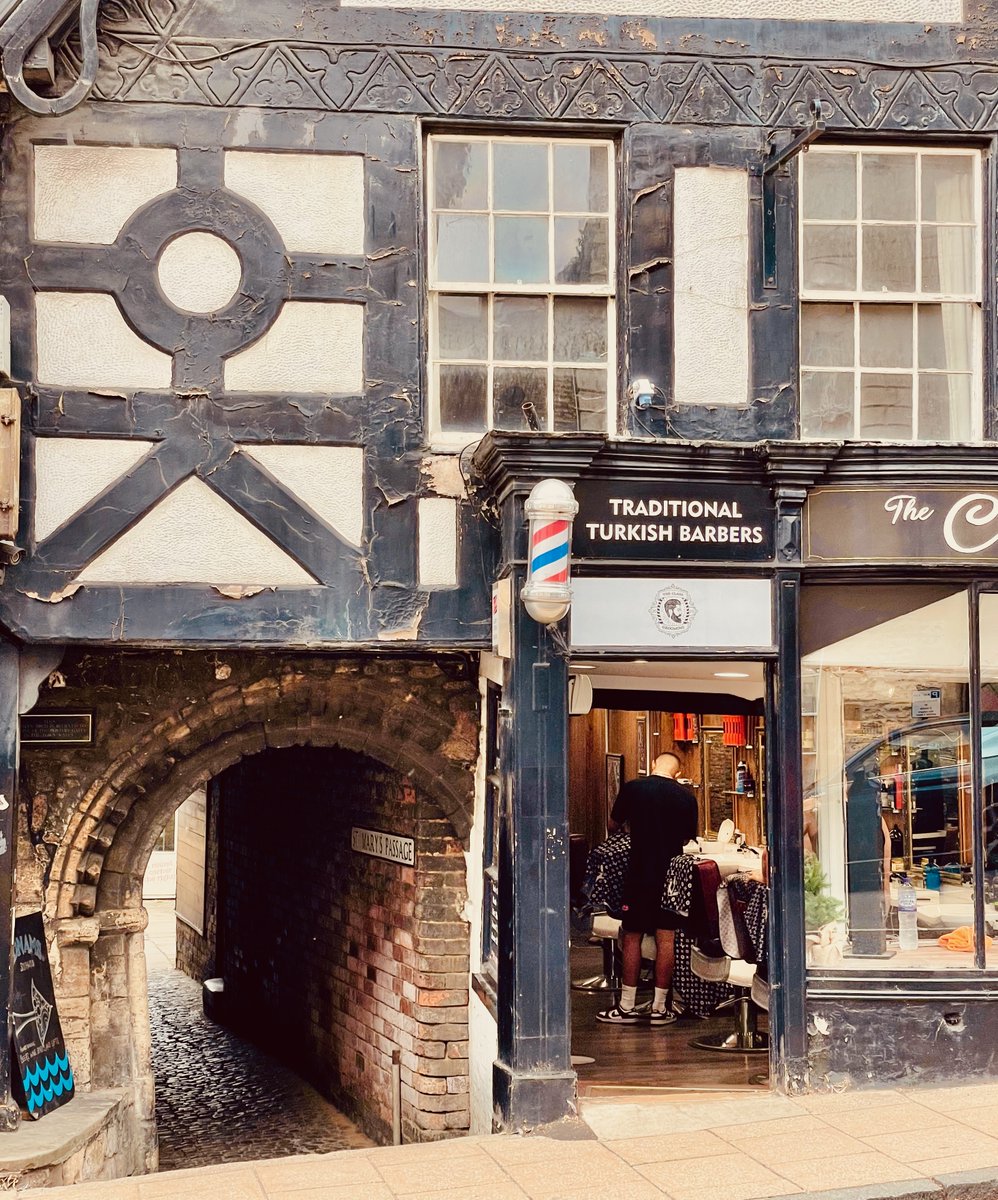
C12th Romanesque entrance to St. Mary's passage in Stamford, Lincs is framed by a C19th Dickensian facade. If buildings could speak...
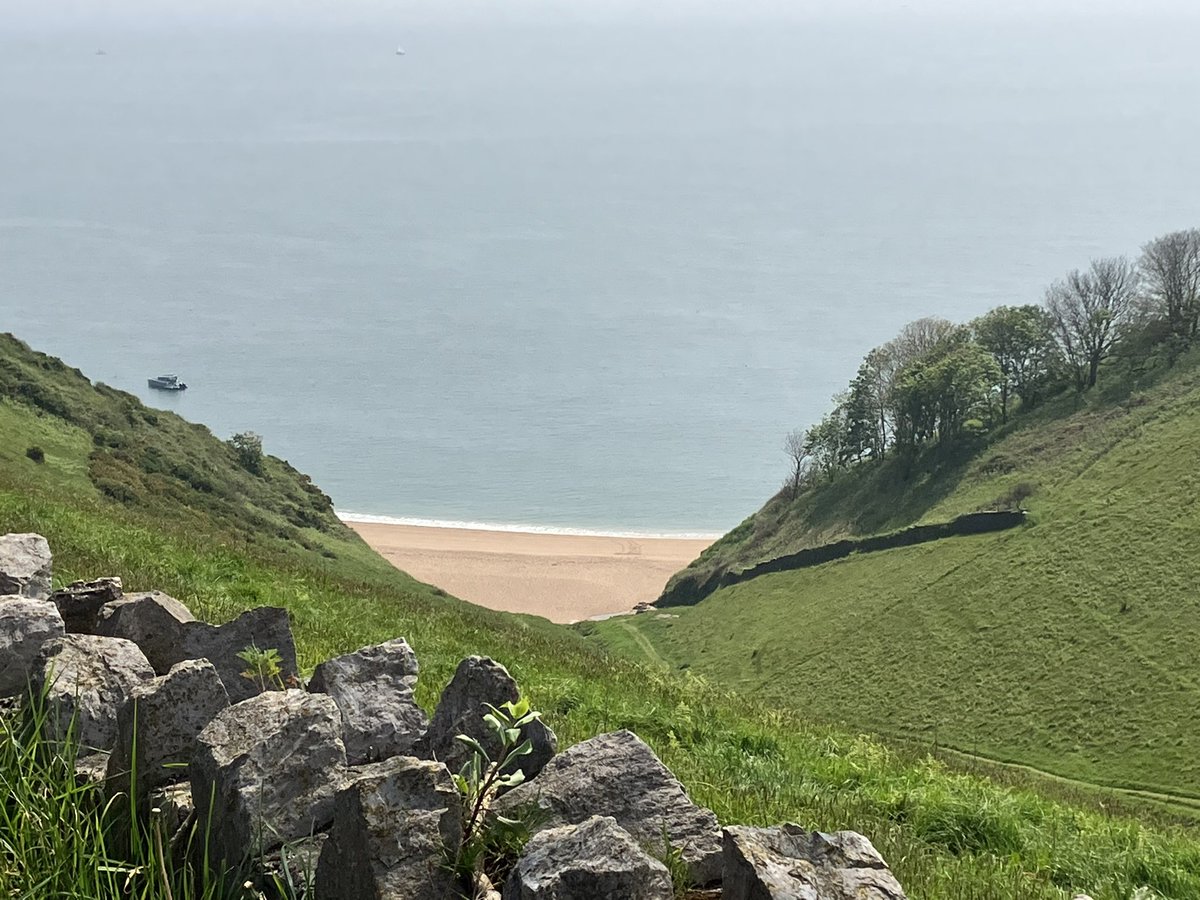
The effects of climate change are all around us. So, what are we going to do about it?
Our new report 'A Climate for Change' covers everything we've learnt so far about adapting, as well as future challenges.
Learn more here: https://t.co/jr916Xqdbo
Photo: John Malley
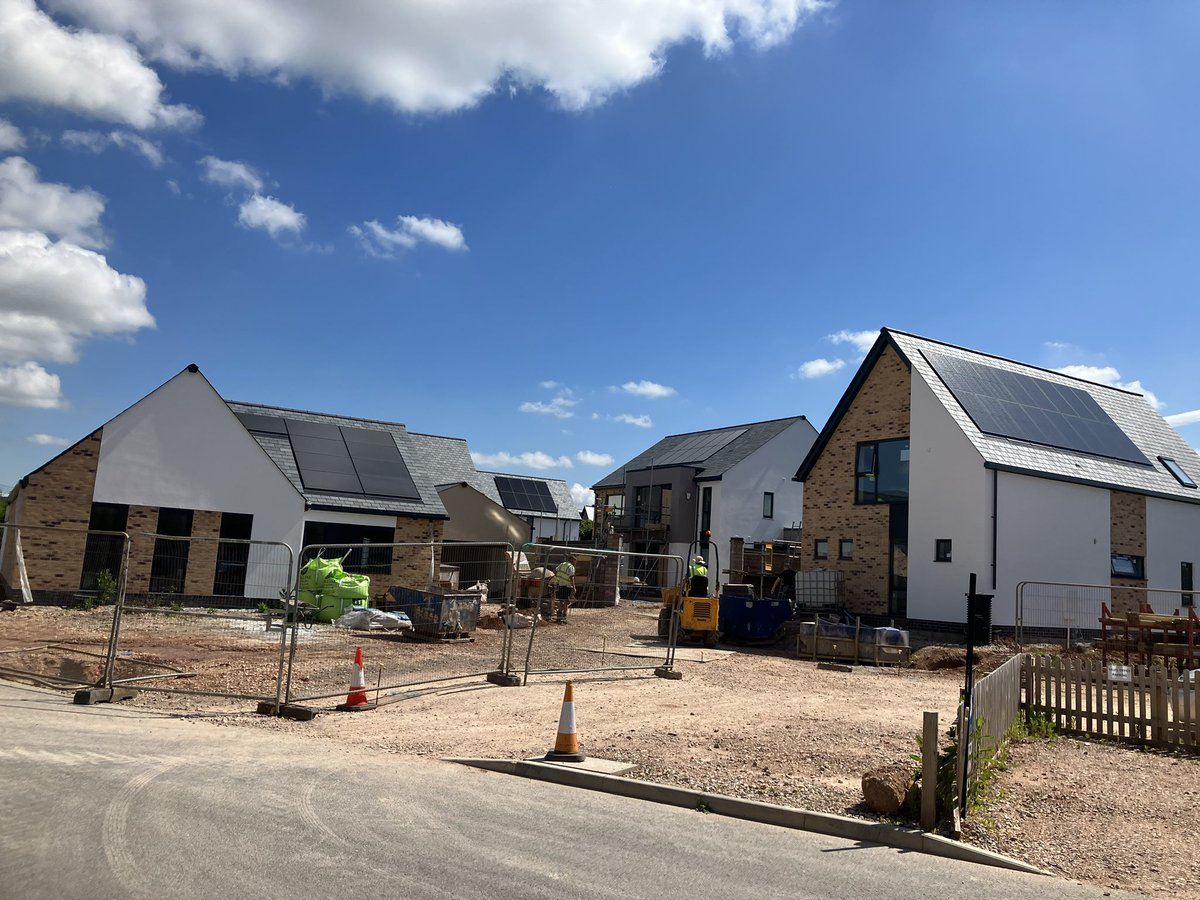
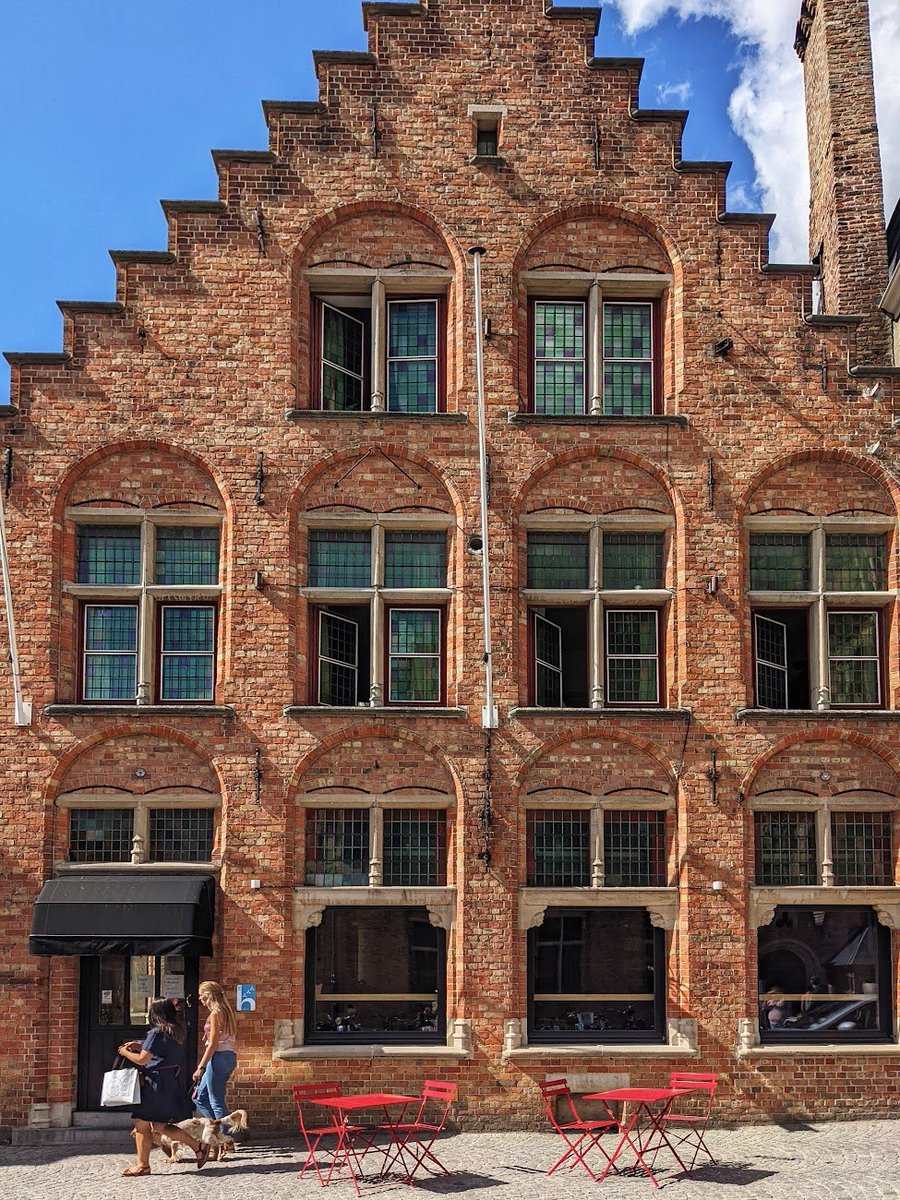
The use of brick significantly increased in the UK due to the industrial revolution, whereby brick could be mass produced and more easily transported (for example by rail). Consequently, brick became much more readily available and cheaper in comparison to quarried stone.
I often meet people who love brick more than any other material, and indeed I often feel this way myself. It is curious, then, that in most times and places, brick was seen as clearly inferior to stone. Am I right that there has been a shift, and if so, why has this happened?
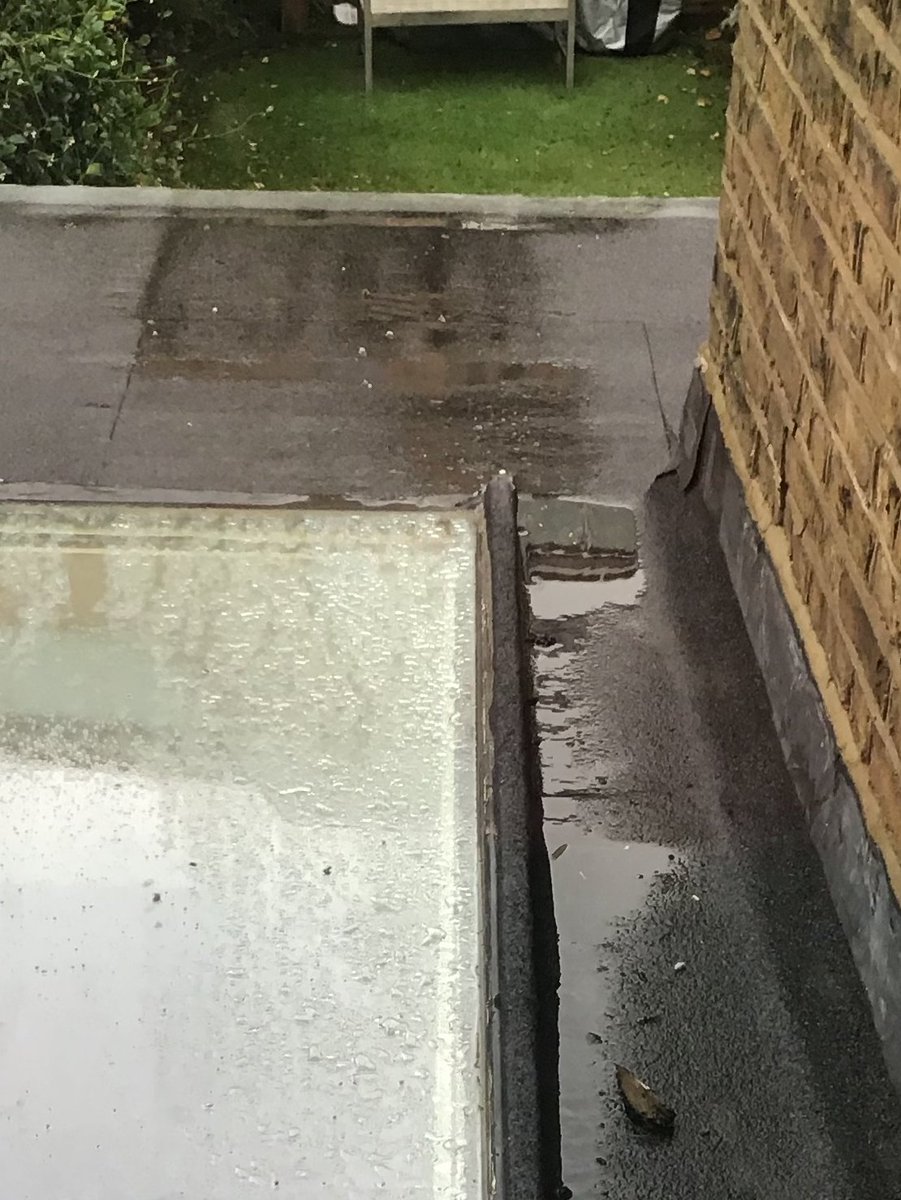
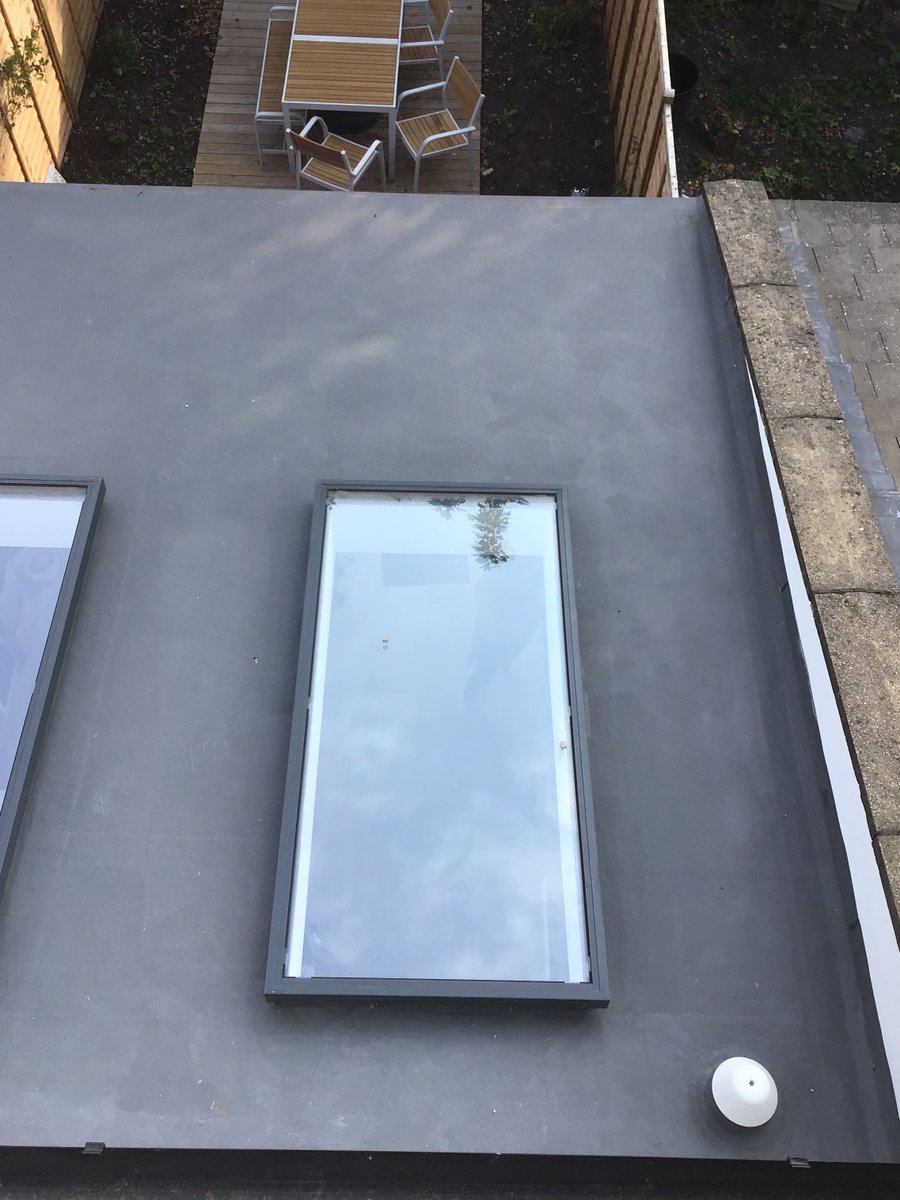
A tale of two roofs ...
On the left is a beautifully GRP coated flat roof that will last for decades.
On the right - cheap rolled felt that will start to leak in a few years🤠.
If you are upgrading a flat roof insist on GRP or EPDM.
Rolled felt should not be used.
#dampsurvey