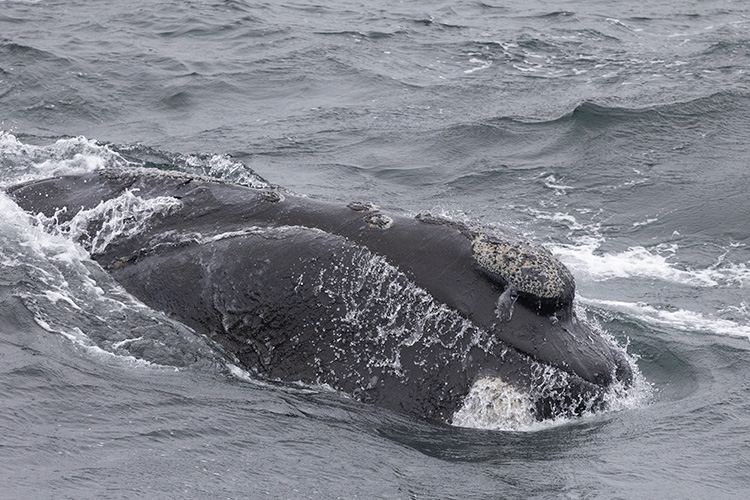
Snotbot goes to work on Arabian Sea Humpback Whales! In November we were out deploying bio-logging tags (CATS & Dtags) from drones onto Arabian Sea humpback whales. An exciting collaboration with @Ocean_Alliance @esooman@eaoman@clearbluephoto@MarineMammalAU@clearbluephoto
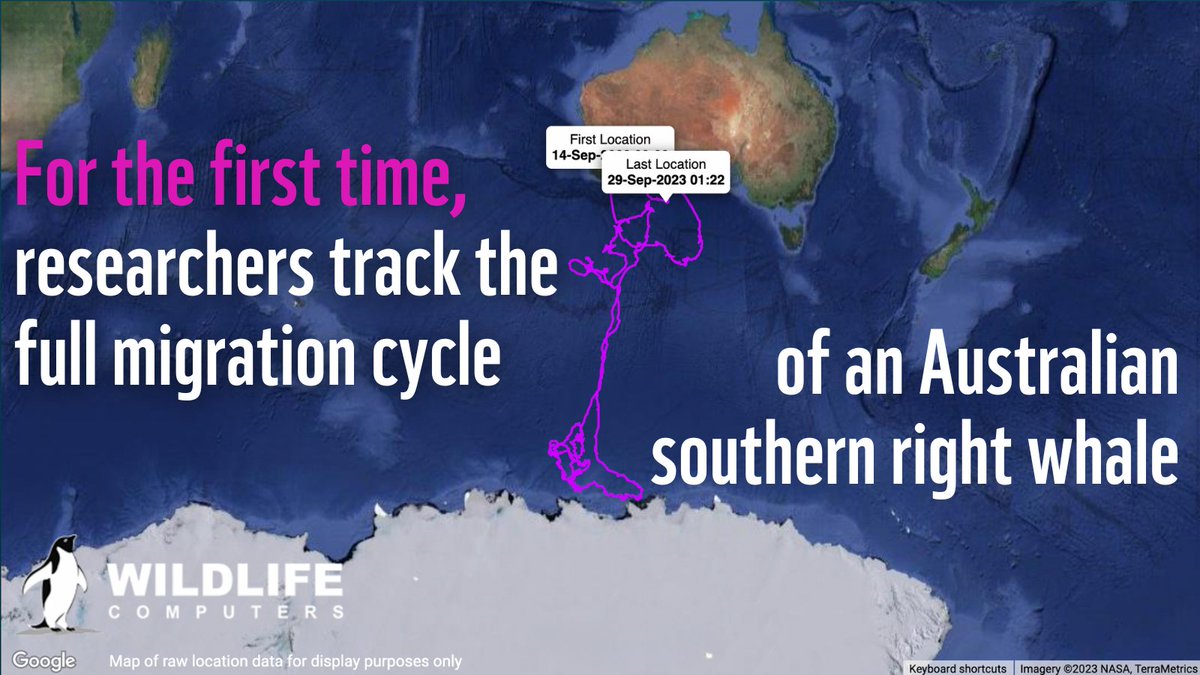
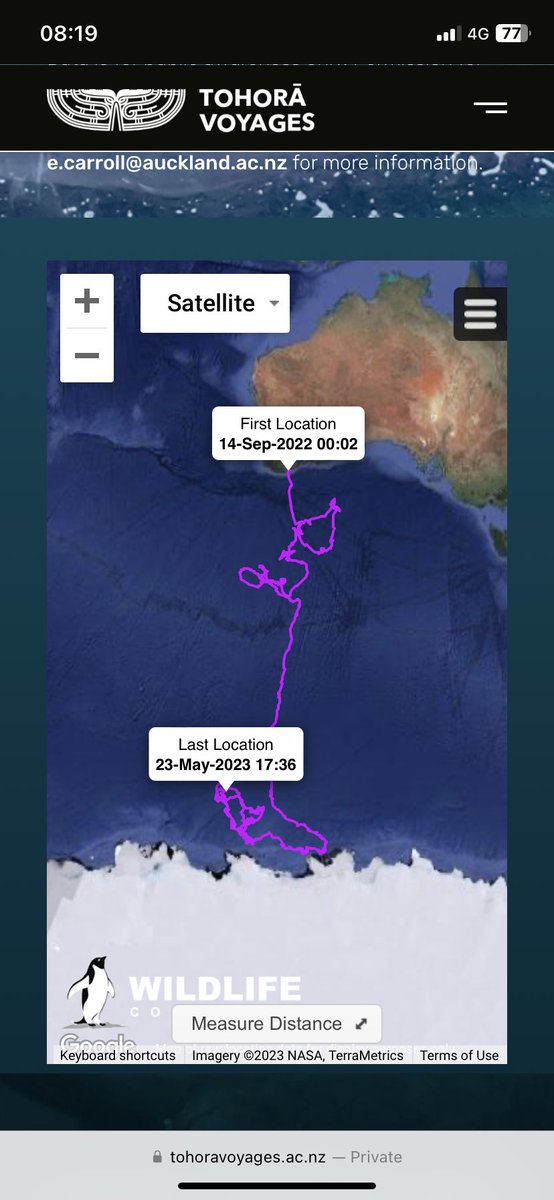
With the help of satellite tags 🛰️ researchers were able to follow the complete migration cycle of an Australian southern right #whale 🐳 for the first time!
The migration route stretched over 6,000 km, from Western Australia to #Antarctica and back. #ProtectingBlueCorridors
The Southern Right Whale Consortium website is up! It’s so exciting to see the results from different projects together in one place. I’m proud to be able to contribute to the research and collaborate with the team!
#southernrightwhale
https://t.co/1hHAz0wXhp
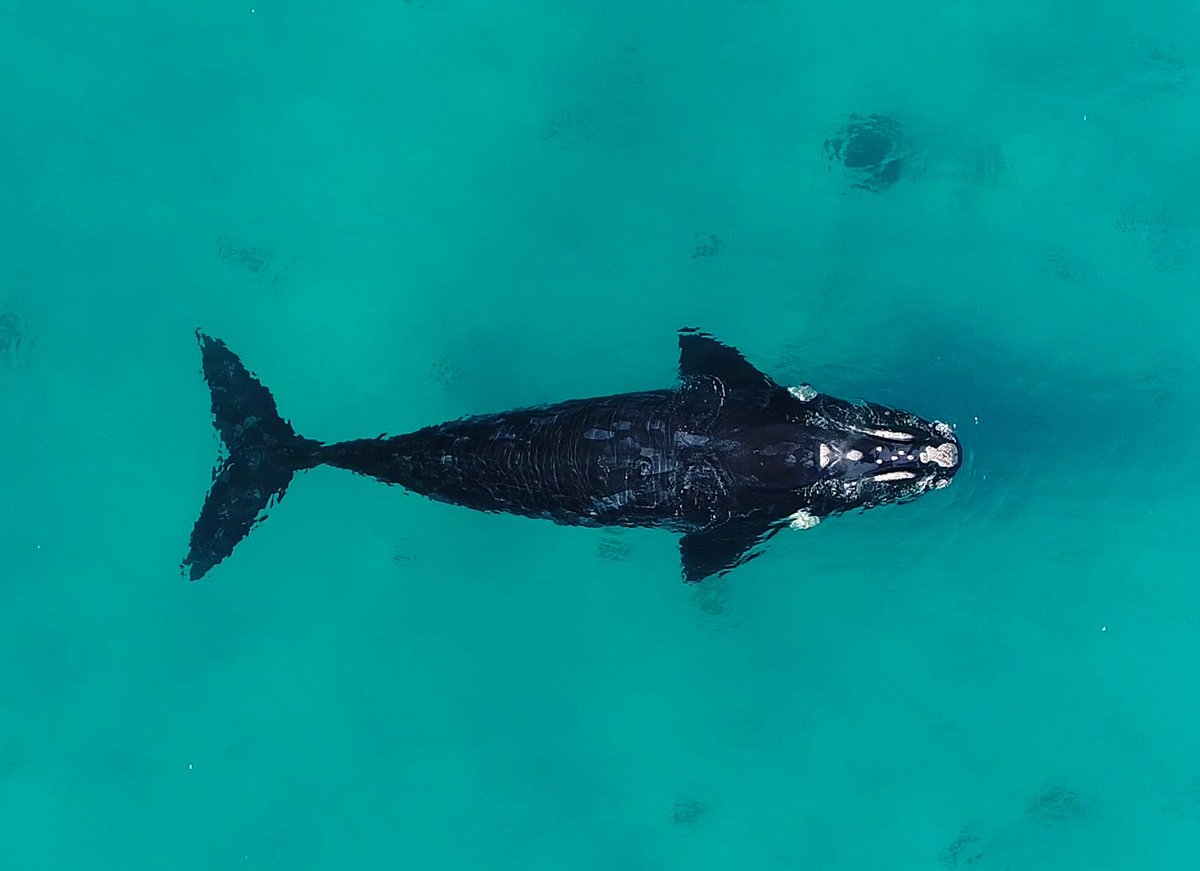
Fieldwork on southern right whales: Mirnong Maat (Whale Journeys) research project investigating the foraging grounds of Australian right whales. Details at https://t.co/GqZIyLm38h. Stay tuned for updated whale tracks.
#MirnongMaat#rightwhale
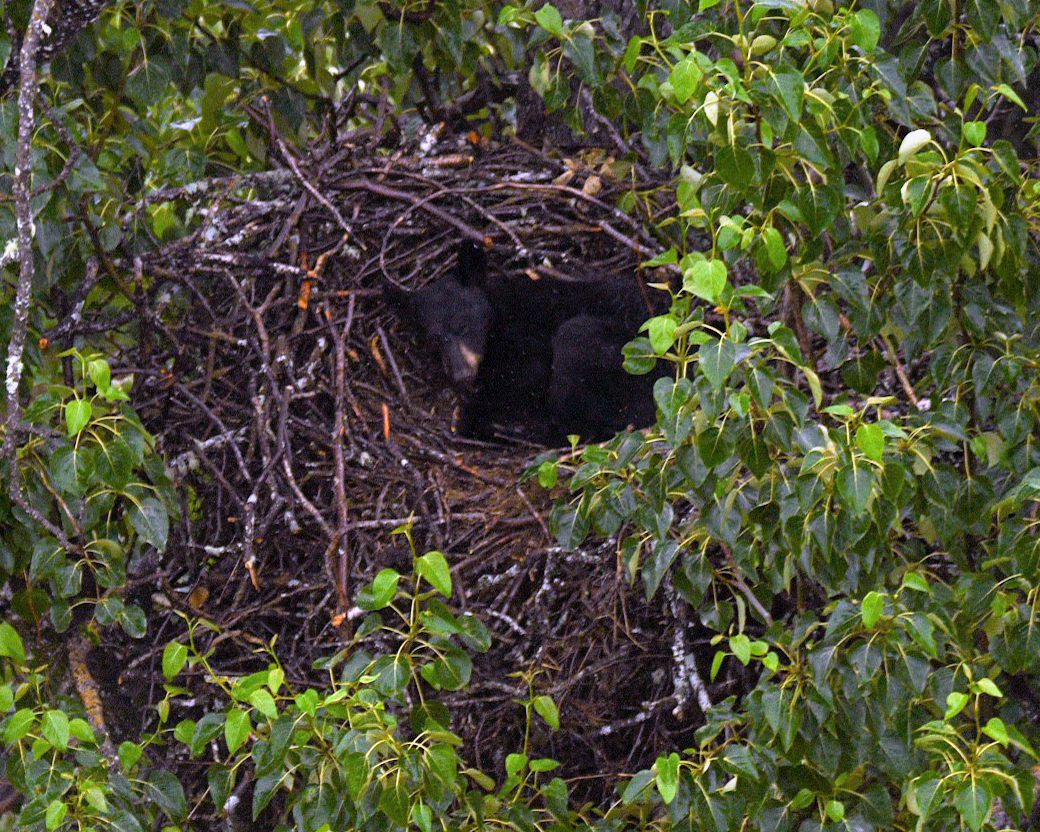
A black bear naps in a bald eagle nest on JBER, AK during an eagle productivity survey. This work, led by Steve Lewis of the USFWS, is part of a partnership between the Service and JBER Environmental Conservation. Photo Credit: Cayley Elsik, JBER Environmental Conservation.
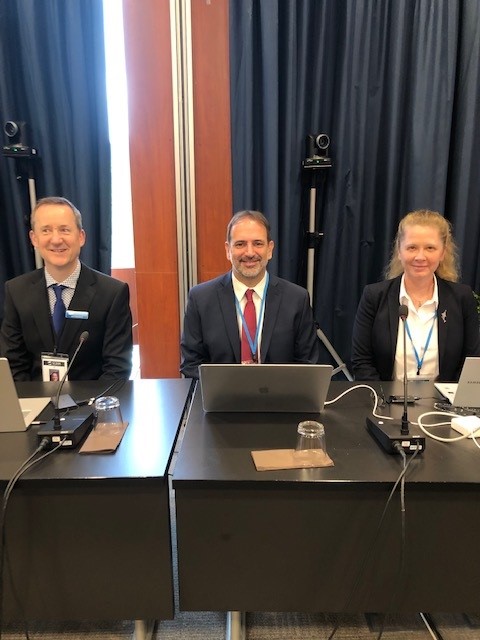
IWC Scientific Committee meeting is underway in Slovenia. Alex, Lindsay & Iain will lead approx 180 global experts through a diverse programme of #cetaceanscience and #cetaceanconservation over the next two weeks. Report publicly available end of May at https://t.co/EW9ODtaQBU
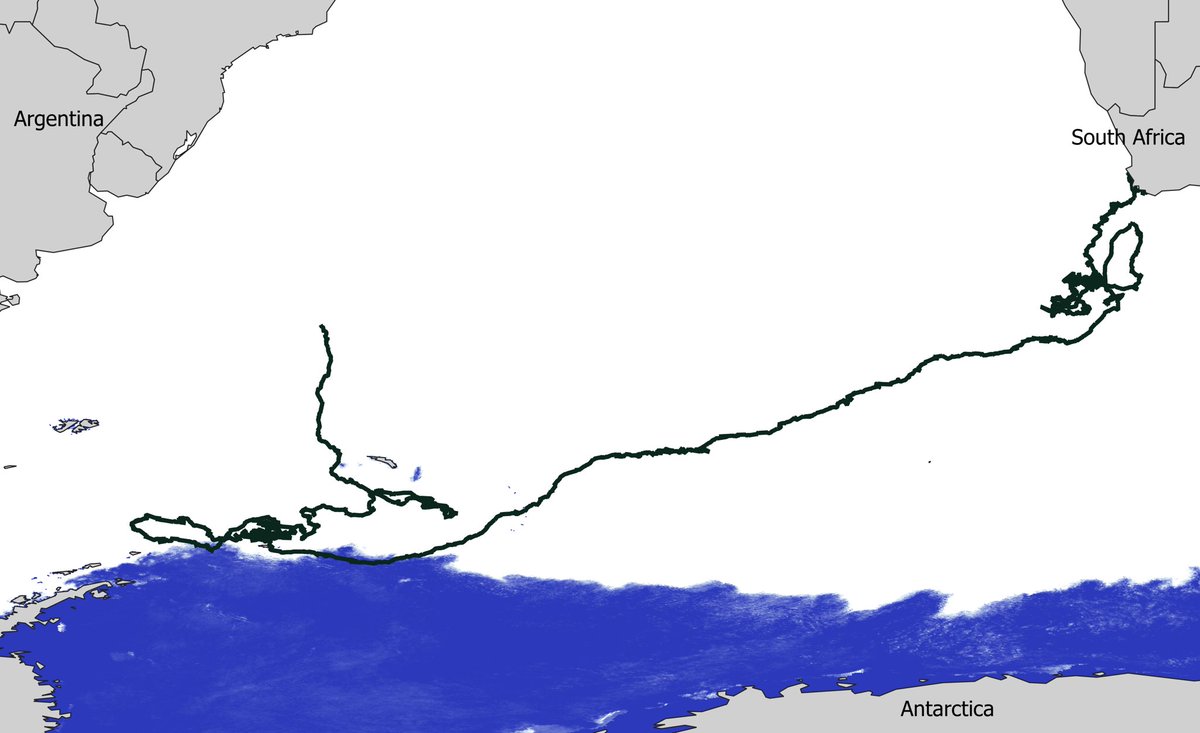
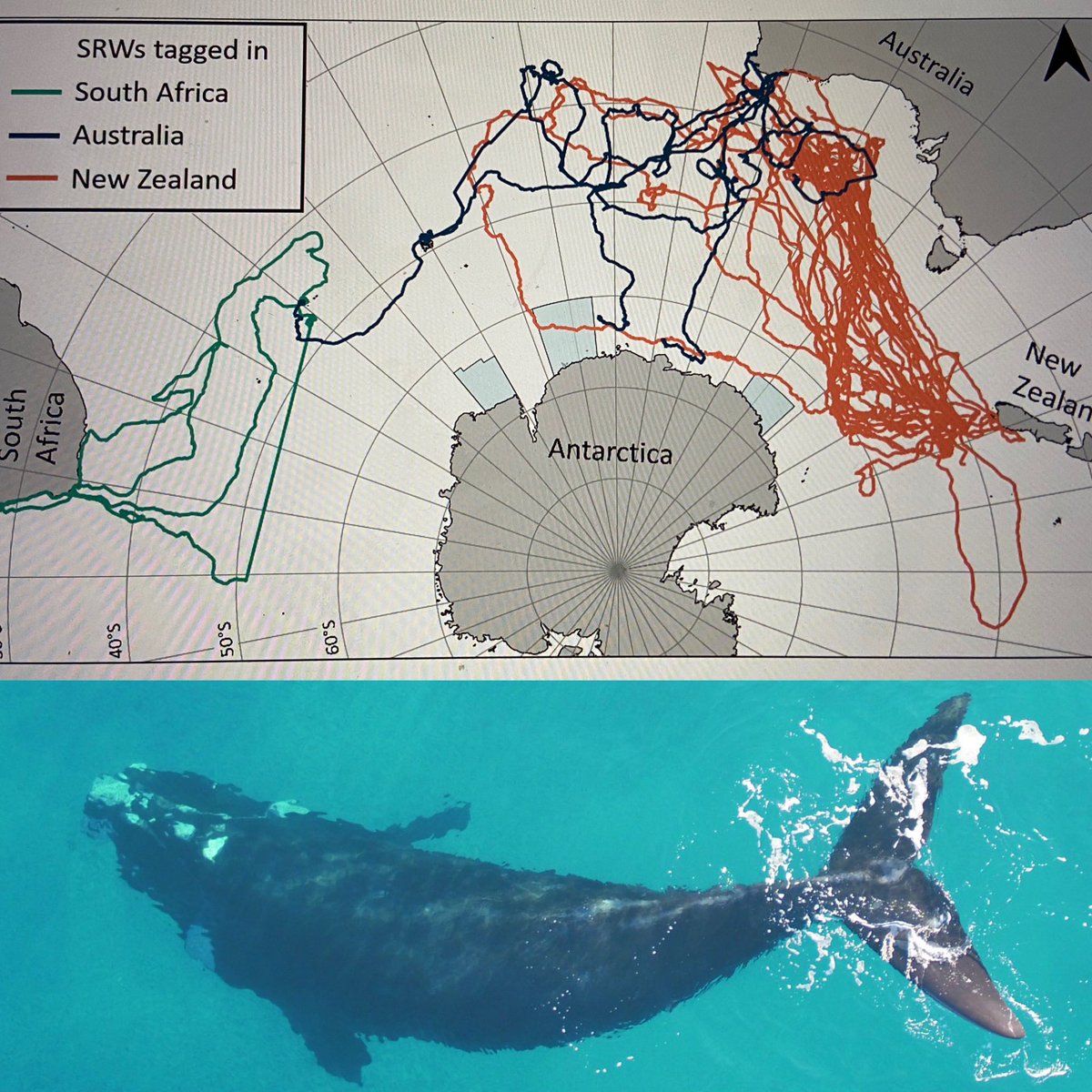
In prep for @iwc_int scientific committee meeting we combined southern right #whale#tohora sat tag data to show where pops overlap!
Crozet Islands = South Africa+Aus
subtropical convergence = Aotearoa NZ+Aus
data from: @MRI_Whale_Uni @ScienceUoA@Macquarie_Uni@uwanews