The U.S. Fish and Wildlife Service (USFWS) is dedicated to the conservation, protection, and enhancement of fish, wildlife, plants, and their habitats. 🐟🦆 🌱
Harbor seals are some of the most widespread marine mammals of North America, found along coastlines from the North Atlantic and North Pacific, from temperate shores all the way into Arctic waters. These adaptable, spotted swimmers are at home on rocky shores, sandbars, and estuaries, so if you see one hauled out, be sure to give it plenty of space!
NOAA Fisheries video of harbor seals swimming and resting filmed under NMFS MMPA PERMIT #13430-01
The Atlantic halibut is the largest flatfish in the world, with some growing up to 15 feet long and weighing more than 700 pounds! Found in cold waters of the northern Atlantic, they spend much of their time on the ocean floor. Photo: shankar s./CC BY 2.0 https://t.co/PsQC4pPuYA
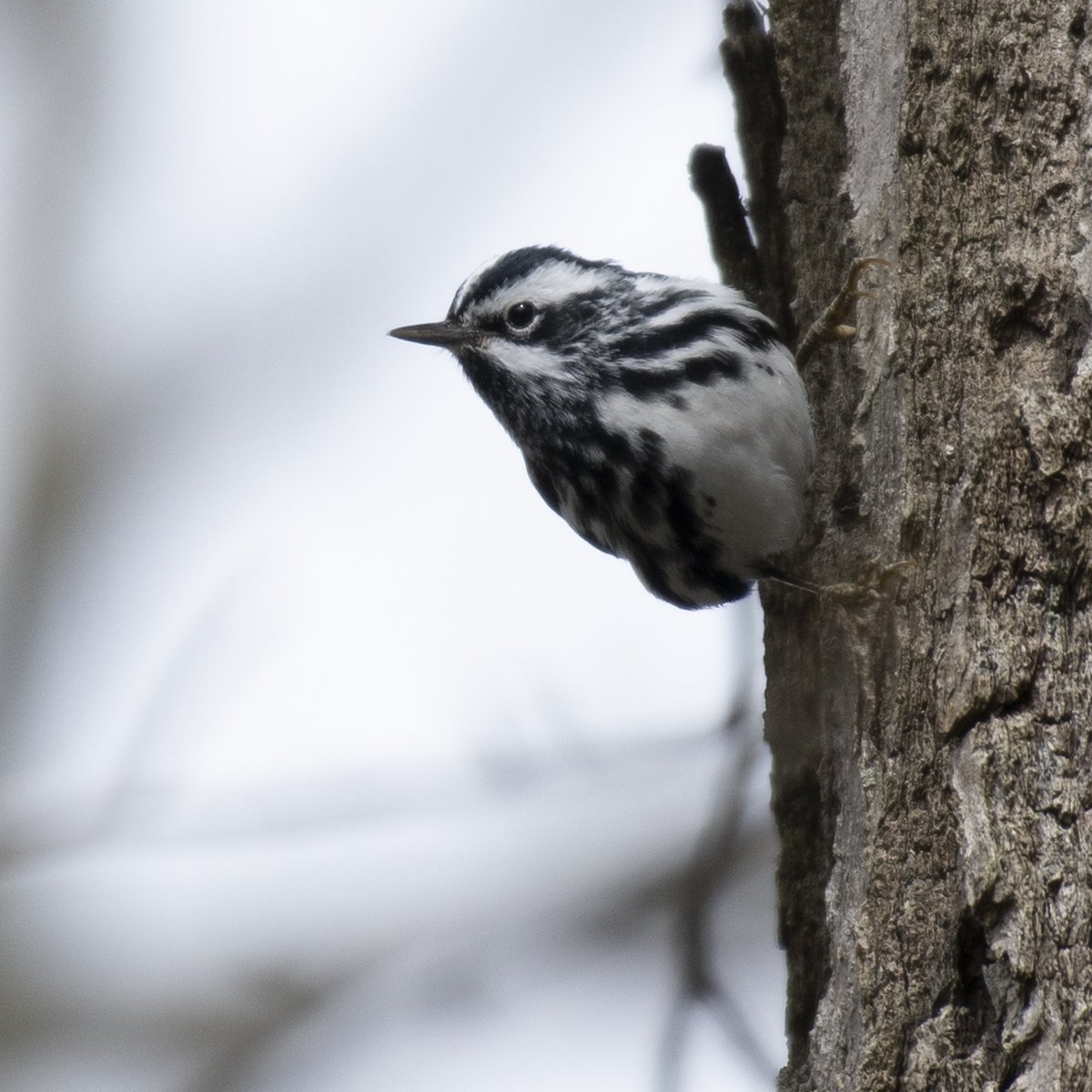
Black-and-white warblers spend winters in parts of the southeastern U.S. and across much of Mexico, Central America and the Caribbean. These warblers will move every direction along trees as they forage for insects. USFWS
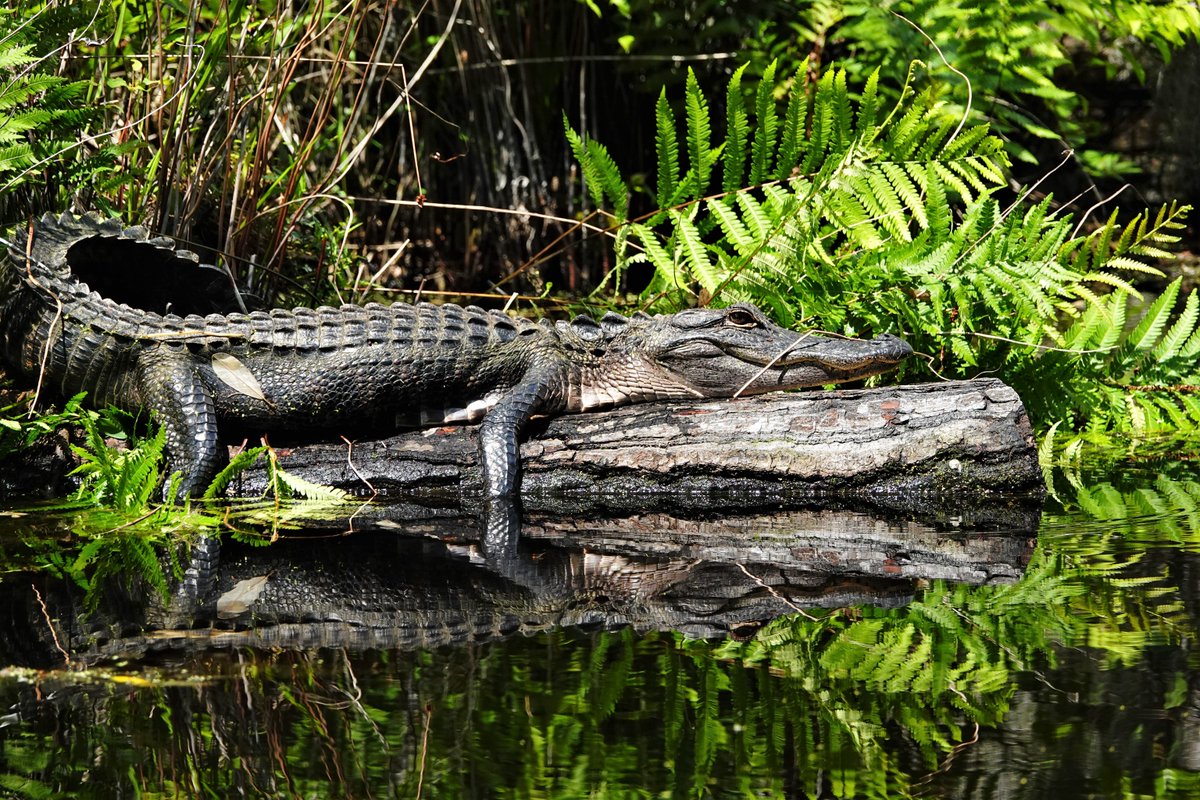
Go ahead and stare – everybody does.
American alligators are iconic reptiles native to southeastern states. Adult males can measure more than 14 feet and weigh more than 1,000 pounds.
Alligators play a key role in wetland ecosystems, digging gator holes that provide water for countless other species during dry spells.
USFWS photo: Larry A. Woodward
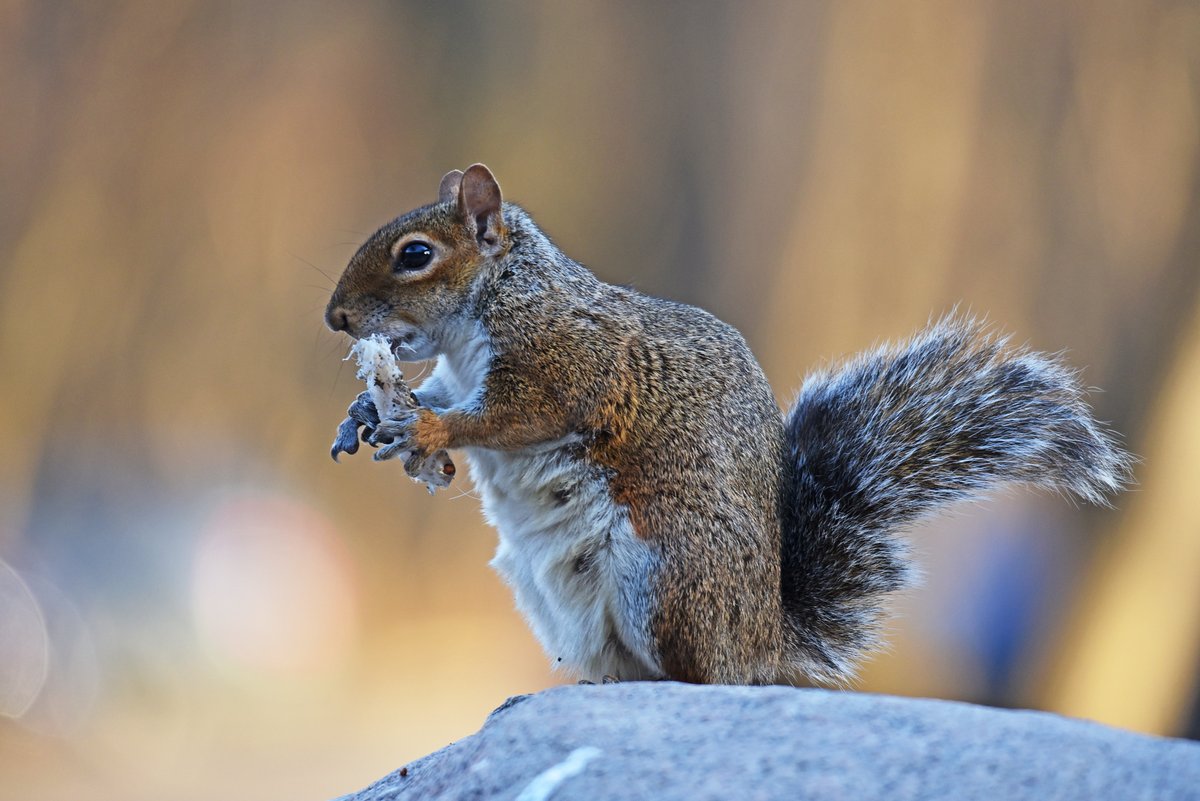
Eastern gray squirrels are busy gathering and caching food for the cold winter months, but they're never too busy to stop for a quick snack. We noticed that this squirrel was munching on a milkweed seed pod. USFWS photo by Courtney Celley
American shad are growing, hatching, and heading home!! North Attleboro National Fish Hatchery in MA raises and stocks millions of shad to their native waters each season, playing a key role in protecting and restoring these migratory fish. USFWS video of shad eggs with dark eye spots wiggling and hatching
Chill!! Tiger wolf spiders are not coming for you, even though they have the scariest predator-filled name of all time.
These opportunistic hunters commonly go after cockroaches, crickets, flies and other insects. While they are venomous, they aren't considered dangerous to humans, so leave them alone to spook their prey and help with pest control!
Photo: Judy Gallagher/CC BY 2.0 https://t.co/QYvuFIPYfu
American icon coming through! 🦋
The monarch butterfly is one of the most iconic insects in North America. In late summer and early fall you might catch a glimpse of them as they rest and fuel up on their 3,000-mile migration to high elevation forests of central Mexico.
USFWS photo: Mike Budd
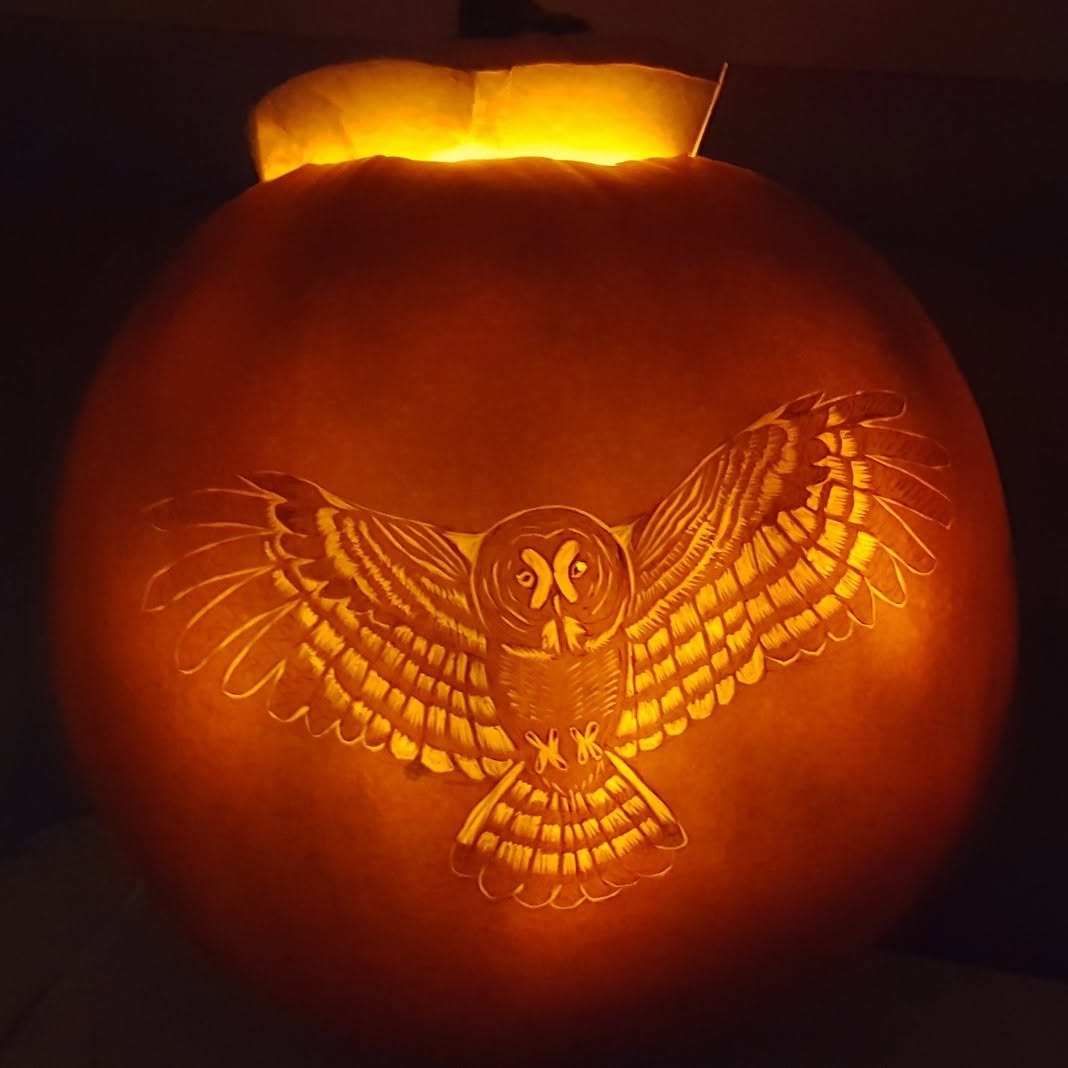
Featured in these fantastic pumpkin images: caribou, Canada lynx, great gray owl, wolverine and monarch butterfly!
Using wood-carving tools, each pumpkin takes a few hours, Dzielski said, but the lynx took five hours and the caribou took her eight hours!
Photos courtesy Dzielski
Enjoy these incredible pumpkin designs carved by USFWS biologist Sarah Dzielski, who said she has been carving endangered species on pumpkins since high school!
The vast majority of nunulu breed and nest in the northwestern Hawaiian Islands, including Midway Atoll NWR; all of the islands are protected as part of the Papahānaumokuākea Marine National Monument.
USFWS volunteer video: Dan Rapp
Video description: Various rear views of black and white birds with heads obscured as they use their pinkish webbed feet to kick sand and soil backwards, with grasses growing all around.
It’s nest burrowing season right now for the nocturnal bonin petrel, or nunulu in Hawaiian, on Midway Atoll National Wildlife Refuge in the middle of the Pacific Ocean.
It isn’t always glamorous work, but the little seabird parents-to-be waste no time while on their bellies, loosening soil with their bills and kicking it backwards with their webbed feet.
Nunulu burrows on the refuge can be up to 10 feet long and are usually about 3.5 feet deep, just big enough to fit both parents.
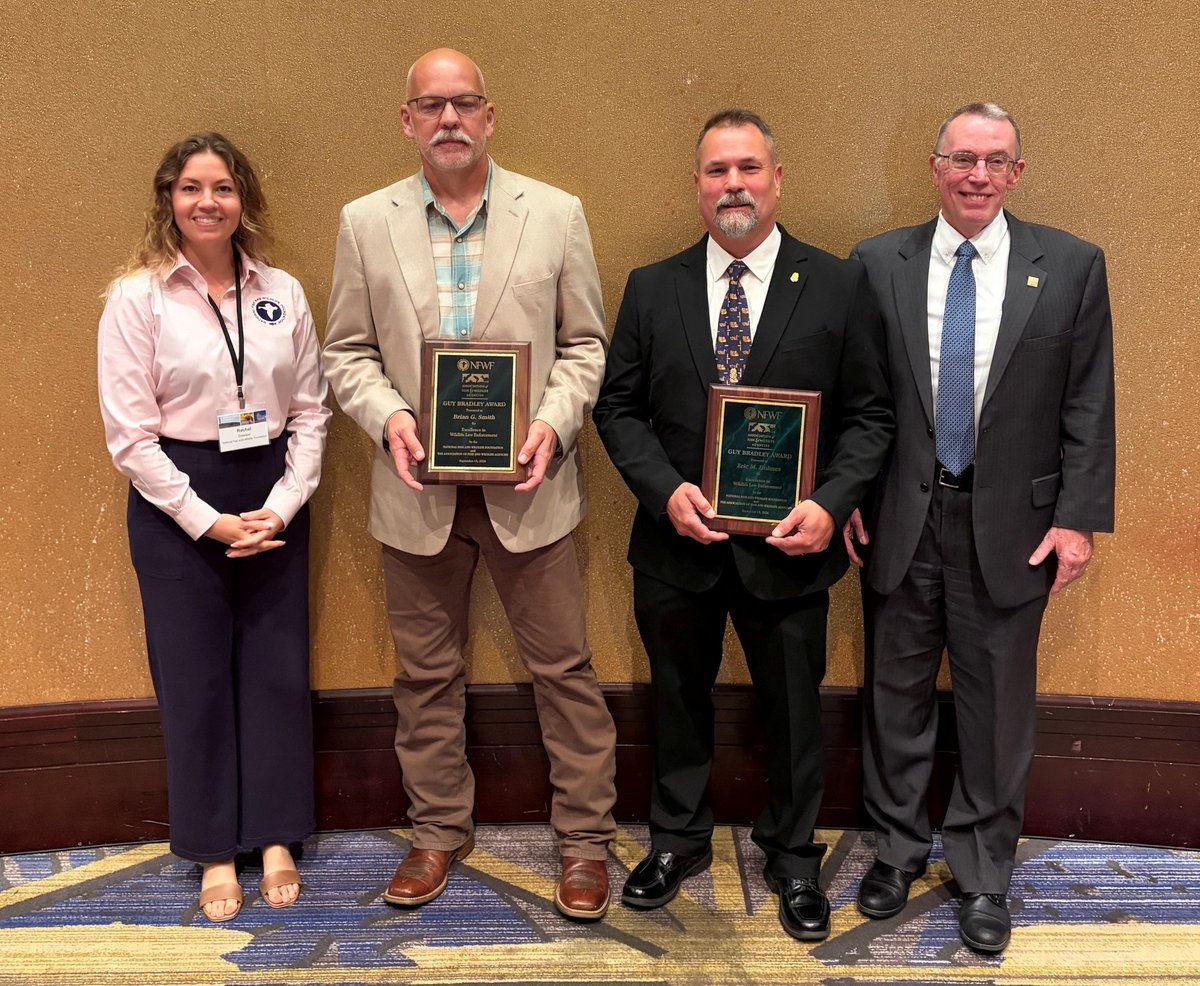
Congratulations to retired Senior Special Agent Eric Holmes (third from left) on winning the Guy Bradley Award!
After 32 years with @USFWS Office of Law Enforcement, Holmes leaves a legacy that includes Operation Broken Glass — a 6-yr, 20-agency probe into illegal glass eel trade: $7M in exports seized, 22 convictions.
Thank you for protecting wildlife!
Meet the Oregon Chub! 👋🐟 Catch our latest episode later today and new episodes every Monday wherever you get your podcasts: https://t.co/2wVquS5xFX🎣
📷 Off-channel habitats are important to both Oregon Chub and Chinook Salmon. (Freshwaters Illustrated/used with permission)
By 1907, fewer than 1,000 bison remained in North America.
That year, the Bronx Zoo shipped 15 bison to Oklahoma's Wichita Mountains in one of the first bison reintroduction efforts — and it worked.
Their descendants still roam those grasslands today.
It's National Wildlife Refuge Week — visit one near you. 🦬
Video of a close up of bison bull bellowing by Nancy Corona: USFWS
Small wings, big work. 🦋 Bees, butterflies, and hummingbirds keep the world blooming. National wildlife refuges give them the meadows and prairies they need. USFWS photo by Mike Budd
Did you know that hunting and fishing opportunities are available at many national wildlife refuges across the U.S.? That means family traditions, good food on the table and access to the outdoors on public lands across the country.
Hunters and anglers have always been conservationists at heart. Their contributions restore habitats, support wildlife and ensure future generations can experience the same outdoor traditions we love today.
Just in time for fall, @Interior announced the largest expansion of hunting and sport fishing opportunities in the history of the USFWS.
In total, the final rule will deliver 1,488 new hunting and sport fishing opportunities across 32 states. Read more about the new access to hunting and fishing: https://t.co/H2wS4o1muG
USFWS photo
National Wildlife Refuge Week, Oct. 10-17, is an invitation to explore your public land, slow down, look closely, and see the wildlife that calls it home.
There are more than 570 national wildlife refuges and 38 wetland management districts, with at least one refuge in every state and U.S. territory, and within an hour's drive of most major cities.
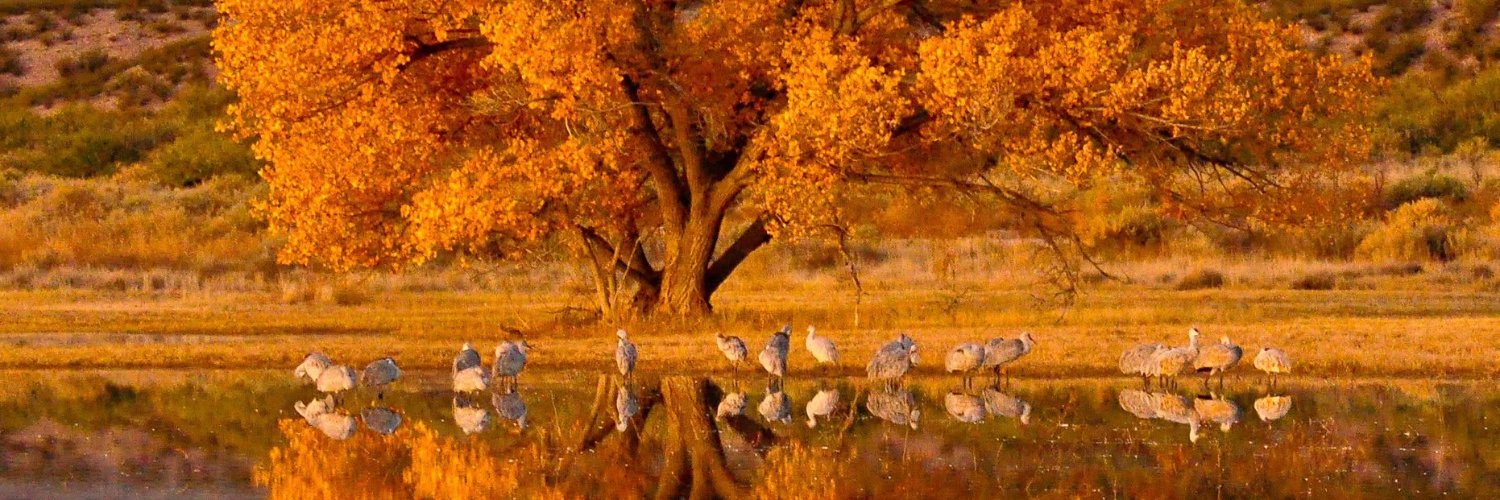
Refuges offer outdoor activities like fishing, wildlife viewing, photography, and hunting, while providing lands and waters for thousands of wildlife species, from sandhill cranes and American alligators to bison and sea turtles.
Find a refuge near you: https://t.co/LfPdsj8sHD
Video: Tandem Stills + Motion in partnership with the U.S. Fish and Wildlife Service; watch full video with closed-captioning and audio-described version: https://t.co/ny0kbU3R8M