a compelling proposition that the "Xi [is] a genetic suppressor of autosomal mutations" broadly across human diseases
(even comes with a tantalizing cameo of a cohesin subunit!)
Excited to share @PageLabXY and my perspective on the role of the so-called “inactive” X chromosome in autism, out today in @NatureGenet! A quick 🧵… (1/n)
Excited to share @PageLabXY and my perspective on the role of the so-called “inactive” X chromosome in autism, out today in @NatureGenet! A quick 🧵… (1/n)
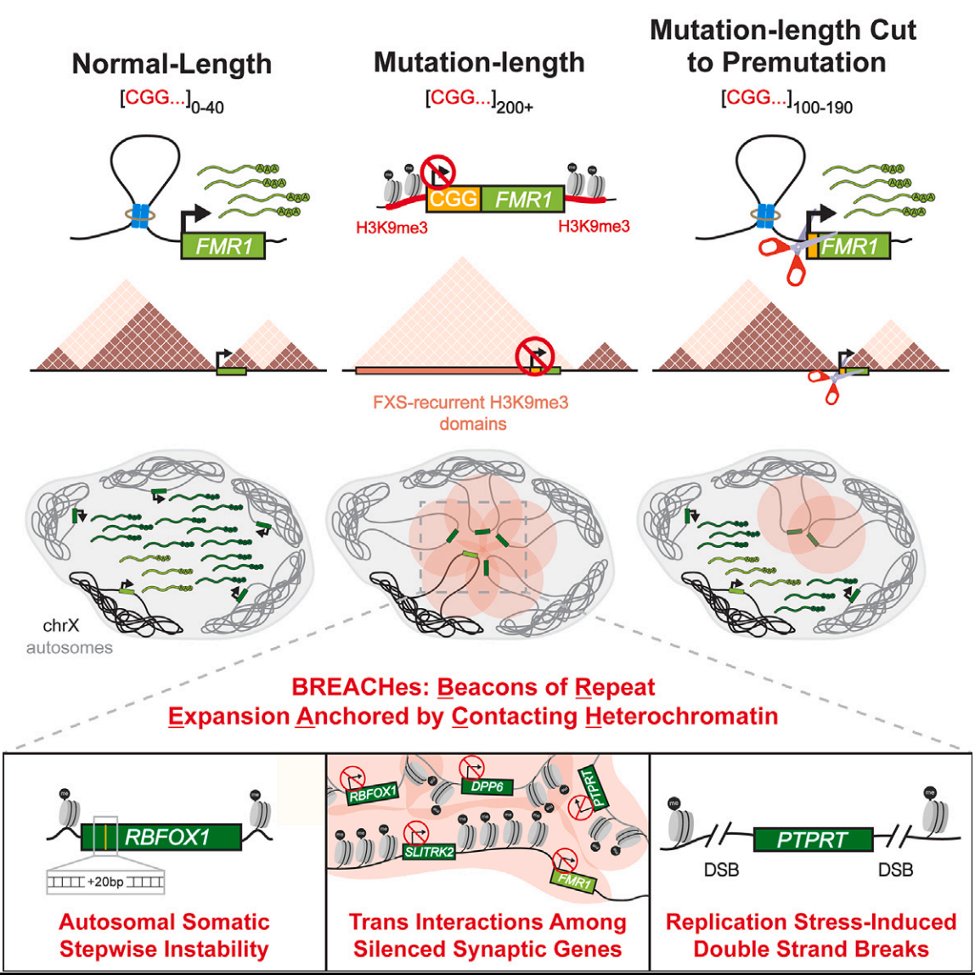
We hope that our identification of clinically correlated mosaic H3K9me3 BREACH genes will inspire new insights into pathophysiology and therapeutic strategies in FXS! 14/fin
I am excited to share our new work from @CreminsLab heterochromatin in fragile X syndrome (FXS), the most common monogenic cause of autism spectrum disorder. We previously described ectopic H3K9me3 domains in FXS, BREACHes, though the clinical significance is unexplored. 1/n
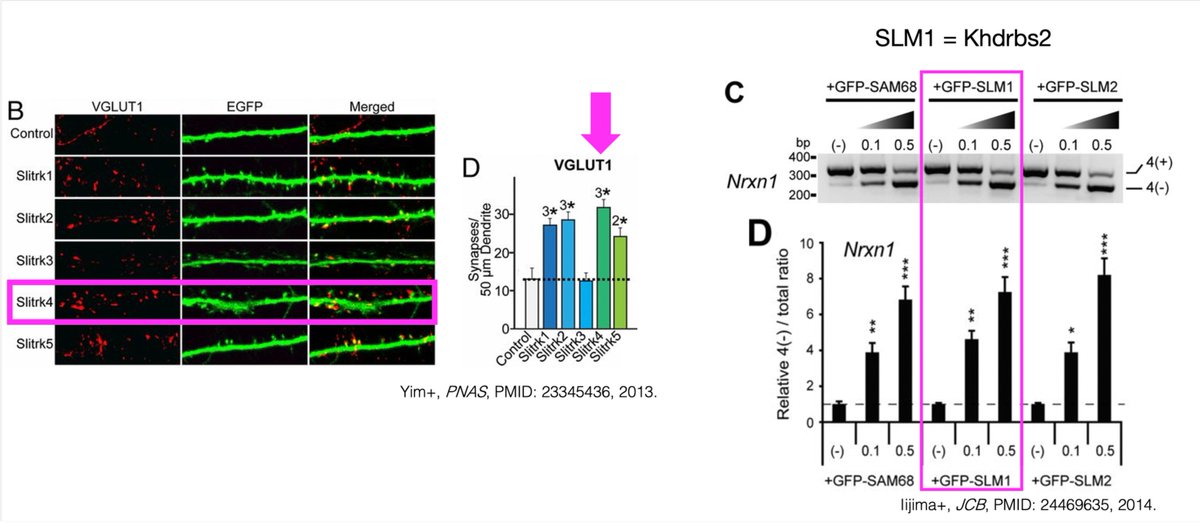
For some speculation as to why these mosaic BREACH genes are associated with greater disease severity? Both SLITRK4 and KHDRBS2 contribute to synaptogenesis, so maybe higher levels of these genes contribute the hyperexcitability hypothesized to underly some FXS symptoms. 13/n
a win for curiosity!
“We were simply curious about an interesting worm mutant, and everything we found out about it was unexpected. We consider ourselves very lucky”
Lee, Feinbaum, Ambros. A Short History of a Short RNA. Cell 2004
https://t.co/fvCHSrzdNG
Howdy! I'm thrilled to introduce FISHnet, a computational tool designed to identify chromatin domains within sequential Oligopaints DNA FISH data.
Check it out on BioRxiv https://t.co/6Nn3DApYHr
🧵 ⬇️ ⬇️ ⬇️ (1/8).
We are very excited to share our findings on BREACHes using a human model of genome instability in fragile X syndrome with possible implications for other diseases with perturbations linked to genome instability! https://t.co/t68X7KxSUP. (1/18)