Building a climate business in Kenya? You don't have to do it alone.
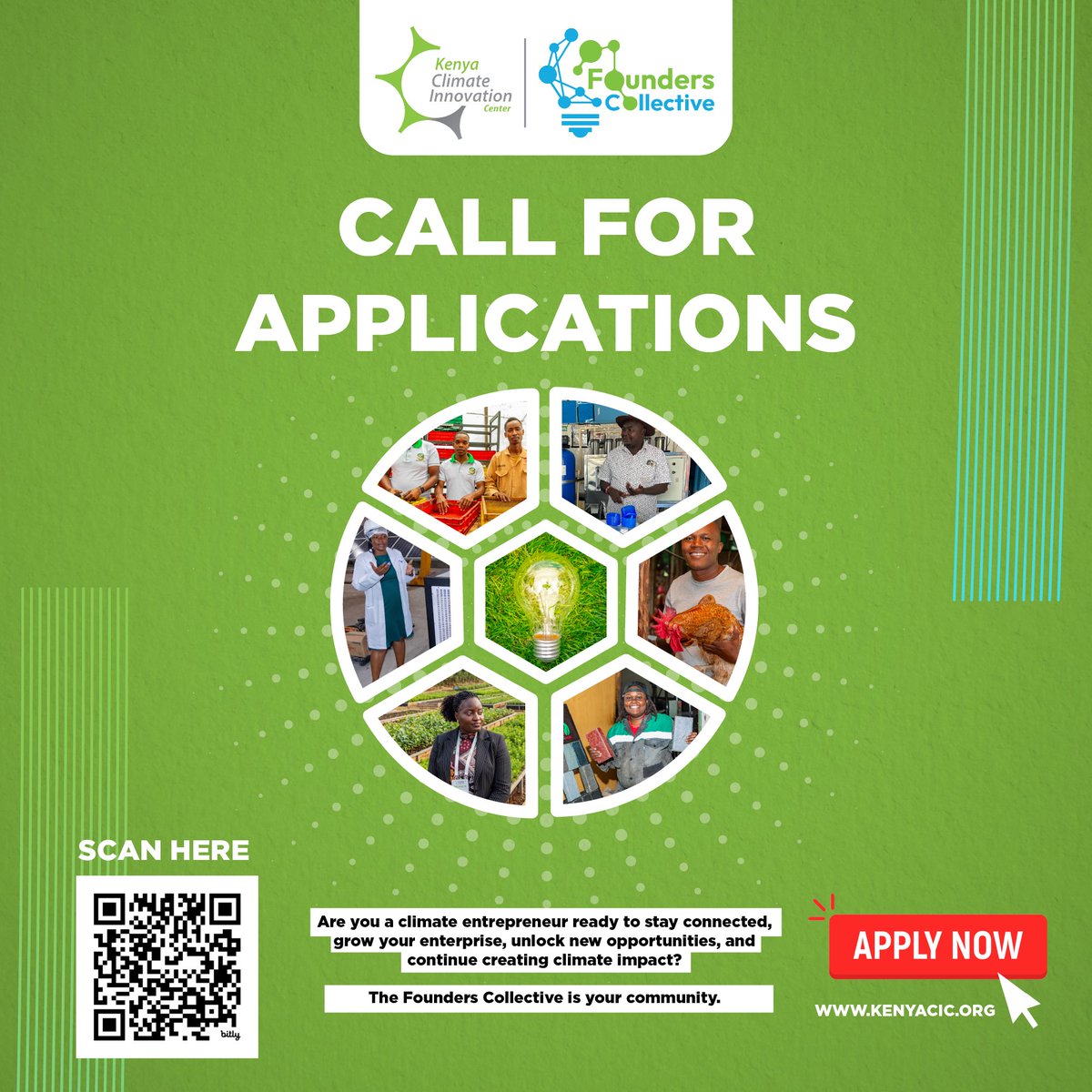
Join the Founders Collective: investor networks, partners and a founder community that stays with you after program support ends.
KES 10,000/year. Applications open 👇
We sat down with Jeremy Beggi of @inkomokoKenya for a conversation on the @SSAfricaPod about African self-reliance, building local capacity, mobilising resources within the continent, and the role of values-aligned partnerships in driving sustainable change.
Drawing on @Inkomoko's work, the discussion also explores how these ideas translate into practice when supporting displacement-affected communities.
Watch the episode on Youtube:https://t.co/OtksWBrCGi
Listen on Spotify: https://t.co/5H7ABIEBKT
Apple Podcasts: https://t.co/aTGK885Jcq
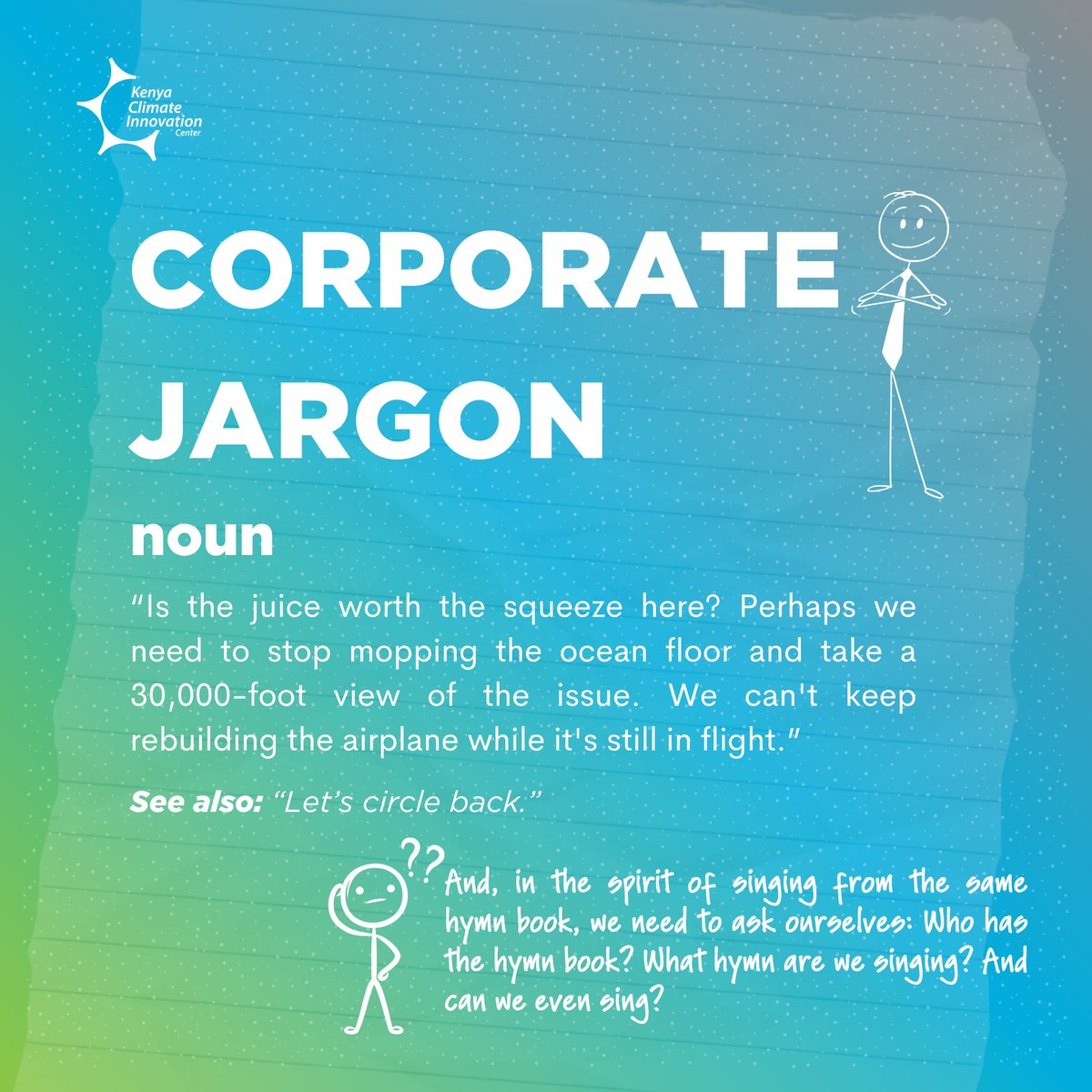
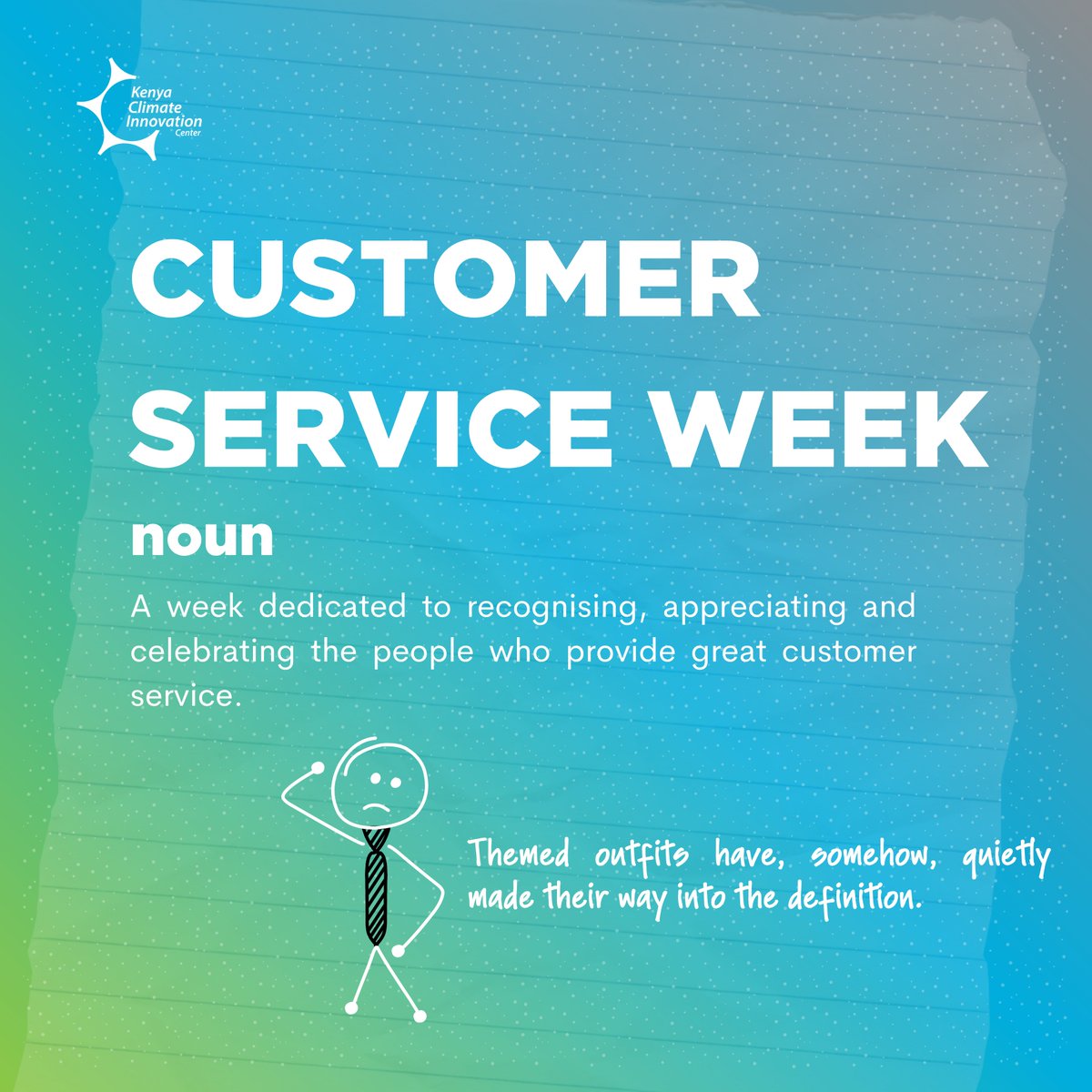
Corporate friends, are you excited for African Wear Thursday, or should we leave you alone? 👀
Whether you have a week of themed outfits, a team lunch, or something else planned, we wish you a happy #CustomerServiceWeek.
Swipe through and tell us: which of these phrases have you heard (or sent) this week?
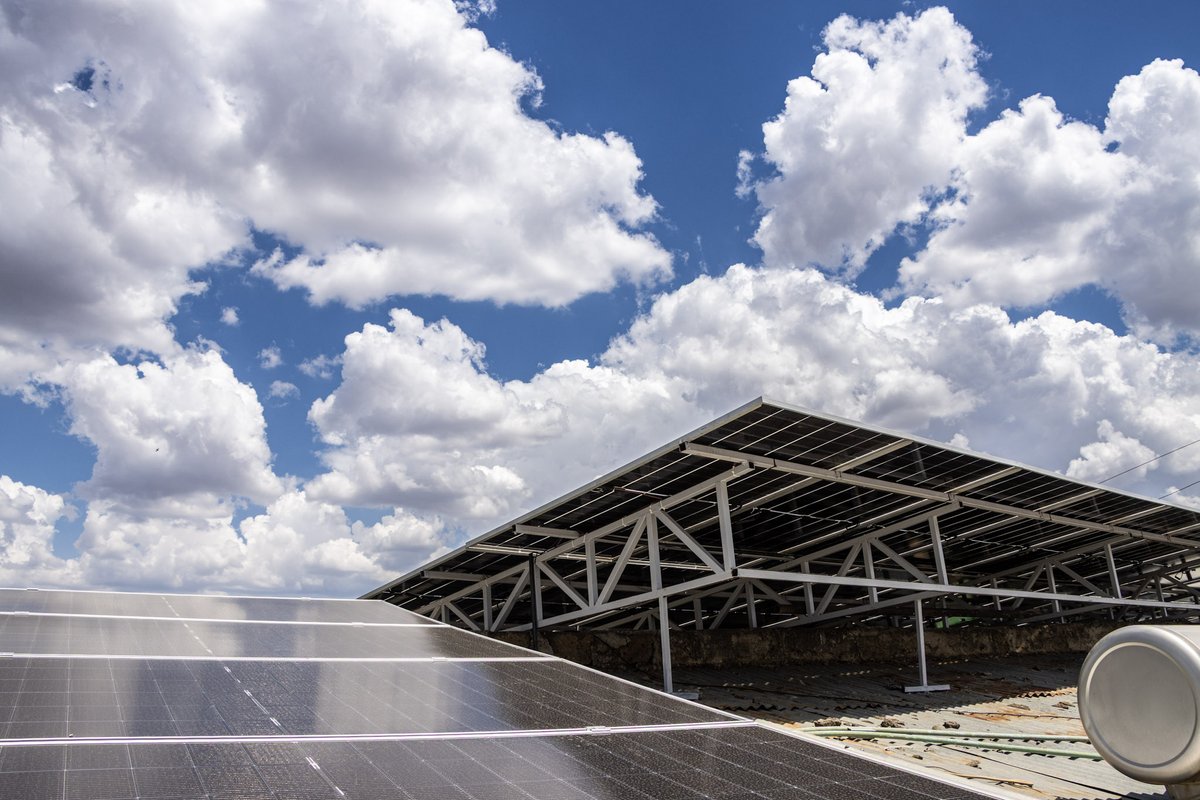
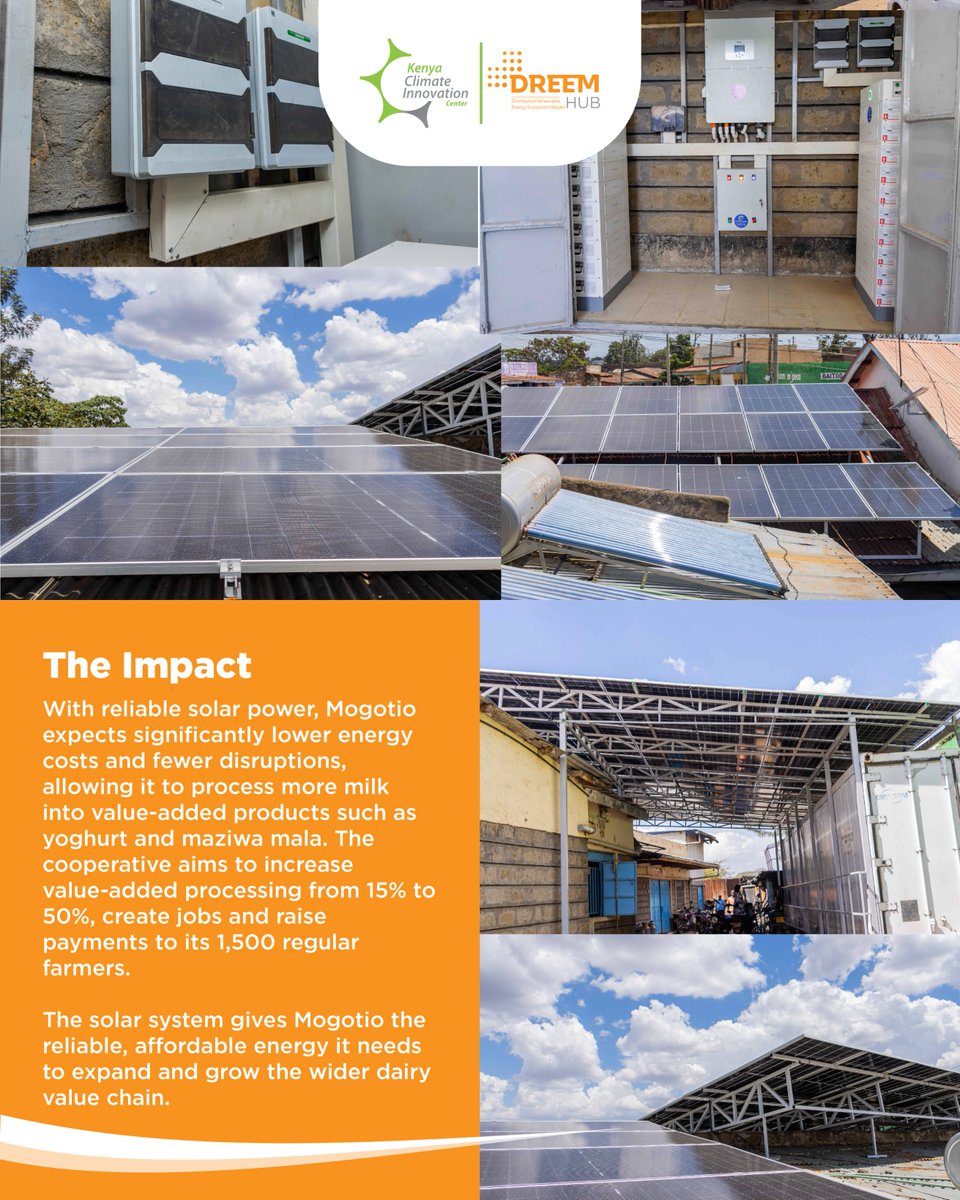
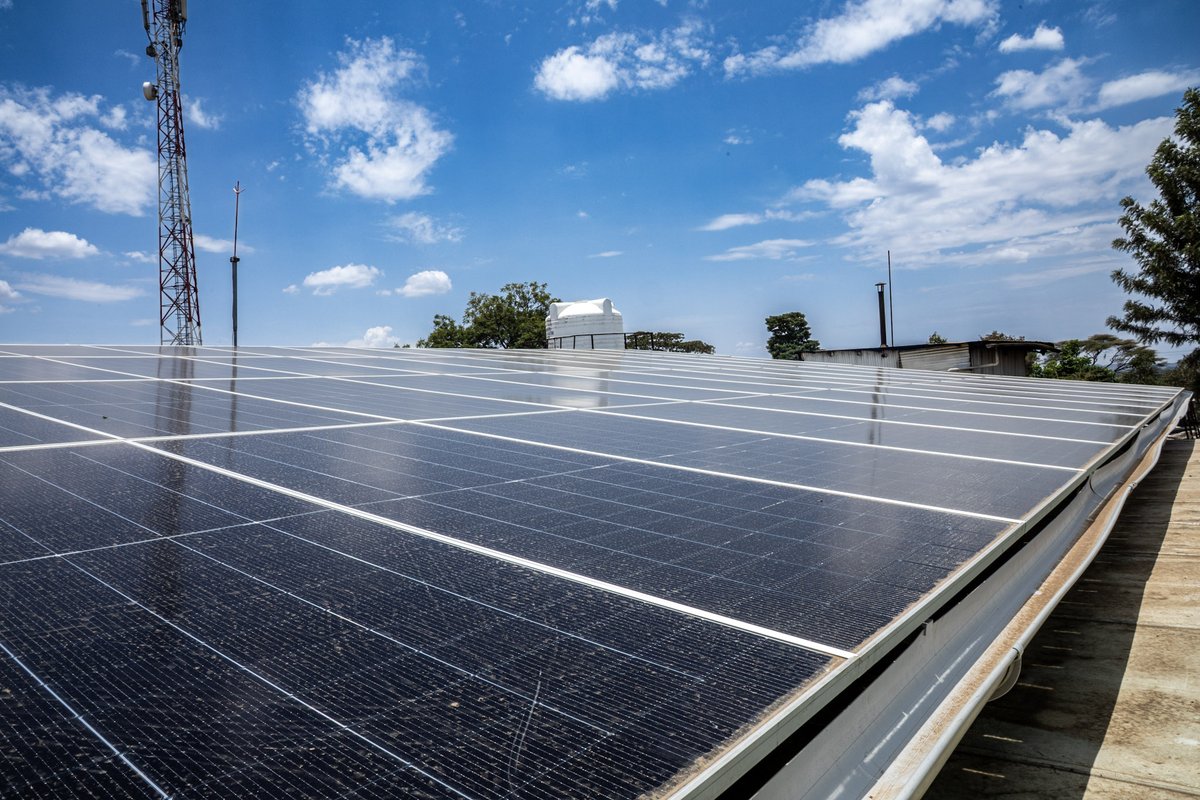
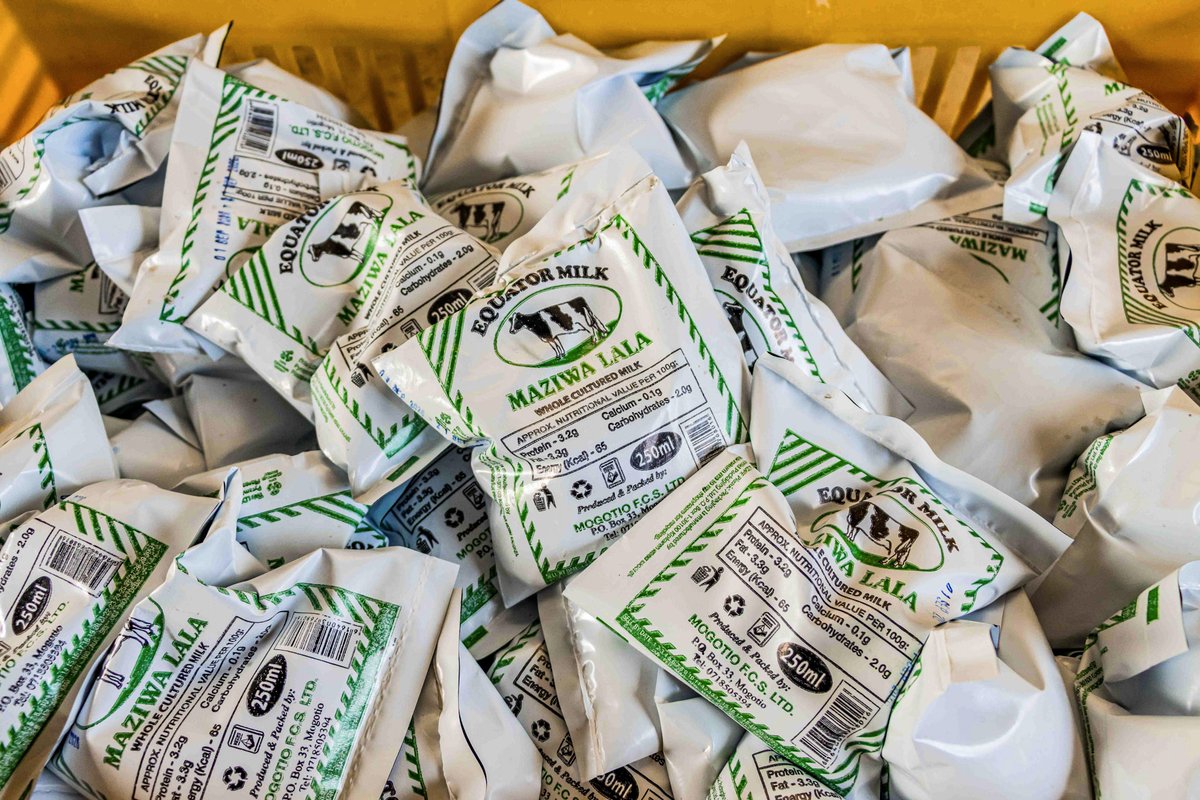
Today the entire plant runs on solar. Lower costs and steady power mean Mogotio can process more milk into value-added products, create jobs and increase earnings for its 1,500 farmers.
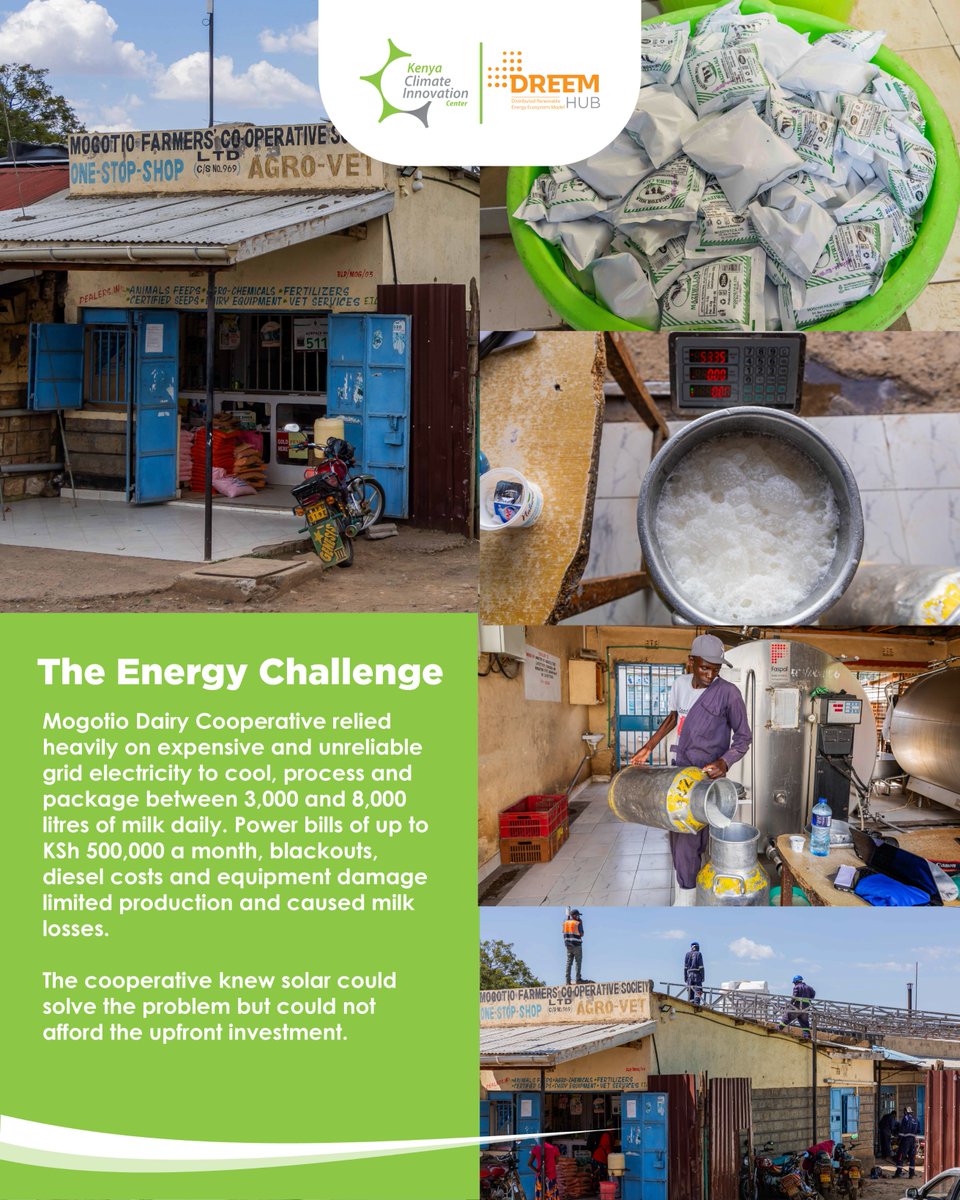
With bills of up to KSh 500,000 a month and blackouts that slowed processing, damaged equipment and increased operational costs, Mogotio Dairy Cooperative knew solar was the answer to its power problem. What stood in the way was the upfront cost.
As a mother in rural eastern Kenya, @poshgero experienced firsthand how hard it was to get vaccines and other heat-sensitive medicines when she needed them. That experience became the starting point for a much bigger question: how do you build a cold-chain solution that actually works for the realities of African communities?
In this episode of @SSAfricaPod , Tobias Belle, talks to Norah, co-founder and CEO of @AccessDrop, about the journey from identifying a real problem to building #VacciBox, a portable, solar-powered cold-chain solution that gives rural clinics cold storage where there is none and keeps vaccines and other heat-sensitive medicines within the required temperature range on the road.
Watch the full conversation: https://t.co/pDVD6avddi
Listen on Spotify: https://t.co/1BW5NgHkFR
Apple Podcast: https://t.co/m98camW6TA
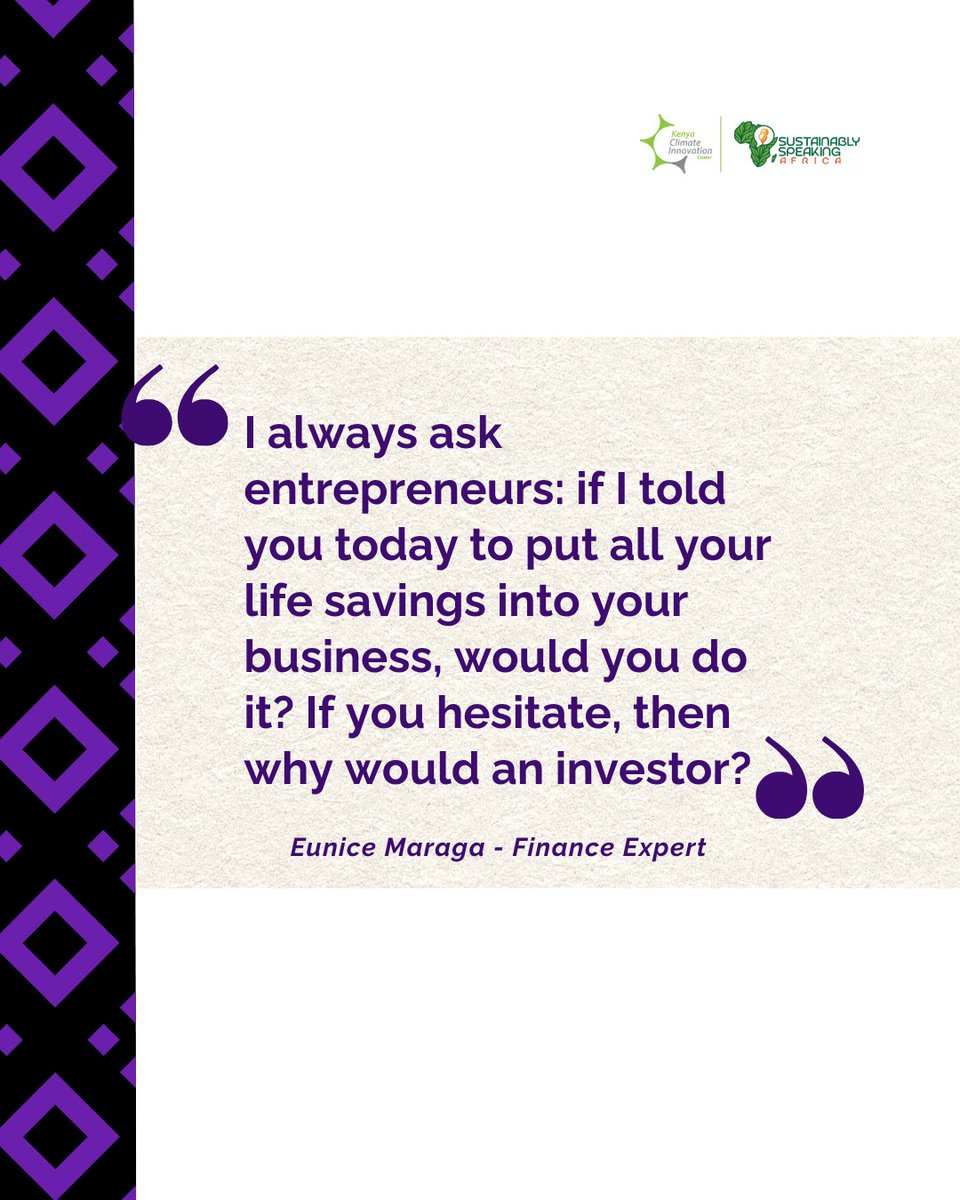
Would you bet your life savings on your business? 💭
If the answer makes you pause, that's a signal to strengthen your model, numbers, or strategy before seeking funding.
Nyatichi Maraga shared this on the @SSAfricaPod, where she unpacks why money often isn't an entrepreneur's real challenge, why pre-investment support can make or break a business, and how enterprises can tap into climate opportunities without starting out as climate businesses.
🎧 Catch the full conversation on YouTube: https://t.co/J6uny7CI4a
Listen on Spotify: https://t.co/bO8gZaxLaT
Apple Podcasts:https://t.co/JKRkTB5HT1
When enterprises like Mogotio have reliable, affordable energy, they can focus on growth, with benefits that reach across the value chain, from higher farmer incomes to more processing and new jobs. This lies at the heart of DREEM's work and of KCIC's mission of catalysing climate entrepreneurship in Africa by building sustainable enterprises and climate-resilient communities.
Read the full story: https://t.co/NZoj3xYSpe
With solar now powering the plant, the cooperative will save on both electricity and fuel. It aims to raise its value addition to meet growing demand for its products, creating new jobs along the way.
Before going solar, the cooperative faced electricity bills of up to KSh 500,000 a month. Frequent blackouts led to milk losses and added around KSh 65,000 a month in generator fuel expenses.
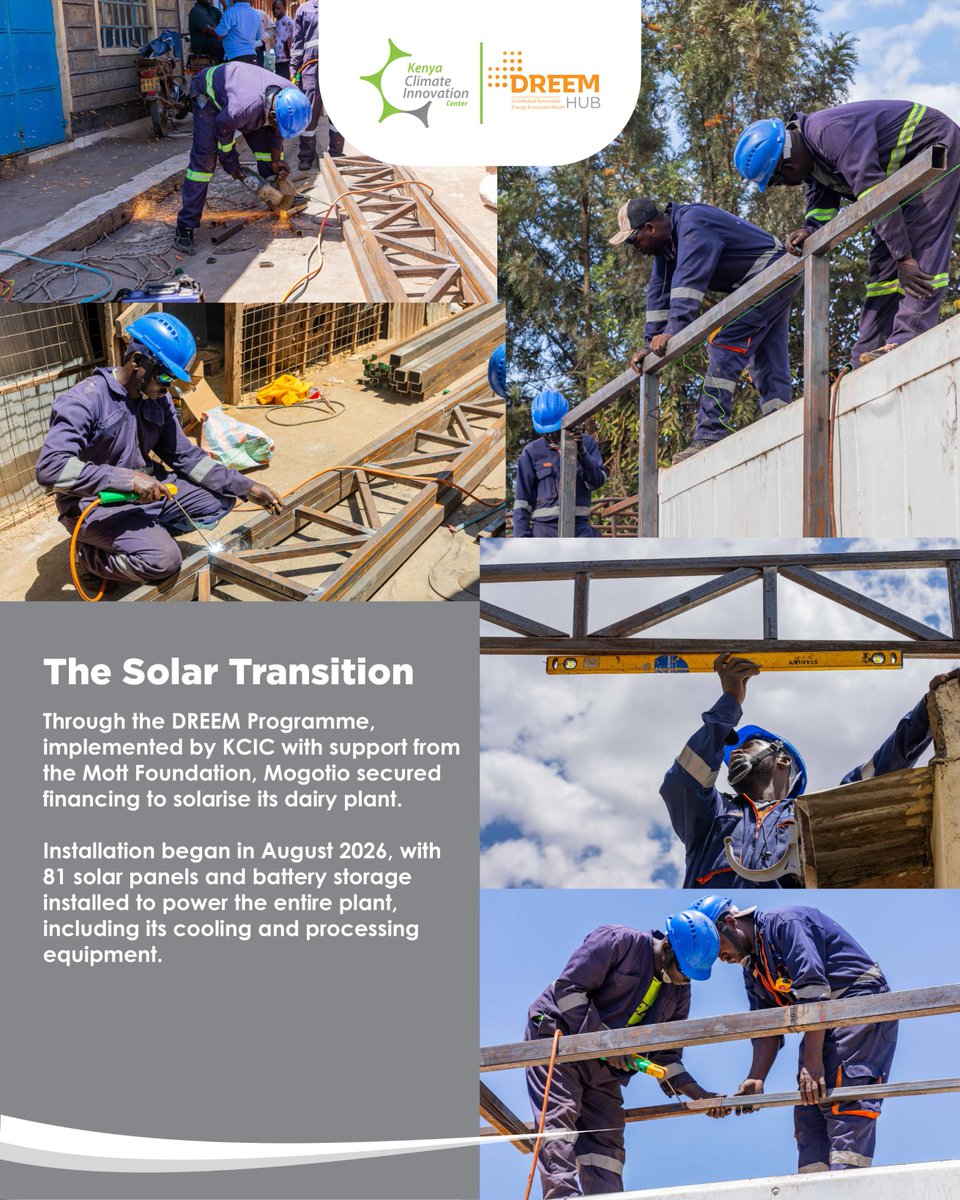
"Nobody had to convince us that solar was the answer," says George Korir, the cooperative's chairman. "We had already brought in technicians and looked at the numbers. What we couldn't do was raise that kind of money upfront."
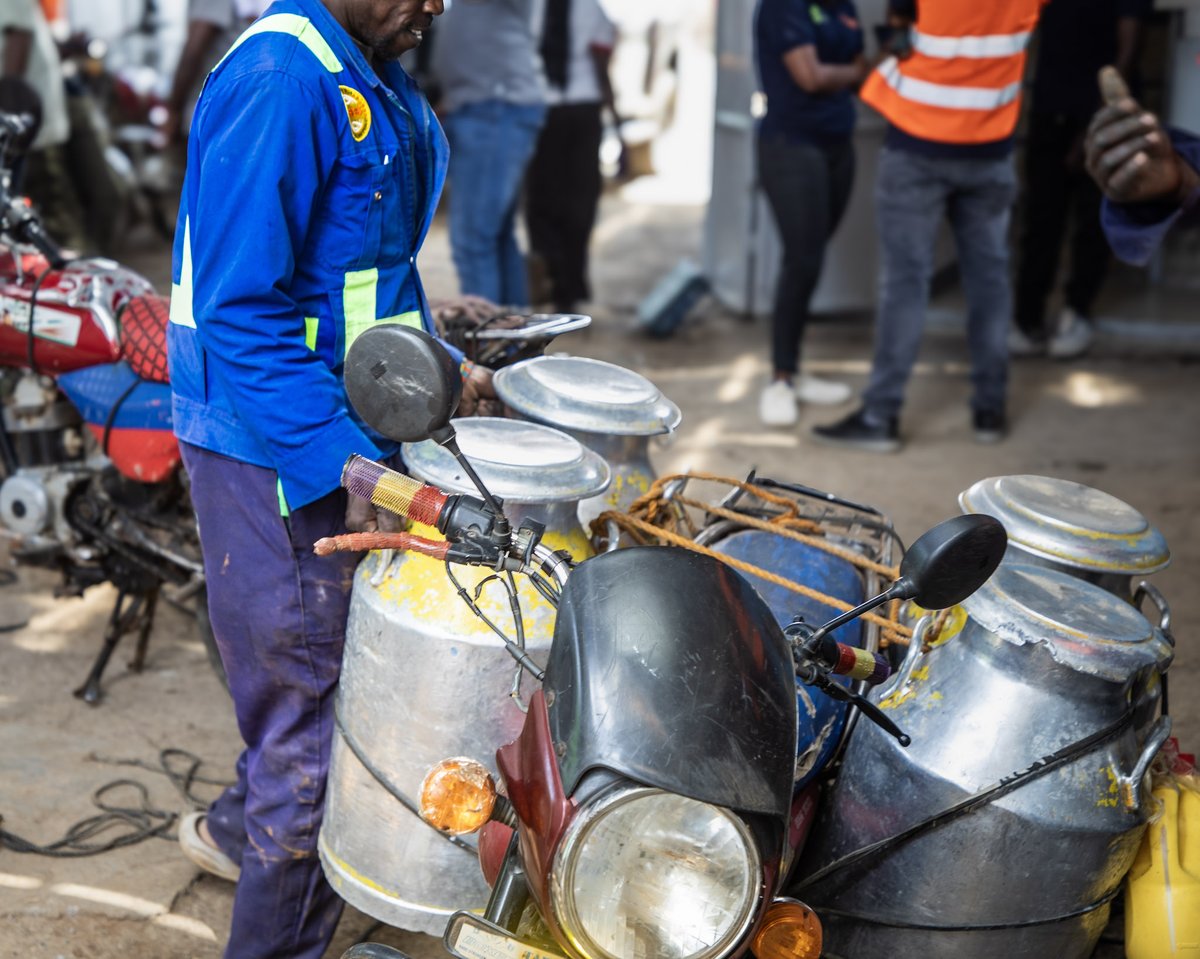
For over 60 years, Mogotio Dairy Cooperative in Baringo County, Kenya, has turned farmers' milk into livelihoods. Now running on solar with support from the #DREEMProgramme, it's set to process more milk and pay its farmers more.
You’ve built the business. Now grow and expand the connections that can take it further.
The KCIC #FoundersCollective is a lifelong community for climate entrepreneurs, created to keep you connected to markets, capital, mentorship, partnerships, knowledge and visibility beyond the donor funded programmes.
Do you run a business that mitigates climate change? Then the Founders Collective is for you.
Membership is Ksh 10,000 per year.
Join a growing community of climate entrepreneurs building solutions for a changing world.
Apply today: https://t.co/bSbAJSV4cj
Reflecting on the wider significance of the work, Ryan Strauss said: “This is a pivotal time for the world and for the Foundation. We have a new strategy, and we are looking to fight global warming ‘with and for the many people’. That philosophy is more important now than ever: for us to use our voice, bring others along, lead by example and show that this work matters.”
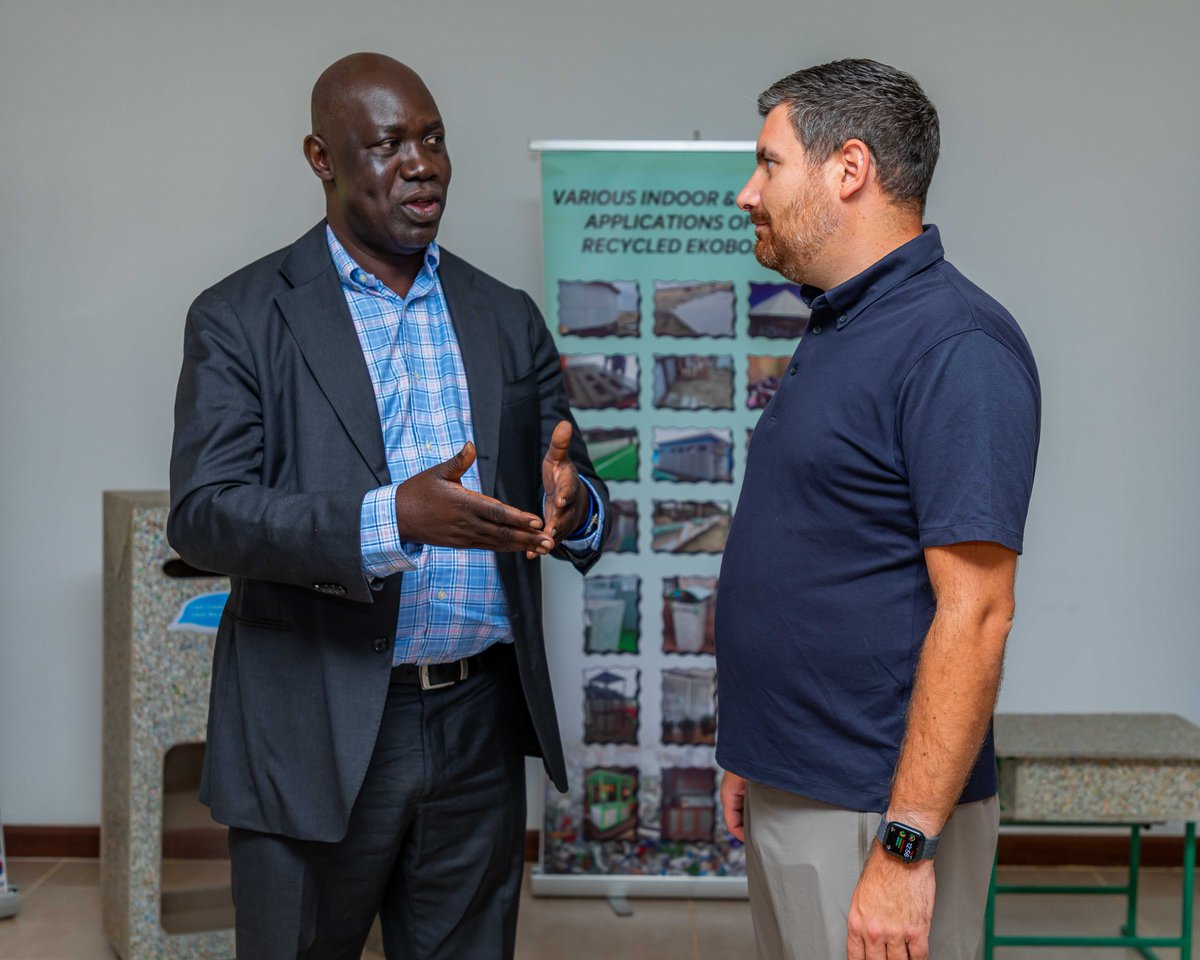
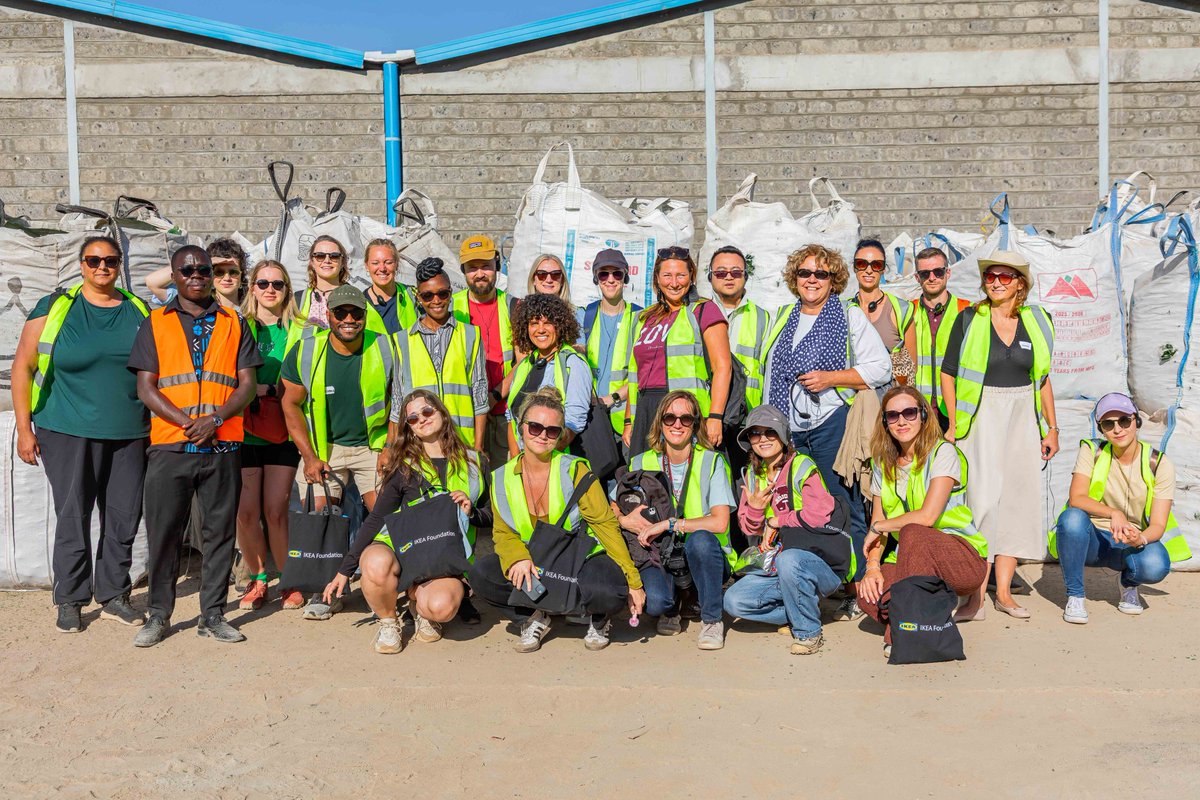
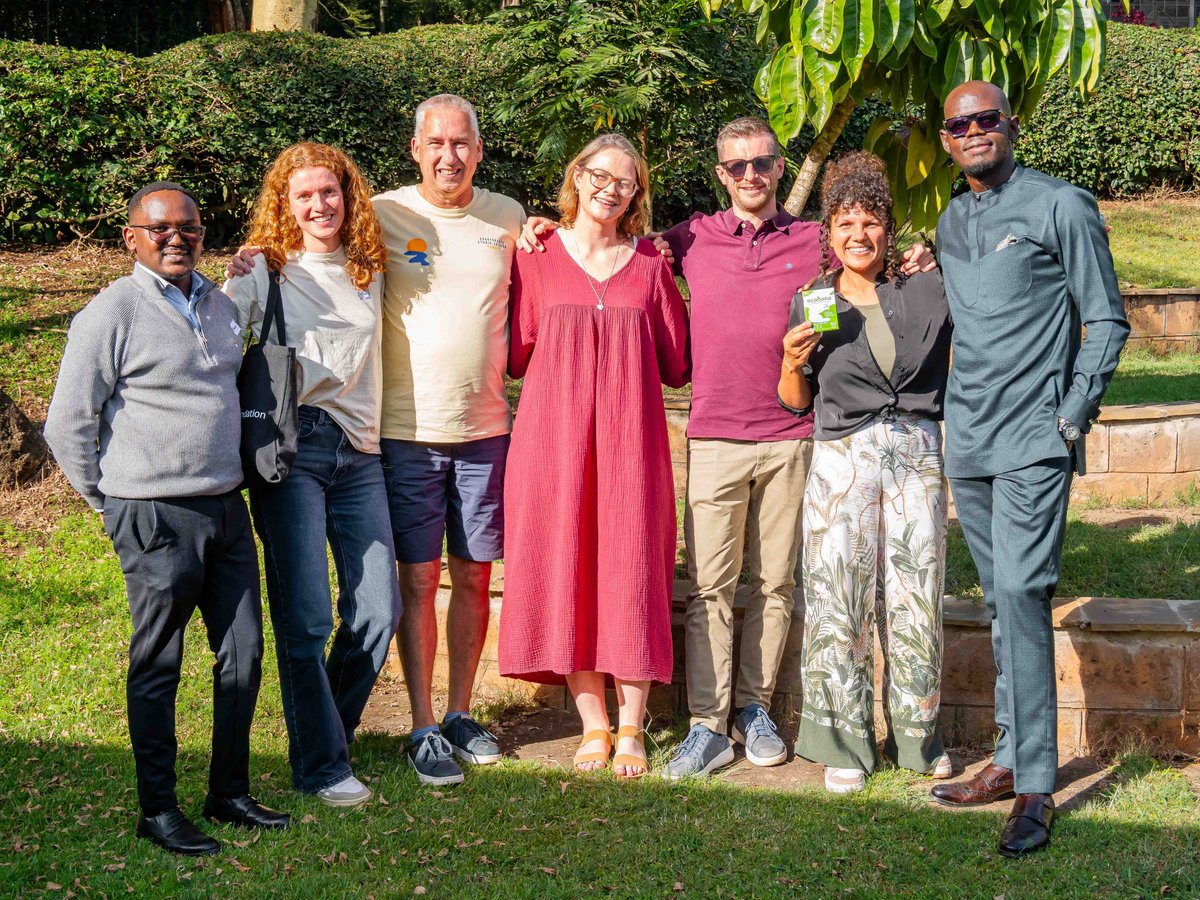
Recently, we welcomed @IKEA co-workers to Nairobi through the #IKEAFoundationAmbassadorsProgramme, giving them a firsthand view of KCIC’s work and the impact of our partnership with the Foundation.
Through stories from KCIC’s 14-year journey, hands-on product demonstrations and conversations with supported entrepreneurs, participants explored how climate innovation can generate viable enterprises, respond to environmental challenges and strengthen communities across Africa.
KCIC’s long-standing partnership with the IKEA Foundation includes the SWIFT Programme, which works to transform Kenya’s waste-management sector. To date, it has supported 110 enterprises in Kenya, and strengthened the policy environment across Nairobi, Nakuru, Uasin Gishu, Kisumu and Mombasa counties on solid waste management.