Leeds United have won 30 of the 49 matches that Ao Tanaka has started, the best win ratio of any player in the club's history (61.2%).
They've only lost six of those 49 games, also the lowest loss percentage of any player (12.2%). #lufc
Leeds United played exactly 1,919 league matches between our last two league wins at Old Trafford in February 1981 and tonight. A fairly significant number in our history! #lufc
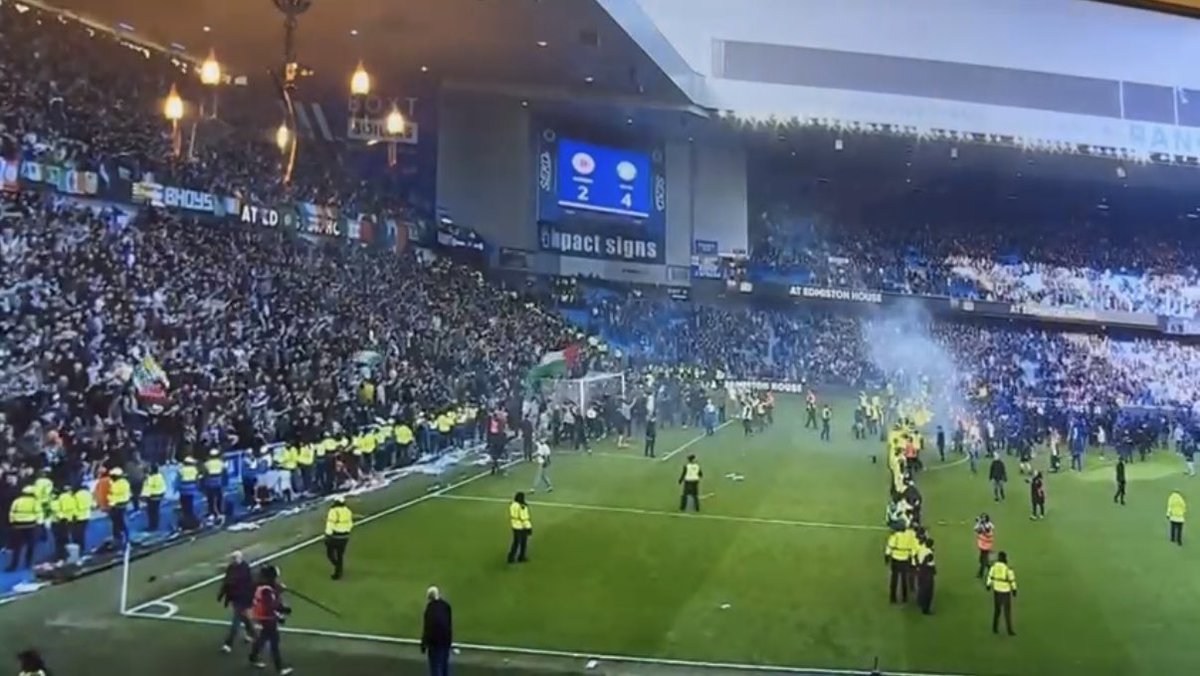
My mate sent me a picture of the Ibrox trouble yesterday but he didn’t tell me he took it off his TV and I thought Rangers had installed a chandelier in the away end
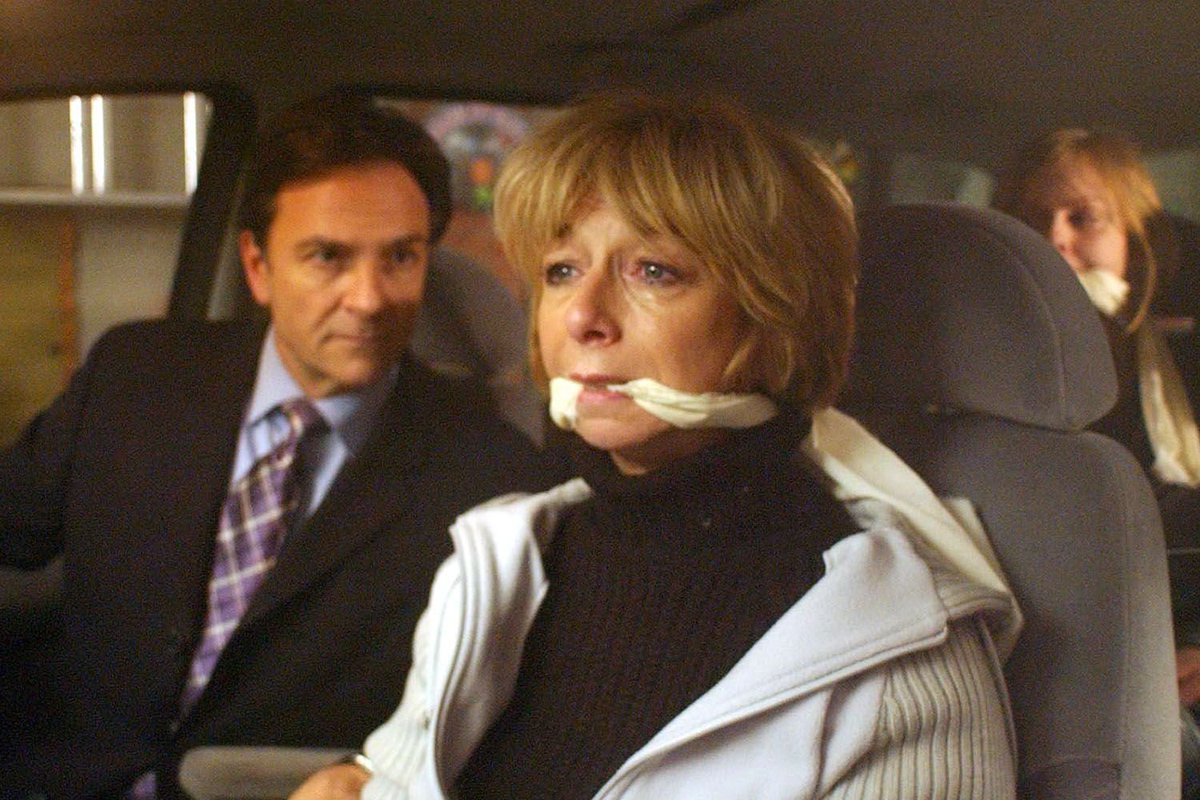
The last time Leeds United played in an FA Cup quarter-final was the same month Richard Hillman drove the Platts into the Weatherfield Canal in Coronation Street. That dates how long ago it was if nothing else does. #lufc
The RFL: A Governing Body Holding Rugby League Back?
The Rugby Football League (RFL) may well be the biggest hindrance to the sport of rugby league. In my lifetime, the game has repeatedly been held back by poor decision-making. From Framing The Future in the 1990s to Reimagining Rugby League more recently, the sport has lurched from one restructuring plan to another. Over the past thirty years, rugby league has struggled, unless you happened to be one of the fortunate few clubs in the right place at the right time.
Historic clubs such as Swinton, Hunslet and many others have been left behind by a system that consistently favours the Wigans and St Helens of this world. Hunslet and Keighley Cougars were denied entry into Super League despite earning it on the field. When merit no longer guarantees opportunity, what message does that send?
Promotion is the lifeblood of English sport. Remove it, and you suffocate ambition. Why would any serious investor put money into a club that has no realistic pathway to the top tier? Attendances will not grow if supporters know their club has no chance of going up. Aspiration drives engagement; without it, stagnation follows.
The amateur game has suffered too. Since the RFL took over from BARLA, participation appears to have declined significantly. Community rugby league once thrived on independence and local passion. Now, in many areas, it struggles for numbers and visibility.
Expansion, often talked about as a priority, has frequently felt obstructed rather than encouraged. I personally ran a club in Devon. We competed in a solid local league with genuine momentum. Yet a development officer, someone unfamiliar with the realities of the area, made life deliberately difficult for two of the strongest founding clubs because they questioned his ideas.
One by one, the other clubs folded.
Today, only one survives in name only, with no meaningful opposition left.
That same officer openly declared, “I will make it my goal to see X die.”
Whether through incompetence or intent, the result was the same: the destruction of a thriving local competition. Grant applications were denied, even when written by a well known professional club. Instead of nurturing growth, bureaucracy and a personal vendetta suffocated it.
Now we see historic professional clubs such as Salford, Featherstone and Halifax having been liquidated.
More may follow. Financial fragility is the inevitable outcome when a governing body ties its future too tightly to a single broadcaster, as it did in 1995 with Sky.
With the sport in a weakened position, television companies understand they hold the leverage, and they pay accordingly.
Rugby league remains a premium product: tough, fast, community-rooted and authentic. But unless its governance begins to prioritise merit, sustainability and genuine development over short-term restructuring exercises, the cycle of decline will continue.
The question is no longer whether change is needed. It is whether those in charge are capable of delivering it.