@TroyLaForge@SaskSoil Pulse/cereal rotation hurts us. 5 poor years here with little stubble leaves little to no trash. Way too much real estate changing hands
Interesting how Canadian media largely ignored this new climate scenarios paper published by mainstream climate scientists (Link below).
The study doesn’t deny climate change, but it does acknowledge that some of the extreme warming pathways heavily used for years are now viewed as less plausible.
That matters enormously for energy policy, agriculture, food security, infrastructure, and affordability debates.
Instead of discussing how climate modelling assumptions are evolving, we continue to get simplistic “net zero at all costs” narratives.
Science is supposed to evolve. Public debate should too.
On the SaskAgToday podcast with Ryan Young: FCC analysis on whether seeding plans could change amid high fertilizer prices, an update on Monette Farms filing for creditor protection, and more.
https://t.co/K8WBMQGc80
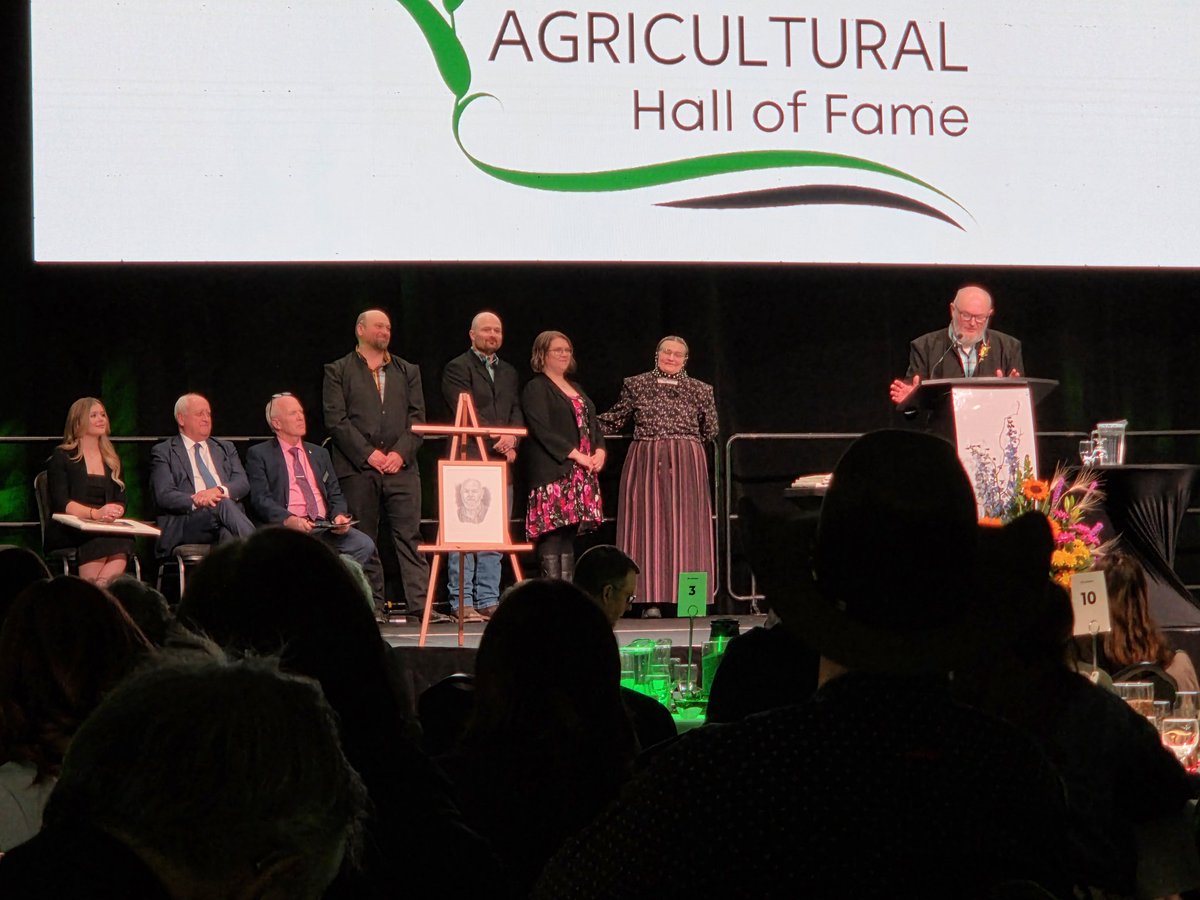
Inaugural @FarmFoodCareSK Chair Joe Kleinsasser was inducted into the Saskatchewan Agricultural of Fame. As Vice Chair of F&FC, I appreciate Joe's work to build public trust in agriculture. A well deserved award.
One of my worst case urea scenarios just happened.
India has announced a 2.5m ton urea purchase tender. Long shipment period (thru June) will help, but this is bad.
Global values had been holding back on market fundamentals. Government money just entered the chat.
...crap...
On the SaskAgToday podcast with Ryan Young: Diesel prices, a National Soil Strategy, the APAS Ag Policy Framework Summit, and more.
https://t.co/SIWapRUhMF
Ken had the opportunity to sit down with Kevin Hursh for an interview in Regina last week at Canada’s Farm Show.
They had a strong conversation around chickpeas, markets, and what Prairie growers are seeing heading into the season.
@kevinhursh1@cfsreginask
What that means for a Prairie farmer.
Typical fertilizer spending for large grain farms:
$150–$250 per acre in fertilizer inputs.
If fertilizer prices rise 25%, that means roughly, for a 3,000-acre Prairie grain farm, that could mean:
➡️ $100,000–$180,000 in extra costs.
On the SaskAgToday podcast with Ryan Young: Livestock producers needed for a USask study, previewing the SARM Annual Convention, and more.
https://t.co/S7NxAe80aN
On the SaskAgToday podcast with Ryan Young: Kevin Hursh on LDC's pea processing plant in Yorkton, Farm Credit Canada launches "Let's Grow Canada" movement, and more.
https://t.co/ImxE3QJYIR
Stat can seeded acreage report out today. Lentils down 5%, peas down 12% and canaryseed down 6-7%. Suspect reds will rise and green lentils fall.
But, this is old data and not likely really relevant due to canola rally.