Ready to learn how to use LiDAR for research in #forestry and natural resources using #R? This week I am releasing a 7-part series to help you get started! Share with anyone you know who wants to get started. Part 1 covers acquiring, & viewing LiDAR data! https://t.co/55J69efgCM
Published today in the journal Coral Reefs, a paper on how the use of multiple genetic markers and repeated sampling provides a comprehensive understanding of the diversity and ecology of coral-dinoflagellate mutualisms. https://t.co/QLXLh6FJfF
Lizard Island Research Station, one of my favorite places, is hiring two (!) co-directors to take over for Anne Hoggett and Lyle Vail, two of my favorite people. Please share with anyone who would be excellent at leading LIRS onward. https://t.co/9cbENxnxPU #bestjobever
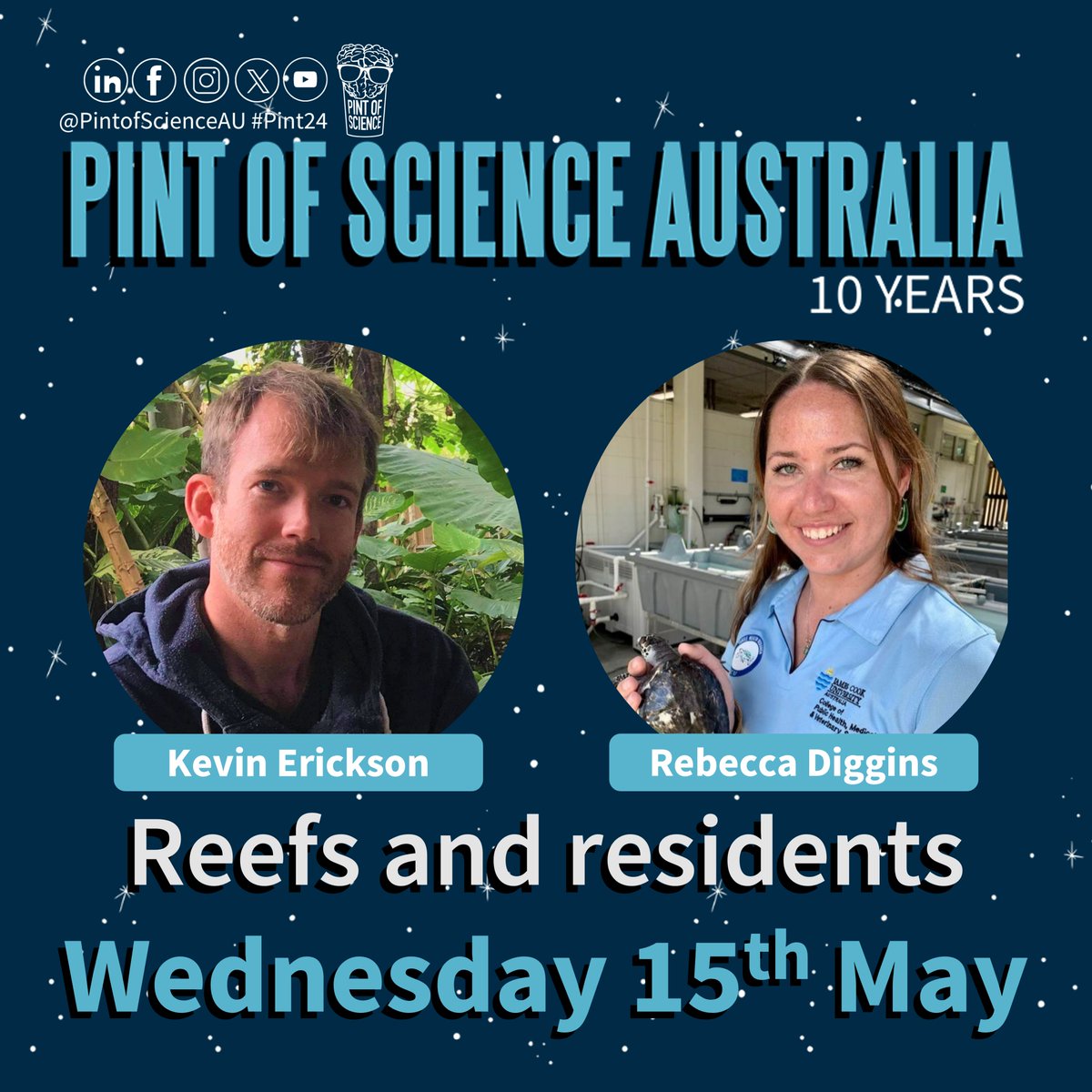
Come along to @pintofscienceAU in Townsville next week⬇️
🪸learn about out of season coral spawning in @SeaSim_AIMS (Tues 14 May)
🪸@KevinPErickson shares how we're scaling reef restoration solutions on the #GreatBarrierReef (Wed 15 May)
🎟️ https://t.co/YDexCA7aGH
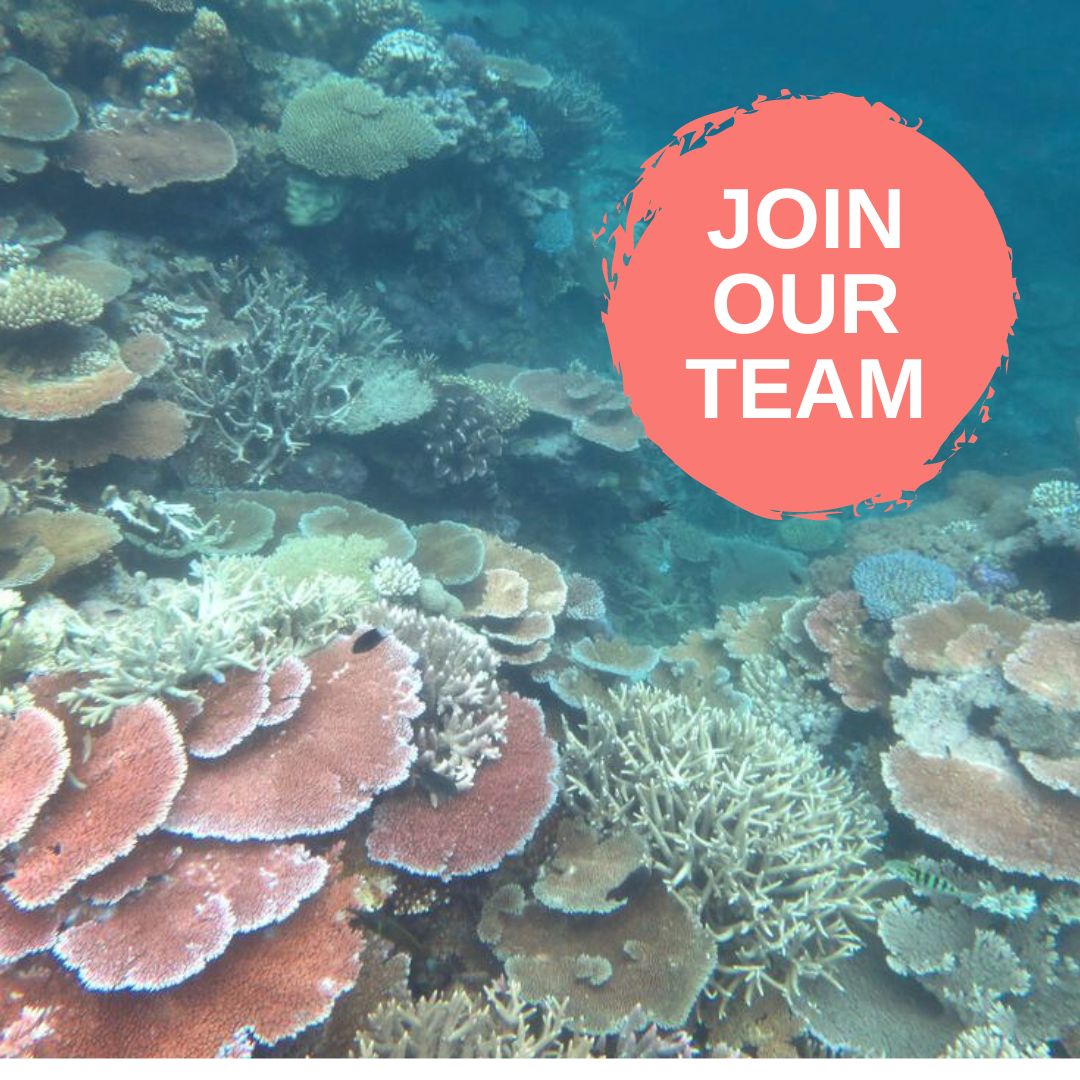
Come work with us @aims_gov_au in our Reef Recovery, Adaptation and Restoration Program. We have two permanent positions available: 1) Aquaculture Geneticist and 2) Evolutionary Modeller. Please share! https://t.co/aOwpa6XSPx
The first aerial orthomosaics from the northern GBR during the 2024 mass coral bleaching event are up online:
https://t.co/2oTNEIiijL
Images are open-source to encourage resurveys and time series analysis of > 1 million georeferenced bleached corals (1/n)
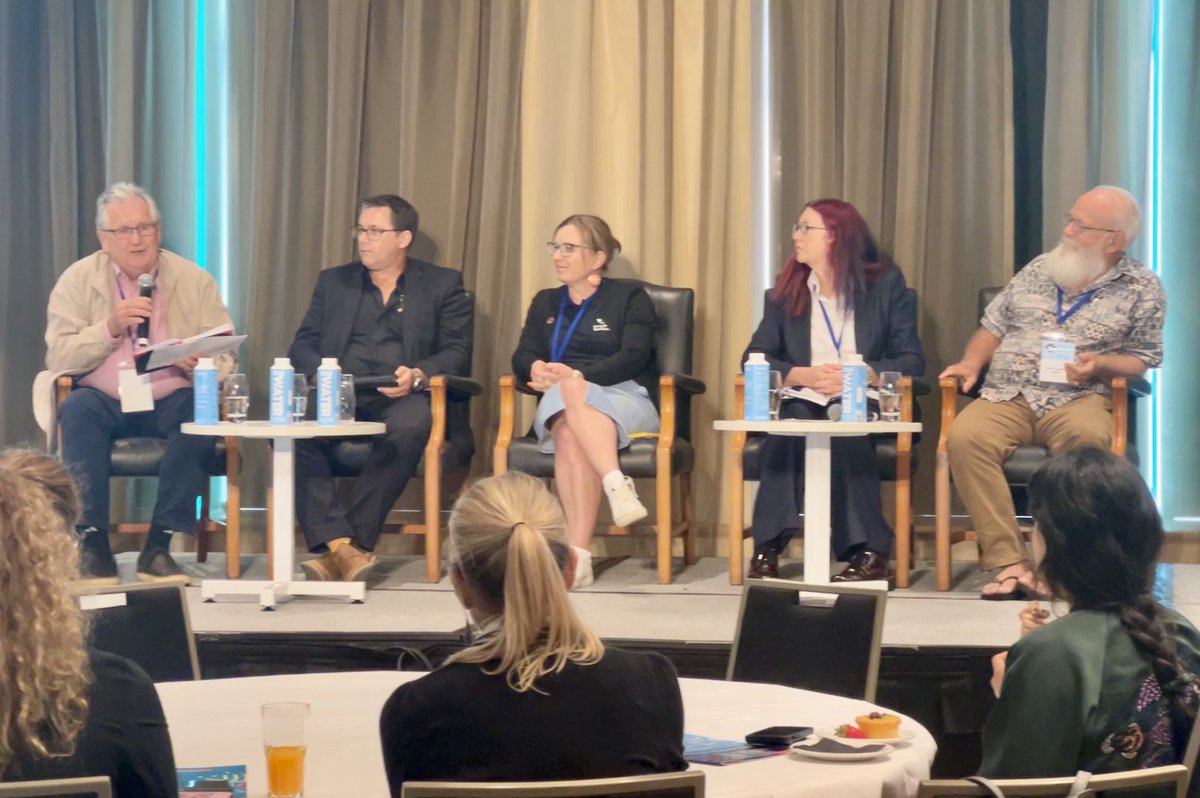
Final day of the #Reefresilience2024 symposium:
➡️Keynote from @DrCarlyRandall about coral seeding
➡️Plenary from David Mead + @LineKBay looking at the past, present and future of #RRAP.
Other great sessions from AIMS scientists sharing their research & science innovation.
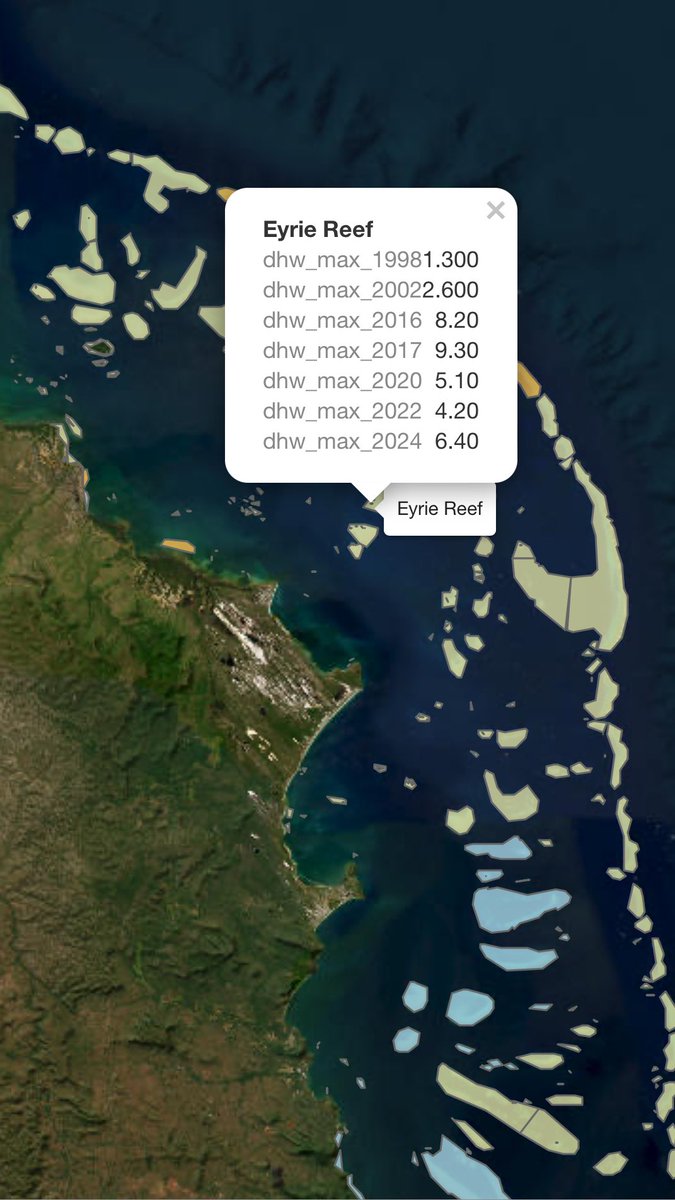
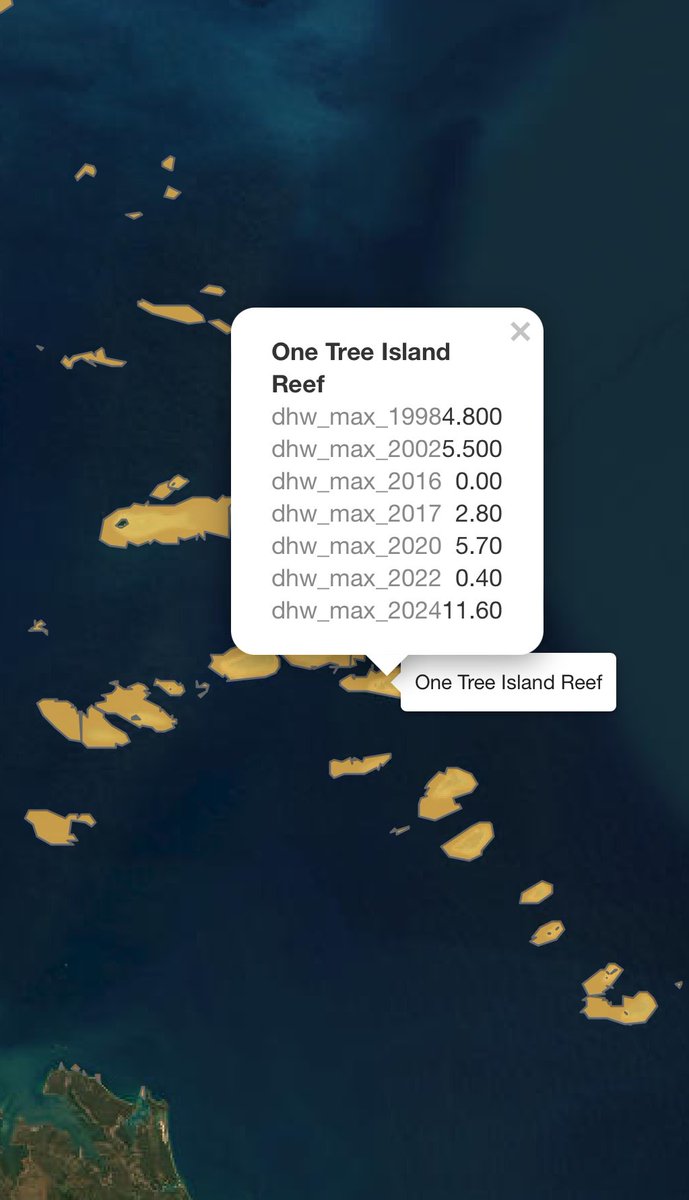
Interactive spatial maps of the 2024 mass coral bleaching event on the Great Barrier Reef: track patterns of thermal exposure (DHW) for any reef on the GBR:
https://t.co/XVPqnObsGh
2024 Great Barrier Reef bleaching summary now available: https://t.co/dozHwAGO8i
- Fifth mass bleaching event on the Great Barrier Reef since 2016
-Very high (60-90% cover bleached) and extreme (>90%) prevalence of coral bleaching in all three regions of the Great Barrier Reef
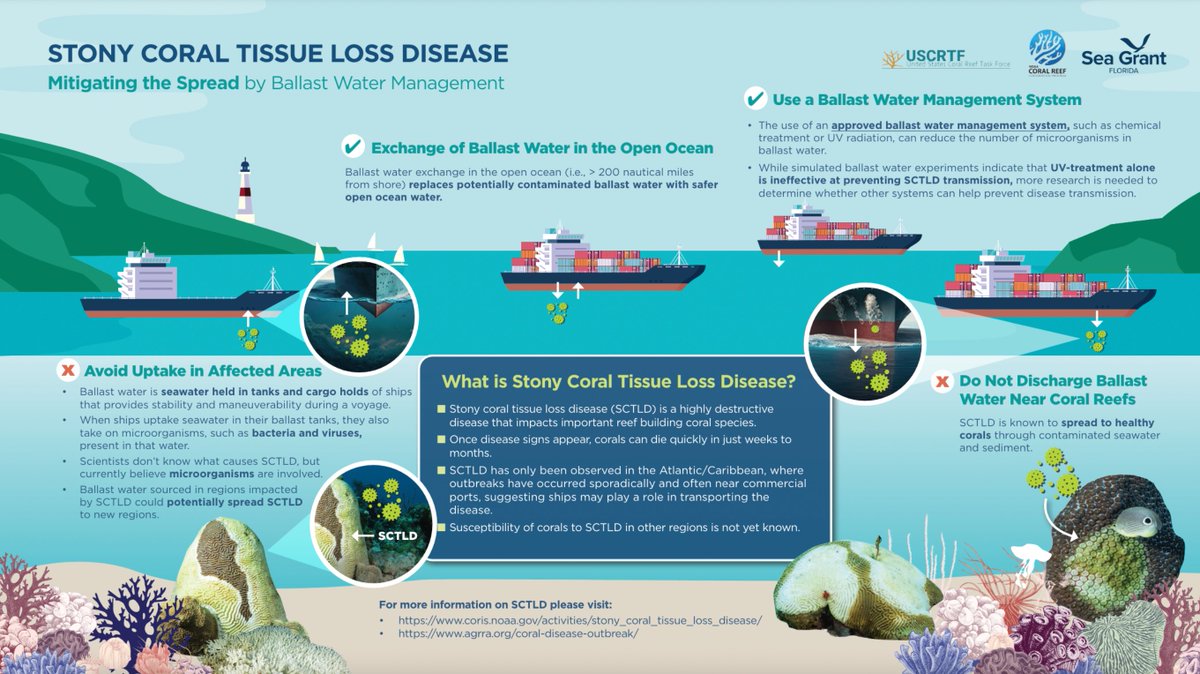
A new infographic from @FloridaSeaGrant explains how Stony Coral Tissue Loss Disease (SCTLD) can spread and steps that can be taken to reduce the risk. #SCTLD has led to major declines in coral cover and continues to spread rapidly.
Learn more: https://t.co/aLFt5zY1pj
The 2024 mass coral bleaching event on the Great Barrier Reef in numbers (preliminary analysis):
- 46% of reefs experienced record high DHW
- new record of 17.7 DHW from the southern GBR
- 37% of the GBR has been exposed to three or more >6DHW events in the past decade
(1/n)
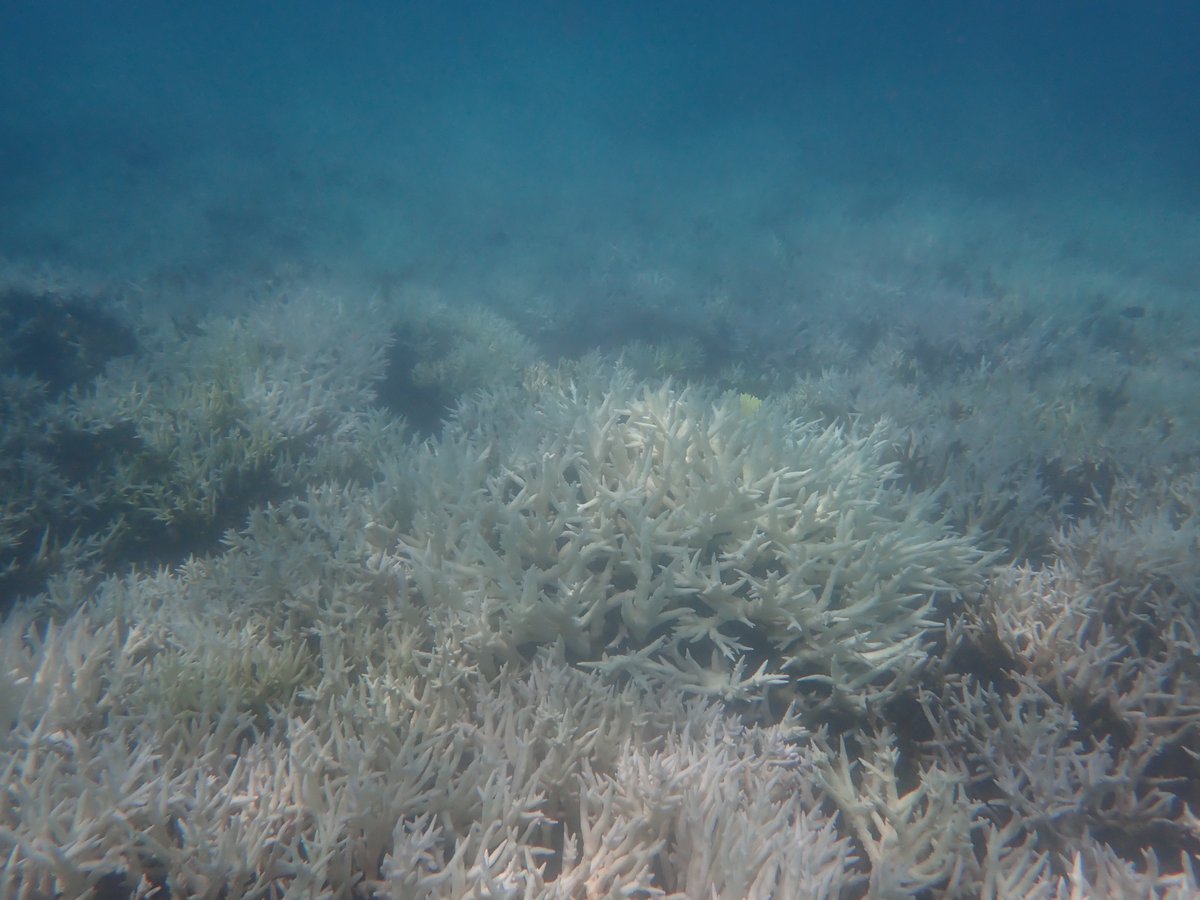
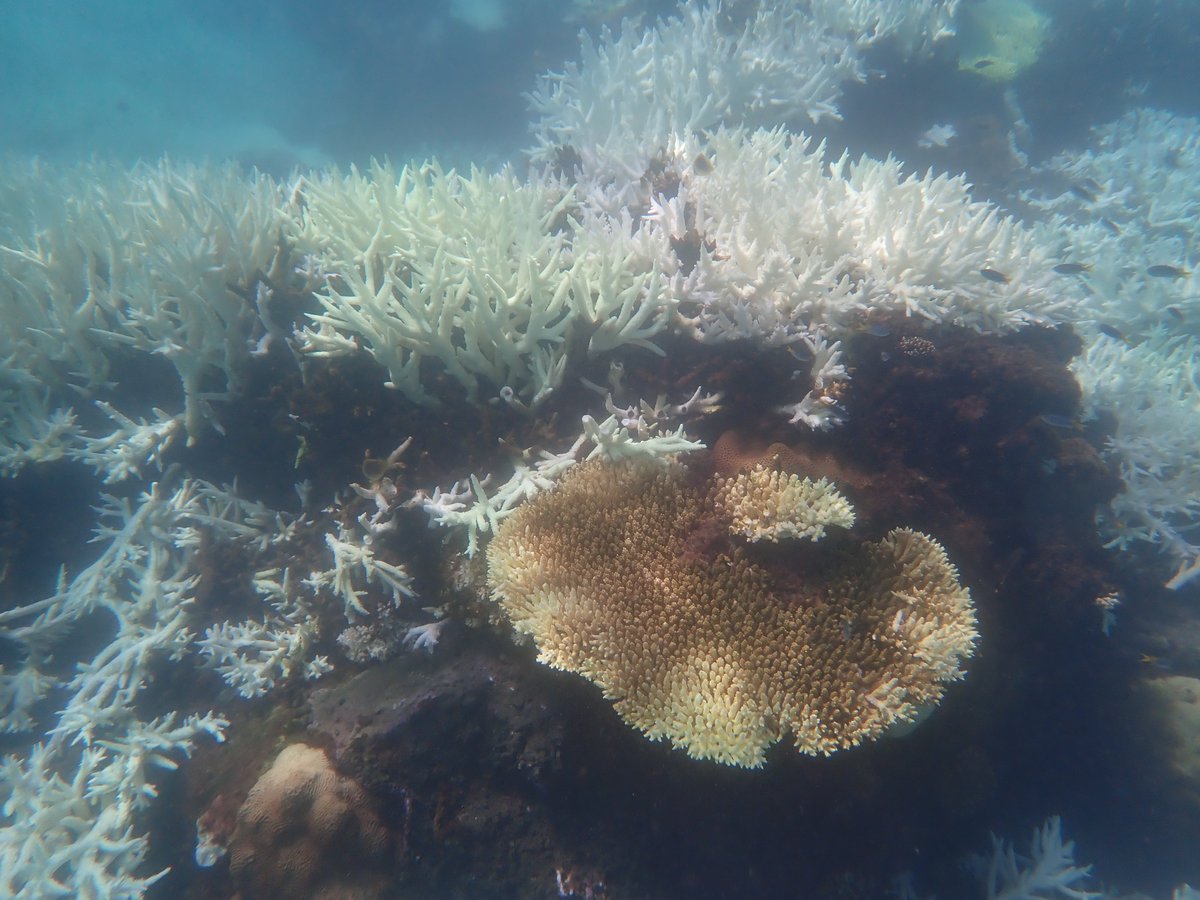
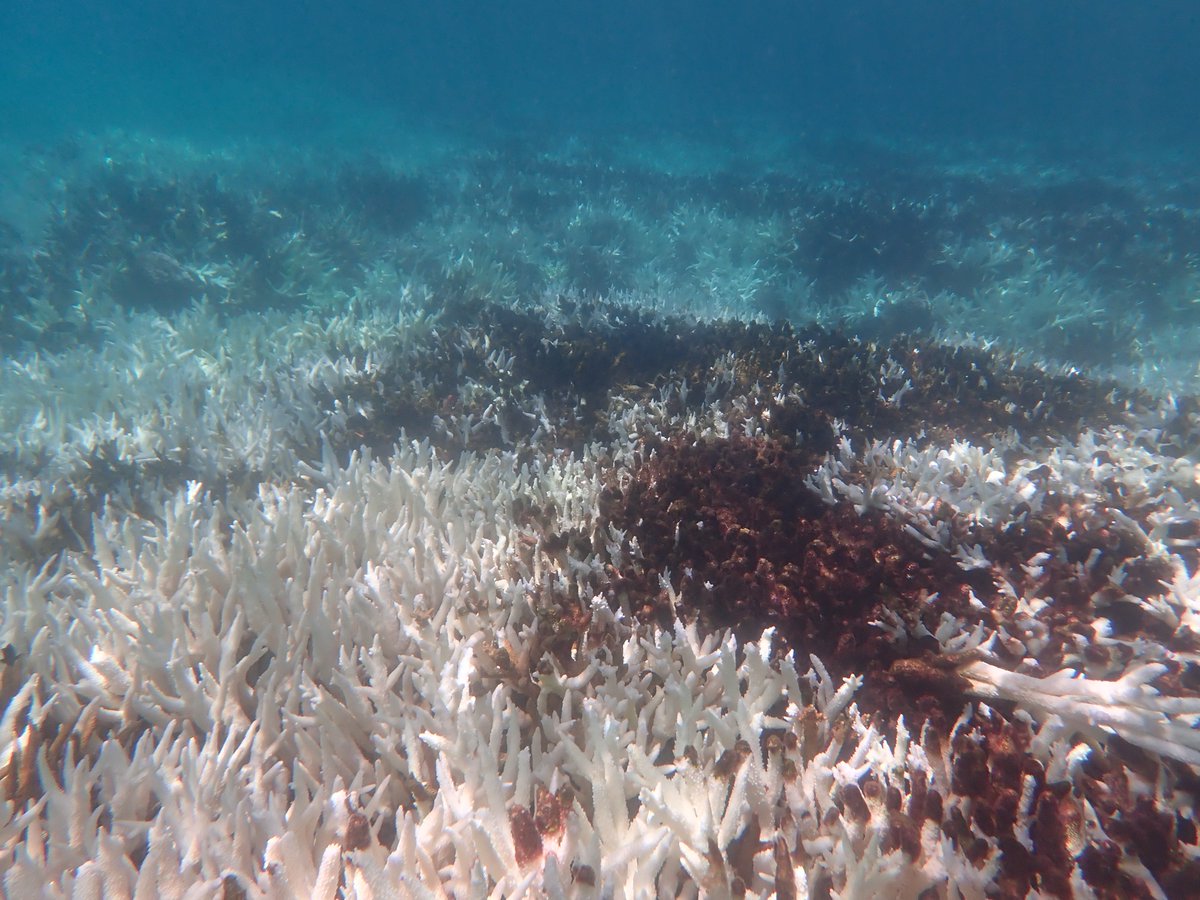
Record heat and extreme temperature anomalies have led to severe coral bleaching in Woppaburra sea Country. I felt devastated getting in the water. Some mortality (not quantified yet) was also visible.
The heat wave is subsiding now - we hope these resilient reefs can recover.
To address the climate crisis, we need to know how people's capacity to adapt is affected by shocks. In our study of #reef#tourism, we show that specific aspects of adaptive capacity (assets/flexibility) can decline rapidly.
➡️Read the full paper here!: https://t.co/Qs5yAKMg5A