Kalo mo ngetes seberapa paham dengan ilmu ghoib (ekonomi moneter) bisa tonton video Pak Perry ngajar saat beliau masih Deputi Gubernur berikut ini
Kalo bisa paham 10% aja materi yang beliau sampaikan udah boleh lah dikit2 ngeklaim tau ilmu ghoib
Apa pula itu BGG (Bernanke, Gertler, Gilchrist), New Keynesian DSGE (Dynamic Stochastic General Equilibrium), Model Collateral Constraints Theory-nya Kiyotaki-Moore😵💫
Nonton ini = humbling experience
Minimal 21 kali ejakulasi per bulan menurunkan risiko kanker prostat hingga 31% lebih rendah pada laki-laki.
Ejakulasi meliputi saat berhubungan intim, mimpi basah, dan masturb*s*
Rutin ejakulasi diduga membantu mengeluarkan zat-zat yang memicu terjadinya kanker prostat.
Semoga bermanfat!
Sumber Ilmiah:
Ejaculation Frequency and Risk of Prostate Cancer: Updated Results with an Additional Decade of Follow-up
Bearish on the Indonesian Rupiah with expectations for the government to hit or even surpass the 3% fiscal deficit this year, even with measures to reduce spending on flagship programs (per Goldman Sachs Research)
The resignation of Bank Indonesia Governor Perry Warjiyo two years before the end of his term is one of the most consequential economic developments Indonesia has seen in recent years. Leadership changes at a central bank are always important, but an unexpected resignation during a period of macroeconomic stress carries much greater significance because it introduces uncertainty at a time when markets value stability the most. The government has stated that Perry resigned for personal reasons, and Senior Deputy Governor Destry Damayanti has been appointed as acting governor while the formal succession process takes place.
For financial markets, however, the immediate question is not why Perry resigned. The more important question is what comes next.
Indonesia is currently facing a challenging macroeconomic backdrop. The rupiah has been under pressure, Bank Indonesia has raised interest rates several times in recent months to defend currency stability, and investors are already closely watching fiscal developments and policy credibility. Against that backdrop, any uncertainty surrounding the leadership of the central bank naturally becomes a key market focus.
The credibility of a central bank rests on three pillars: independence, predictability and consistency. Markets can adapt to higher interest rates, lower interest rates or even unexpected policy moves, provided they believe decisions are made independently and with a clear commitment to price and financial stability. What markets dislike most is uncertainty about the future policy framework.
This means the appointment of Perry Warjiyo's permanent successor may ultimately matter more than the resignation itself. Investors will closely assess whether the new governor is perceived as an experienced central banker committed to Bank Indonesia's mandate, or whether the appointment raises broader questions about institutional independence. The market reaction will therefore depend less on personalities and more on confidence in the policy framework that follows.
It is also important to remember that Bank Indonesia is an institution rather than a single individual. Monetary policy is formulated through the Board of Governors, operational frameworks remain in place, and Destry Damayanti's appointment as acting governor provides continuity during the transition. That institutional continuity should help reduce the risk of immediate policy disruption.
Ultimately, this is a moment when communication becomes as important as policy itself. Clear guidance on the succession process, reaffirmation of Bank Indonesia's commitment to its inflation and currency stability mandate, and continuity in policymaking will be essential to maintaining investor confidence. Leadership changes are manageable; what markets will be watching is whether Indonesia's monetary policy credibility remains just as strong after the transition as it was before.
Dapat ingfo sejarah menarik..
Ternyata dari seluruh Gubernur BI, mulai dari tahun 1958 sampai sekarang.
TIDAK ADA GUBERNUR BI YANG MENGUNDURKAN DIRI KECUALI DUA ORANG
- Budiono (karena mau jadi Cawapres)
- Perry Warjiyo (alasan pribadi)
Hanya Perry yang mundur karena alasan pribadi.
Bahkan Gubernur BI saat krisis ekonomi 1966 (Teuku Jusuf Dalam) dan krisis ekonomi 1997 (S. Djiwandono)
Sama sekali tidak mundur.
Ada apa ini?
Lama-kelamaan pasar bisa membaca mundurnya gubernur BI ini sebagai intervensi dari pemerintah.
FOTO 1: Budiono (WIKIMEDIA)
FOTO 2: Teuku Jusuf Muda Dalam (Wikimedia)
FOTO 3: S. Djiwandono (WIKIMEDIA)
Coba tanya AI kapan terakhir kalo Gubernur BI mengundurkan diri?
Terakhir itu pak Boediono karena jadi Wapres.
Selain itu gak ada cuy yg mau mengundurkan diri.
Rusak emang Wowo
After months of not writing, I’m finally back writing about something I really love: Coal.
This time, I’ll be teaming up with @notintofinance
Will be publishing it soon 😁
The engineer who built Claude Code just dropped a 28-minute video on how to write prompts that actually work.
I've seen $300 courses that don't cover what he shows in the first 10 minutes.
CLAUDE.md files, memory shortcuts, parallel sessions, prompting patterns.
Watch it, then read the guide below on the Claude features 99% of users never find.
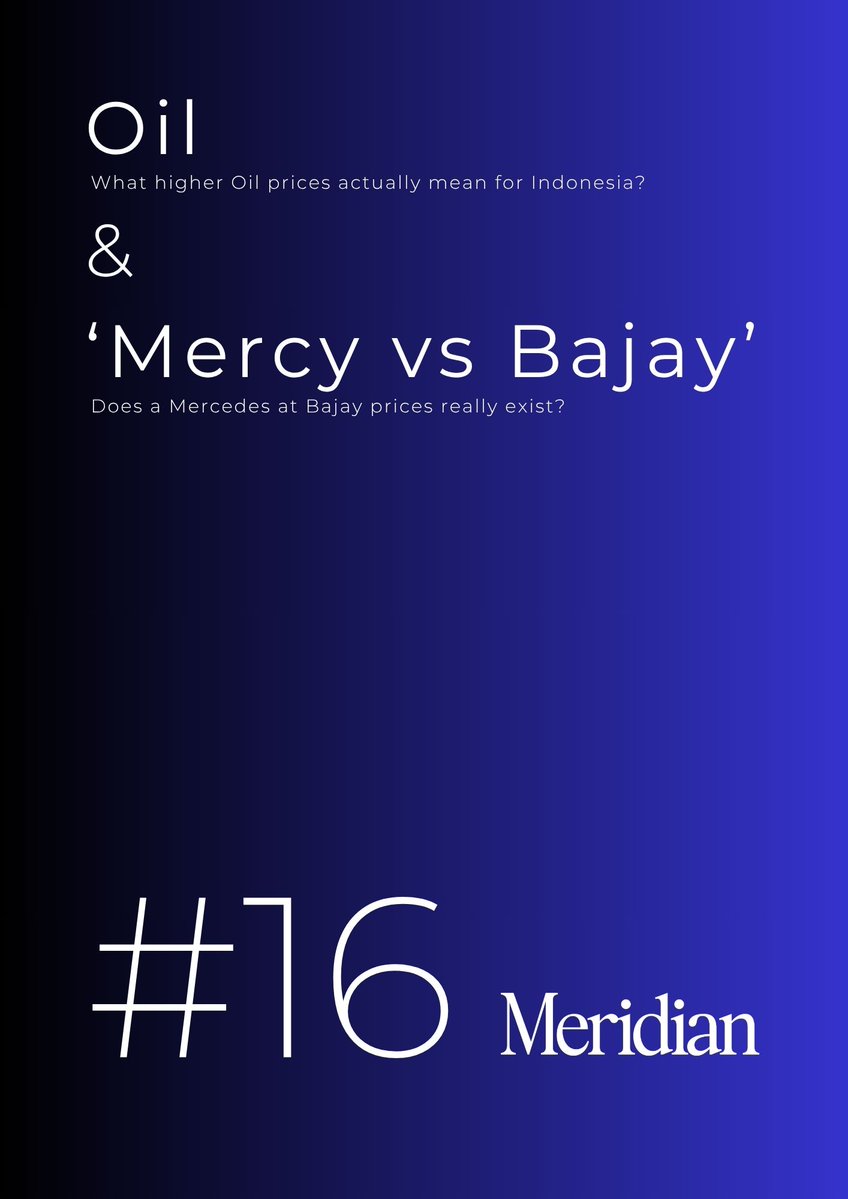
Meridian Letter #16 is here.
This week, we explore what's really keeping Oil products expensive even as crude swings, and whether "buying cheap" actually pays off in the market.
We break down why Indonesia's fuel bill has outrun the Oil price itself, with Crude, Gasoline, and Diesel import costs up 98.9%, 70.5%, and 89.7% respectively, and trace it back to lost refining capacity that SPR releases can't fix.
On the valuation side, we test a simple question with GICS-based EV/IC data, do companies bought "cheap" actually outperform? The answer challenges a principle most investors take for granted.
Read the full letter through the link in our bio!
#MeridianResearch
Gw sampai sekarang belum pernah baca research report dari analyst tentang bandar atau broksum, kenapa ? ya karena itu ilmu halu.
Tapi kok banyak retail yang pake ? karena gampang dibegoin.
Coba lu dateng ke nasabah institusi pake analisa broksum, baru sampai pintu udah disuruh keluar lu WKWKWK.
My personal mid year reflection...
The market only buy one thesis and one thesis only, the rest are noise.
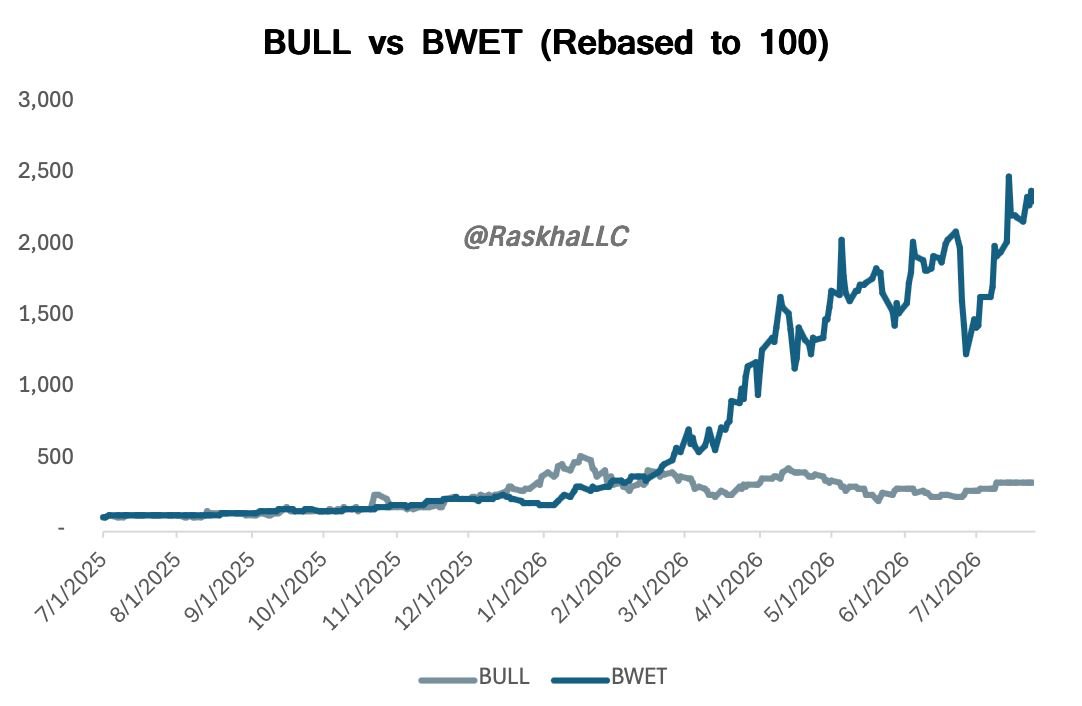
This is probably one of the most important thing that I learn about the market this year...a painful one to say the least. Late last year up until earlier this year, I held a position in BULL IJ with 3 rationale backing up my confidence, namely:
1) Strategic partner to help the company perform a once in a lifetime turnaround.
2) Structural for O&G and LNG tanker rates due to the hormuz crisis.
3) Re-rating on the back of massive earnings improvements and structural change in the shipping industry.
I thought that those 3 thesis are strong enough thesis to allow BULL perform well this year, just like other shipping names in the global markets that shared the same industry and earnings improvement thesis such as STNG US, as well as direct proxy of tanker rates like BWET US.
But, I was wrong...and it got me thinking, where did I go wrong? My model checks out...global listed shipping names are performing, why is my position performing?