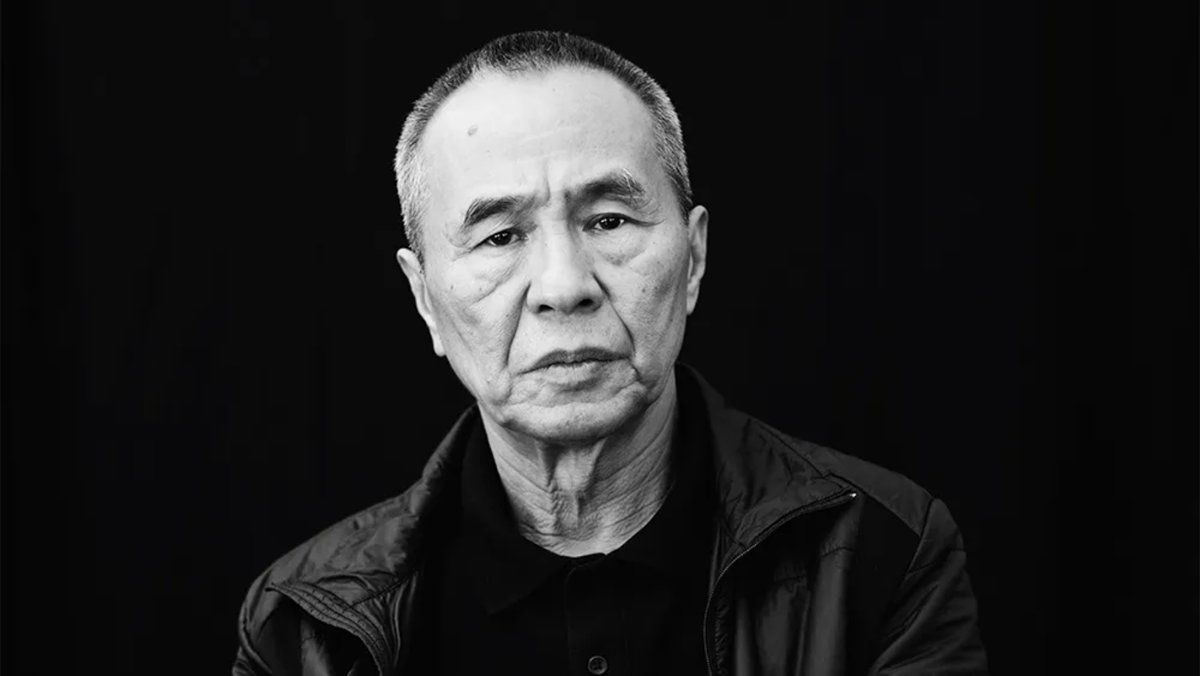
Breaking News: Marjane Satrapi, the Iranian-French author whose graphic novel series “Persepolis” illuminated the struggles of Iranians during the Islamic Revolution, died at 56. https://t.co/WQWxavBm5l
@dandarling You should check out Josiah Hawthorne’s thread on what was said at the funeral. Christianity is being invoked to fuel the flames of American exceptionalism, and I can’t imagine any of that “taming the passions of those involved in politics”.
https://t.co/ck4S4N4S0K
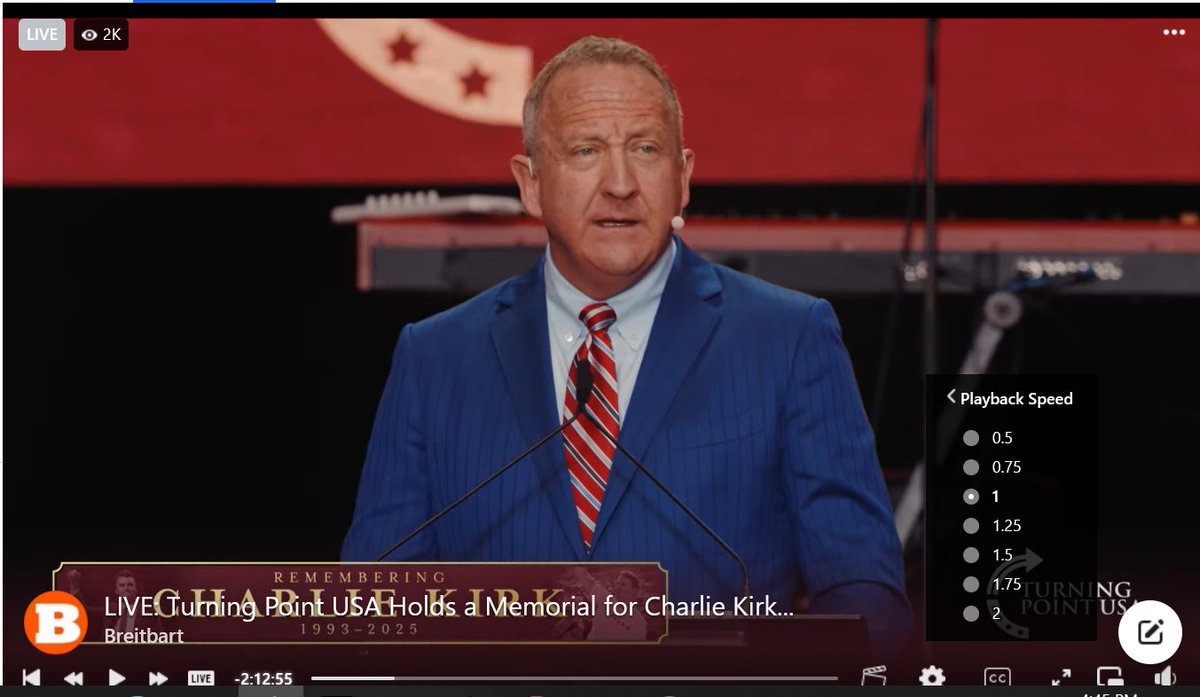
"You see, Charlie looked at politics as an on-ramp to Jesus. He knew if he'd get all of you rowing in the streams of liberty, you'd come to its source, and that's the Lord."
--Rob McCoy, Kirk's pastor
I'm not sure how to interpret this, but at first glance this is concerning.
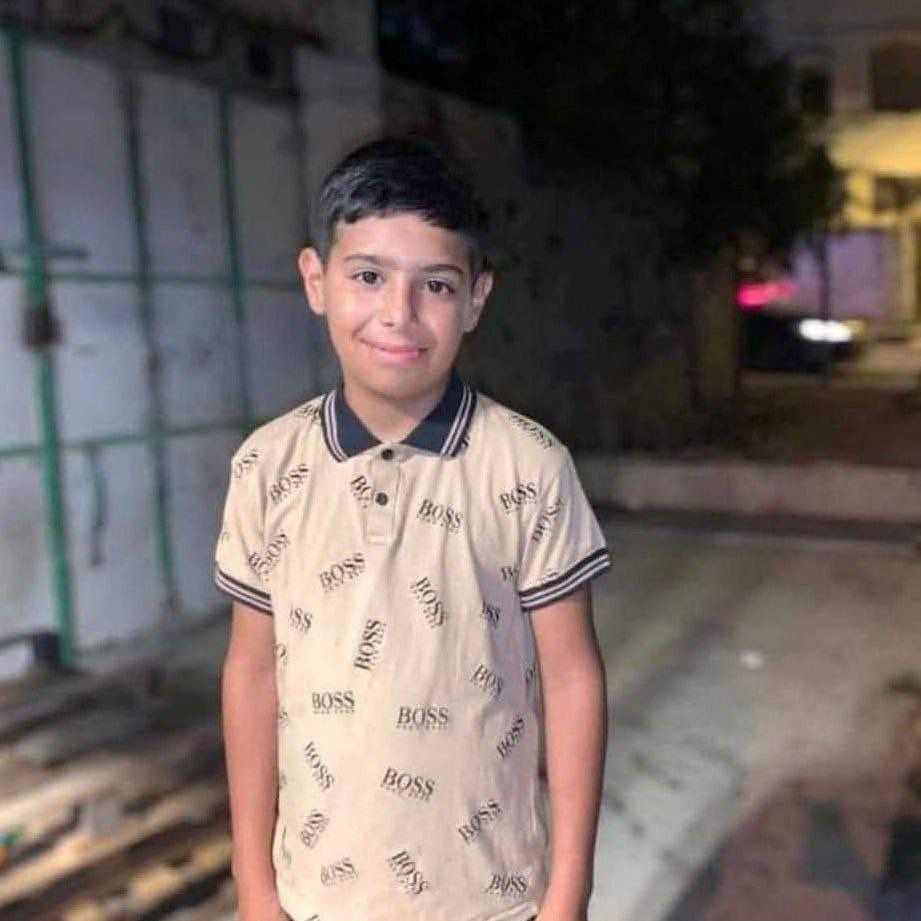
Though he was only 10, Saddam Hussein Iyad Rajab was the man of the house.
He worked on the streets of Tulkarm, in the Israeli-occupied West Bank, selling bottles of water, lighters, and other small items to passing cars. Whatever he earned he gave to his family, save the money he would donate to Gaza, usually one to two shekels per day, and even more on Fridays.
Saddam’s parents were divorced. His disabled father often relied on Saddam to help take care of him. In late January, when Israel launched an unprecedented takeover of Tulkarm’s refugee camps, Saddam went to go care for his dad. Shortly before evening prayer, he left his father’s home.
What happened next was captured in CCTV video almost every Palestinian in the West Bank has watched.
Saddam is walking on the sidewalk when he is hit by a bullet in the chest. He collapses to the ground, clutching his heart, screaming in pain, rolling over, then lying still as the call to prayer starts.
Israeli soldiers delayed the ambulance trying to reach him, locals told me. By the time he arrived at the hospital, another soldier prevented his entry for 15 minutes, stripping him of his blanket and gauze “to make sure he was not a terrorist.”
Doctors did what they could, but the damage was severe. He was transferred to a hospital in Nablus, and then Ramallah.
“I saw my son looking like a 40-year-old man,” his mother Duaa told me. If he lived, doctors said he would need constant care.
Nine days after Saddam was shot, Duaa asked God to give her son whatever was best and keep him from suffering. The next night, her brother came to her. “You said you wanted Saddam to get rest,” he told her. “He is resting now.”
For days, Duaa couldn’t bring herself to watch the video. She finally saw it while scrolling Facebook and fainted.
She and Saddam’s father were summoned by the Israeli DCO for questioning. They were interrogated separately for hours. “They were trying to accuse him of terrorism,” Duaa said. “I told them, no, I have video of your people shooting him directly.” They got angry, she said, and demanded the videos from her.
The owner of the shop who captured the viral footage was also detained for hours and beaten, locals told me, and had his shop destroyed.
“They said they were opening a file,” Duaa said. If the case proceeds to court, an officer told her he would reach out. That was the last she heard from the Israelis, she said.
Initially, the IDF claimed that Israeli soldiers believed Sadam was “messing with the ground” in a suspicious way, and that was why he was shot. The military police told Haaretz it was investigating the incident. Israeli investigations into such claims almost always end the same way: no wrongdoing.
Since Saddam passed, Duaa has dreamed about him three times.
The first time, Saddam was wearing the shirt he was killed in. She hugged him, crying. “I’m always next to you,” Saddam told her. “I can always see you and be next to you, even if you can’t feel I’m there.”
In another, Saddam was riding the yellow bike he loved. Duaa chastised him for playing with it too much, telling him she would throw it out. He told her not to. “Give it to my friend Omar instead,” he said. Duaa thought it was a message from Saddam and gifted the bike away the next day.
In the last, Saddam was sitting with his siblings watching TV, one hand around his 3-year-old brother Momen. Maybe Saddam was missing his brother, Duaa told me.
At Saddam’s funeral, his sister Raghad went to the male side of the mosque so she could see him. After he was buried, she slept next to his grave.
Saddam worked too much, his sisters Raghad and Rahaf told me. They wished they had more time with him.
They like to remember him happy, eating his favorite foods like maklooba, stuffed grape leaves, Nabulsi kunafe and qatayef. He liked to play video games. He loved the yellow bike he bought himself three months before he was killed, the one he “didn’t get to enjoy enough.”
In a time when young people need hope and inspiration, PBS LearningMedia delivers ✨
Let’s protect the public media resources that empower the next generation of change-makers. Visit https://t.co/F9WVZcSI7L and call Congress, today.
@sammisilber Heartened seeing them claw their way back in the third - haven't seen a game like that from them in a while, where they can show their grit. Always fun watching them go full Cardiac Caps mode!
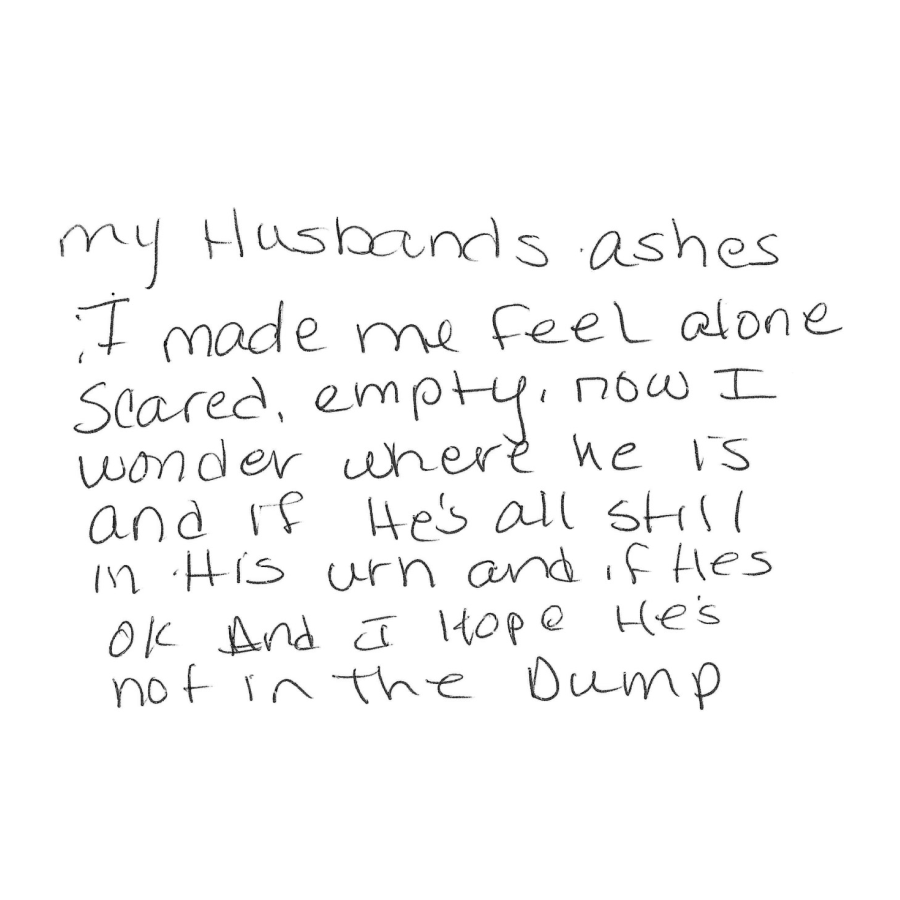
ProPublica spoke with 135 people who had experienced "sweeps" of homeless encampments. We also distributed notecards so people could write about it in their own words.
In Portland, Teresa Stratton told us her husband’s ashes were taken in a removal: https://t.co/vW7wamq6WK