Important marine identification tools, including #KBAs, must be used to inform Environmentally or Biologically Significant Marine Areas (EBSAs): special portions of the ocean that hold crucial value for the health of marine ecosystems and the planet's biodiversity under the CBD.
10 years ago, a common goal brought us together. 🌱🤝
💡Now, a decade later, the KBA Partnership has identified +16,600 sites, helping countries deliver effective conservation and achieve international agreements like the KMGBF.
��️ https://t.co/Gmt81tOu6r
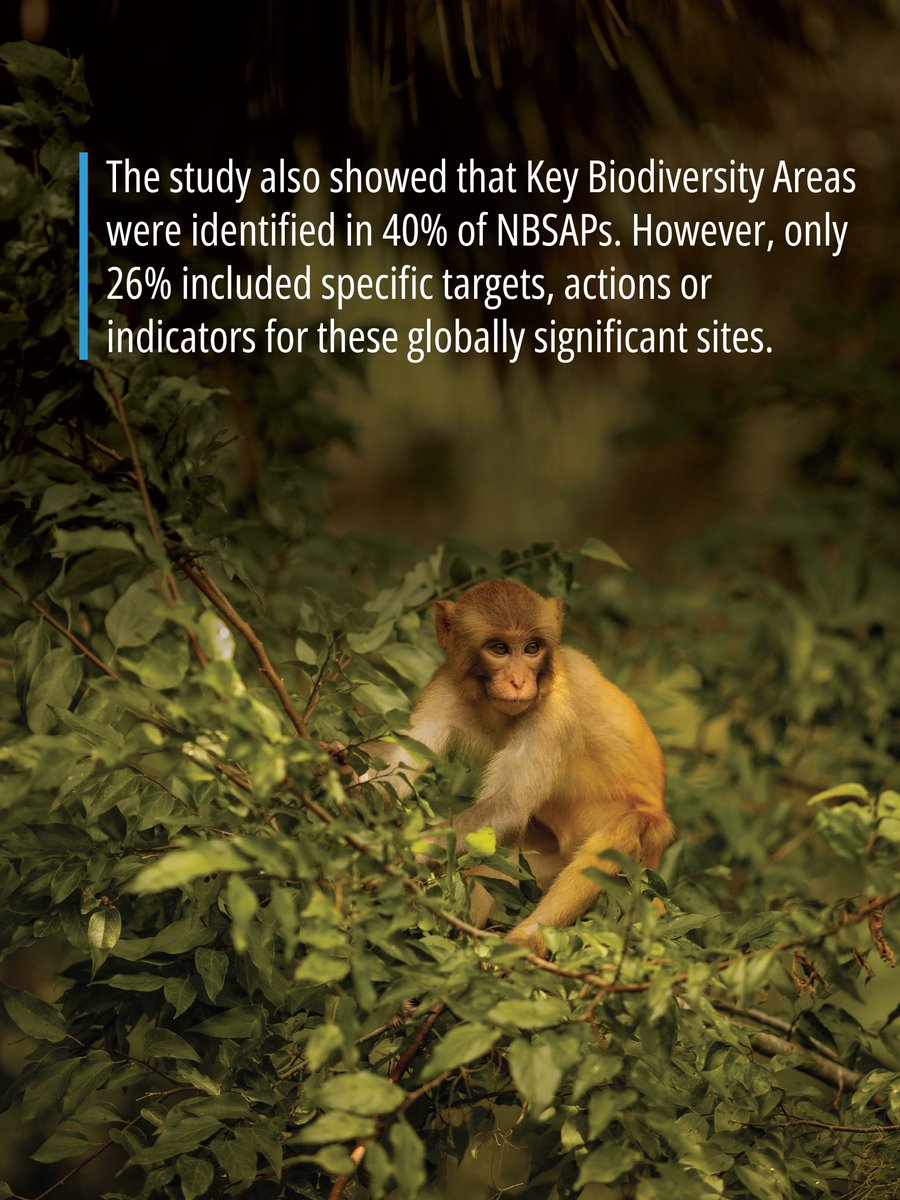
📢 Fresh off the press | 💡 A new analysis of national biodiversity plans from 150 countries under the #KMGBF reveals a gap in defining, prioritising, and safeguarding Earth’s most vital ecosystems before the 2030 deadline. 🌏
📰 Discover more: https://t.co/6a1CDV4gv0
📢 We're excited to kick off our @COP17_Arm2026 journey!
Follow us over the next few days as we share more information about key events, important discussions, and exciting updates from CBD COP 17 in Armenia.
#KBAs#COP17Armenia#BiodiversityAction
📊16,634 sites–including 106 new sites in Antarctica and the High Seas–and a total of 17,740 qualifying species are some of the highlights of the latest WDKBA update.
📰 Discover more highlights: https://t.co/QAxkWMZwtf
🔗 Explore the KBA Dashboard: https://t.co/3svrNR115b
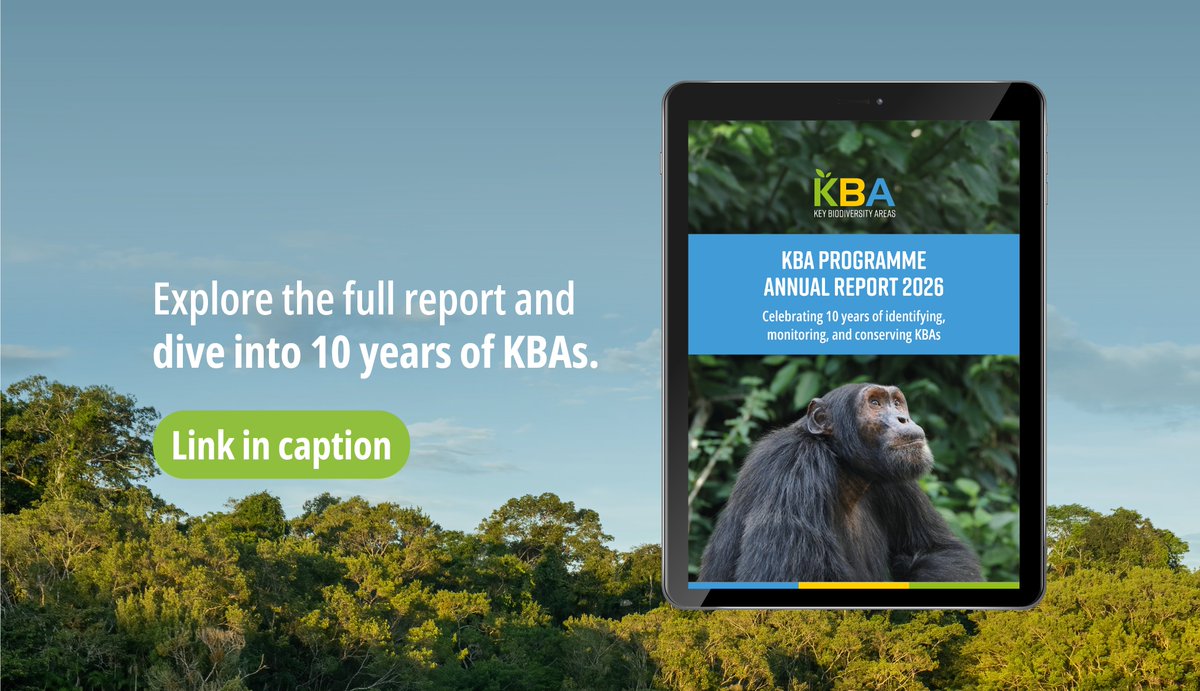
📢 OUT NOW: The KBA Programme Annual Report 2026! 🌍📊
Celebrating 10 years since the publication of the Global KBA Standard, this landmark report highlights a decade of science, policy integration, and site-level protection worldwide.
🔗 https://t.co/mNBo29ghlw
#KBAs#30x30
🌿 The new KBA Monitoring Platform is now available through the World Database of Key Biodiversity Areas (WDKBA), helping users track the state of biodiversity, pressures on sites, and conservation responses over time.
Discover more: https://t.co/kVee0mzVoC
Explore KBA data with our enhanced Site and Map Search!🔍
📍Search KBAs by name or ID
🗺️Alternate between topographic and satellite map
➡️Swap between Site and Map tools without losing filters
📄Access site factsheets—now with a map view available
💻 https://t.co/ngUkdkyQmI
Trees are essential for life on Earth.🌳🌍
💡 The Alliance for Zero Extinction (AZE) is dedicated to safeguarding the Earth's most irreplaceable trees, unique species whose presence has helped qualify countless KBAs.
👉 Discover more: https://t.co/WGkGjkD1DB
#WorldTreeDay
💡 📢 Free online course: Using KBAs to Improve Implementation of the KMGBF
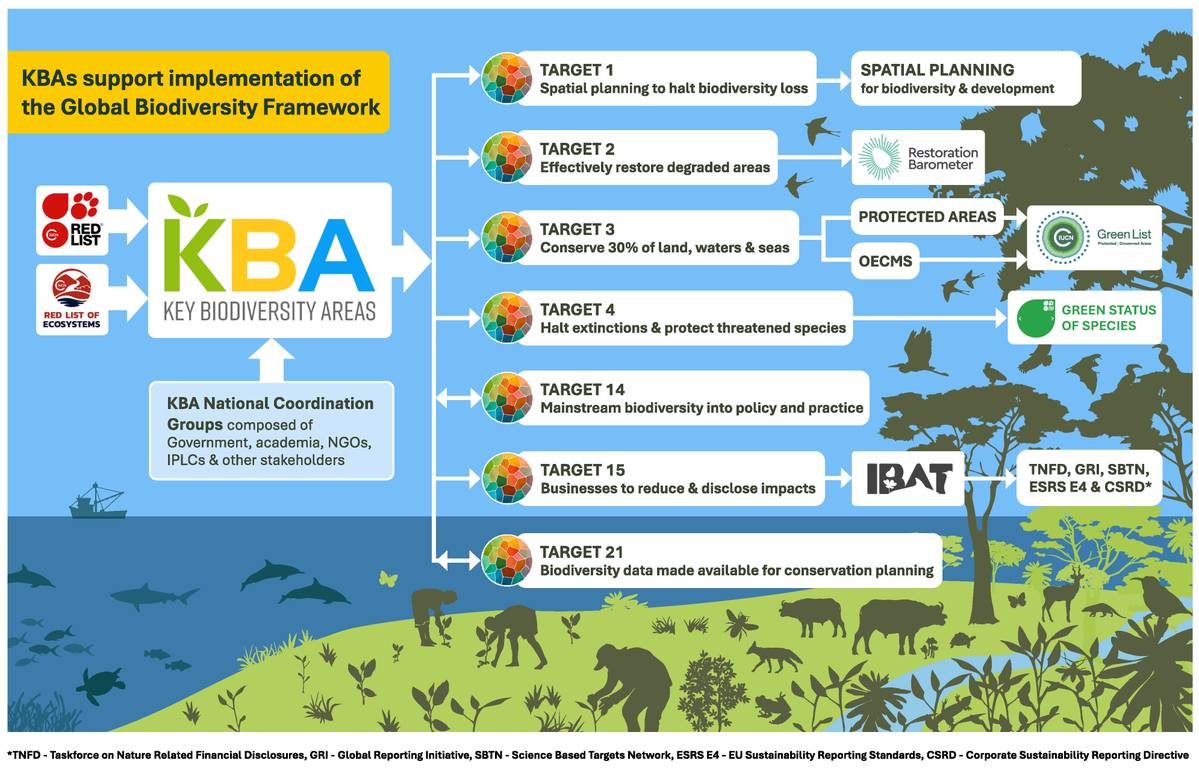
➡️ You will learn how integrating KBAs into national planning can help countries deliver on six priority KMGBF targets and much more!
Enrol today: https://t.co/FP2AO3Fz9h
The KBA Community: Giving voice to the most critical sites
By joining our community, you will be part of a vibrant network of committed conservationists who are actively contributing to the identification of KBAs worldwide.
Join our community today: 🌐 https://t.co/wk1JzQz4zX
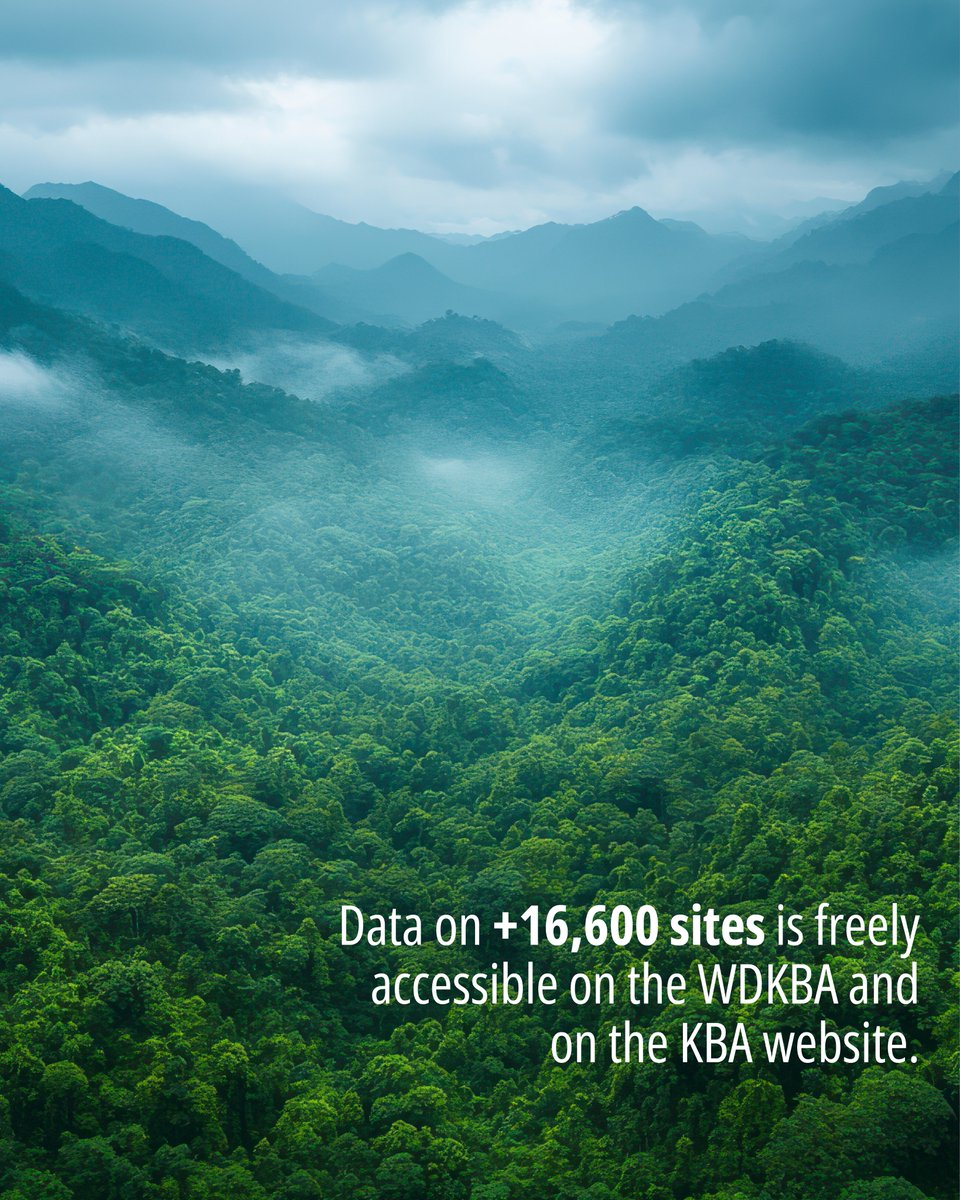
The World Database of KBAs provides freely accessible data on +16,600 sites identified to date. This makes KBAs a useful and accessible tool for governments and conservation organisations to identify priority areas for conservation and guide the expansion of protected areas.
#KBAs serve as a foundational dataset for systematic conservation planning 🌱
They help guide where national efforts should be focused and contribute especially to the #KMGBF Targets 1 (spatial planning), 2 (restoration), and 3 (30X30 planning).
#LocalAction#ForNature
This #BiodiversityDay, we celebrate Panama's commitment to protect its key places for biodiversity! 🌿
By starting its national KBA assessment, Panama will help identify the sites that are most important for the persistence of species and ecosystems.🐦
🌐https://t.co/gsa94GBETH
To identify the key places for nature, we work closely with national and local governments, conservation organisations, and local groups.🌿
🤝Together, we aim to expand their KBA networks, ensuring conservation actions informed by the best available science and local knowledge.
🚨 BIG NEWS
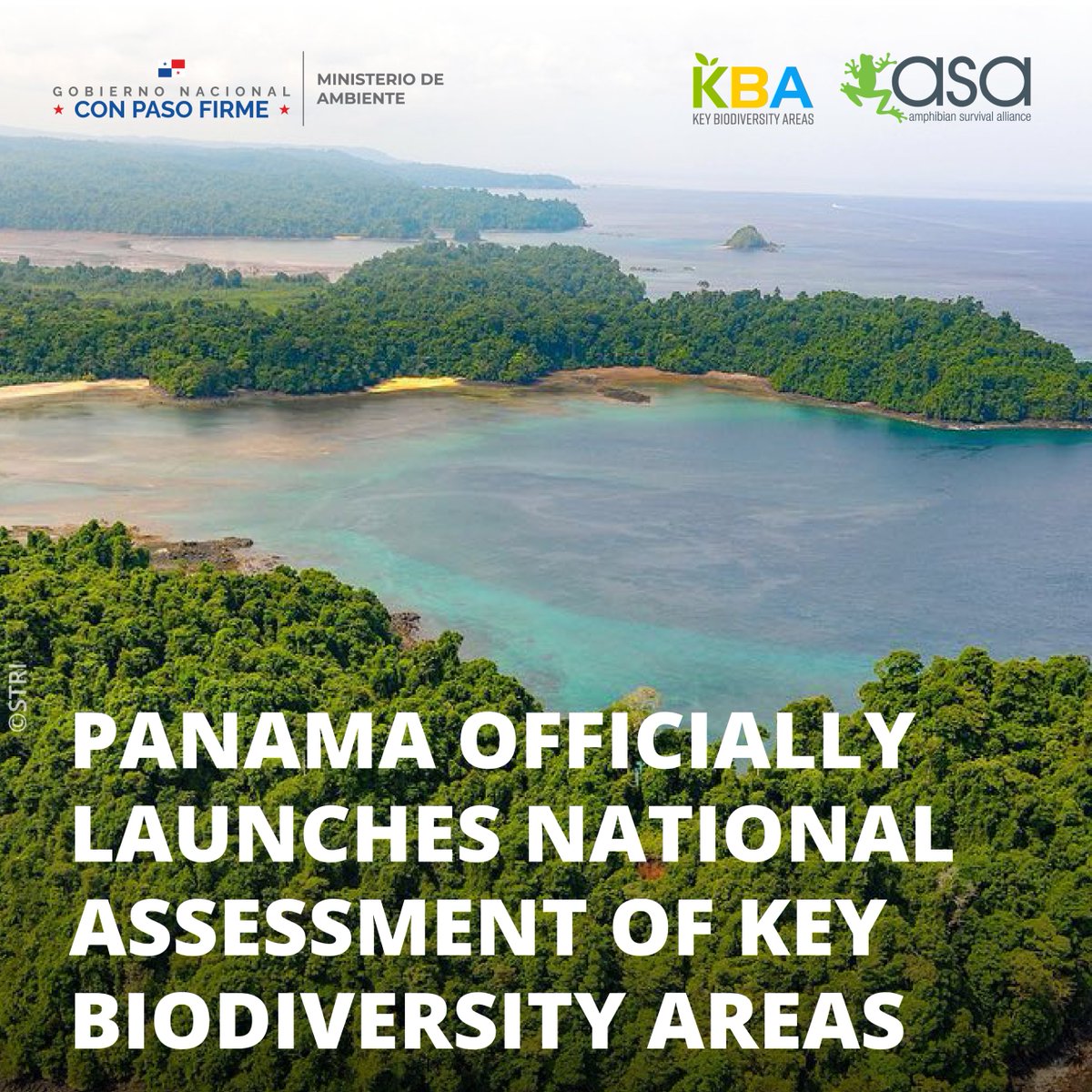
Panama launches its National Key Biodiversity Areas (KBAs) Assessment.
The @MiAmbientePma and the @KeyBiodiversity Partnership, with support from the @amphibiansorg, have signed an MoU today to launch the National KBA Assessment.
Read more: https://t.co/376JdCwZsh
🌍 Global goals. Local action. Shared future.
The implementation of the Global Biodiversity Framework happens on the ground, through the actions of people everywhere.
This #BiodiversityDay, discover how local initiatives are shaping global impact.
#KMGBF@UNBiodiversity
Why does biodiversity matter?
Because without it, we wouldn’t have clean air, water or food — and it also plays a role in our wellbeing
As #BiodiversityDay approaches, it’s a reminder that this is about everyday life 🌍
Why does biodiversity matter? 🌍
Because without it, we wouldn’t have clean air, water or food — and it also plays a role in our wellbeing.
As #BiodiversityDay approaches, explore how you can take action #ForNature ⤵️
https://t.co/XXR8sDuQT0
The KBA Community: Giving voice to the most critical sites 🌎🌿
By joining our community, you will be part of a vibrant network of committed conservationists who are actively helping identify KBAs worldwide.
Join us today: 🌐 https://t.co/8SriBndkSN
📸 Ludawig Akwana/Pexels