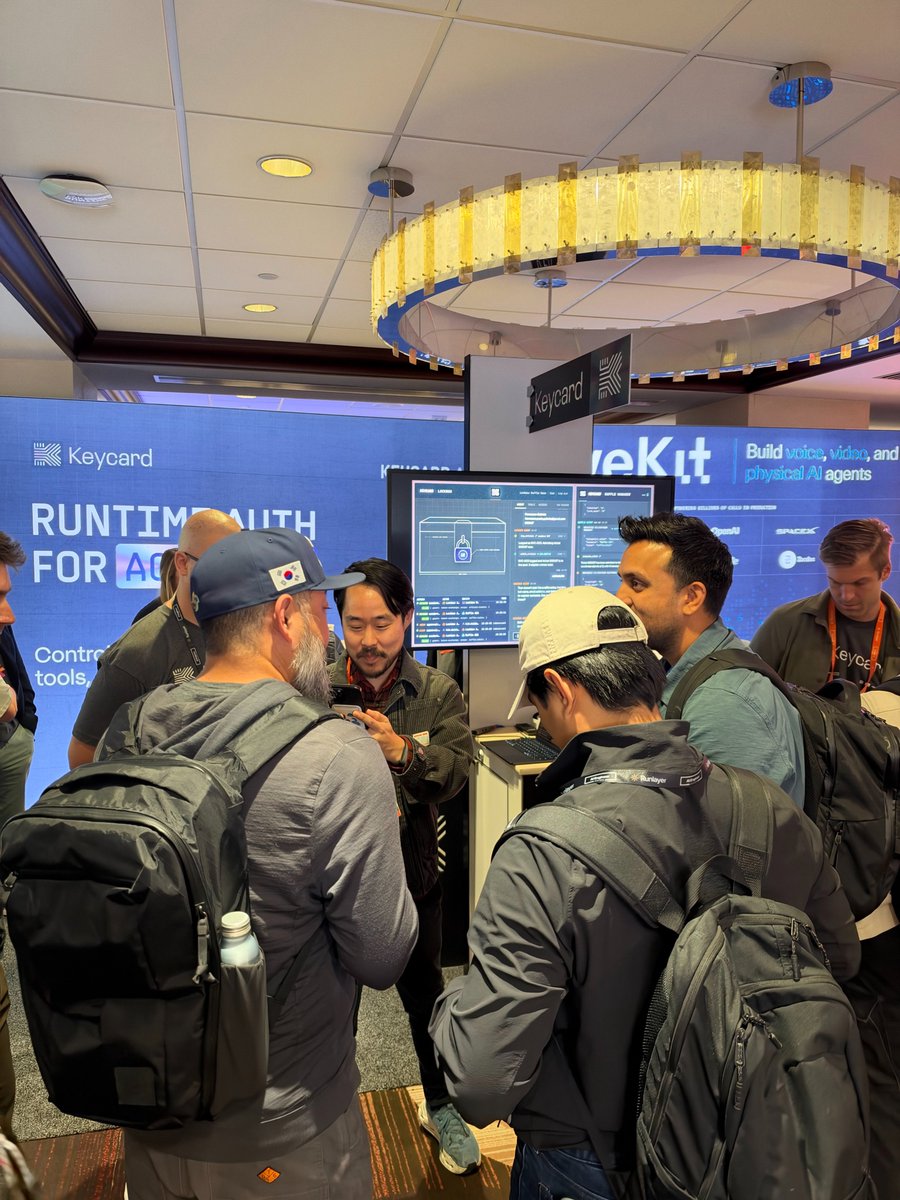
It was great to see so many folks interested in agentic runtime security yesterday at AARM Intercept Night.
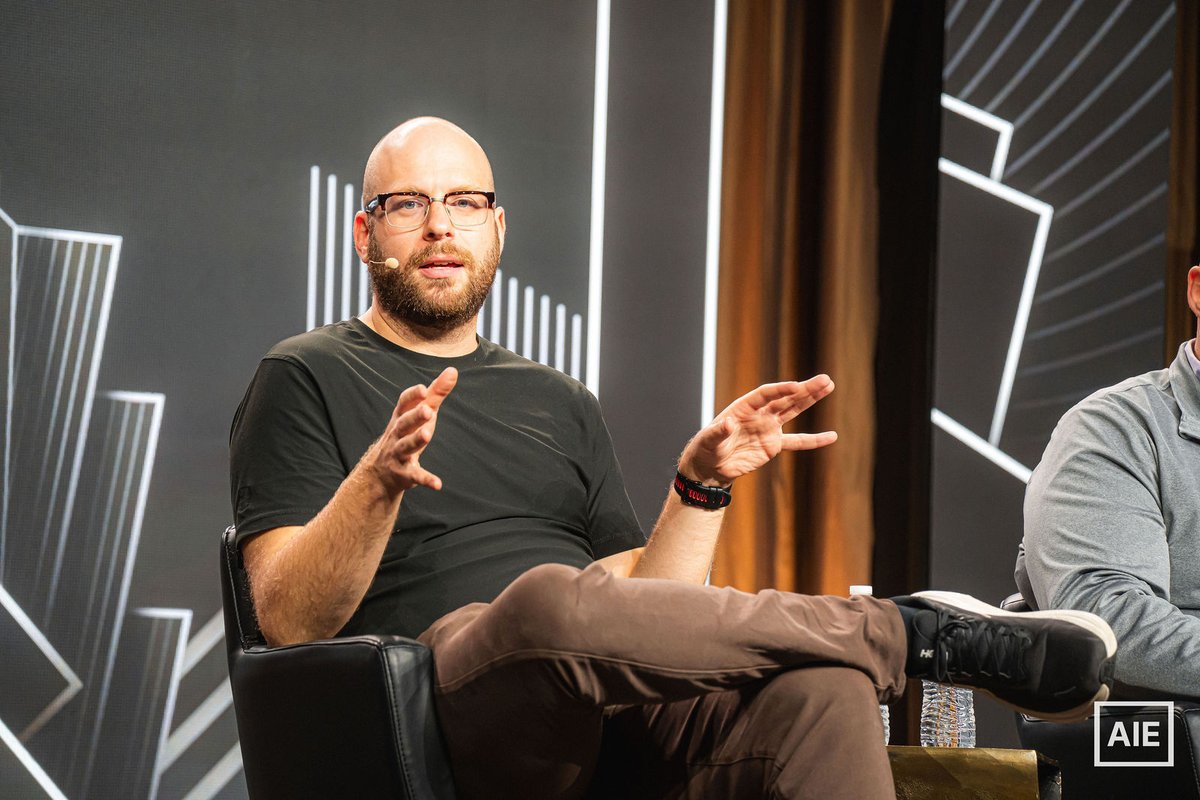
@jaredhanson@jankytweet@DickHardt gave a panel on Intent Based Auth
and @filearts demo'd intent based auth in Keycard!
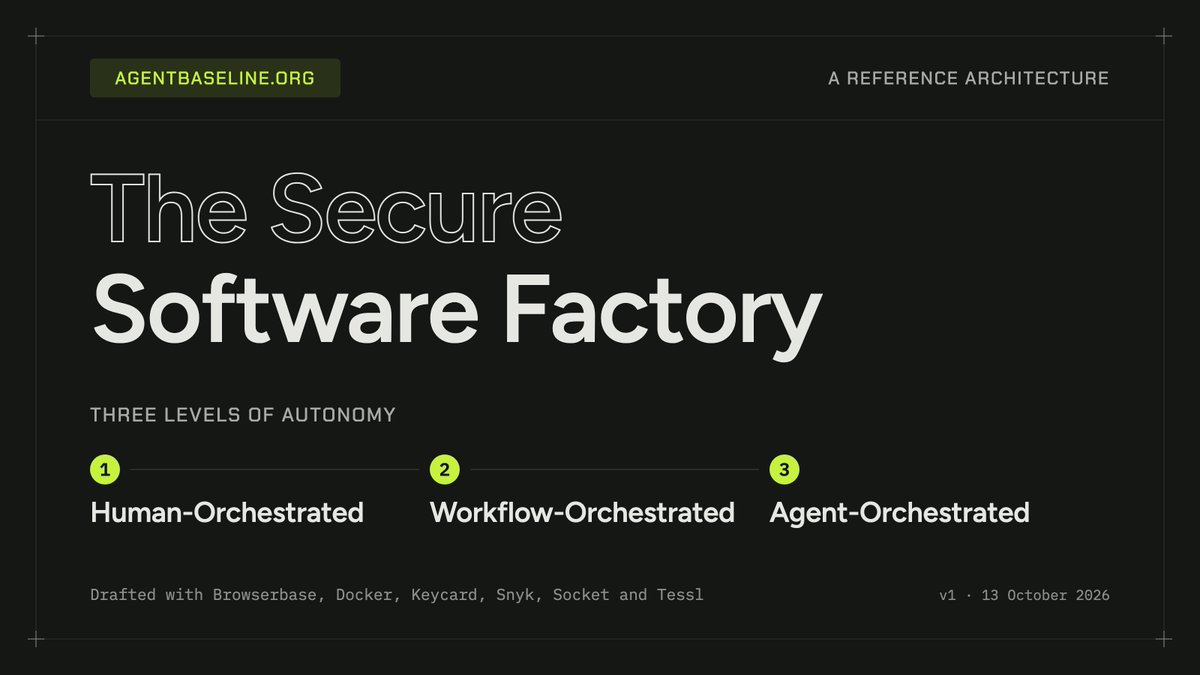
Read more about the Secure Software Factory reference architecture, in partnership with @Docker, @SocketSecurity, and others as part of Agent Baseline: https://t.co/otFcaVgWin
Your best coding agent lives on one developer’s laptop. A software factory is when the whole team can share and learn from it.
Here’s how to get there: https://t.co/hzoZ67m2y5
Our panel on Intent Based Auth @aiDotEngineer NYC is LIVE on YouTube
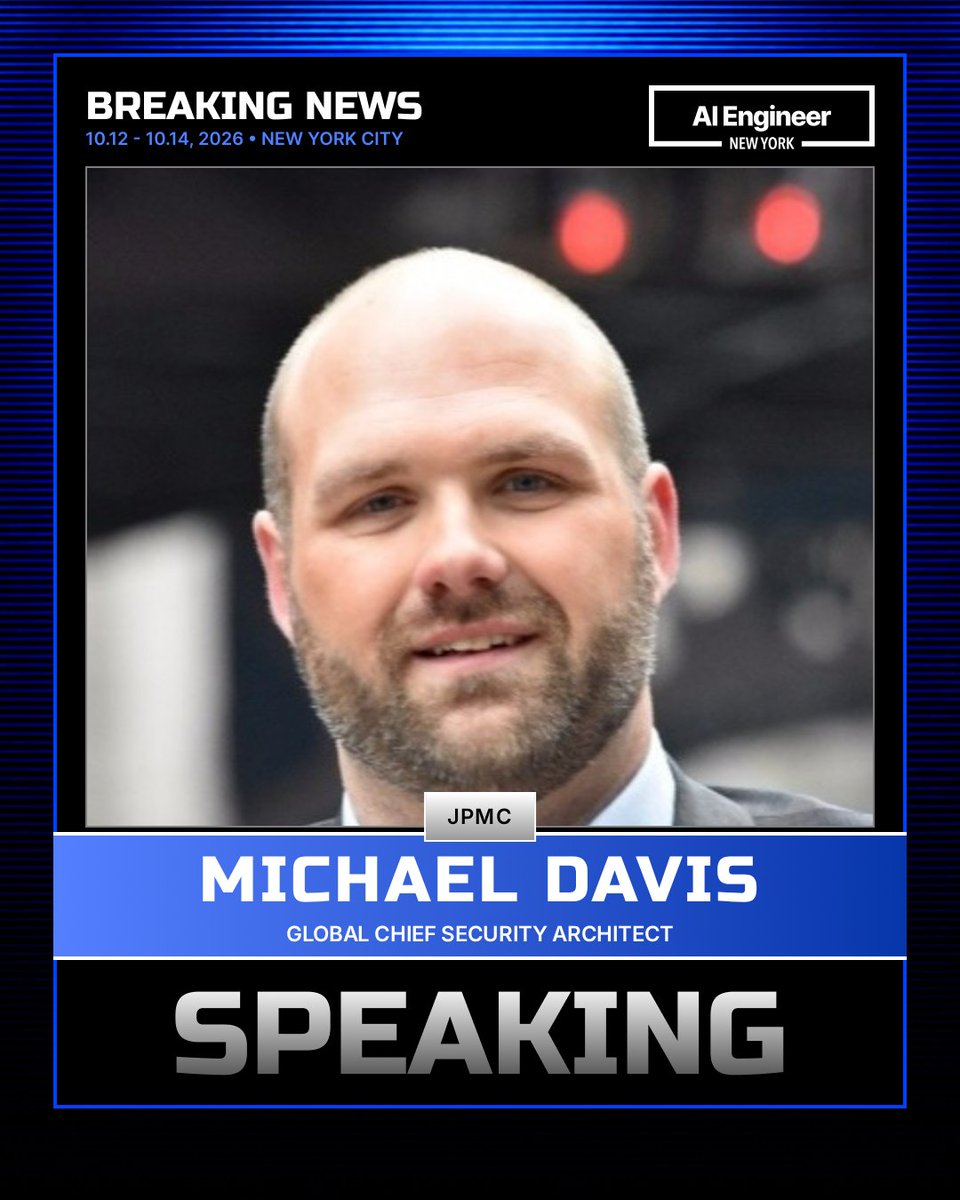
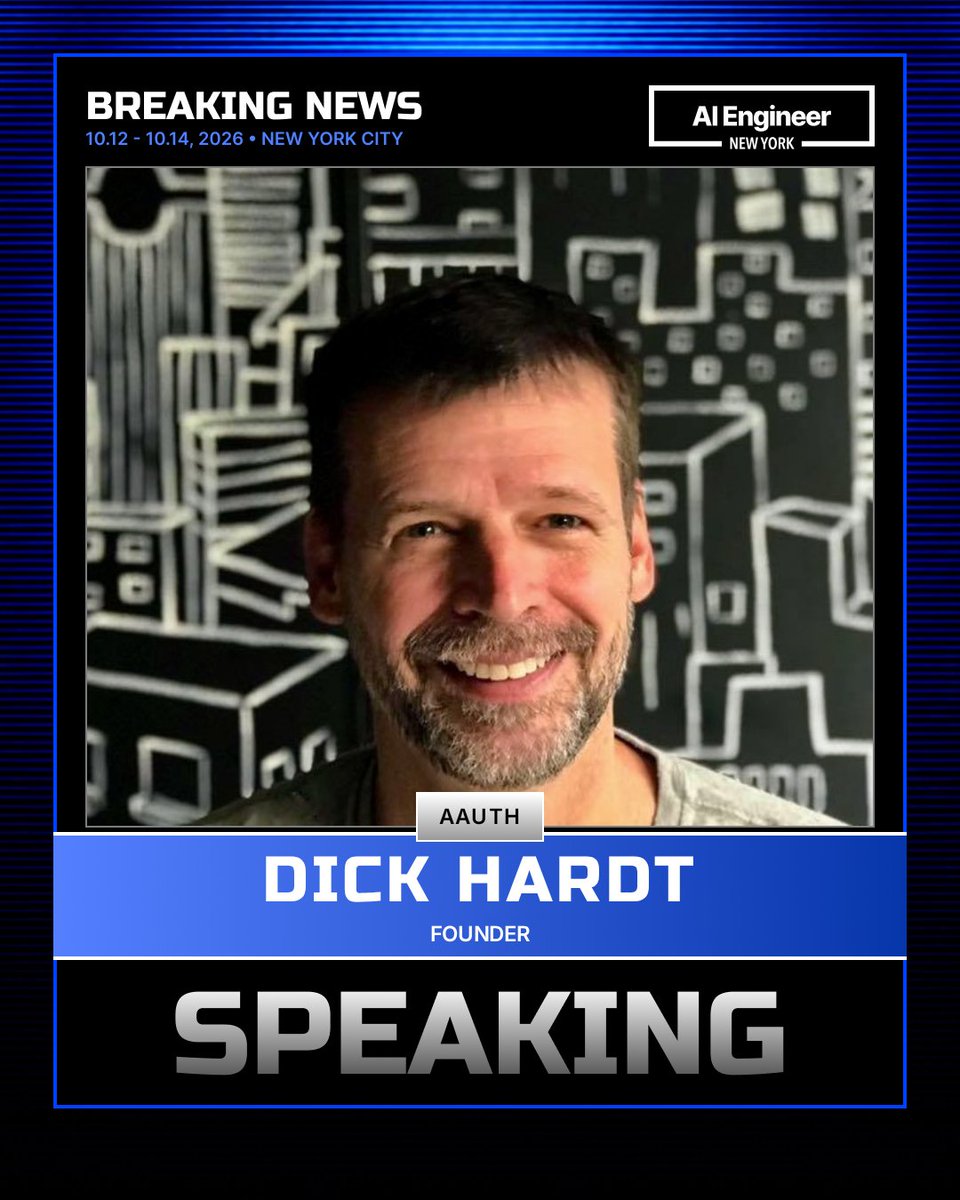
@ianlivingstone CEO Keycard, Michael Davis Global Chief Security Architect @jpmorgan, and @DickHardt Founder of AAuth discuss why we must have runtime auth for agents based on intent.
Today we're publishing the first draft of the Agent Baseline Software Factory Reference Architecture!
An opinionated blueprint for securing increasingly autonomous software factories, built with folks across the community.
It's open for feedback and contributions!
https://t.co/7mK1lGtx1V
What an amazing week! We spent the first half @aiDotEngineer NYC and the second half in SF for @AISecSummit and AAuth Night.
We enjoyed meeting all of you and talking about runtime auth for agents, intent-based auth, and the new software factory reference architecture.
An agent's access for a task should be the overlap of what it can do and what the task needs, all inside what the org allows. More on how that works below.
We've spent a lot of time at @KeycardAI thinking about how authentication and authorization need to evolve as agents take on more work.
API keys and OAuth scopes were never designed to account for tasks, delegation between agents, or agents acting on their own.
I wrote about how we're approaching this and what we think needs to change.
https://t.co/maafxHru1F
Then access is enforced as the work happens: short-lived credentials per task, denied by default, and escalated only when policy allows. Task done, access gone.
That context has to come from the trigger and the handoff chain, never from the agent's own description of its task. Otherwise an agent can talk its way into more access.
Who's acting matters as much as what. An incident agent woken by an alert acts as itself. When it hands log analysis to another agent, that agent gets only what that piece of work needs.
Today we're publishing the first draft of the Agent Baseline Software Factory Reference Architecture!
An opinionated blueprint for securing increasingly autonomous software factories, built with folks across the community.
It's open for feedback and contributions!
https://t.co/7mK1lGtx1V
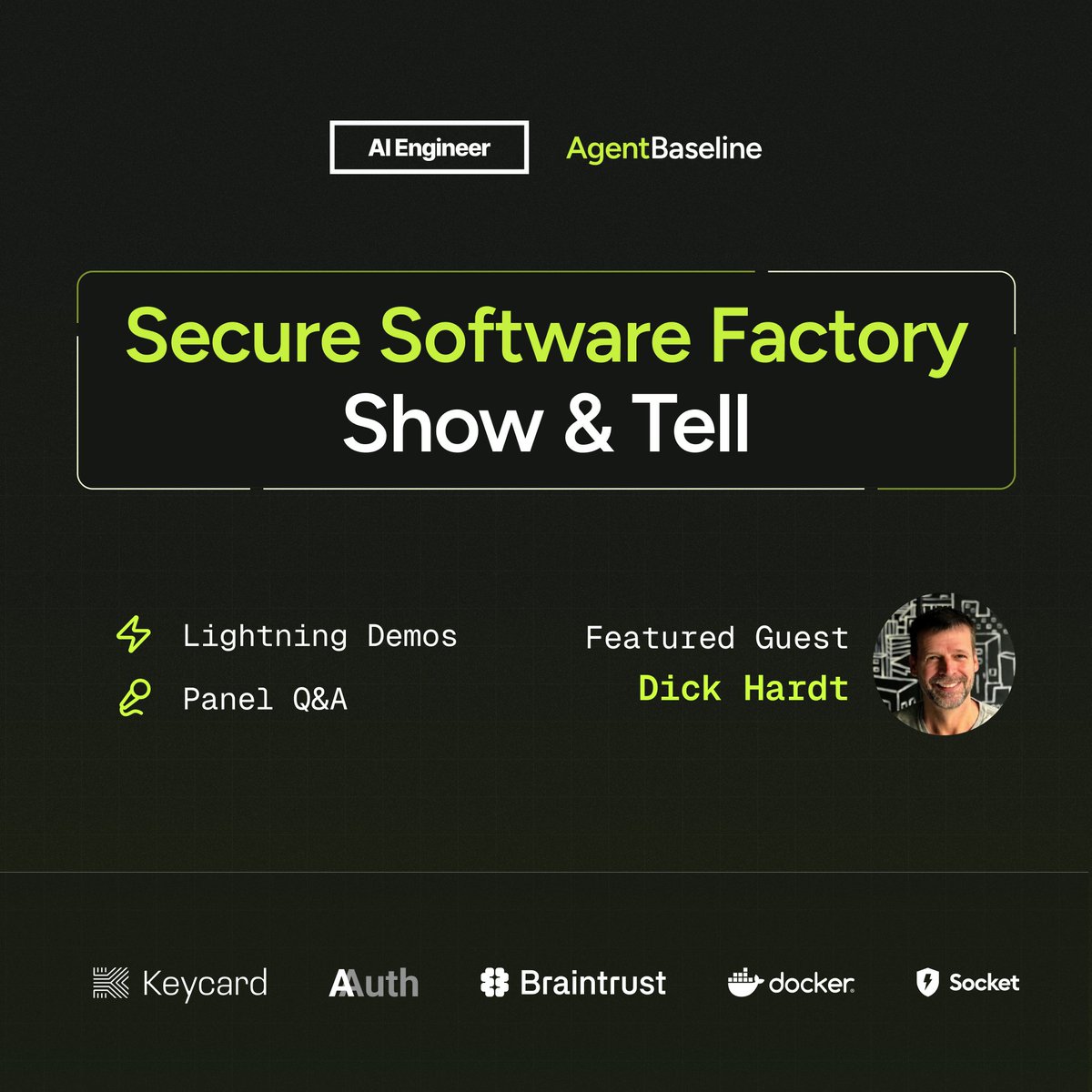
We're hosting Secure Software Factory Show and Tell Oct 13 during @aiDotEngineer NYC with @braintrust, @SocketSecurity, and @Docker
Learn how to constrain, observe, and authorize your agents, validate their inputs, and respond when something goes wrong.
https://t.co/H1ZFe5gfry
AI agents can only be truly autonomous if they have the authority to act and that authority is tightly controlled.
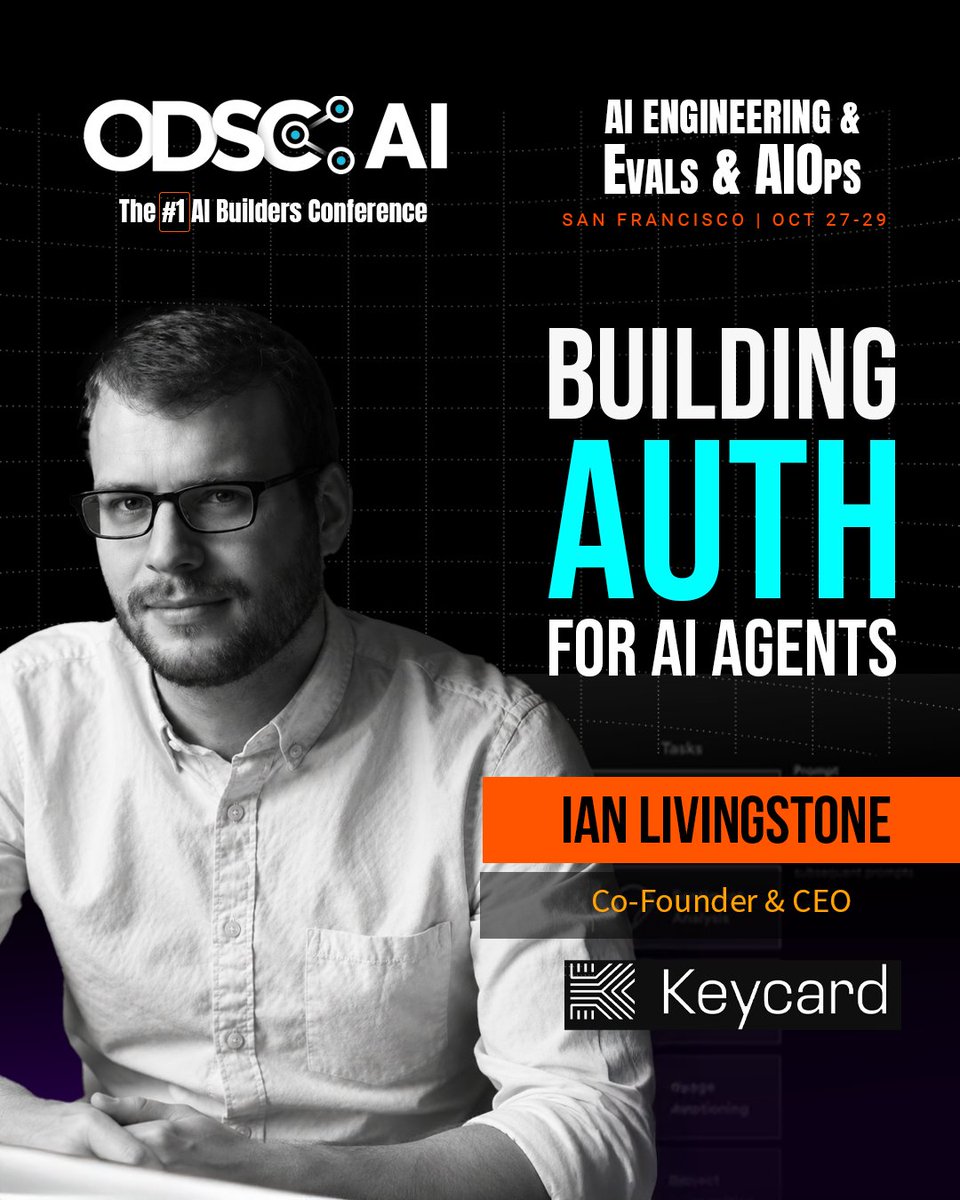
At ODSC AI West 2026, @ianlivingstone, Co-Founder & CEO of @KeycardAI, will present “Autonomy Requires Authority: Building Auth for AI Agents.”
Ian brings 15+ years of experience across developer tools, security infrastructure, and platform engineering, including previous roles at Snyk and Salesforce. At Keycard, his work focuses on trusted, autonomous agents and the infrastructure needed to let them access tools and services safely.
In this session, he’ll explore the shift from static credentials and inherited permissions toward ephemeral access, delegated authority, runtime context, and attributable agent actions.
Join Ian at ODSC AI West 2026: https://t.co/V6VhBRehp9
Come for the panel and then join us that evening at Elsie Rooftop for Agent Baseline Demo Night with @SocketSecurity and @braintrust
RSVP: https://t.co/H1ZFe5gNh6
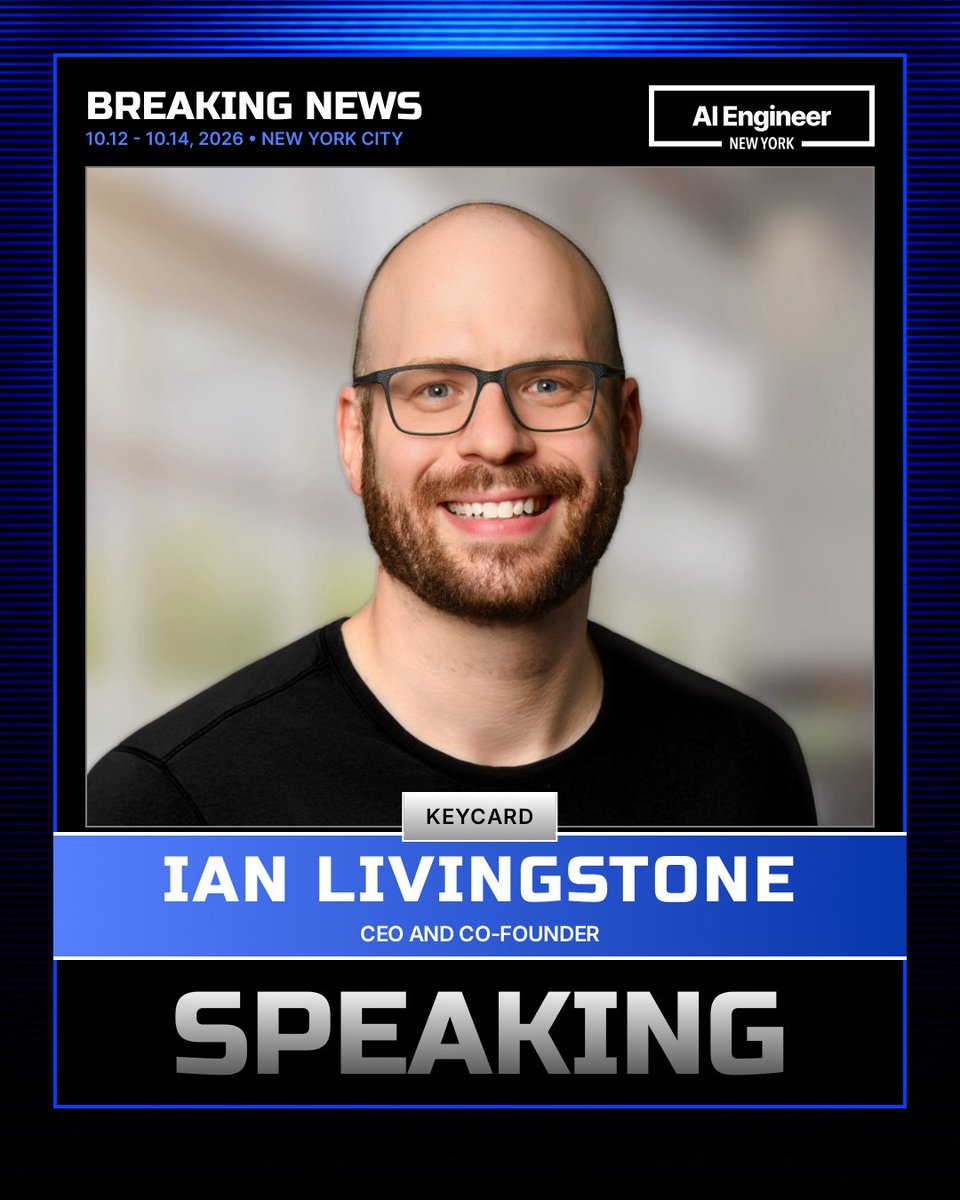
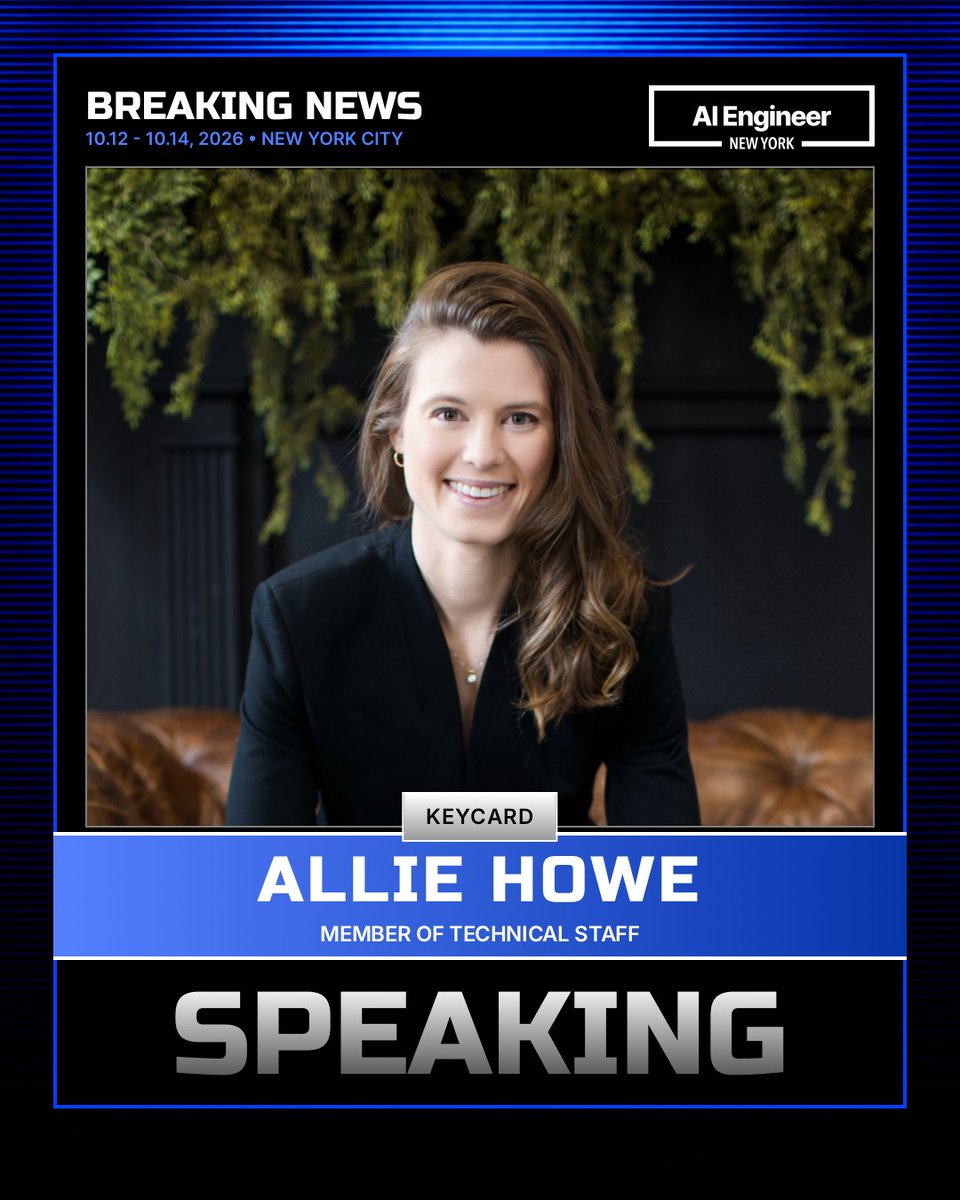
On Tuesday Oct 13th @aiDotEngineer NYC our CEO @ianlivingstone takes the stage with Michael Davis, Global Chief Security Architect at @jpmorgan, @DickHardt Founder of AAuth and co-creator of OAuth, and @vtahowe to discuss intent based auth.