A Philly family just bought their first home with a $10,000 first-time homebuyer grant funded by a group of Quakers
It’s part of the congregation’s plan to redistribute wealth to Black residents in the Germantown area as a form of reparations https://t.co/GWJo9qRceh
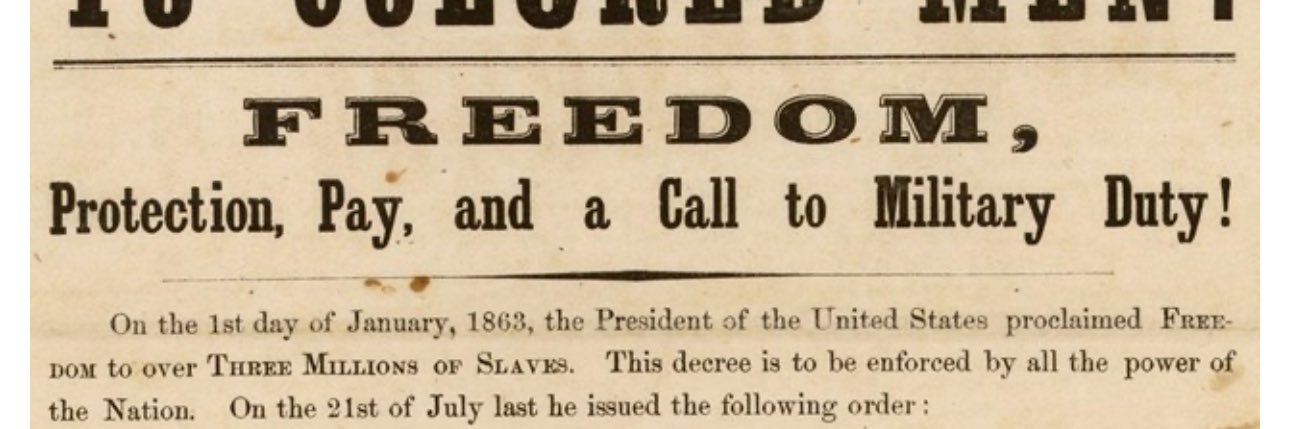
@PrimeReparation A Cambridge commissioner tried a 1863–1870 “closed sequence” framework. 😡 If approved, it could’ve excluded descendants of people freed earlier. The City Solicitor rejected it and said use the ordinance as written.
✨ Important update from tonight’s Cambridge American Freedmen Commission meeting:
The City Solicitor’s Office said the Commission’s ordinance already defines American Freedmen by U.S. chattel-slavery lineage. 🇺🇸
Enslaved here is not enough under the Solicitor’s interpretation. Freed here is the key. He gave Canada as an example: if ancestors were enslaved but were freed in Canada, they would not qualify for purposes of the ordinance because they were not freed within the United States.
💫 That matters.
The definition is not based on a broad racial category. It is rooted in the descendants of people who were enslaved and freed in the United States.
⚖️ The ordinance does not define American Freedmen simply as “Black,” “African,” or “African American.”
It is tied to a specific U.S. historical lineage connected to chattel slavery and emancipation.
🌎 He also clarified that the definition does not extend to people whose ancestors were enslaved and freed outside the United States, including in:
Canada • South America • the Caribbean
Post 2
📜 The solicitor explained that American Freedmen are people who were freed from chattel slavery within the United States — and their descendants.
That lineage is the foundation of the Commission’s legal definition.