The Khalili Foundation is a global leader in promoting interfaith and intercultural harmony. Our partners include UNESCO, the Commonwealth and the King's Trust.
Islamic pottery refers to ceramics produced in the Islamic world, valued for both their beauty and craftsmanship.
Developed across regions such as the Middle East, North Africa, and Central Asia, Islamic pottery often features intricate geometric patterns, floral designs, and calligraphy. These designs reflect key artistic traditions in Islam, where decoration often avoids human figures and instead focuses on pattern, symmetry, and meaning.
Potters used advanced techniques such as glazing and lustreware, creating vibrant colours and shimmering surfaces. These innovations influenced ceramic traditions beyond the Islamic world.
This resource is shared as part of Interfaith Explorers: https://t.co/haRt2kN6Vi
The world’s leading digital resource for interfaith and intercultural education.
#interfaithexplorers
Japanese Lacquer is a volume showcasing the finest examples of this most characteristically Japanese art, presenting works that span from the 17th to the early 20th century and reflect strong continuities of style and technique. Highlights include masterpieces by celebrated artists such as Nakayama Komin and Shirayama Shosai, as well as an important group of richly decorated shibayama pieces. At its centre is an opulent cabinet by Harui Komin, presented by the Japanese Crown Prince to the future King Edward VIII in 1921. The volume also features essays on the evolution of lacquer in response to Western demand and on the Rimpa style, offering deeper insight into this refined artistic tradition.
All proceeds generated from The Khalili Collections book purchases benefit the charitable endeavours of the Khalili Foundation directly.
Learn more: https://t.co/L6SftZXF50
#khalilicollections#khalilipublications #books
Did You Know that the Isfahan Quran was written in a style that required a particularly high level of calligraphic skill?
Created in Isfahan in AH 383 (993 CE), this remarkable Quran manuscript introduced features that were innovative for the 10th century, including the use of paper instead of parchment, richly ornamented “broken Kufic” script, and coloured vocalisation marks. The close-up detail reveals varying stroke widths, red dots guiding pronunciation, and gold verse markers, all executed with extraordinary precision.
What made it especially challenging was its unusual format: just four evenly spaced lines per page, with each line reaching nearly 4 cm in height. The dramatic variation in letter sizes and brush strokes demanded exceptional mastery of the qalam, the traditional reed pen used in Islamic calligraphy.
The original manuscript once consisted of around 1,300 folios across four volumes, though today its pages are dispersed among museums and collections around the world.
Learn more: https://t.co/RNd2cGg6GI
#khalilicollections #khalilifoundation
The Circle of Peace is a painting designed by Sir David Khalili, featuring the word “peace” in English, Hebrew, and Arabic arranged in circles around a central point. One of five works by artist Ben Johnson commissioned for the House of Peace, it reflects a vision of interfaith and intercultural harmony.
Learn more: https://t.co/pUr04sUmR0
#khalilifoundation
Shari’ah, also called Sharia law or Islamic law, is a set of guidance that shapes all areas of a Muslim’s life.
Classical Sharia covers a wide range of topics, including religious practices, family life, business, criminal matters, and even warfare. It is understood as a complete code of behaviour that guides how a person should live.
Some aspects of Sharia are similar to legal systems in other societies, shaping relationships with neighbours, communities, and governments. Other aspects focus on a person’s relationship with Allah and their own moral conscience.
Sharia is therefore not only about law, but also about ethics and character. It explains what actions are required or forbidden, as well as what is encouraged or discouraged in good conscience. Some actions are seen as deserving praise or blame in a spiritual sense, even if they do not always involve legal punishment or reward from authorities.
This resource is shared as part of Interfaith Explorers: https://t.co/X01M7opKvE
The world’s leading digital resource for interfaith and intercultural education.
#interfaithexplorers
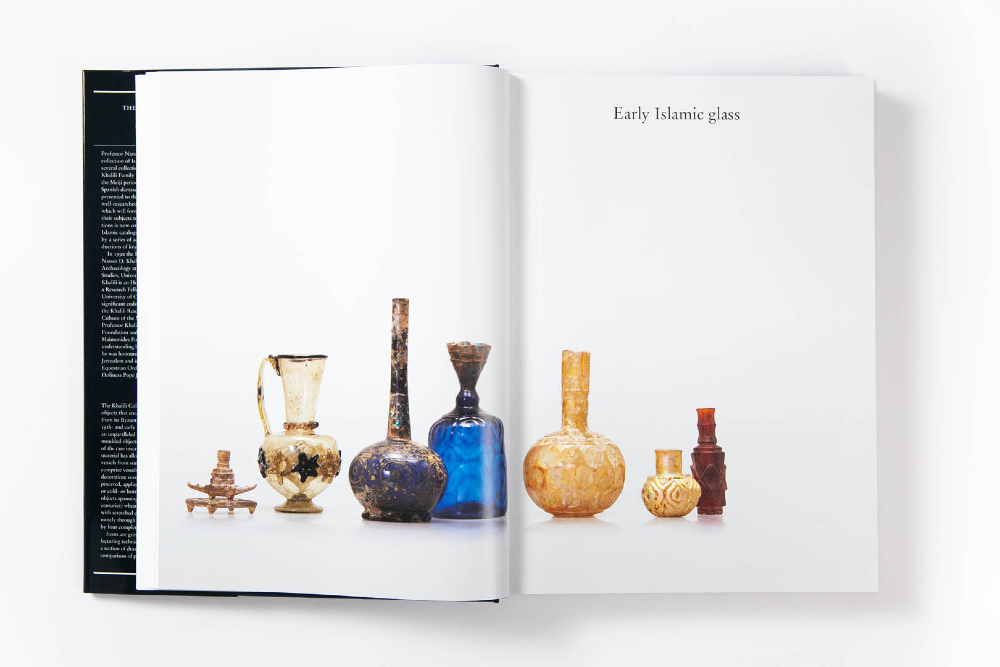
Islamic Glass is a volume cataloguing over 300 objects in the Collection, tracing the development of glassmaking from its Byzantine and Sasanian roots to revivals of the late 19th and early 20th centuries. Highlights include an unparalleled group of mould-blown and pattern-moulded vessels, among them rare inscriptional examples, as well as finely crafted pieces with cut, pincered, applied, enamelled and lustre-painted decoration. The volume also features a significant group of scratched glass vessels rarely preserved in complete form, which form the basis of an important new study. Together, these works offer exceptional insight into the technical and artistic achievements of Islamic glassmakers across centuries.
All proceeds generated from The Khalili Collections book purchases benefit the charitable endeavours of the Khalili Foundation directly.
Learn more: https://t.co/VFs2bkm0uA
#khalilicollections#khalilipublications #books
The Art of Peace reflects Professor Sir Nasser David Khalili’s lifelong belief that art can serve as a bridge between cultures and a force for understanding.
Building on this vision, The Khalili Publications represent one of the most ambitious art scholarship projects in modern history. With over 88 volumes already released and more than 120 publications planned, the series documents world-class art collections in extraordinary depth.
Each volume is meticulously researched and authored by leading experts, ensuring academic accuracy and lasting historical value. Personally edited by Professor Sir Nasser David Khalili, these works preserve knowledge for future generations, support global research, and make specialist study widely accessible.
The publications have become essential references in their fields, held in major museum and university libraries around the world, reinforcing the importance of cultural heritage and scholarly collaboration.
All proceeds generated from The Khalili Collections book purchases benefit the charitable endeavours of the Khalili Foundation directly.
Learn more: https://t.co/oy6dlLszux
#khalilicollections #khalilifoundation #khalilipublications
The word “apostle” means “messenger” or “ambassador”.
In the Christian Bible, the word is used for Jesus’ closest followers, called the Twelve https://t.co/Qplgxw5vyY, important missionaries are sometimes called apostles, for instance, the “apostle of Germany”.
This resource is shared as part of Interfaith Explorers: https://t.co/xzdT9KvSAX
The world’s leading digital resource for interfaith and intercultural education.
#interfaithexplorers
Early Islamic Pottery is the first of two volumes cataloguing the ceramic holdings in the Collection, presenting 406 exceptional works selected from nearly 2,000 objects produced across the Muslim world. Focusing on the achievements of early potters from the 7th to the 13th centuries, highlights include a rare 9th-century relief-decorated dish, an intricate openwork ewer from Iran, and the earliest known dated ceramic from the region. The volume features in-depth art historical and technical essays incorporating the latest archaeological research, alongside detailed catalogue entries with colour illustrations, profile drawings, and translated inscriptions.
All proceeds generated from The Khalili Collections book purchases benefit the charitable endeavours of the Khalili Foundation directly.
Learn more: https://t.co/znIahQ0lBs
#khalilicollections#khalilipublications #books
The Khalili Foundation has announced an important partnership with The King’s Trust to help tackle rising hate crime across the United Kingdom through education and understanding.
This collaboration supports initiatives that use interfaith dialogue and cultural education as powerful tools to challenge prejudice and build stronger, more inclusive communities.
As part of the partnership, the Foundation has co-funded, designed, and delivered a Global Citizenship Education programme for King’s Trust Young Leaders. The programme helps young people develop intercultural and interfaith awareness, equipping them with the knowledge and skills to promote respect and unity in their communities across the UK and beyond.
Together, the initiative highlights the role of education in building a more connected, compassionate, and peaceful society.
Learn more: https://t.co/iEaiXRZ1Vk
#khalilifoundation #thekingstrust
In Christianity, grace is a free gift from God to people. This gift includes forgiving sinners and giving blessings.
A common Christian teaching is that grace is mercy that God gave to humanity by sending his Son, Jesus Christ, to die on a cross. This saved humanity from sin.
Within Christianity, there are many different ideas of how grace is attained.
This resource is shared as part of Interfaith Explorers: https://t.co/4uiWspV9kN
The world’s leading digital resource for interfaith and intercultural education.
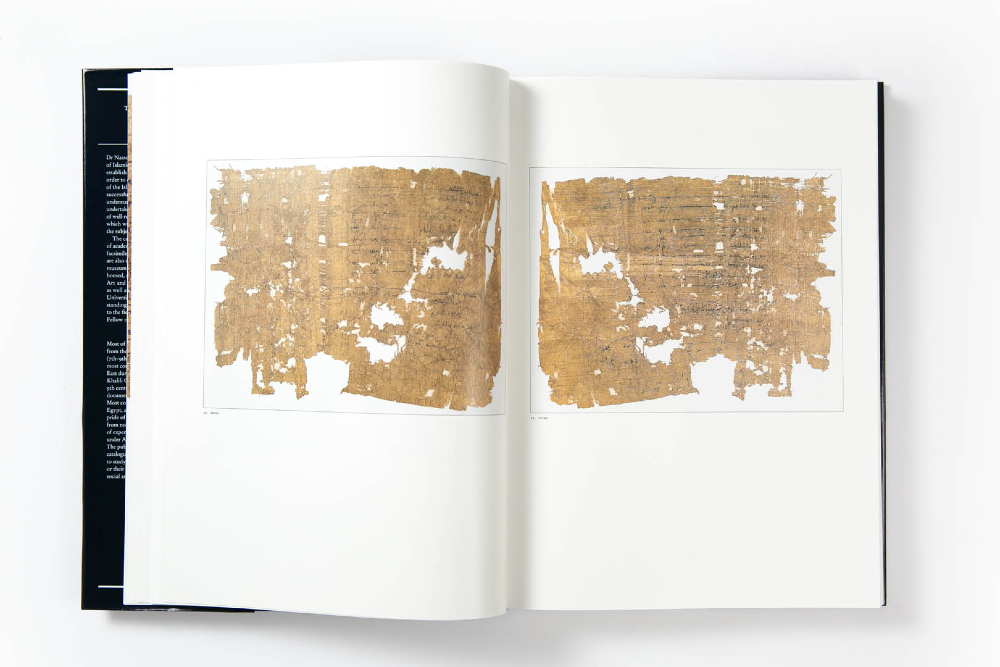
The Arabic Papyri is a volume cataloguing one of the most significant groups of early Islamic documents in the Collection, presenting 258 papyri primarily dating from the 8th and 9th centuries. Written on the most widely used material of the time, these texts include official and legal records, receipts, accounts and private correspondence, many originating from Fustat and Upper Egypt. Highlights include the only known Arabic papyrus from northern Mesopotamia an Abbasid-era monastic account from around AD 855. Together, these documents offer invaluable insight into early Arabic scripts, language, and the social and economic life of the period. The volume is illustrated with 108 colour plates alongside black-and-white reproductions, and includes an introduction exploring the history and manufacture of papyrus.
All proceeds generated from The Khalili Collections book purchases benefit the charitable endeavours of the Khalili Foundation directly.
Learn more: https://t.co/qyjYB5XctB
#khalilicollections#khalilipublications #books
Held at Marlborough House and led by Commonwealth Secretary-General Rt Hon Patricia Scotland KC alongside Professor Sir Nasser David Khalili, the Commonwealth Faith Festival is an inspiring multi-year initiative designed to strengthen collaboration among faith communities across Commonwealth nations.
The festival brings together people of different beliefs to promote understanding, respect, and shared action for peace. Its programme includes youth-led peace ambassador training, roundtable dialogues between religious leaders and policymakers, and educational projects that build religious literacy.
Young participants from countries such as Bangladesh, Kenya, and across the Caribbean are trained to become active peacebuilders within their own communities, spreading messages of dialogue and cooperation.
This partnership between the Khalili Foundation and the Commonwealth responds to rising tensions and misunderstandings by offering practical tools for communication, empathy, and unity.
With the theme “Peacebuilding through Faith,” the festival highlights a powerful idea: when faith communities work together, they can become a driving force for positive change in the world.
Learn more: https://t.co/xji1X0TnUA
#khalilifoundation #commonwealthfaithfestival
Saint Peter, also called Simon Peter, was one of the twelve apostles of Jesus. Most of what we know about him comes from the New Testament Gospels.
The name “Peter” comes from the Greek word for “rock”. In the Gospels, Jesus is described as choosing Peter to be the “rock” or foundation of the Church.
Peter is often shown as a leading figure among the apostles. In Catholic tradition, he is regarded as the first pope.
This resource is shared as part of Interfaith Explorers: https://t.co/HUom8ONRIm
The world’s leading digital resource for interfaith and intercultural education.
Nurtured through the demanding discipline of master and pupil, Islamic calligraphy centred on the power of the written word has given rise to one of the world’s richest artistic traditions. This volume presents 174 works spanning six centuries, showcasing the breadth and continuity of the art from the influential Yaqut in the 14th century to distinguished amateur calligraphers such as the Ottoman sultans Abdülmecid I and Mahmud II. Offering the most comprehensive study of the subject to date, it explores the training of calligraphers and the key elements of their practice, including albums, stencils, miniature scripts, cut-paper compositions and gilded leaves. The text is complemented by exemplary renderings of the principal historical scripts by a leading modern calligrapher.
All proceeds generated from The Khalili Collections book purchases benefit the charitable endeavours of the Khalili Foundation directly.
Learn more: https://t.co/FwnqfjhTpk
#khalilicollections#khalilipublications #books
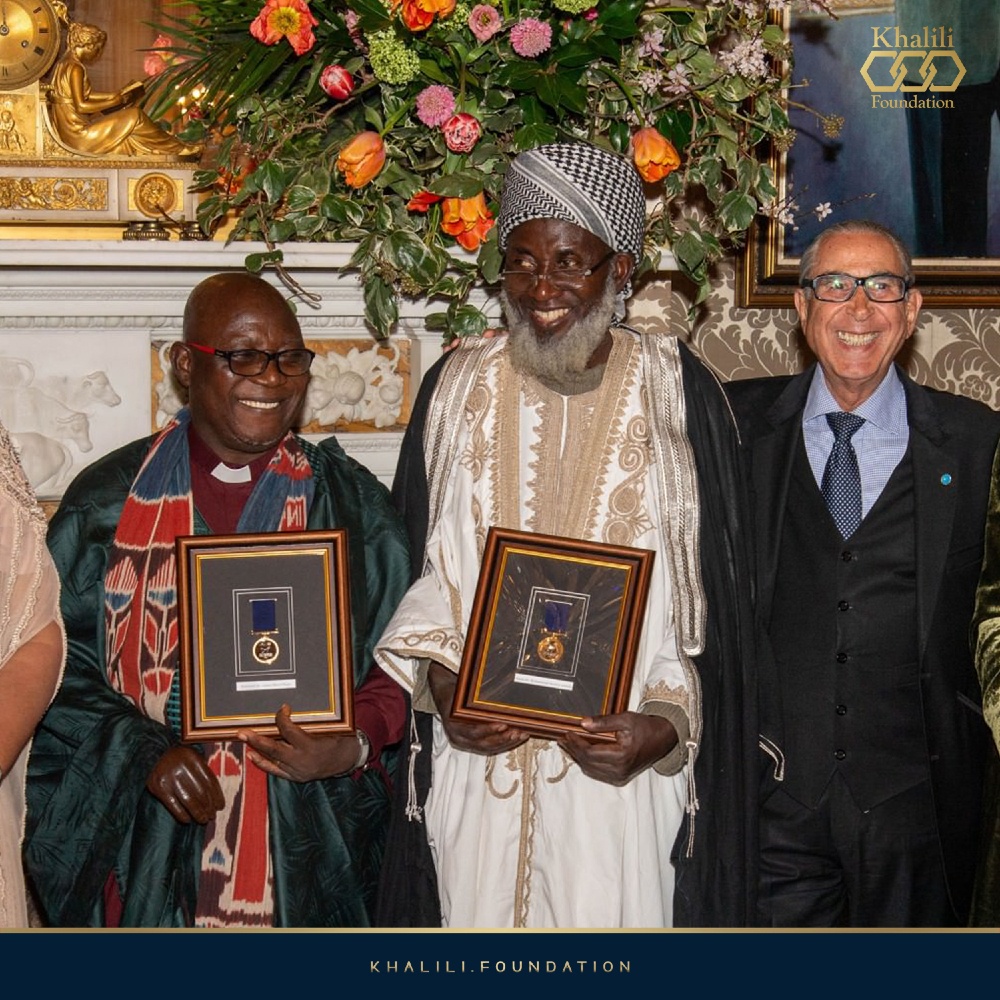
At a historic Commonwealth Day ceremony attended by His Majesty King Charles III and Her Majesty The Queen, the Khalili Foundation launched the inaugural Commonwealth Peace Prize.
This new honour celebrates individuals making outstanding contributions to peacebuilding around the world.
The first recipients were Imam Dr. Muhammad Nurayn Ashafa and Pastor Dr. James Movel Wuye of Nigeria, two former adversaries who transformed their relationship into a powerful partnership for peace. Once on opposing sides during conflict in Kaduna, they have since become close collaborators.
Together, they founded the Interfaith Mediation Centre, where they train young people in dialogue, conflict resolution, and reconciliation, showing that lasting peace is possible even after deep division.
Their journey reflects the Foundation’s belief that understanding, dialogue, and shared purpose can bridge even the widest divides.
The ceremony also featured a specially composed musical tribute by Lord Andrew Lloyd Webber, celebrating unity, hope, and the power of peace.
Learn more: https://t.co/pUr04sUmR0
#khalilifoundation #commonwealthpeaceprize
Some Jewish synagogues also have stained glass windows. Small pieces of painted glass are arranged to form patterns or pictures. In the past, the pieces were held together by strips of lead. However, stained glass windows in synagogues usually do not include pictures of people.
This resource is shared as part of Interfaith Explorers: https://t.co/Ik2c4cJtX7
The world’s leading digital resource for interfaith and intercultural education.
#interfaithexplorers
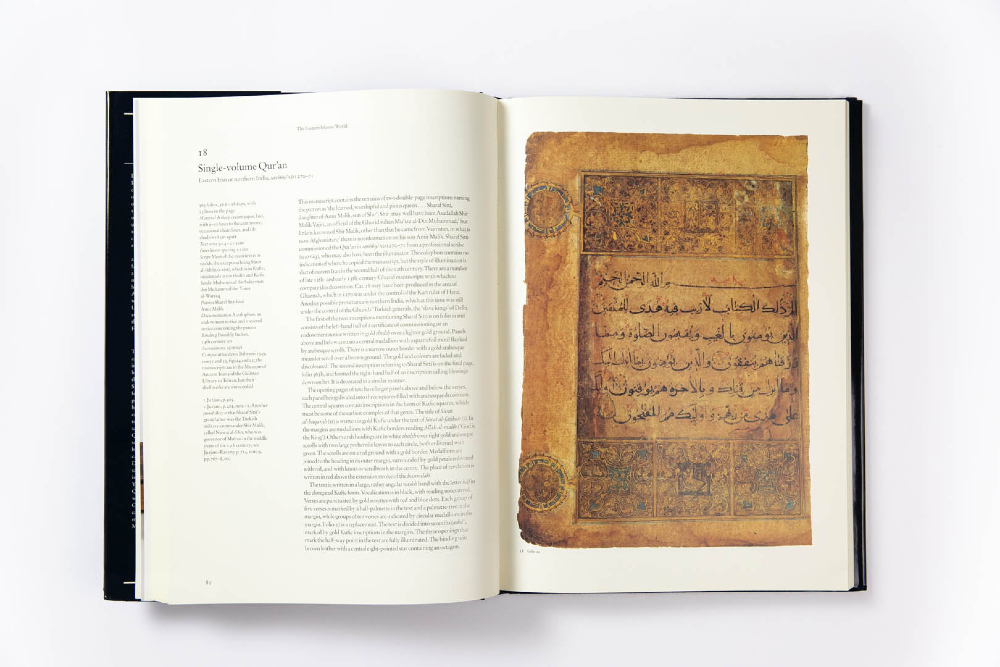
The Qur’ans from 1000 to 1400 is the second of four volumes cataloguing the Qur’anic manuscripts in the Collection, presenting 56 works from across Iraq, Iran, Syria, Egypt, Anatolia, India, Spain and North Africa. Highlights include a 12th-century Qur’an section written in gold in Iraq, a rare example from Valencia, and what may be the earliest surviving Qur’an from India, alongside an illuminated section by Yaqut al-Musta‘simi. the only known part of his 30-volume Qur’an to retain its original decoration. The volume also features new studies on Qur’an production in Damascus and manuscript patronage in Shiraz under the Inju‘ids and Muzaffarids, with detailed catalogue entries, colour illustrations, and translated colophons.
All proceeds generated from The Khalili Collections book purchases benefit the charitable endeavours of the Khalili Foundation directly.
Learn more: https://t.co/N4GqKFh0Sj
#khalilicollections#khalilipublications #books
At the Commonwealth Heads of Government Meeting in Samoa, the Khalili Foundation was proudly announced as a Founder Member of The King’s Commonwealth Fellowship Programme, a bold new initiative unveiled in the presence of King Charles III.
Designed to empower the brightest minds across the Commonwealth, this forward-looking programme offers life-changing scholarships for postgraduate study to outstanding young leaders ready to shape the future.
More than just a scholarship, it is a movement. A platform for purpose-driven individuals to grow, collaborate, and lead. Rooted in the Foundation’s vision, the programme champions a new generation of peacebuilders, cultural ambassadors, and bridge-builders who are passionate about creating meaningful global impact.
Fellows will not only pursue advanced academic pathways, but also develop innovative projects that strengthen connections across nations, celebrate cultural diversity, and drive deeper intercultural understanding.
This is where ambition meets opportunity. Where ideas become action. And where tomorrow’s global leaders begin their journey.
Learn more: https://t.co/pUr04sUmR0
#khalilifoundation #commonwealthfellowshipprogramme
The Exodus is the story of how G-d freed the Israelites from slavery in Egypt. It is told in the second book of the Torah, called Shemot, and “Exodus” means “way out” in Ancient Greek. After years of suffering, G-d appeared to Moses in a burning bush and told him to ask Pharaoh to let the Israelites go. Pharaoh refused, so ten plagues were sent. He eventually agreed, but chased them with his army. At the Red Sea, G-d parted the waters through Moses, allowing escape. The sea then closed, drowning the army. The Israelites later reached Mount Sinai and received the Ten Commandments.
This resource is shared as part of Interfaith Explorers: https://t.co/TuOEY9GGwe
The world’s leading digital resource for interfaith and intercultural education.
#interfaithexplorers