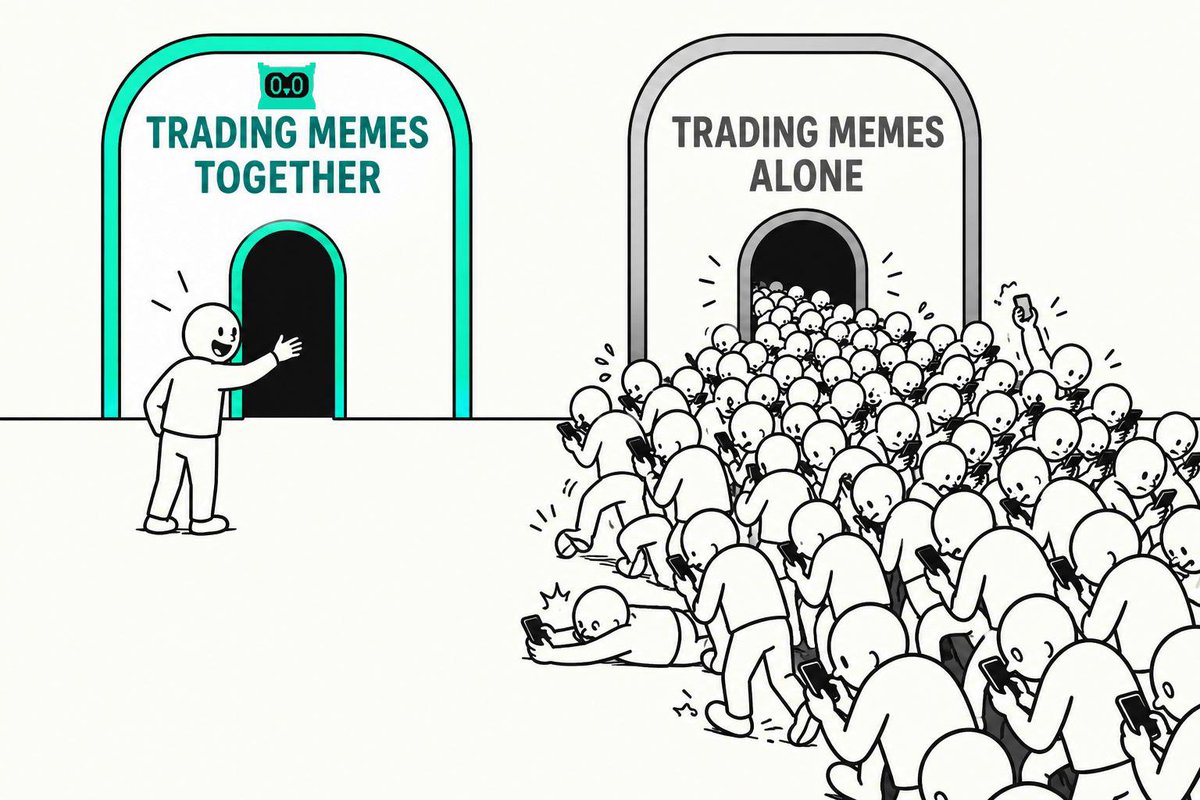
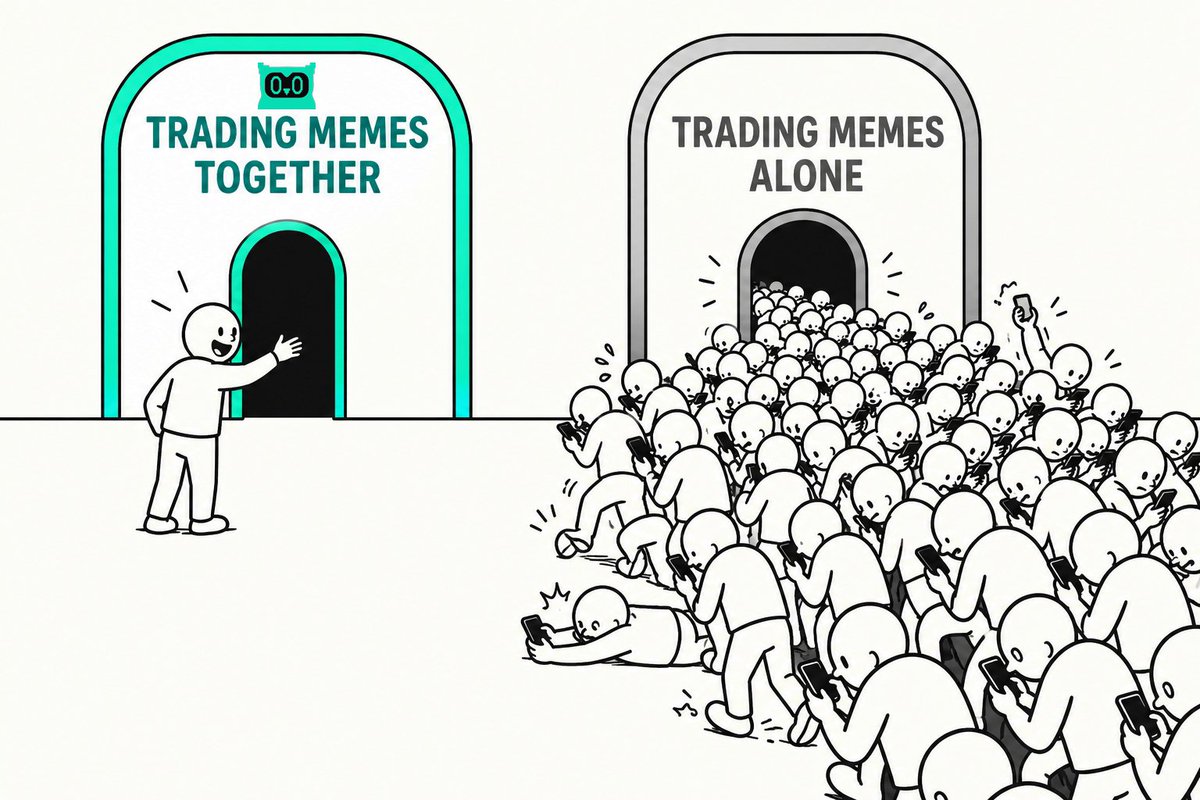
I think trading memecoins with the community is much more fun than doing it alone.
I’m learning that it’s not just about trading quickly, but about trading more intelligently.
Which meme trade would have been better not to take alone?
Probably the one where I ignored the community’s sentiment and entered far too late.
To me, trading together may be the real edge.
@SmartXTerminal
Memecoins are the most social trade in crypto
So why does everyone trade them alone?
On SmartX, you'll see what people actually hold, not just what they post.
What genuinely stands out to me
about @tokentunes is not simply
the concept of Music NFT, but the
industry experience behind the
vision.
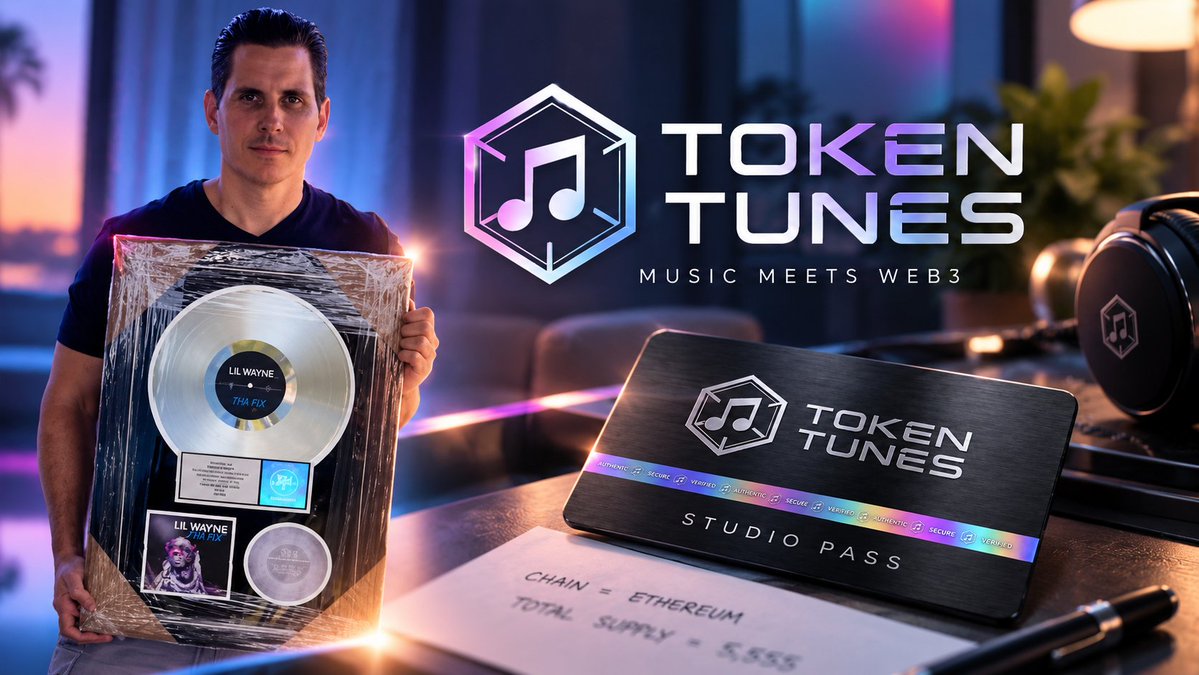
@briangarrett brings more than two
decades of experience in the music
industry, having previously built
Future Star into a brand associated
with 25M+ records sold. His career
also includes RIAA certified Gold
and Platinum work connected with
artists such as Lil Wayne, Tyga,
Usher, Chris Brown and Migos.
What makes that background even
more intriguing is his transition into
Web3.
He has been involved in crypto since 2017 and NFT since 2021,
creating an unusual intersection between traditional music
infrastructure and emerging digital
ownership.
And I think that distinction matters.
Music NFT have been discussed for
year, but the real challenge has
never been putting a song on a
blockchain.
The harder question is whether
Web3 can create a meaningful new
relationship between artist, music
and collector.
That is the space token tunes
appears to be exploring.
Rather than simply tokenising
existing releases, the project is
building around exclusive, original
music that is intended to be
released through limited-edition
NFT collections rather than
traditional streaming platform.
The ecosystem is planned around
two core stages:
→ Studio Pass
The initial collection designed to
introduce collectors to the Token Tunes ecosystem.
→ Exclusive Music Releases
Ongoing drops featuring limited edition NFTs tied to original
music from mainstream artist.
What interests me most is the
underlying distribution model.
Instead of treating an NFT as
nothing more than a digital
collectible, Token Tunes is
attempting to make the music itself
part of the scarcity and ownership
experience.
That could create a different
dynamic between artist and
audience:
not simply listening to a release,
but becoming a collector of a
specific moment in an artist’s
catalogue.
Of course, the concept is still early,
and execution will ultimately
determine how meaningful this
model becomes.
Artist participation, music quality,
collector utility and mainstream
adoption will be the areas worth
watching closely.
But with someone bringing
substantial music-industry
experience into a Web3 native
model, @tokentunes is certainly a
project I’m keeping on my radar.
Music has already gone digital.
The interesting question is whether it can become meaningfully onchain.