Just an otaku studying English. I tweet about Japanese culture as depicted in anime and manga. This account helps you learn Japanese. PLEASE FOLLOW ME!!
Japanese is usually written vertically.
But western languages are written horizontally.
So in manga, you can make Japanese sentences look like ''English'' by writing Japanese horizontally.
If I see Japanese sentences written horizontally, I think them as ''western language''.
A funny Japanese etiquette rule:
Japanese has special honorific words that show respect to the other person.
If someone sends you a return envelope, those honorifics are often already printed on it.
Before sending it back, you’re expected to cross them out because using honorifics for yourself is considered impolite.
But it gets even more complicated.
Sometimes a return envelope is printed with less polite words such as “行” (“to”) or “宛” (“addressed to”). In that case, the recipient is expected to cross them out and replace them with more respectful honorifics such as “御中” or “様” before mailing it back.
So Japanese people often spend time crossing out one polite word and replacing it with another, all because the exact level of politeness matters.
It’s such a tiny detail, but many of us were taught that it’s proper etiquette.
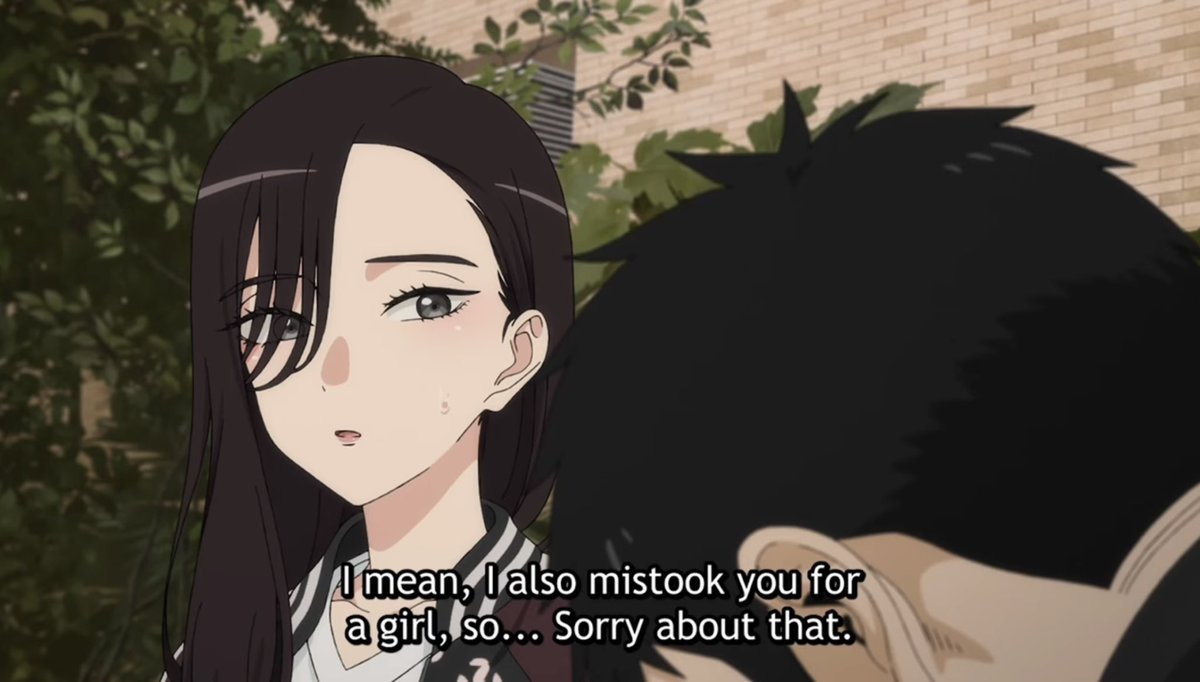
I think you know that Japanese uses “-kun” for boys.
But here’s the interesting part:
in certain formal or role-based settings, girls can be called “-kun.”
This can happen in workplaces or when someone in a clearly higher position addresses a junior female colleague.
During the Prime Minister designation vote, every candidate is addressed as “–kun,” including women.
It’s an official parliamentary style, completely unrelated to gender.
So while you wouldn’t use “-kun” for a girl in daily life,
in institutional settings, “-kun” becomes a neutral, professional title — not a masculine one.
#JAPANESE
#高市早苗
#かぐや様は告らせたい
Why do so many ninja characters end up named Sasuke?
Because Sarutobi Sasuke (猿飛佐助)— made famous in the early 20th-century Tachikawa Bunko adventure books 📚🗡️ — became the blueprint for the modern ninja.
Those stories made him the ninja icon, so the name stuck.
Sasuke = classic ninja energy.
#Ninja #Japan
#sasukeuchiha
#戦国BASARA
Naruto’s “Legendary Sannin” actually come from an old Edo-period tale, Jiraiya Gōketsu Monogatari — where Jiraiya uses toad magic, Tsunade uses slug magic, and Orochimaru uses snake magic.
Yep, Naruto literally borrowed the whole trio.
But honestly… why is the snake weak to the slug?
I still don’t get that part. 🐍💀🐌
#NARUTO
#ナルト
#Japanese
Naruto’s “spiral” theme goes way deeper than people think.
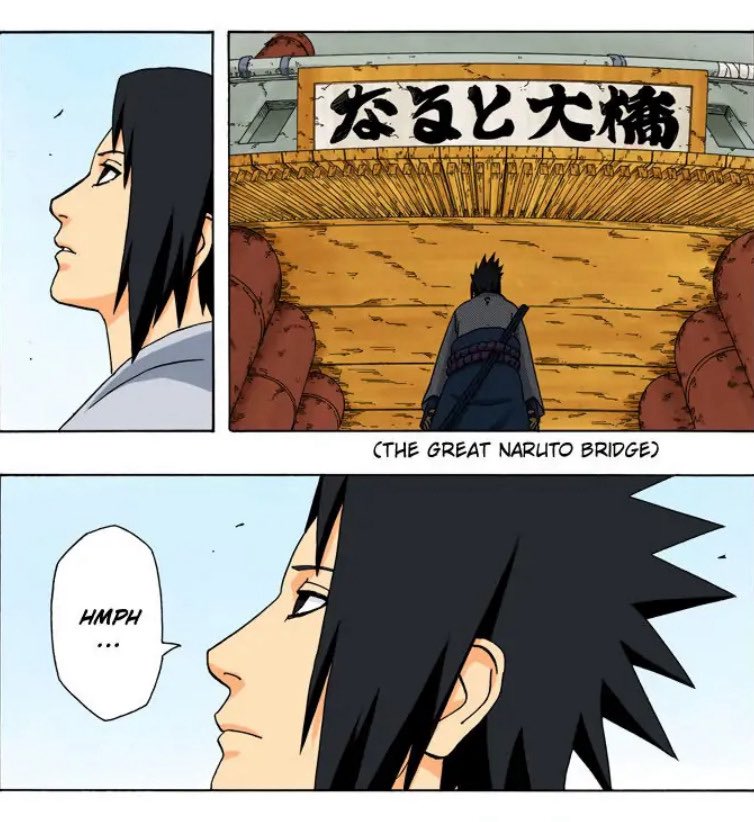
The real-world Ōnaruto Bridge crosses the Naruto Strait, famous for its giant whirlpools — the same uzumaki (渦巻き, “spiral”) that inspired Naruto’s family name.
That spiral shows up everywhere: his clan symbol, his personality, and even his signature move Rasengan (螺旋丸) — literally “spiral sphere.”
From bridges to ramen toppings to battle techniques, Naruto is built entirely on the idea of the spiral. 🍥🌪️
#大鳴門橋
#鳴門海峡
The name Naruto actually comes from narutomaki — the pink swirl you see in ramen.
“Naruto” originally refers to the whirling currents of the Naruto Strait, and that swirl pattern inspired the design of narutomaki.🍥
#NARUTO#Etymology#Japanese#なると
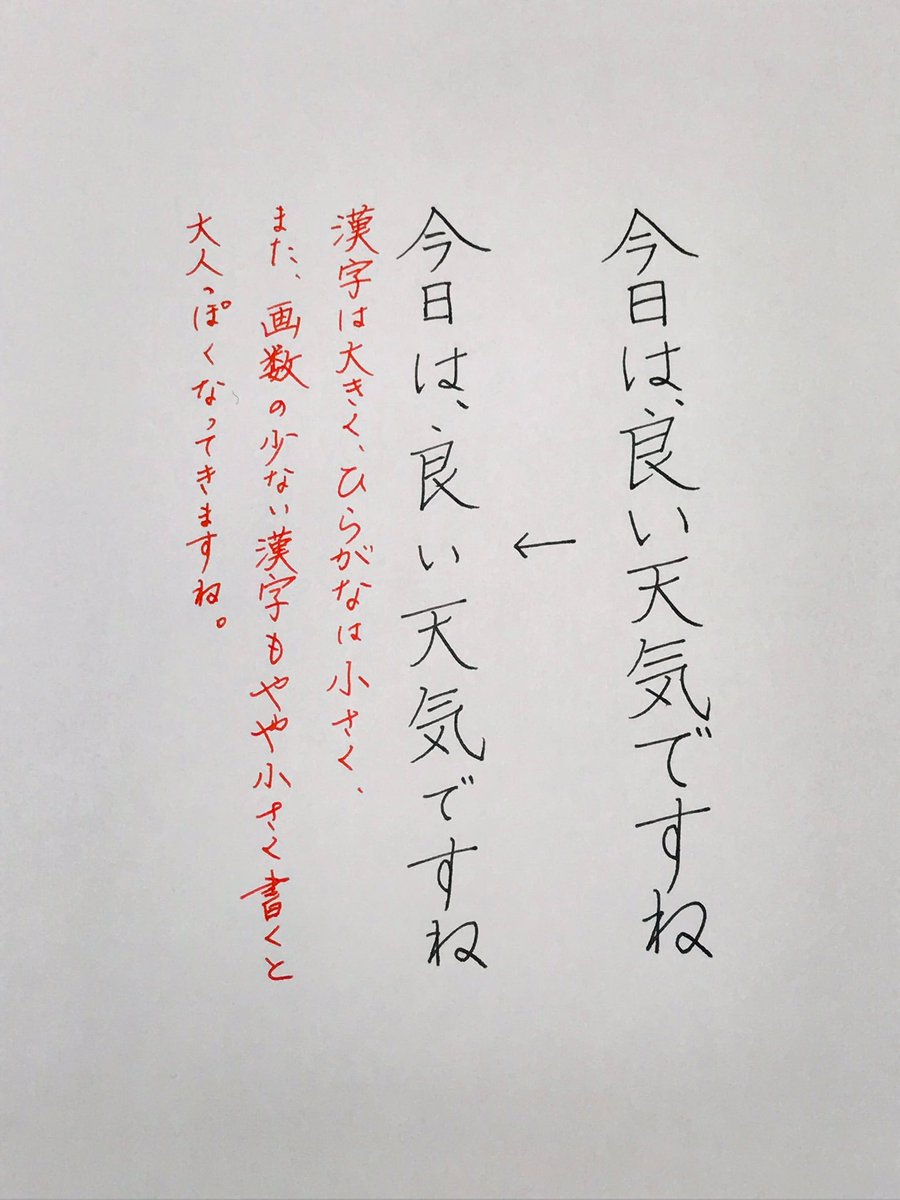
If you’re struggling to write Japanese beautifully, here’s a simple tip:
Make your kanji big and confident, and your hiragana small and light.
This contrast is a key part of Japanese handwriting aesthetics.
Don’t aim for perfection — aim for balance.
Your writing will instantly look more natural. ✍️
#Japanese #Handwriting
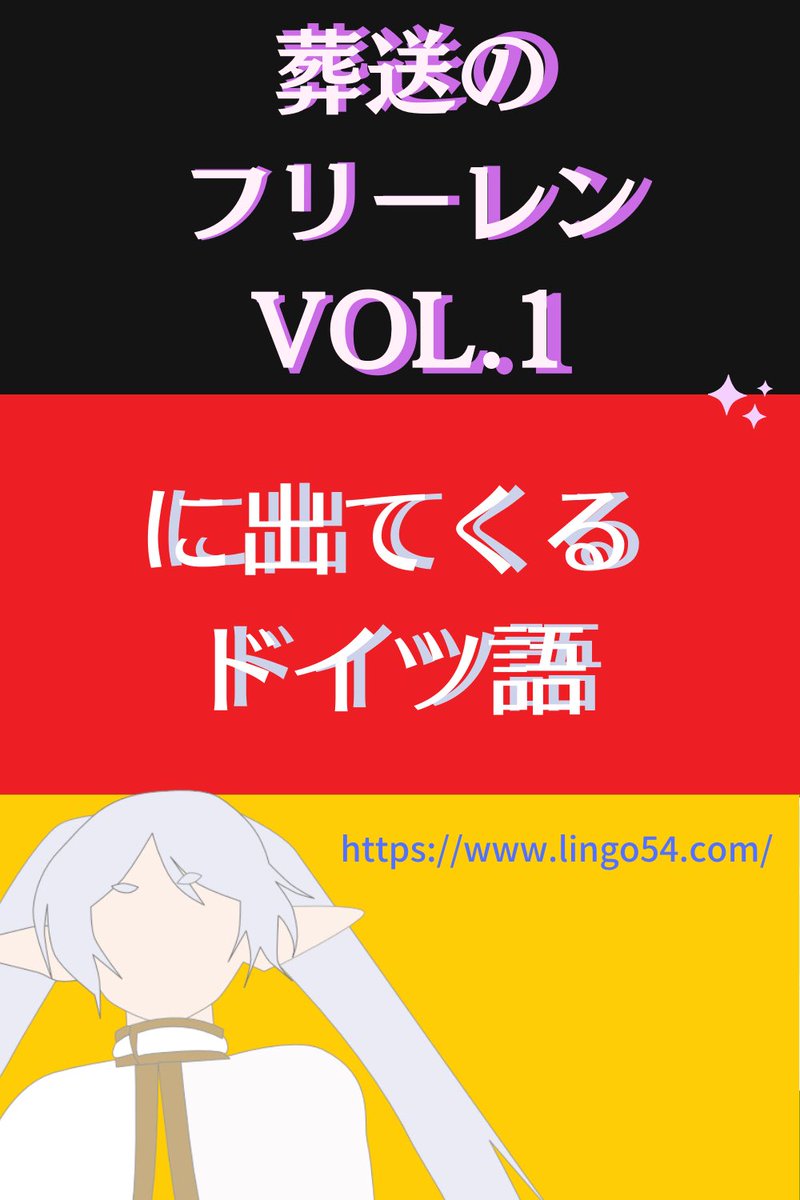
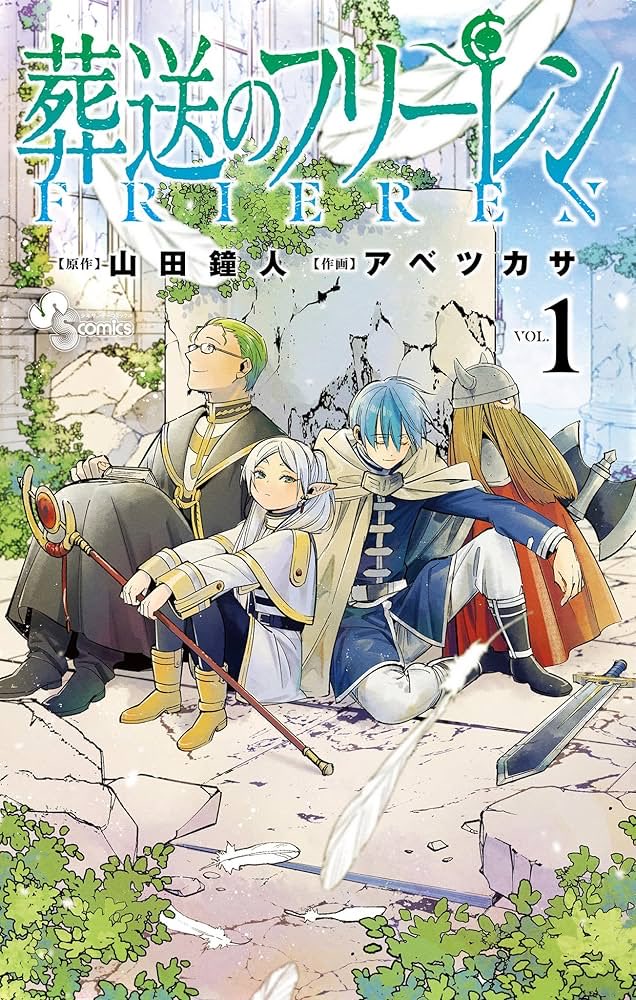
Japanese otaku really love German language. You see it everywhere — in anime, games, even character names.
Frieren: Beyond Journey’s End is a great example, full of beautiful German names like Frieren, Himmel, and Heiter.
Maybe it’s because German sounds strong and elegant, and it perfectly matches the fantasy vibe that Japanese otaku love.
#Frieren #葬送のフリーレン #Anime
“Banzai” (万歳) literally means “10,000 years,” but there’s more to it.
万 (ban) = “all, everything”
歳 (zai) = “time, years”
So it’s a wish like: “May this moment continue forever.”
By the way, the same 万 (ban) also appears in Gintama’s 万事屋 (yorozuya), meaning “everything shop,” since they take on all kinds of jobs.
#Japanese
#Banzai
#万歳
#overlord
#オーバーロード
#ガルパン
#gintama
#銀魂
Some Japanese learners love the Osaka dialect, but it’s not only for Osaka people. Even people from Kanto or Tohoku use it sometimes.
Words like nande yanen, seya na, honma are super common.
Why?
Mainly because so many famous comedians on TV are from Osaka. For us, Osaka-dialect = funny. So when we wanna sound funny, we just slip into it.
Btw among anime/game characters, Tamamo Cross from Uma Musume speaks the most natural and authentic Osaka-dialect I know.
Do you know the difference between Osaka dialect and other dialects?
#JAPANESE
#osaka
#kansa
#umamusme
#ウマ娘
#タマモクロス
Today I introduce 猛虎弁(もうこべん)(Mouko-dialect)
Mouko-dialect is the pseudo-kansai dialect used by ''Nan J people''(なんJ民).
I don't talk about who are ''Nan J people'' much, but you can think them as one group in the Internet.
#japanese#kansai#Osaka
Indeed, the name “Wakana(新菜)” does sound feminine.
In Japanese, names inspired by plants or flowers often tend to be given to girls—for example, Hana (flower), Kaede (maple), Himawari (sunflower), Yuri (lily).
Also, names ending with “-na” often feel girlish.
How about in your language?
#その着せ替え人形は恋をする
#MyDressUpDarlingSeason2
#anime
#japanese
Higurashi no Naku Koro ni.
In the show, Rena often says things like “kana, kana?” Interestingly, the sound of the cicadas—called higurashi in Japanese—is often written as “kana kana♪”. Well I don't know why the sound cicadas make is kanaana, but I think, that might be the inspiration behind Rena's catchphrase.
#higurashi
#ひぐらしのなく頃に
#anime
Sometimes in Japanese, when counting from 1 to 10, we use these alternative readings:
ひい (Hī)(1), ふう(Fū) (2), みい (Mī)(3), よお (4)(Yō), いつ (5)(Itsu), むう (6)(Mū), なな (7)(Nana), やあ (8)(Yā), ここ (9)(Koko), とお (10)(Tō)
By the way, there’s a Japanese name ''一二三''.
一 means 1, 二 means 2, and 三 means 3 — together, it’s pronounced “Hifumi.”
#anime
#NewGame
#HifumiAbe
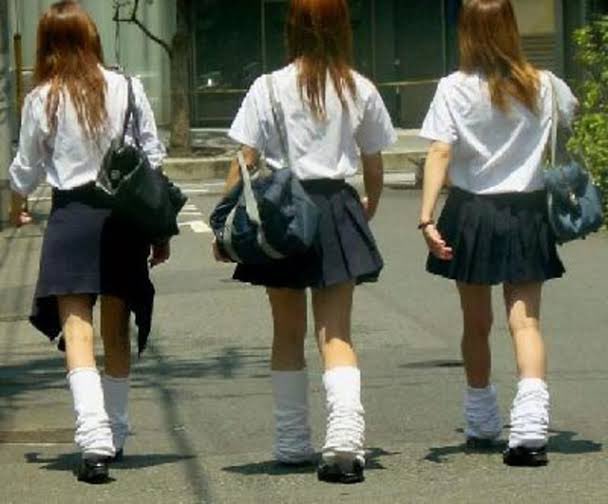
In the 1990s, "loose socks" became popular among high school girls (ages 15 to 18).
This trend ended in 2000, but for some reason, from last year, loose socks are becoming popular among high school girls.
I don't know what high school girls think!
#ガルパン
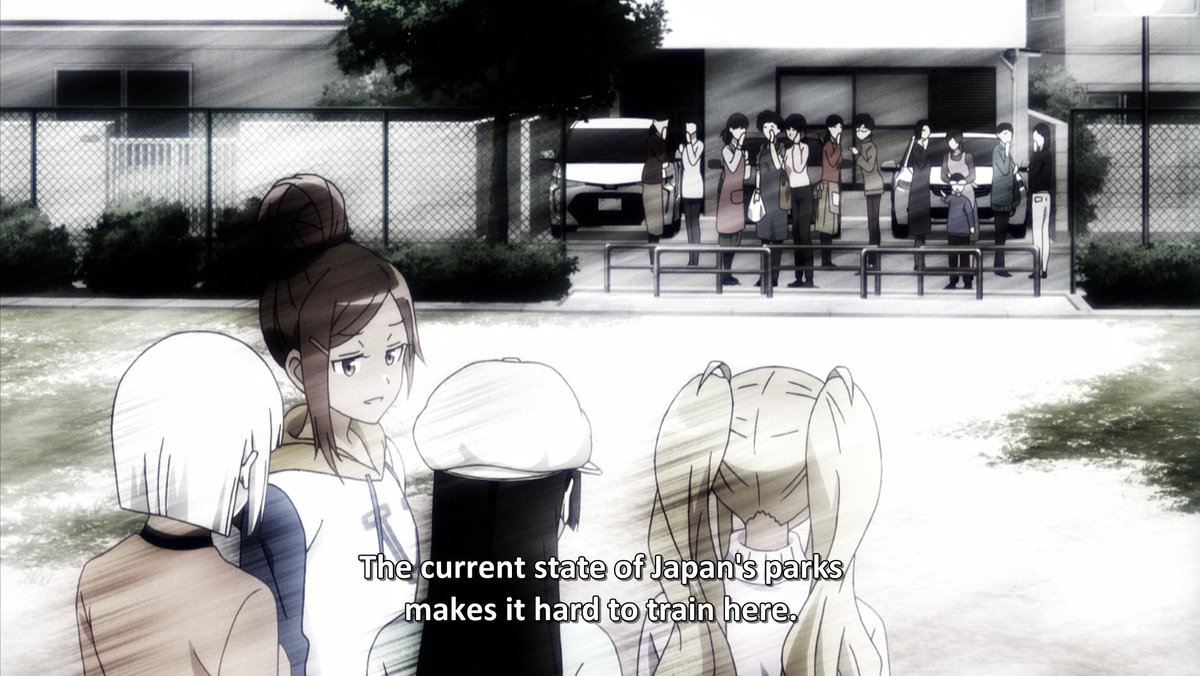
I was asked, ''What this scene means'' on DM.
This is a scene where they are working out in the park and a bunch of lady's say they are being suspicious.
Well, in Japan, there're less people who work out in a park or somewhare, than in the US or European countries. If you work out in a park, it's somehow a bit ''weird'' thing for older people.
Actually, this scene is a bit exaggerated. but, this is a kinda fact.
#ダンベル何キロ持てる?
~About Senpai(先輩)~
Only when calling superiors, you can use a name of his/her position as their names. Like "Senpai" or "Heichou," (兵長)etc...
You don't call someone who is in a lower position than you by their positions.
#長瀞さん#AttackOnTitan
@RahanAkero I can understand you. Boku gives impression like something kind so you using boku is good.
And It's so sympathetic of you changing your first person when drinking lol. I use '!washi'' when super drinking haha.
Also, which first persons we usually use depends on the person.
For example, I use ''Boku'' when talking with my family but normally use ''Ore'' in talking with my friends.
It depends on the person.
That's why this↓ heppens.(Via Your name)
#Japanese#YourName#kiminonawa
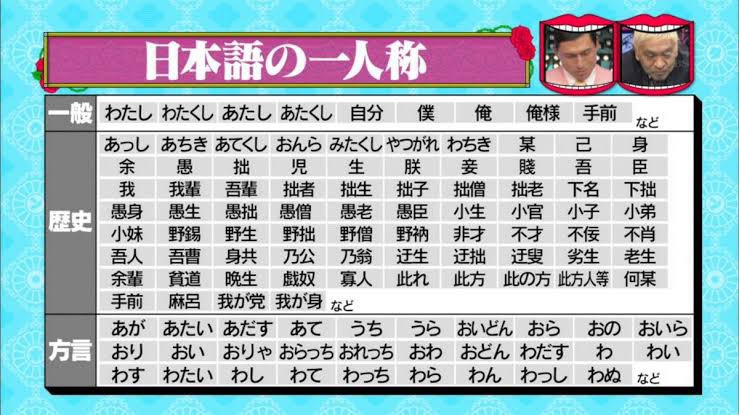
The first person in Japanese is various.
It is said that there are more than the 100 first persons.
わたし, おれ, ぼく, おら, わし, あたし...
Interestingly, each has each meaning though all are '' I ''.
For example, ''オラ'' sounds people in countryside.
#Japanese