Merry Estival, the summer solstice, and the longest day of the year in the Northern hemisphere. Since prehistory, the summer solstice has been a significant time of year in many cultures, and has been marked by festivals and rituals.
Yule (also called Jul, jól or joulu) is a winter festival historically observed by the Germanic peoples. Often associated with the burning of the trunk of the Yule tree, known as the Yule Log, it would feed the fire through the 12 Days of Christmas.
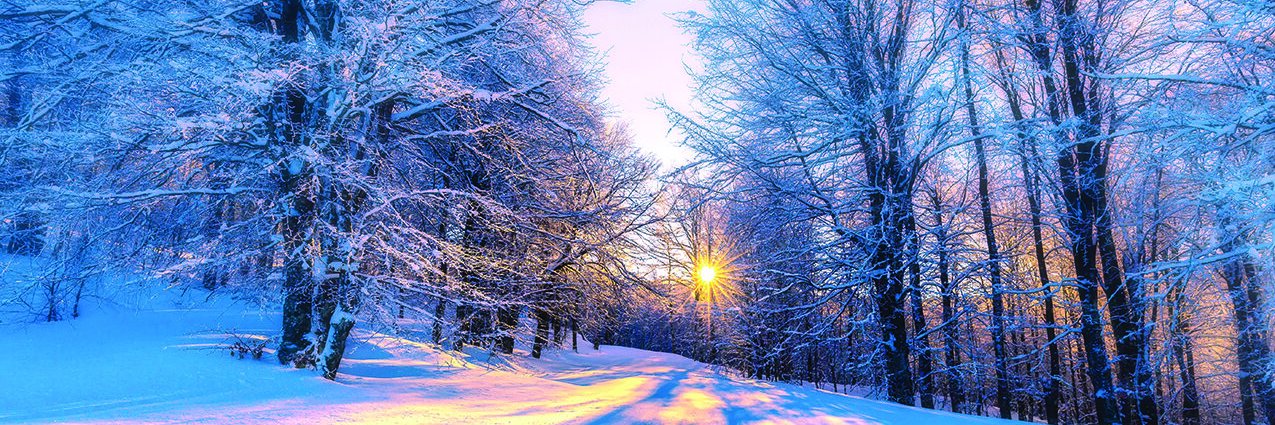
In the Northern Hemisphere, winter solstice, also called the hibernal solstice, occurs when the North Pole reaches its maximum tilt away from the Sun. The shortest day of the year is celebrated in many cultures as an important day in the solar calendar.
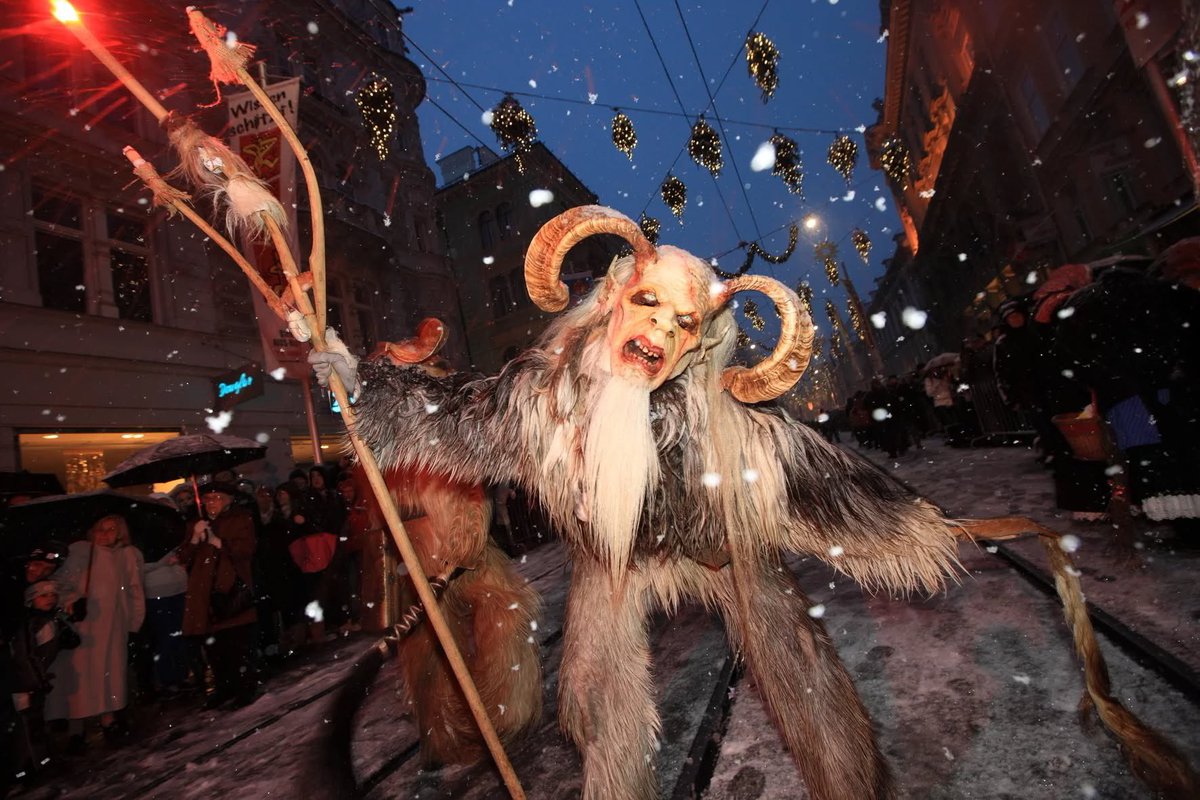
Happy #Krampusnacht!
Krampus is a horned, anthropomorphic figure in Central and Eastern Alpine folklore. Assisting Saint Nicholas, the pair visit children on the night of December 5, rewarding the well-behaved children and punishing the badly behaved ones with birch rods.
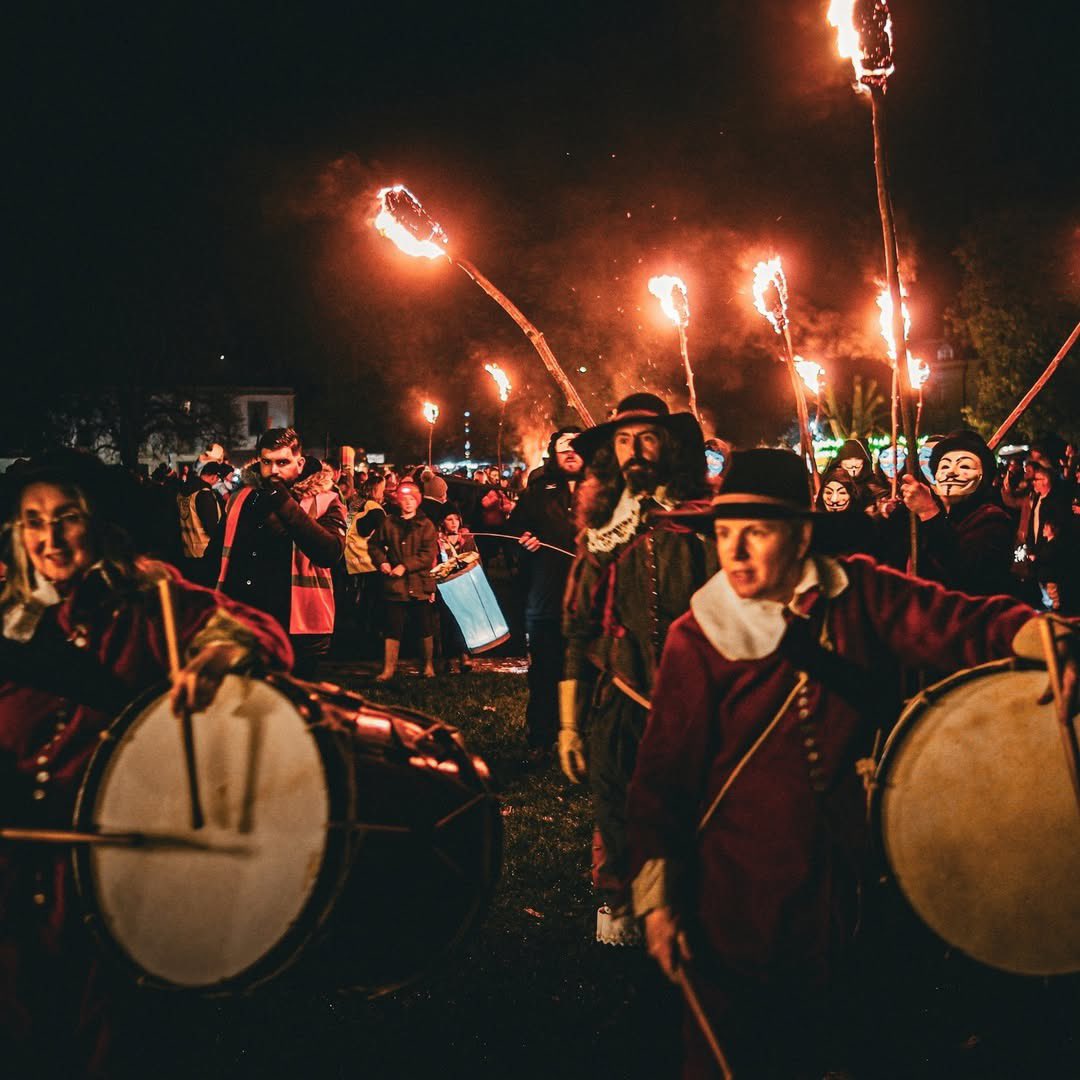
Samhain by Margaryta Yermolayeva.
Samhain is a Gaelic festival marking the end of the harvest season and beginning of winter or the "darker half" of the year. Celebrations begin on the evening of 31 October and continue throughout 1 November.