This week, Kimba was featured as a startup success story by @Google! Thank you for support in bringing us closer to our mission, which is leading the world in unlocking the power of scent - from sleep to everything we do!! 🙏
https://t.co/2KK2pRJv2e
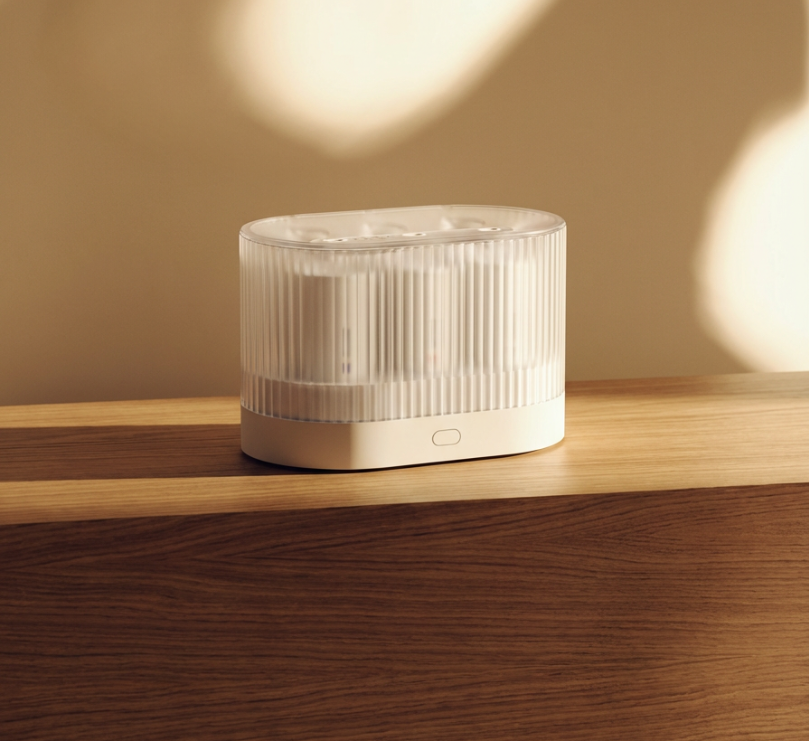
Kimba is a one-of-a-kind sleep system.
It is a bedside adaptive scent sleep system that combines built-in sensing, and natural-origin scent capsules designed for nighttime use.
Reserve your Kimba today: https://t.co/OqPbnfxwgw
Scent therapy sleep tech pioneer @Kimba_Sleep made its official debut on Jun. 16 with US$6.5 million in fresh funding.
#SleepTechnology#TechNews
https://t.co/ww84zEMRFM
Trying to improve your sleep quality? Start with your bedroom.
A high-quality mattress, blackout curtains, and the right pillow can all make a difference.
But one part of the sleep environment is often overlooked: scent.
Scent has a direct connection to the parts of the brain involved in stress, emotion, memory, and relaxation. That means the right scent at the right time can help signal to the body that it is safe to settle down and move toward deeper, more restorative sleep.
The challenge is that traditional aromatherapy is not very personal. A scent that helps one person relax might not work the same way for someone else. And when a diffuser releases scent constantly, the brain can quickly tune it out.
That is where Kimba comes in.
Kimba helps support better sleep through smart scent therapy, using real-time signals from your body to release the right scent at the right moment during the night.
Learn more at https://t.co/AEbcIM1sm6
Sleep tracking tells you what happened.
Kimba helps you do something with it.
Kimba connects to devices like Oura, WHOOP, Garmin, Apple Watch, and other health trackers, reads signals like HRV, heart rate, and sleep disruption, then releases gentle scent support in real time to help your body settle during the night.
Better sleep, supported while it happens.
Learn more at https://t.co/AEbcIM1sm6
Unpopular opinion: sleep hygiene advice is mostly correct, it just ignores the hardest part.
Getting into bed at the right time is easy. Actually relaxing when you get there? that's the problem.
Stress doesn't clock out because you turned the lights off.
Kimba reads your biometric signals and releases calming scents the moment your body shows signs of tension — before the racing thoughts even start.
Learn more at https://t.co/CpQ7Kva9WC
Poor sleep can keep cortisol elevated at the wrong time.
When that happens, the body stays closer to a stress state, which can affect mood, focus, anxiety, recovery, and overall mental health.
Sleep is when the nervous system gets a chance to regulate. Without enough quality rest, it becomes harder to feel calm, think clearly, and handle stress the next day.
Kimba supports that process through responsive scent therapy. By tracking biometric signals like movement, breathing patterns, HRV, and stress indicators, Kimba can detect when sleep needs support and release targeted scent at the right moment.
Better sleep starts with helping the body feel safe enough to rest.
Learn more at https://t.co/AEbcIM1sm6
Scent reaches the brain faster than most people realize.
When you breathe in a scent, it travels through the olfactory pathway, which is closely connected to the parts of the brain involved in memory, emotion, and association.
That’s why a certain smell can instantly remind you of a place, a person, or a specific time in your life before you even think about it.
Kimba uses that same connection in a simple way.
It releases scent into your sleep environment while you rest, helping you get deep, restorative sleep.
Learn more at https://t.co/CpQ7Kv9C74
AI is optimizing everything — your ads, your feed, your workouts.
We built one that optimizes your sleep, in real time, using scent.
Kimba reads your biometric data through your wearable, detects when your nervous system needs support, and delivers precisely-timed scent pulses to keep your brain in recovery mode through the night.
This is what AI-powered sleep looks like.
learn more at https://t.co/CpQ7Kv9C74🌙
Did you know: in medieval times, people often slept in two phases instead of one?
They would fall asleep for a few hours, wake up for a period in the middle of the night, and then go back to sleep again. This “segmented sleep” was a normal pattern long before modern schedules pushed us into one continuous block.
Nowadays, we expect uninterrupted sleep, but our bodies don’t always follow that pattern. Nighttime restlessness, waking up, or drifting into lighter sleep is still very common.
Kimba works with those natural shifts by supporting your sleep as it changes throughout the night, helping your body settle back into deeper, more stable sleep when it needs it.
learn more at https://t.co/CpQ7Kv9C74
Ever pushed your training harder… only to sleep worse?
It sounds backwards, but it happens more often than you’d think, and the reason is simple.
Hard training isn’t just physical effort, it’s stress on your entire system. Intense workouts spike adrenaline, norepinephrine, and cortisol, which help you perform in the moment but can stay elevated long after you’re done.
That means your body is still in “go mode” when it should be winding down.
There are a few clear signs this is happening:
trouble falling asleep after hard sessions, restless or shallow sleep, and waking up tired even after a full night in bed.
This is where most people try to fix sleep with routines or discipline, but the real issue is physiological.
Kimba works directly with your nervous system while you sleep, responding to signals like elevated heart rate or restlessness and releasing calming scent at the right moment to help your body shift out of that stressed state.
Learn more at https://t.co/CpQ7Kv9C74
Sleep supplements can help, but they’re inconsistent.
Melatonin, magnesium, ashwagandha, CBD…
They all try to “push” your body into sleep.
Sometimes they work, and sometimes they don’t.
Why?
Because most of them don’t address the part of your brain that actually decides if you can sleep.
That’s your limbic system.
If it’s still processing stress, you won’t fully switch into recovery, no matter what you take.
That’s where Kimba is different.
When your body shows signs of stress or disrupted recovery, it releases a precisely timed pulse of scent designed to calm the limbic system that helps your body shift back into a state where deep sleep can actually happen.
Learn more at https://t.co/AEbcIM1sm6
So what does coffee actually do to your sleep? ☕️
• Blocks adenosine → you don’t feel tired when you should
• Delays sleep onset → takes longer to fall asleep
• Reduces deep sleep → less recovery
• Increases awakenings → more fragmented sleep
• Stays in your system for hours → half-life ~5–7h ⏳
Why it matters: You might still sleep, but the quality drops, especially the deeper stages.
That’s what we focus on at Kimba, helping you get more out of the sleep you do get.
Learn more at https://t.co/CpQ7Kv9C74
Did you know?
Your muscles don’t actually recover during your workout, they recover during deep sleep.
This is when your body repairs microscopic muscle damage, releases growth hormone, and rebuilds tissue so it comes back stronger.
But this process only happens if you reach and stay in deeper stages of sleep. When sleep is short or fragmented, the body shifts out of that recovery state.
Kimba helps your body stay in the stages where recovery actually happens.
Learn more at https://t.co/AEbcIM1sm6
Olfaction is the only sense that bypasses the thalamus.
Instead of being filtered, it goes straight to the limbic system, the part of the brain that regulates emotion, memory, and stress.
That pathway doesn’t shut off when you fall asleep.
Even as the brain reduces how much sensory input it processes during sleep, olfactory signals can still reach these deeper regions.
This matters because many sleep disruptions aren’t caused by external stimuli, but by internal ones, like elevated heart rate, irregular breathing, or stress.
Olfaction gives us a way to influence those systems without interrupting sleep itself.
Learn more at https://t.co/CpQ7Kv9C74
Did you know World Sleep Day is on March 15 this year?
It was first established in 2008 by the World Sleep Society to raise awareness about how sleep affects our health, memory, focus, and mood.
Since then, it’s become a global reminder that how we sleep matters.
At @kimba_ai, we’re focused on helping people get the deep, restorative sleep that so often gets disrupted—through gentle, scent-based support that works with your body, not against it.
Learn more at https://t.co/AEbcIM1sm6
Caffeine doesn’t just make it harder to fall asleep, it changes how you sleep.
Caffeine blocks adenosine, the chemical that builds up sleep pressure throughout the day. Even hours later, it can reduce time spent in deep sleep and make recovery more fragmented.
You may still get 7–8 hours in bed, but the quality of that sleep can be very different.
Good sleep isn’t only about when you fall asleep.
It’s about how much time your body spends in the restorative stages of sleep.
Kimba focuses on helping people get more high-quality sleep by supporting deeper recovery throughout the night.
https://t.co/AEbcIM20bE
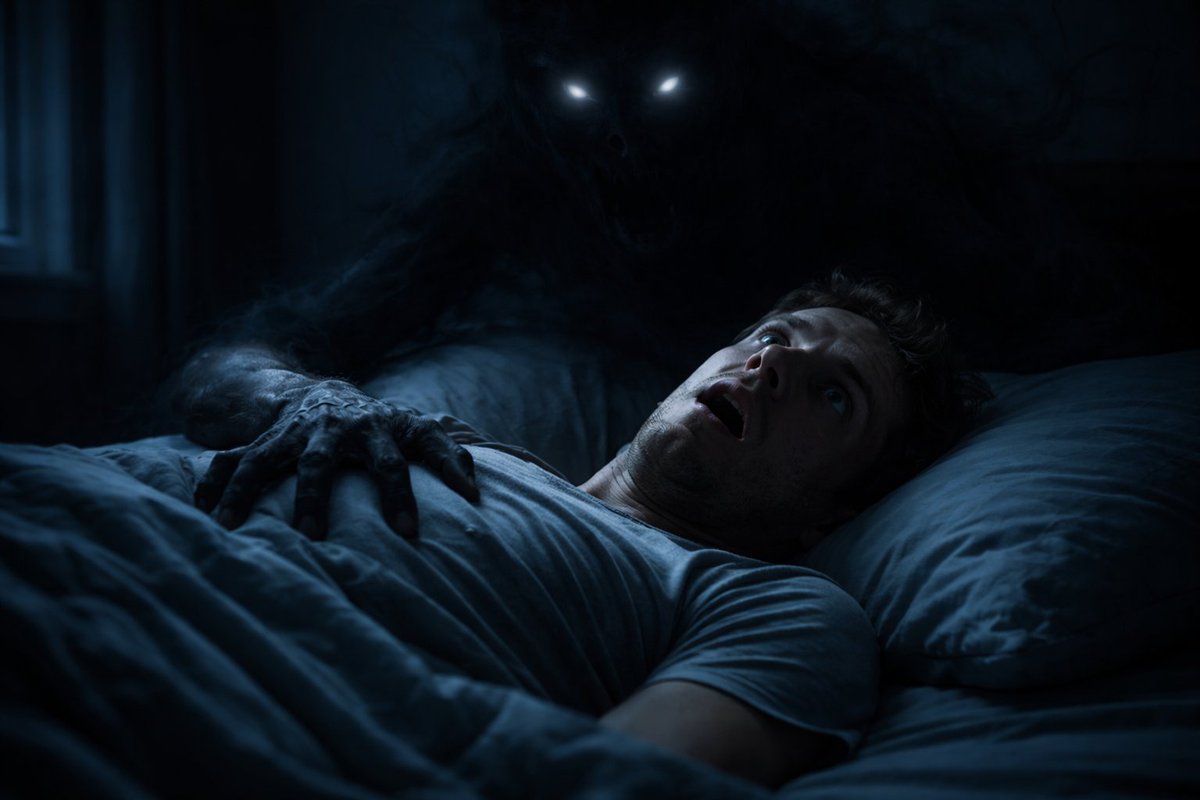
Sleep paralysis happens when your mind wakes up before your body fully exits REM sleep.
Your muscles are still switched off, your nervous system is half-dreaming, half-awake, and the experience can feel intensely real.
Episodes are more common when sleep is fragmented or recovery is poor.
The goal isn’t forcing sleep. It’s stabilizing the nervous system during sleep itself.
That’s the layer we focus on at Kimba, supporting deeper overnight recovery so sleep transitions happen more smoothly.
Learn more at https://t.co/AEbcIM1sm6
Night owl?
There’s a common assumption that if you go to bed late, you’re automatically sabotaging your sleep.
But timing is only part of the equation. What matters more is what happens once you’re actually asleep.
You can fall asleep at 1 a.m. and still recover well. You can fall asleep at 10 p.m. and wake up feeling depleted. The difference isn’t just bedtime. It’s depth.
Deep sleep is where the real restoration happens. That’s when growth hormone peaks, HRV rises, and the nervous system fully shifts out of fight-or-flight.
Without enough deep, high-quality sleep, you may log the hours but miss the recovery.
At Kimba, we focus on that deeper layer. Not on forcing earlier bedtimes or reshaping your schedule, but on supporting stronger recovery once you’re already asleep.
learn more at https://t.co/AEbcIM20bE
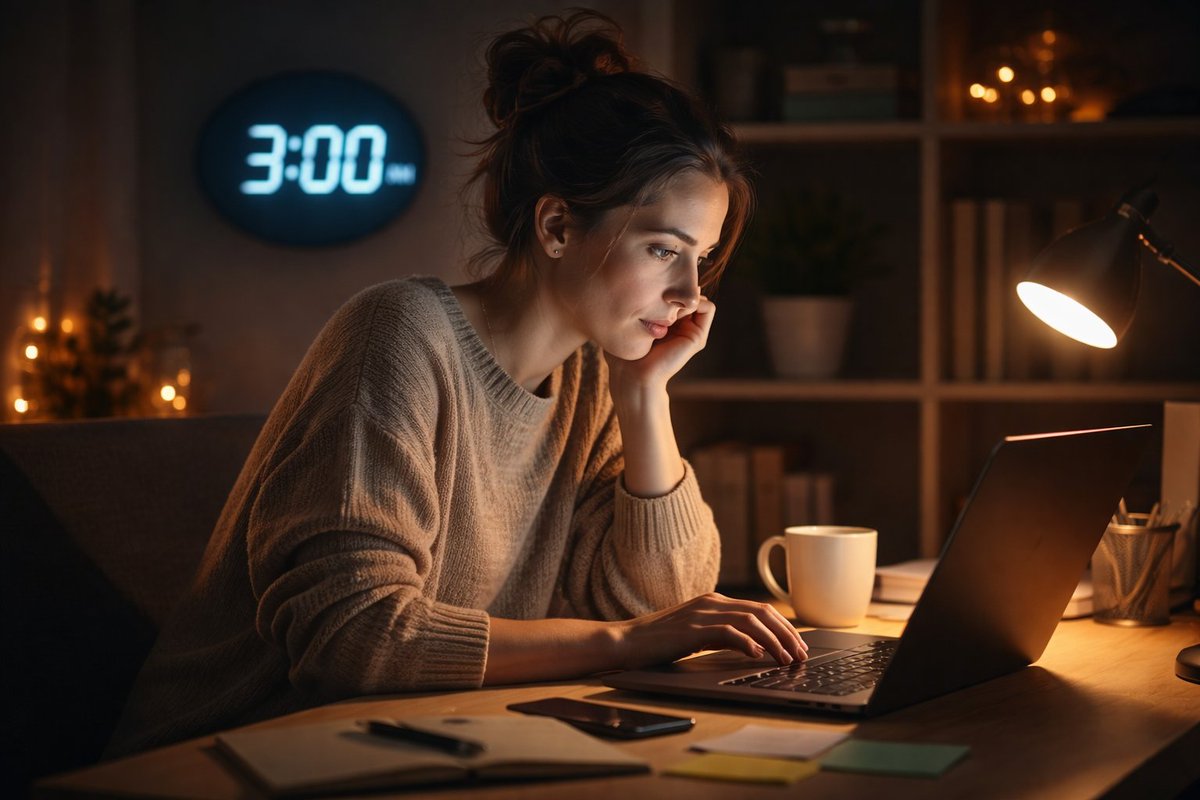
Ever feel exhausted but your brain still won’t let you sleep?
There’s a “2-minute sleep technique” popularized in Bud Winter’s Relax and Win that starts by relaxing your body top to bottom: jaw, shoulders, arms, chest, legs.
Then you quiet the mind by focusing on your breathing + visualizing something calm (like floating on a still lake).
Even if it’s not exactly 2 minutes, the idea is the same: shift your nervous system from alert mode into rest mode.
That’s also what Kimba supports during the night, helping your body settle when sleep gets restless.
Learn more at https://t.co/CpQ7Kv9C74