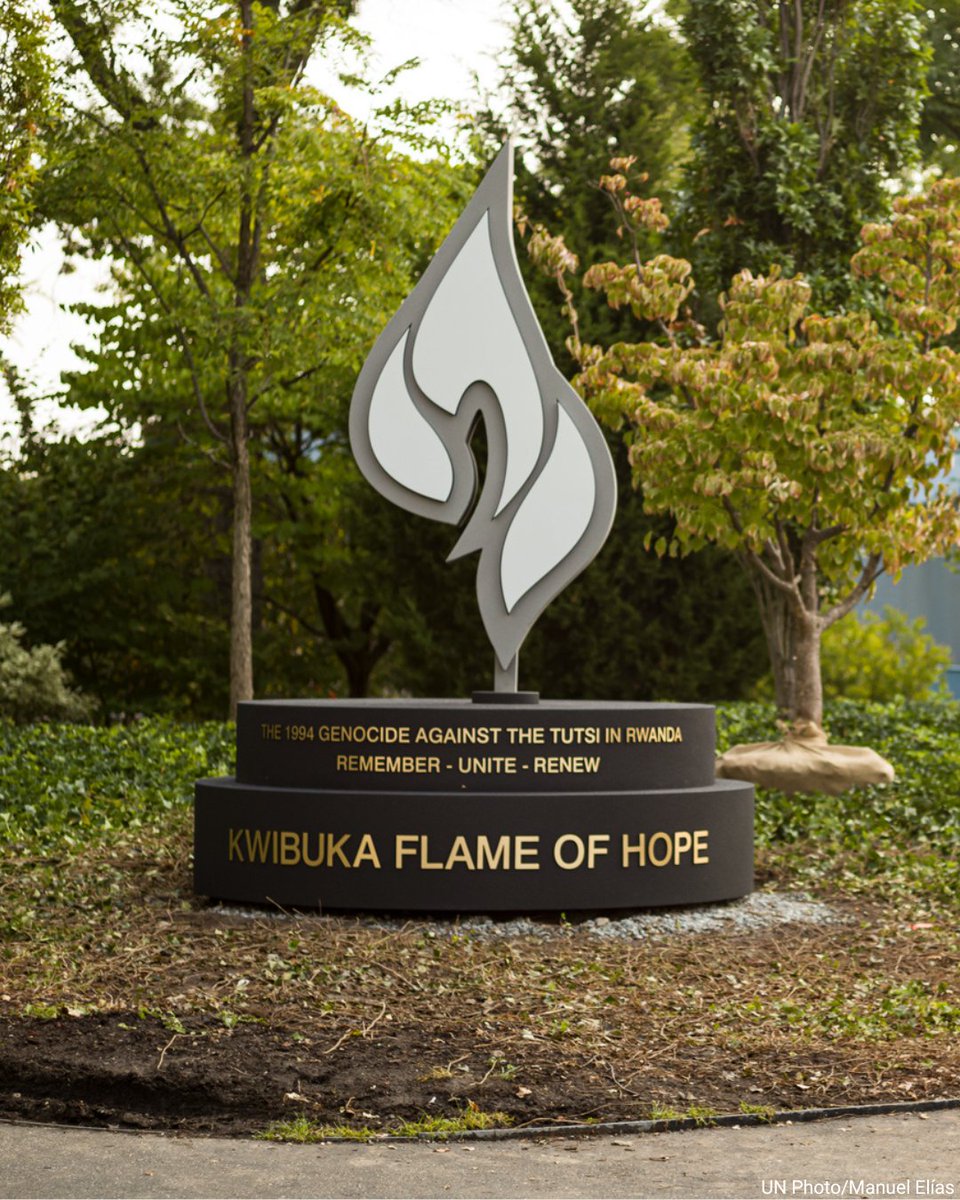
More than one million people were killed in the 1994 genocide against the Tutsi in Rwanda.
Learn how propaganda and hate speech broadcast on the radio played a critical role in the atrocities.
https://t.co/fq9XwQAURc
"This genocide is called the Genocide against the Tutsi in Rwanda ... Each time you hear anybody say 'the Rwandan Genocide' and if any of you is using the term 'Rwandan Genocide', you are using the language of genocide deniers," @WairimuANderitu, Former UN Special Advisor on the Prevention of Genocide.
#SymposiumOnGenocidePrevention
#Kwibuka32
Full video:
https://t.co/xzkgTKbPKZ
This is Rwanda 🇷🇼 Not England;
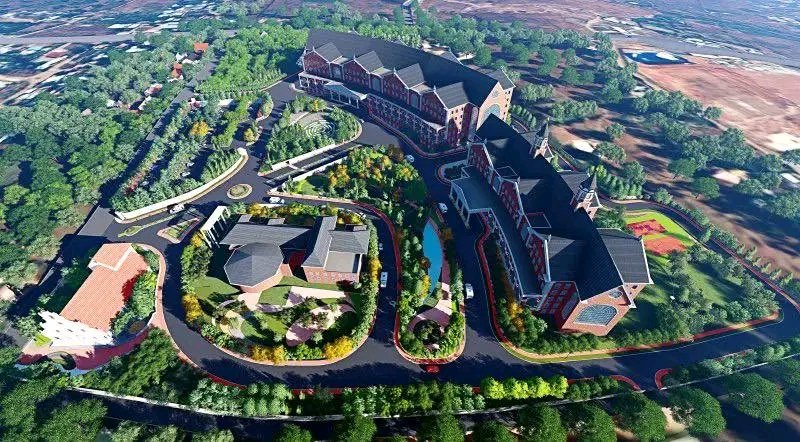
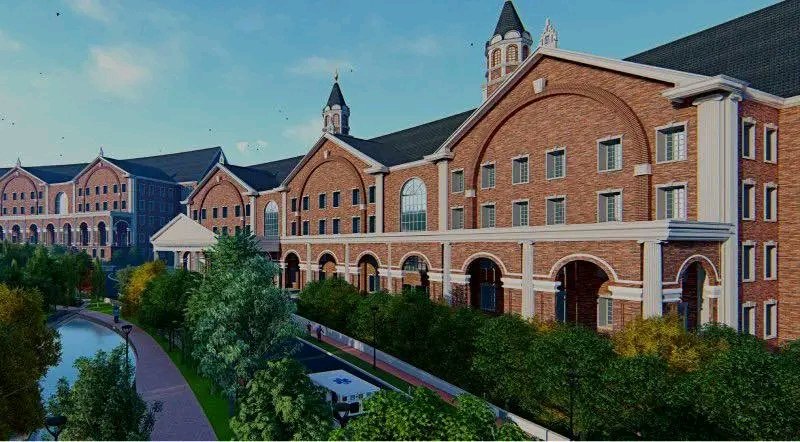
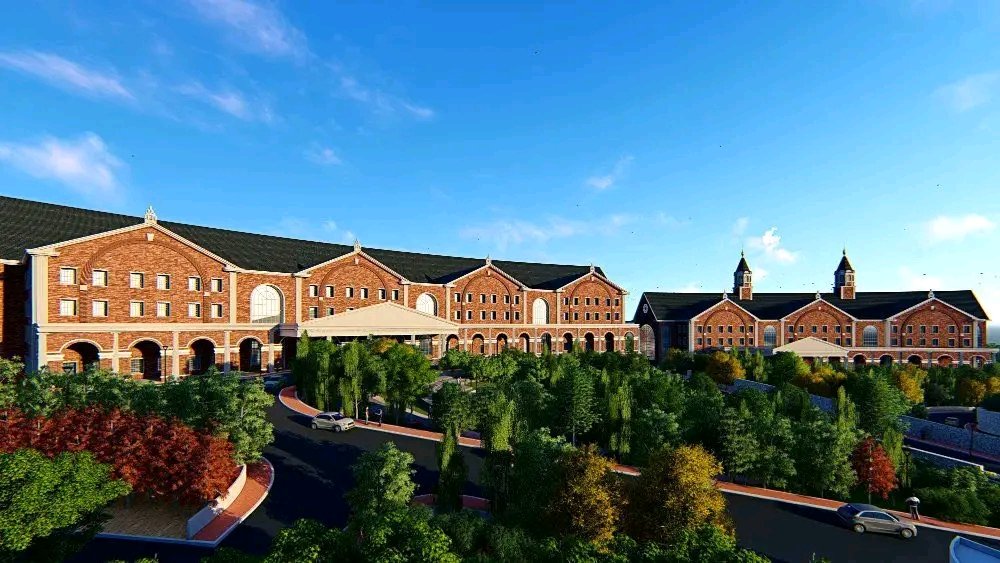
A new hospital project in Rwanda is being positioned as a future hub for faith-based healthcare and medical training across Africa. Backed by GFA World and partners, the soon to be opened state-of-the-art facility is expected to include around 300 beds, specialist departments such as cardiology, neurology and intensive care, alongside future medical university and research center components.
The project aims to train African doctors, nurses and researchers while expanding access to quality healthcare. Organizers say the hospital could serve more than 500,000 patients in its first two years and become a launchpad for outreach programs, clinics and other initiatives across the continent. Rwanda was chosen as the first phase due to its stability and development progress.
If you really love this Progress of Rwanda in development don't slide on without atleat ❤️🔄
#RwandaWorks
Kuko u Rwanda rukwiye ibyiza
@RwandaHealth@FactsOnRwanda@RwandaInfra@GFAWorld
April 20, 2026, is a specific day of remembrance for the last queen of Rwanda Rosalie Gicanda, of blessed memory, assassinated in Butare during the genocide perpetrated against the Tutsi.
The date commemorates her and recalls the particularly horrific three days from April 20 to 23, 1994, which were the deadliest during the genocide. On April 21, 1994 alone, more than 250,000 Tutsi were killed in various locations, including Kinazi, the city of Butare, Karama, Cyanika, Murambi, and Kaduha, to name just a few. Starting on April 18, 1994, the expansion of the genocide into prefectures in the south and west of the country was a deliberate strategy of the genocidal government to eliminate ongoing resistance in Gitarama, Butare, Gikongoro, and Kibuye.
Cyangugu was among the prefectures which quickly started the genocide on April 7, 1994 in Kamembe, Mururu, Kibogora, Nyamasheke, Mwezi, Hanika, Gihundwe, Bugarama, Mushaka, Nyabitimbo, Nkanka, Shagasha, Gisakura, Bushenge, Ntendezi, etc. Almost all of the Tutsi were exterminated from April 7 to 12 1994, with the exception of very rare sites of Mibilizi and Nyarushishi.
Strategy used:
Starting on April 18, 1994, a vast mobilization of the genocidal government led by Dr. Théodore Sindikubwabo and Prime Minister Jean Kambanda took place. They traveled to Butare and Gikongoro to issue a general call for genocide. President Sindikubwabo dismissed the prefect of Butare, Dr. Jean Baptiste Habyarimana, on April 19, 1994, who was doing his best to prevent the genocide. He then installed the Hutu extremist Sylvain Nsabimana, who actively oversaw the widespread and systematic killing of Tutsis. President Sindikubwabo dispatched his close associates from Butare to support Prefect Nsabimana. These included the Minister of Family Affairs, Pauline Nyiramasuhuko; the Chief of Staff at the Ministry of the Interior, Callixte Kalimanzira; the Minister of Agriculture, Straton Nsabumukunzi; Members of Parliament Laurent Baravuga and Bernadette Mukarurangwa; and other prominent figures involved in the genocide. This clique of criminal politicians mobilized all the mayors, who answered the call to genocide, with the exception of the courageous Jean Marie Vianney Gisagara of Nyabisindu and Narcisse Nyagasaza of Ntyazo, who were punished with immediate and atrocious public executions. Also playing a leading role were sub-prefects Dominique Ntawukuriryayo (Gisagara), Assiel Simbalikure (Busoro) and Gaëtan Kayitana (Nyabisindu).
Military officers and gendarmes, including Colonel Alphonse Nteziryayo, Lieutenant Colonel Tharcisse Muvunyi and Captain Ildephonse Nizeyimana, both in charge of the Non-Commissioned Officers' School, Lieutenant Ildephonse Hategekimana, commander of Camp Ngoma, Majors Alfred Rusigariye and Cyriaque Habyarabatuma of the Butare Gendarmerie Brigade, and Captain François Xavier Bilikunzira of the Nyanza Territorial Brigade, assisted the genocidal politicians in the extermination of the Tutsi in Butare. Kambanda, Nyiramasuhuko, Kalimanzira, Nsabimana, Nizeyimana, Muvunyi, Nteziryayo and Hategekimana were tried and found guilty of genocide by the International Criminal Tribunal for Rwanda. Habyarabatuma was found guilty of genocide by the Rwandan justice system. Bilikunzira and Rusigariye are fugitives.
The prefecture of Gitarama was entrusted to the sinister Callixte Nzabonimana, Minister of Youth, supported by Major Jean Damascène Ukurikiyeyezu, both from the same prefecture. Shingiro Mbonyumutwa, Chief of Staff to Prime Minister Kambanda, set up a checkpoint for sorting and massacres in front of his house in Gitarama. Shingiro Mbonyumutwa, a prominent member of the MDR Power party, also relentlessly waged a media campaign inciting genocide, using extremist media outlets including Radio Rwanda, which had ceased to be a public radio station serving the public interest and had clearly chosen the side of genocide. The Hutu prefect, Fidèle Uwizeye, who had been maintaining peace, was in turn dismissed but was fortunate enough to escape death. For the accomplishment of the genocide, Fidèle Uwizeye will be replaced by the Major Jean Damascène Ukulikiyeyezu who excelled in the extermination of the Tutsi.
The prefecture of Kibuye will also receive special attention from this genocidal government. Four ministers from the region will be dispatched to assist the sinister prefect, Dr. Clément Kayishema. These are Edouard Karemera, Minister of the Interior; Agnès Ntamabyaliro, Minister of Justice; Emmanuel Ndindabahizi, Minister of Finance; and Eliézer Niyitegeka, Minister of Information. Karemera, Ndindabahizi, Kayishema, and Niyitegeka were all sentenced to life imprisonment by the International Criminal Tribunal for Rwanda and all died in prison while serving their sentences. Ntamabyaliro was tried and sentenced to the same term by Rwandan courts. This band of murderers is at the head of the genocide in their home prefecture, particularly in Bisesero, Mugonero, and Stade Gatwaro. Nyamishaba, Hôme Saint Jean, Crête Congo Nil, Birambo, Mubuga, and others.
The Gikongoro prefecture will suffer the same fate, with Colonel Aloys Simba being dispatched to support Prefect Laurent Bucyibaruta and Gendarmerie Captain Faustin Sebuhura. Bucyibaruta and Simba are natives of this prefecture. Sebuhura is from Ruhengeri. This trio, surrounded by other extremists including sub-prefects Joseph Ntegeyintwali of Karaba, Damien Biniga of Munini, and Joachim Hategekimana of Kaduha, as well as heads of departments in prefectural institutions such as Justin Ayurugari, director of Electrogaz (the public electricity and gas company), Celse Semigabo, the public prosecutor, Venuste Nyombayire, director of the NGO SOS, and directors of tea factories including Denis Kamodoka of Kitabi, Juvénal Ndabarinze of Mata, Célestin Mutabaruka of the Crête Zaïre Nil Agricultural Project, and others, formed a formidable group for organizing and perpetrating the genocide in Gikongoro. Simba was convicted by the International Criminal Tribunal for Rwanda. Bucyibaruta by the French courts. Ntegeyintwali and Hategekimana by the Rwandan courts. The others are fugitives.
In short, the genocide committed against the Tutsi was a state crime, planned by the Habyarimana regime and meticulously executed by his successor, Dr. Théodore Sindikubwabo, his government, his army, and his militias. The genocide was stopped only by the Rwandan Patriotic Front.
Never again.
Plus jamais ça.
Ntibizongera. Harabaye ntihakabe.
@NicolasMayerNMR You sound to have good intention in reporting this horrible act. But, learn to say “Genocide Against the Tutsi”. It isn’t that long to type, if genocide deniers/ perpetrators aren’t the guys you‘d rather hang out with. #Kwibuka32
Long before it turned genocide denier, the @BBC produced a documentary that exposed three truths:
One: The genocide against the Tutsi was planned.
Two: The plan was known to the US State Department months before hell was unleashed on Rwanda’s Tutsi.
Three: The attack on the plane was nothing but a pretext to unleash genocidal violence.
"Rwanda, That Local Thing" is just one episode among eight in a series called Corridors of Power: Should the US Police the World?
Here is what British investigative journalist @lindamelvern writes in her recent article, "A preventable genocide, a denied responsibility: What 'Corridors of Power' reveals about Rwanda":
"Anyone who had bothered to examine the cables from Kigali, carefully filed in the State Department’s Africa Bureau, would have found the outline of a planned, political campaign to exterminate the Tutsi."
Read more: https://t.co/FelmK9PfN3
Let that sink in. They knew.
The documentary goes further, revealing that the extermination plan was personally disclosed to General Roméo Dallaire, commander of UNAMIR, back in January 1994… by a regime insider.
Here was the plan, in cold blood:
-Kill Belgian peacekeepers to drive the UN mission out.
- Then kill all Tutsi.
Lists of Tutsi were drawn up. Weapons stockpiled. Tens of thousands of Interahamwe militias trained and mobilized.
The media, the RTLM, would do the rest, whipping the masses into a killing frenzy.
Three months before the genocide, three months before the plane was struck, the plan was already laid out, ready to be executed.
The attack on the plane, launched from the Kanombe military barracks, controlled by the genocidal army, was never the cause. It was the excuse.The signal to begin the slaughter.
Anyone who tells you otherwise is a genocide denier.
Plain and simple.
Cc: @ali_naka@Ali_Rukaliza@albcontact@wmnjoya@RobCyubahiro@byukavuba@dr_dash250@onduhungirehe@DavidHundeyin@Nath_Yamb@cobbo3@AndrewMwenda@DavidNdii@EFFSouthAfrica@MbuyiseniNdlozi
[Verse 3]
Now the hills of this land sing, to the hope tomorrow brings, hear the song!
We rebuild what hate destroyed, fill the silent, empty void,
Brick by brick and soul by soul, we restore a nation’s whole,
In this new and shining dawn, reconciliation leads us on.
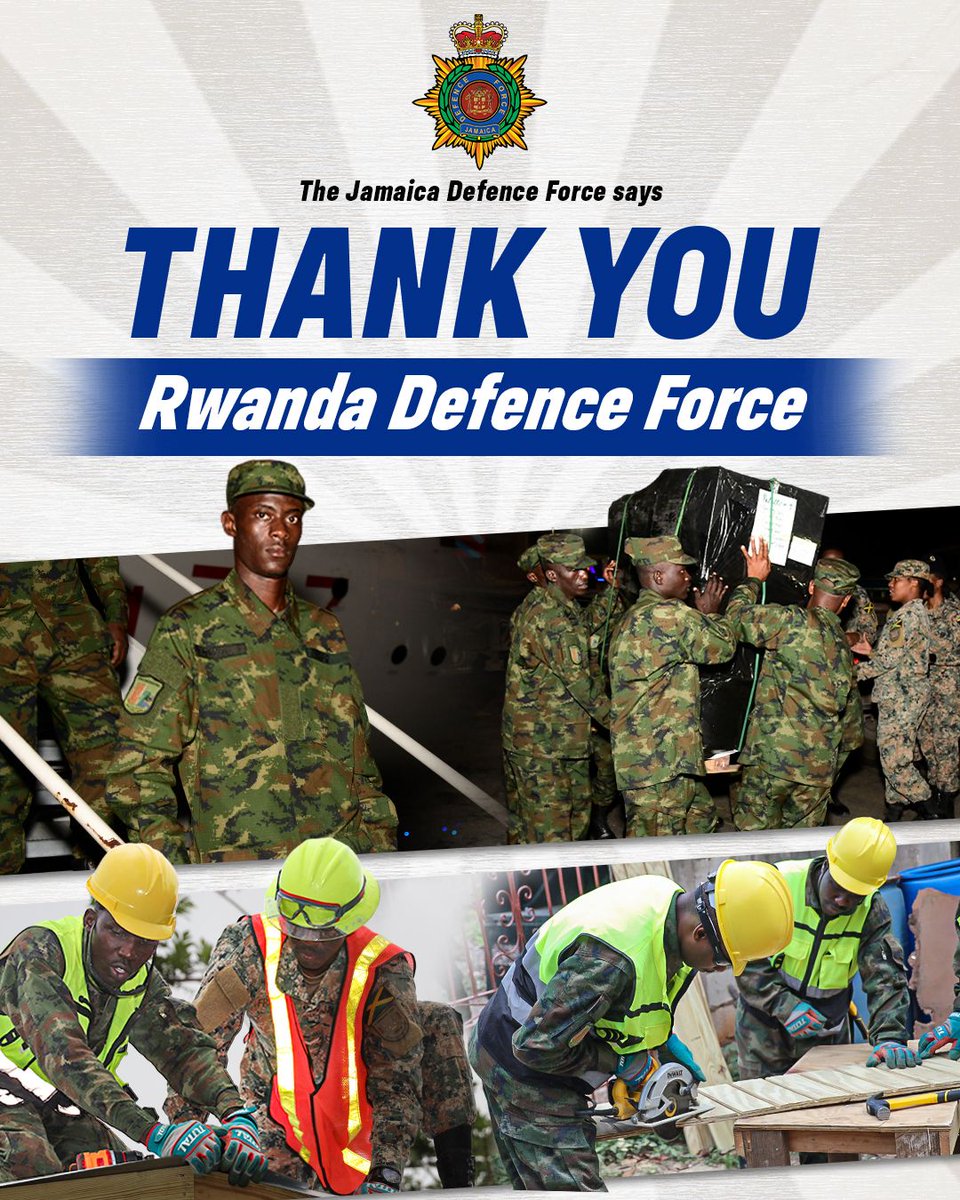
🇷🇼🇷🇼🇷🇼THANK YOU FOR YOUR SERVICE RDF!🇷🇼🇷🇼🇷🇼
The Jamaica Defence Force thanks the Government and people of Rwanda and the @RwandaMoD for their generosity, support and commitment to Jamaica’s rebuilding effort following Hurricane Melissa.
Irréel mais vrai.
En 2025, des propos négationnistes sur le Génocide des Tusti au Rwanda sont tenus tranquillement dans l’hémicycle par un député RN.
Le chemin de la pleine reconnaissance de ce crime contre l’humanité est encore long mais nous ne laisserons rien passer.