I teach English in Japan. I've lived in Japan more than 20 years. All are welcome.
Anti-WOKE. Pro-Jesus. Pro-Prayer. Pro-Forgiveness.
英語学習、英会話、英表現, Idioms
Inspiration
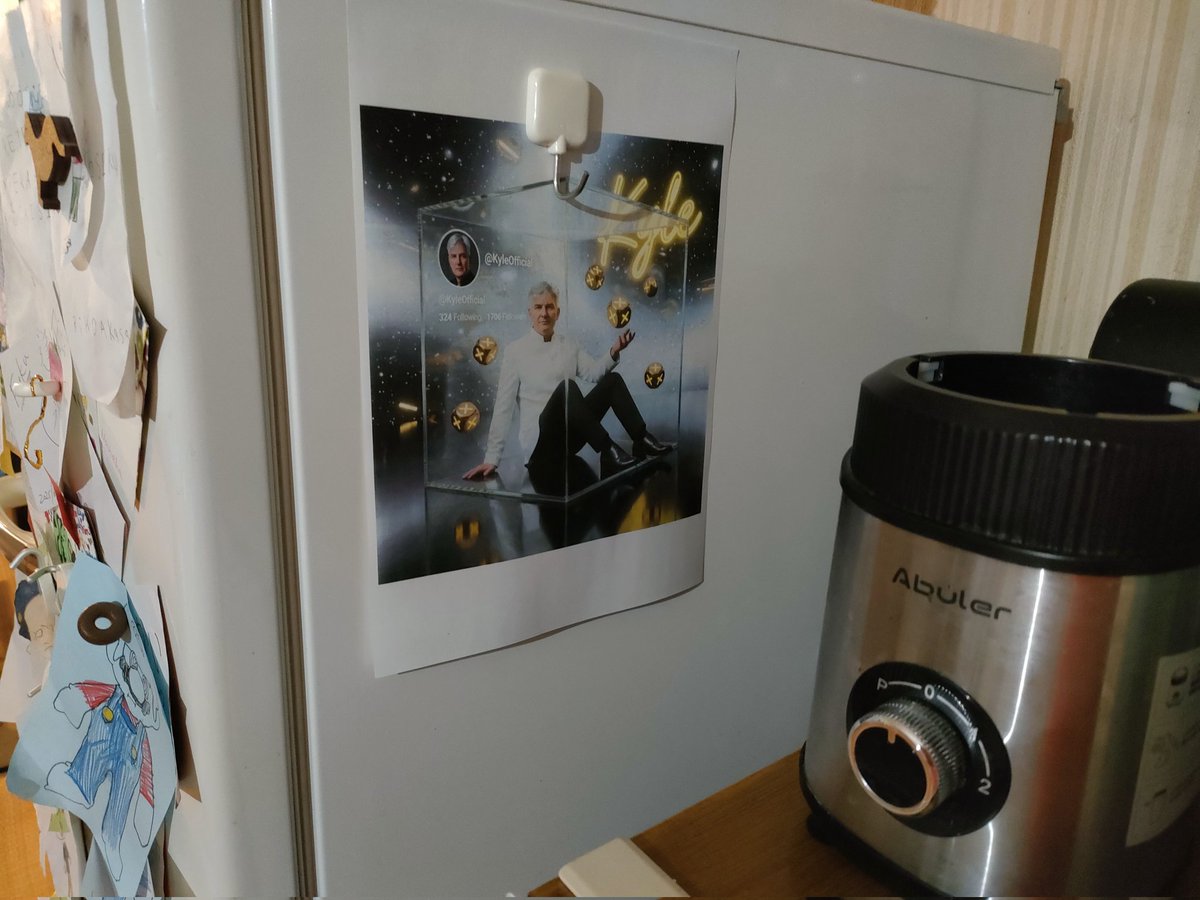
This is my inspiration to lose weight. (@undercolourlvrs) Rachel, Thank you for creating this inspirational image to motivate me.
#inspiration
英語学習:
This is perfect English grammar, BUT!, I wish I had the opportunity to be consulted before they made this sign. This is not a standard public facing way to say this nor very kind. It made me giggle 🤭 a bit actually.
How would YOU try to say this in English 🤔?
こんにちは!🌞
“A person who never made a mistake never tried anything new.”
「失敗しなかった人間とは新しいことに挑戦しなかった人間である」
— Albert Einstein
記事を公開しました。すてきな一日を✨
人生を変えたい人へ。モハメド・アリの名言「50歳になった時、20歳の…」英語&和訳(偉人の言葉)|鈴木隆矢(ほんやく) @nihongovseigo #この経験に学べ https://t.co/fyagDKj7bQ
Inspiration
This is my inspiration to lose weight. (@undercolourlvrs) Rachel, Thank you for creating this inspirational image to motivate me.
#inspiration
@undercolourlvrs@grok I need to print that out and stick it on my refrigerator. Maybe I'll stop eating so much. 😂 😂. WOW that photo makes me look and feel better.
First, I wonder which guy you are thinking of when you talk about "punching him." 😂
Anyway, technically, I think 'had had' and 'had punched' are important to keep in these statements to maintain grammatically clean grammar structures. But, speaking habits tend to roll off into our writing. I think your point about the visual aesthetics of 'had had' is a real thing, too.
What also needs consideration when analyzing this sentence is that the main verb was 'wish.' If the main verb had been 'hope,' we would be having a totally different conversation.
'Wish' throws some extra nuanced considerations into the texture of the meaning over all.
In the end, you are right for assessing that 'had had' is probably the more grammatically correct way to write it.
🔸絶対に…してはいけない
Whatever you do, don't fall asleep.
とにかく絶対に寝てはいけない
Whatever you do, don't turn around.
とにかく絶対に振り向いてはいけない
Whatever you do, don't let go.
とにかく絶対に手は離すな
Whatever you do, don't touch it.
とにかく絶対に触っちゃダメ
Whatever you do, don't drink it.
とにかく絶対に飲んではダメ
Whatever you do, don't look down.
とにかく下は見るな
Whatever you do, don't scream.
とにかく、大声だけは上げるな
Hi! Good morning "I wish I had the opportunity..." is totally fine and very common. It expresses a present wish about a past situation. "Had had" works too but sounds more formal. Most natives use the shorter version.
The reason this shorter version works is very similar to the double 'go' rule being truncated.
Look at these examples and pay close attention to the one with 'go.'
* I'm going to eat a sandwich.
* I'm going to study.
* I'm going to go to the library.
The patterns above all expose ...
<verb>-ing to <verb>
... as a pattern to describe future intent.
But, in the case of 'go' we can actually collapse the repetitiveness into ~
** I'm going to the library. **
None of the meaning has been lost by using this form. It still expresses or implies a future tense.
This is similar to collapsing 'had had' into 'had.'
A good framing might be, how would an book vs newspaper editor treat the situation? A newspaper editor might take the formal route, while a book editor might opt for the conversational tone.
Thanks for asking! You really made me put my thinking cap on.