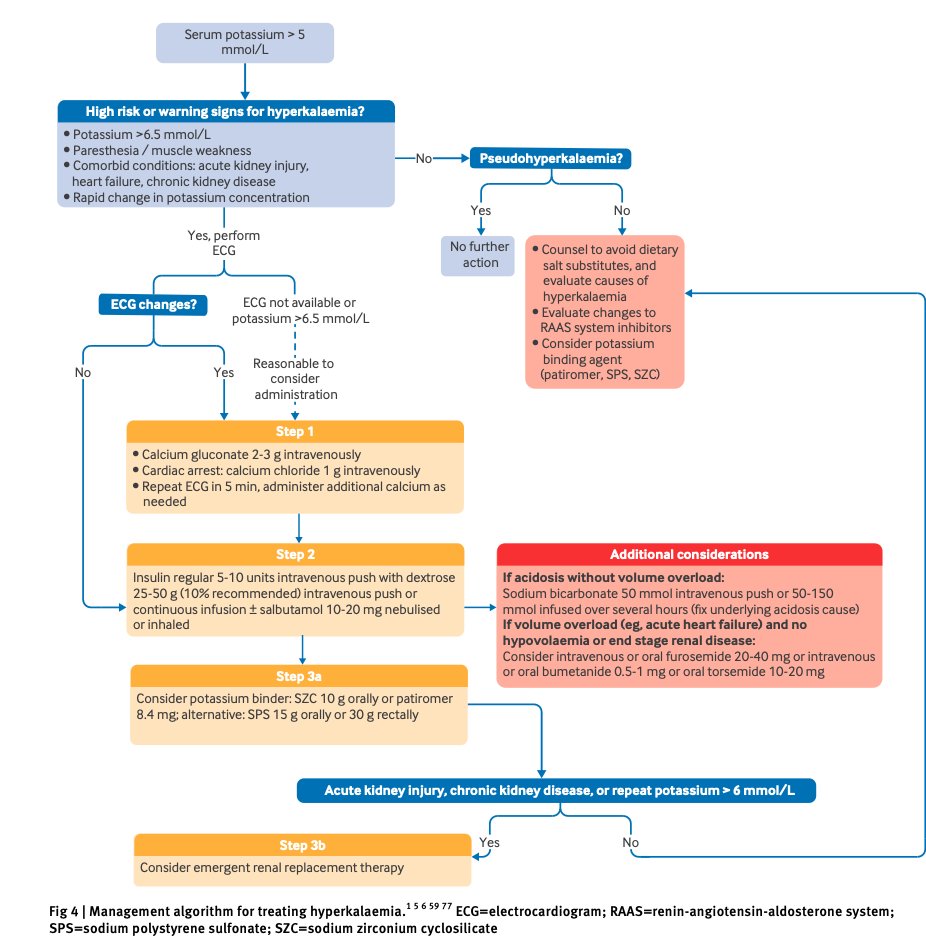
Nueva revisión de hiperkalemia aguda (BMJ 2026). Lo que cambió, y que probablemente sigas haciendo:
🔴 Dextrosa al 10%, no al 50%. La glucosada hipertónica puede EMPEORAR la hiperkalemia.
🔴 Insulina 5 U (o 0.1 U/kg, máximo 10 U). Misma caída de potasio que con 10 U, con casi la mitad de hipoglucemias (OR 0.55).
🔴 1 g de gluconato de calcio no sirve. 97% necesitó tres dosis de 1 g y una sola dosis no funcionó en NINGUNO. Dosis: 1-3 g.
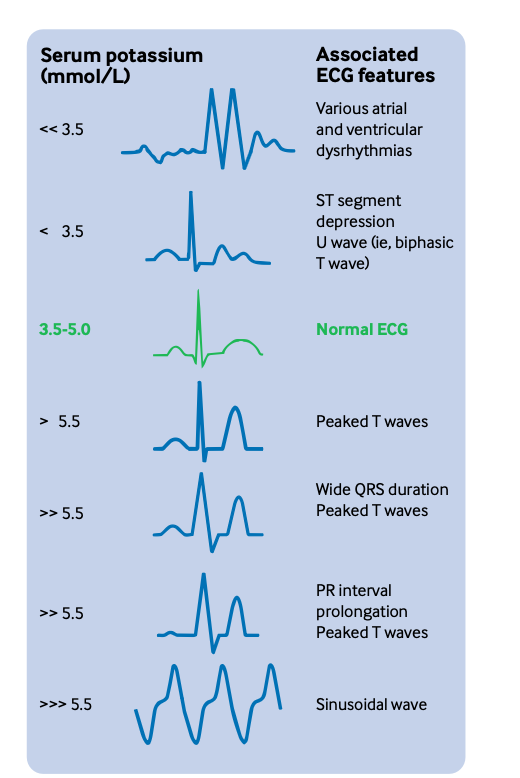
🔴 El calcio no "estabiliza la membrana". Restaura la conducción por canales de calcio. Traducción práctica: sirve cuando hay QRS ancho, no en la onda T picuda aislada.
🔴 Bicarbonato: no se recomienda de rutina.
🔴 La onda T picuda aparece en menos del 25% de los pacientes con K de 5.5-7.0. Un ECG normal NO descarta hiperkalemia.
🔴 Reevalúa el potasio a los 60 min y otra vez a las 2-4 horas. El rebote es frecuente
El tema ya está re-escrito y actualizado en Memodi y Accio. Completo en el canal (https://t.co/3O93s10lns).
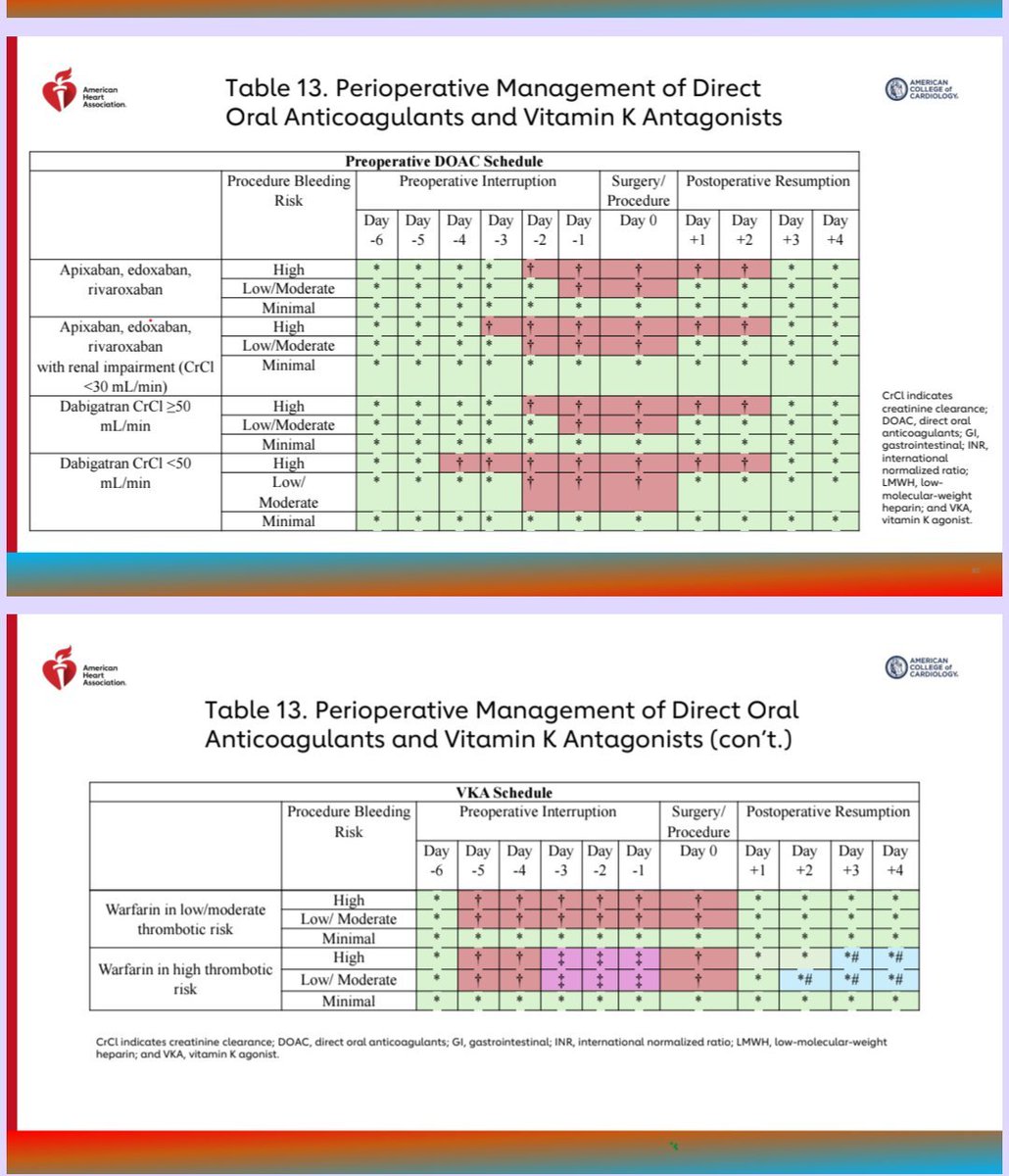
How long should anticoagulants be withheld before elective surgery?
◻️Apixaban: 1 day (low/moderate bleeding risk), 2 days (high risk)
◻️Rivaroxaban: 1 day (low/moderate), 2 days (high)
◻️Edoxaban: 1 day (low/moderate), 2 days (high)
◻️Dabigatran: 1-4 days depending on bleeding risk & renal function
◻️ Fondaparinux: 36-42 hours
◻️ LMWH: 12 h (prophylactic), 24 h (therapeutic)
◻️ UFH: IV 4-6 h; SC 12–24 h
◻️ Warfarin: Stop 5 days before surgery; confirm INR before the procedure.
Adjust timing for renal impairment, neuraxial anesthesia, and individual patient risk. Bridging is reserved for selected high-thrombotic-risk patients.
Reference: 2024 AHA/ACC Guideline for Perioperative Cardiovascular Management for Noncardiac Surgery, Table 13.
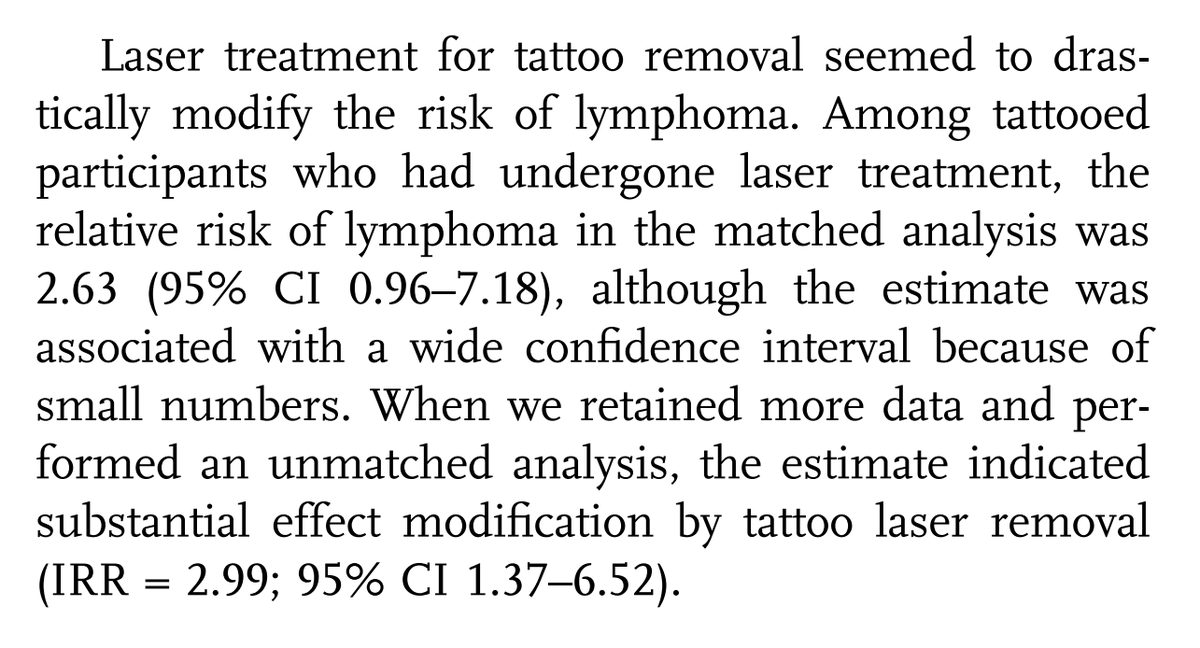
Tener tatuajes se asocia a un 29% más de riesgo de melanoma y a un 21% más de riesgo de linfoma maligno.
Y eliminarlos con láser se asocia a un aumento del 200% del riesgo de linfoma maligno, probablemente por la fragmentación de los compuestos tóxicos de la tinta.
Os anti-vacinas adoram falar que as vacinas da COVID causam problemas cardíacos.
E sim, uma delas realmente causa:
Vacinas mRNA, como a da Pfizer, aumentam o risco de uma miocardite.
Mas tem um "detalhe" nessa história que os anti-vacinas nunca te contaram
The 60/60 sign is a cardiac #POCUS finding used to support the bedside diagnosis of acute pulmonary embolism. It refers to the simultaneous presence of two measurements, both involving the number 60.
RV outflow tract (RVOT) acceleration time ≤60 ms - This is the time from the onset of blood flow through the pulmonary valve to its peak velocity. In acute PE, the sudden obstruction causes blood to accelerate and decelerate abnormally fast, producing a "truncated" or shortened flow profile.
Pulmonary artery systolic pressure (PASP) ≤60 mmHg (but >30 mmHg) - estimated via the tricuspid regurgitation jet.
In acute PE, the thin-walled right ventricle cannot generate very high pressures because it has not had time to adapt. A PASP above 60 mmHg suggests a chronic process (e.g., chronic pulmonary hypertension) where the RV has hypertrophied over time
1/14
Why can't you use direct oral anticoagulants (DOACs) in patients with mechanical valves (MVs)?
DOACs have been one of the most important advances in my career. And yet, the presence of a MV is one of the few contraindications.
The reason highlights the unique nature of thrombus formation in those with a MV and provides insights into the evolution of human hemostasis.
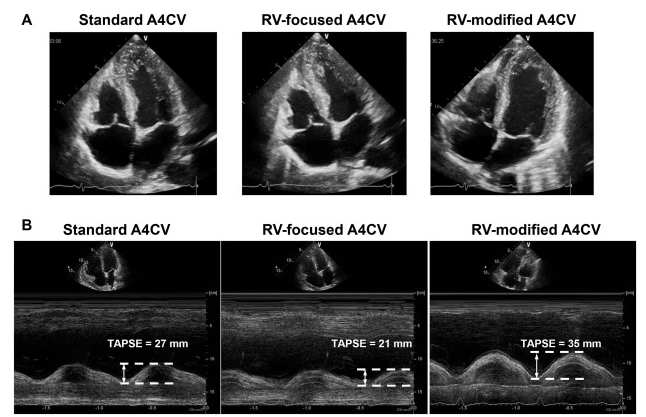
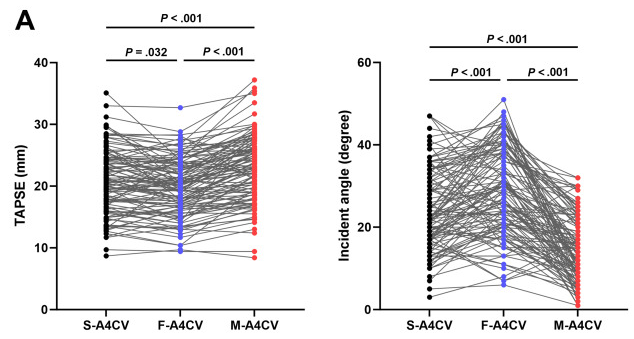
🧪 ¿Cómo se debe medir el #TAPSE en Ecocardiografía?
Un estudio reciente comparó 3 métodos distintos y hay un claro ganador:
⭐ El plano apical 4 cámaras modificado (A4C modificado):
👉🏼Se alinea mejor con el strain del ventrículo derecho
👉🏼Reduce los errores por el ángulo del haz de ultrasonido
🔗DOI: 10.1016/j.echo.2024.12.013
Very interesting #echofirst image.
At first glance, it looks like a left pleural effusion from the apical view with lung in it (the so-called “fox tail” sign)… but it’s actually not!
Check the thread for the answer/source 👇
#POCUS#FOAMed
Manejo de Hemorragias en Pacientes Bajo Anticoagulación 🩸💊
🔰📚Acute Cardiovascular Care 2026
https://t.co/9AkjsSS2IK
Enlace a Articulo Completo👇🏻🆓✅
https://t.co/xumUMHaxVK
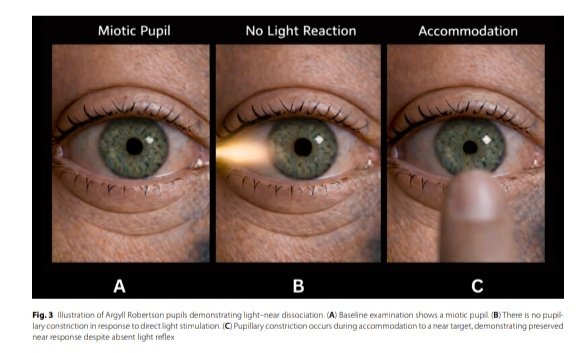
Evaluación de las Pupilas Anormales en Emergencias Neurológicas 👀🏥
🔰📚International Journal of Emergency Medicine 2026
https://t.co/3x6fbm7Cun
Enlace a Artículo Completo👇🏻✅🆓
https://t.co/rPEDXf5xvO
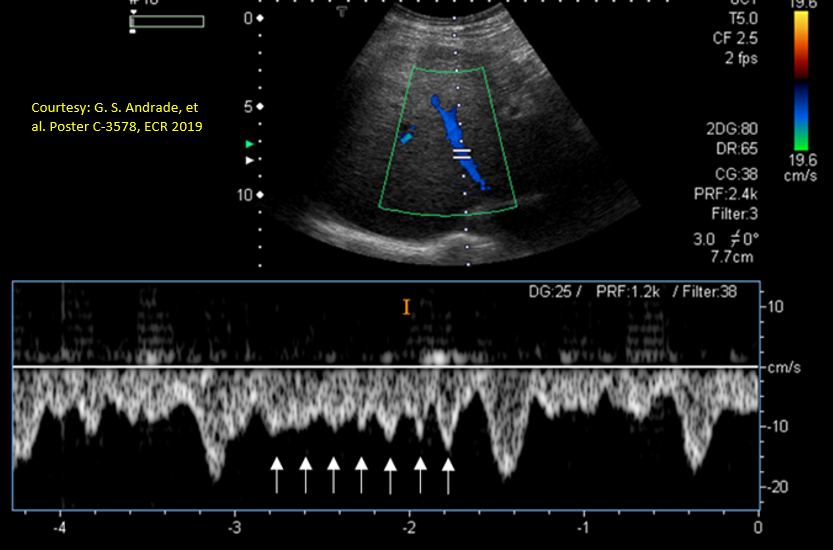
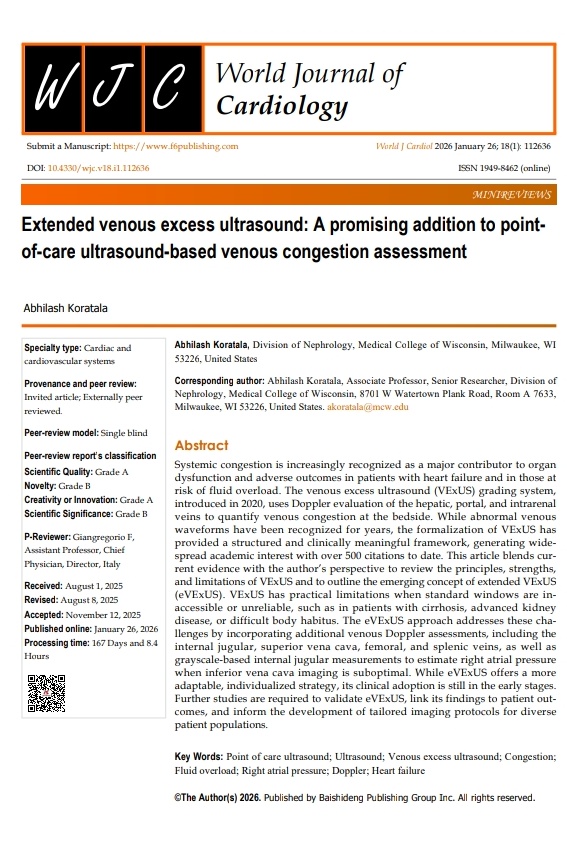
Evaluación de la Congestión en Insuficiencia Cardíaca Usando VExUS🫀💧
🔰📚Life 2026
https://t.co/ZaaQ8JXCfM
Enlace a Artículo Completo👇🏻🆓✅
https://t.co/xumUMHaxVK
Diagnóstico y Manejo de la Hemorragia Gastrointestinal 🩸
🔰📚J Trauma Acute Care Surg
DOI: 10.1097/TA.0000000000004599
Enlace a Articulo Completo✅👇🏻🆓
https://t.co/xumUMHaxVK
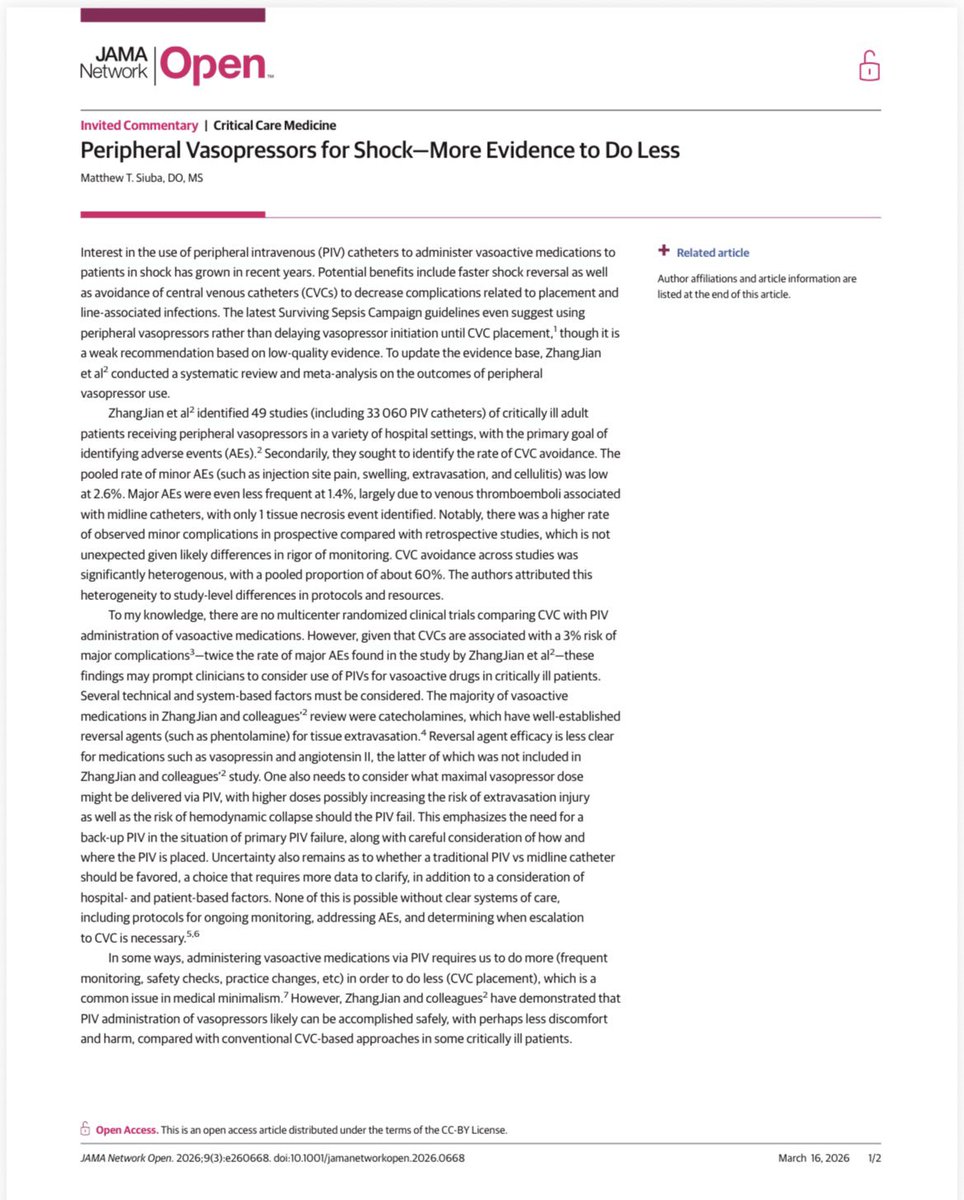
Si en un servicio de Urgencias te quieren poner un Catéter Venoso Central porque necesitas Norepinefrina, abunda la ignorancia y las manos calientes
Si un Intensivista te exige que un paciente que va a ingresar lo entregues con un Catéter Venoso Central porque tiene Vasopresores, es un inepto
https://t.co/xr4BhcNUvA