@mrswalsh265 The love and attention that you’ve shared with all of your students, especially K, has inspired him to pursue technology classes in hs-your creativity and dedication are unmatched. Enjoy your well-deserved break with your kiddos!!!
Having all the ingredients for a cake recipe does not equal baking a good cake...
Similarly, those who claim that BL includes phonics, books, spelling, etc, and as a result is an acceptable reading instructional approach do not understand what evidence-based instruction is.
Reading is one area in which the parts do not equal the whole....it is not a matter of patching things together.
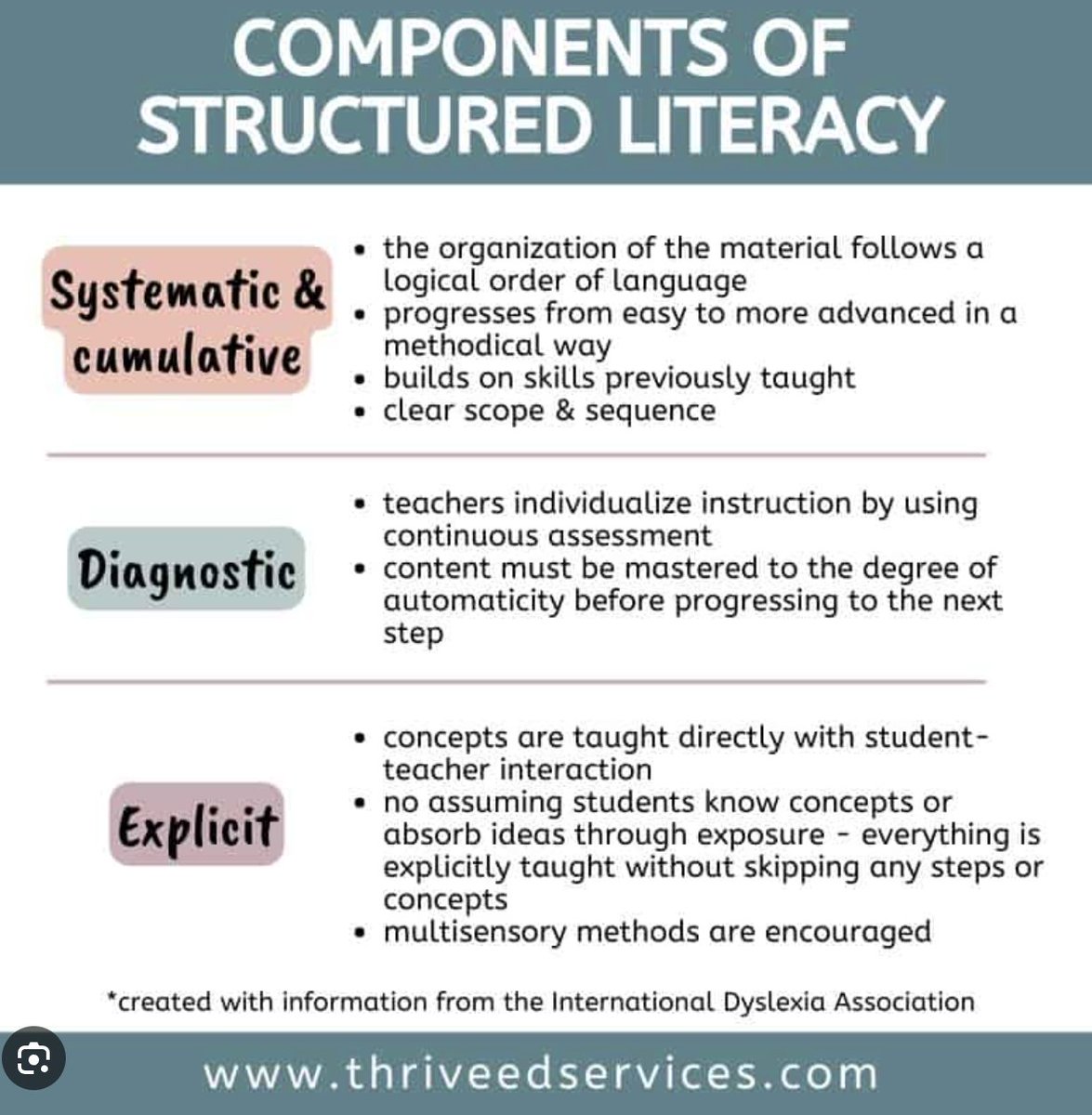
If you don't know what evidence-based instruction can look like and what is a more effective reading approach for teaching novice readers please see below.
"Dyslexic students often find themselves in classrooms lacking the essential resources they need to thrive as readers. The consequences are immeasurable." #dyslexia
https://t.co/ZZUHeb27oR
https://t.co/W01UO3c2Fb
I'd love to see this entire film to hear, first-hand, how to teach ALL learners so that they feel successful once given the tools to learn.
Modeling instructional approaches in a meaningful manner to help staff take ownership of their learning is crucial for change to occur in teaching-and in learning.
"You should model the instructional approach you want to see in the classroom," writes a middle school assistant principal. #EWOpinion https://t.co/bDlrxlCnpx
“But this shouldn’t be about what adults want. It should be about what kids need.”
“This is about kids. It’s about doing what’s right for them.”
Indeed. ❤️ Thank you @ehanford https://t.co/v0APKe0ZZt
𝘛𝘩𝘦 𝘉𝘪𝘨 𝘗𝘪𝘤𝘵𝘶𝘳𝘦: 𝘙𝘦𝘵𝘩𝘪𝘯𝘬𝘪𝘯𝘨 𝘋𝘺𝘴𝘭𝘦𝘹𝘪𝘢 is a great documentary to watch for those with dyslexia and those who work or advocate for those with dyslexia. Watch the trailer here: https://t.co/RuM8O3CTCV https://t.co/RuM8O3CTCV
There's not a lot of research on dysgraphia yet, but there are some early signs you can look out for—and some tactics you might adopt to help kids express themselves.
"children who are poor hear a smaller number of words with more limited syntactic complexity and fewer conversation-eliciting questions, making it difficult for them to quickly acquire new words and to discriminate among words" (p. 5).
THIS: why my job is a daily uphill battle
Poverty-related factors that intervene in students' ability to learn include health and well-being, limited literacy and language development, access to material resources, and level of mobility. How educators can help: https://t.co/0e8an07Mhf