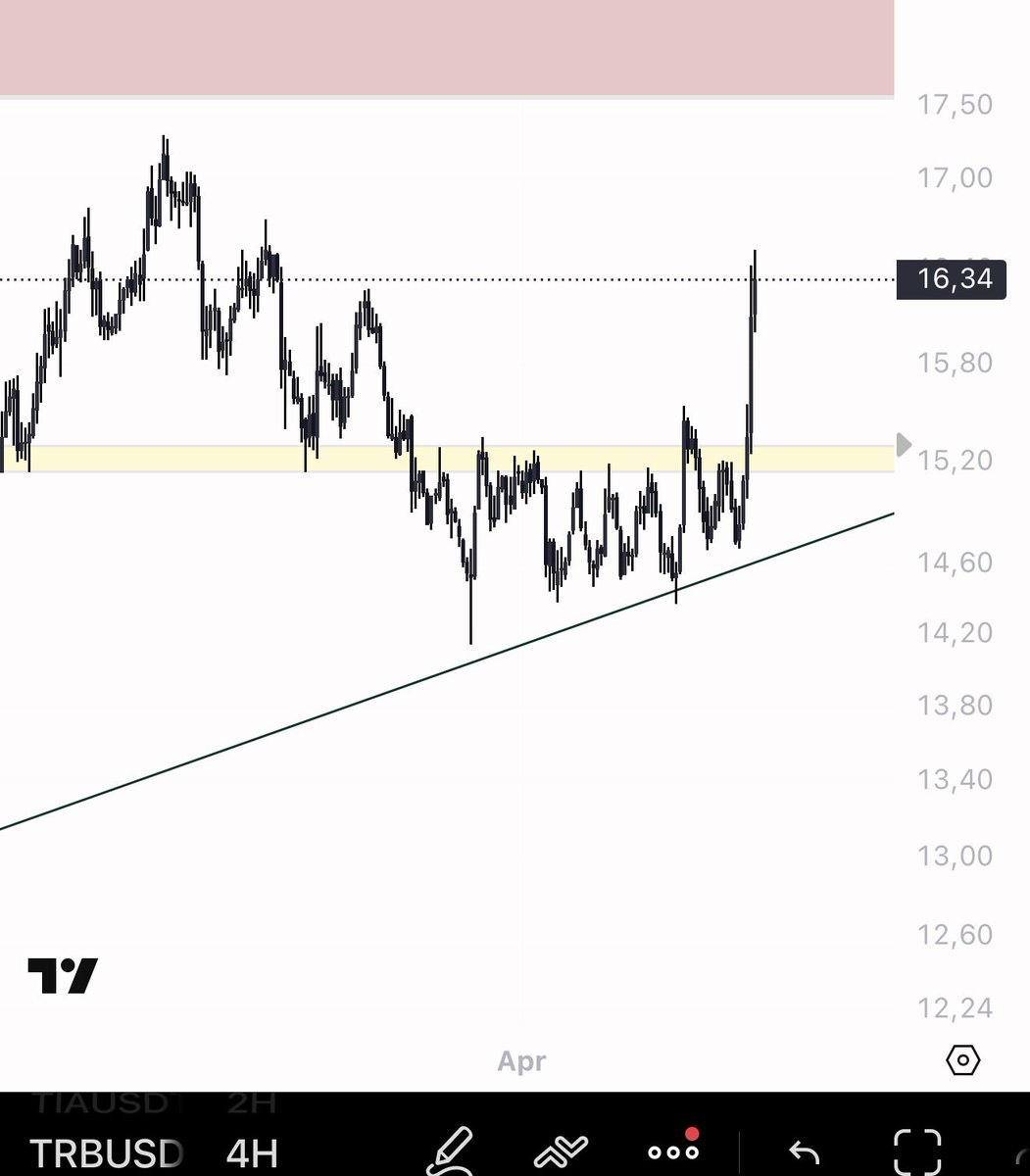
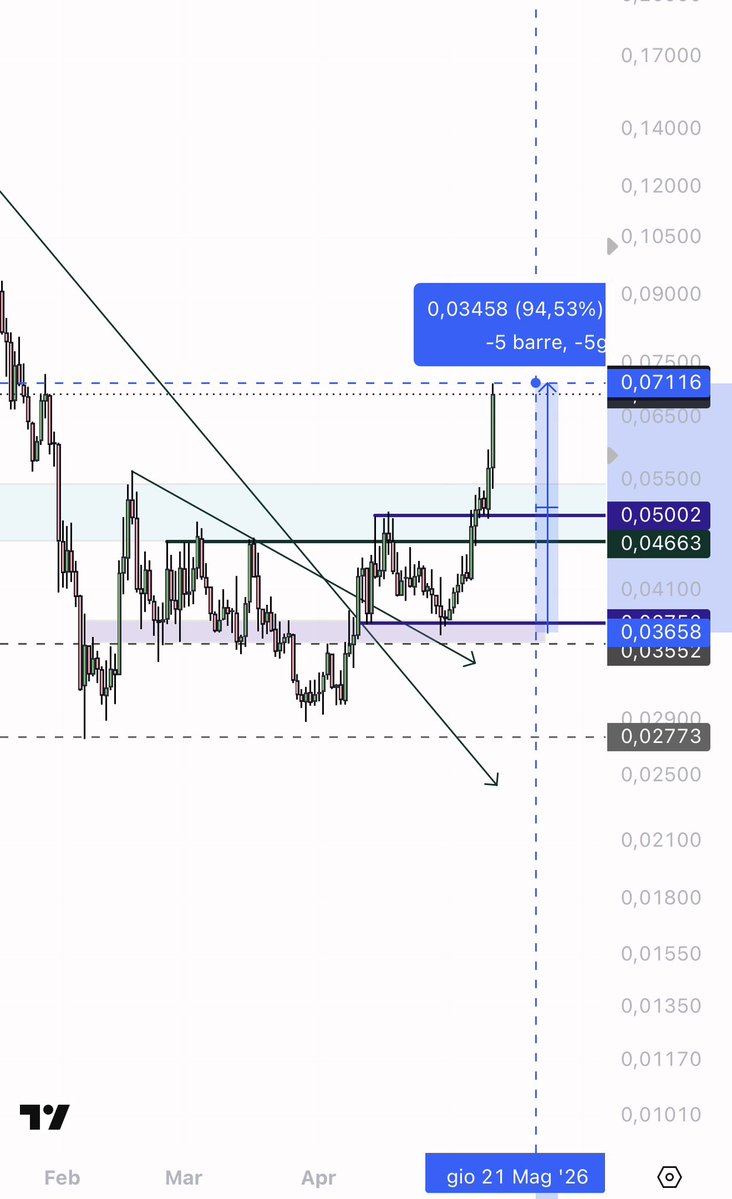
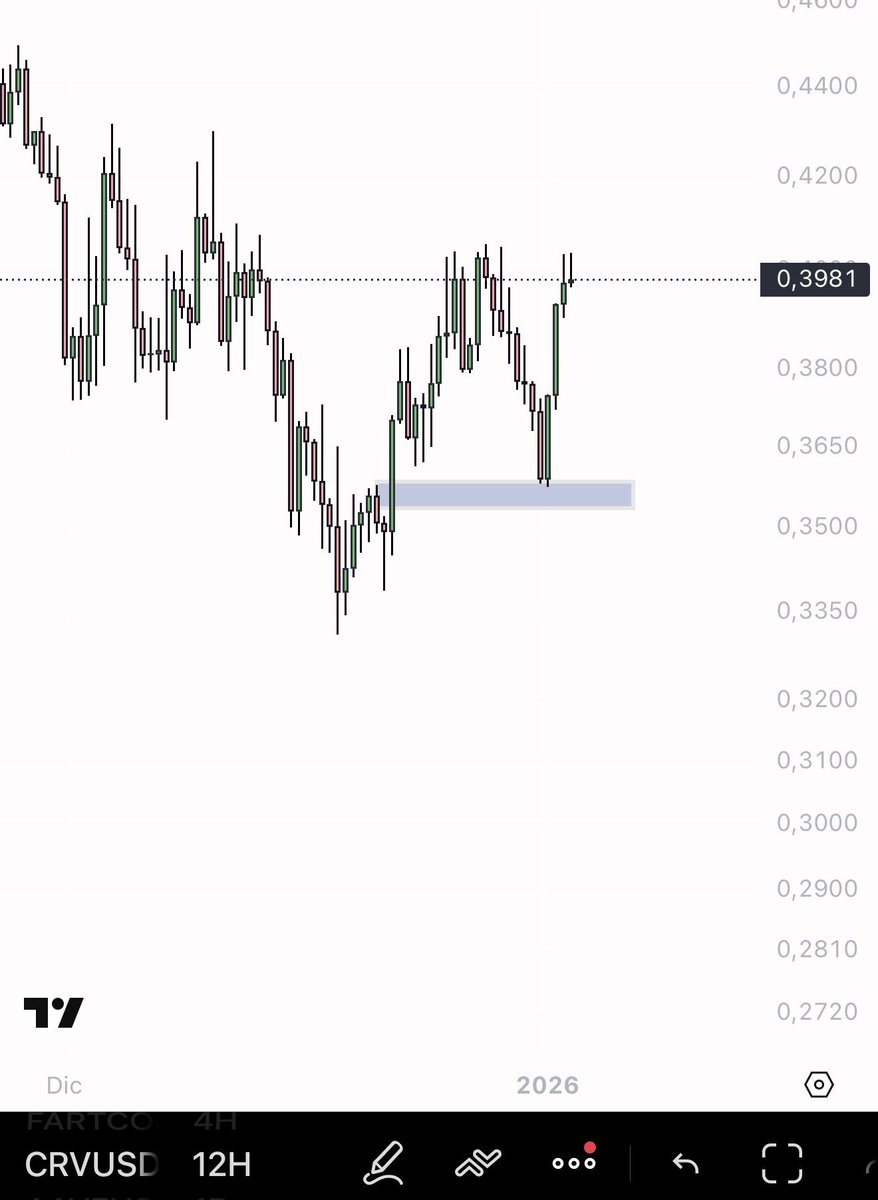
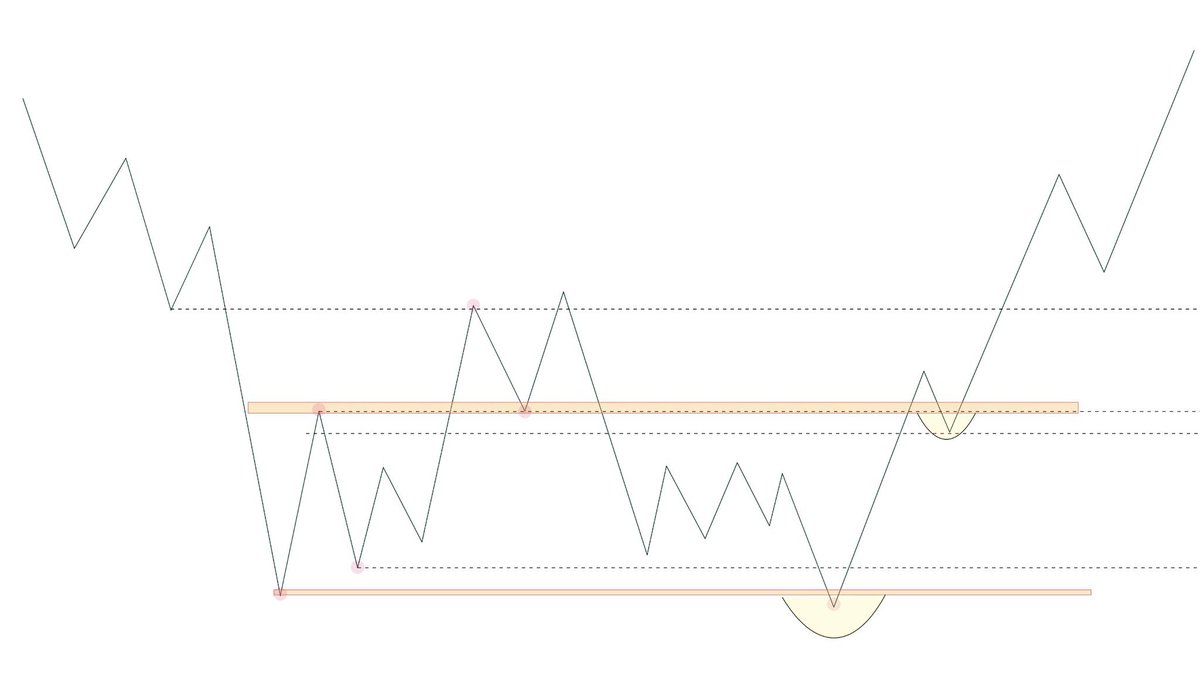
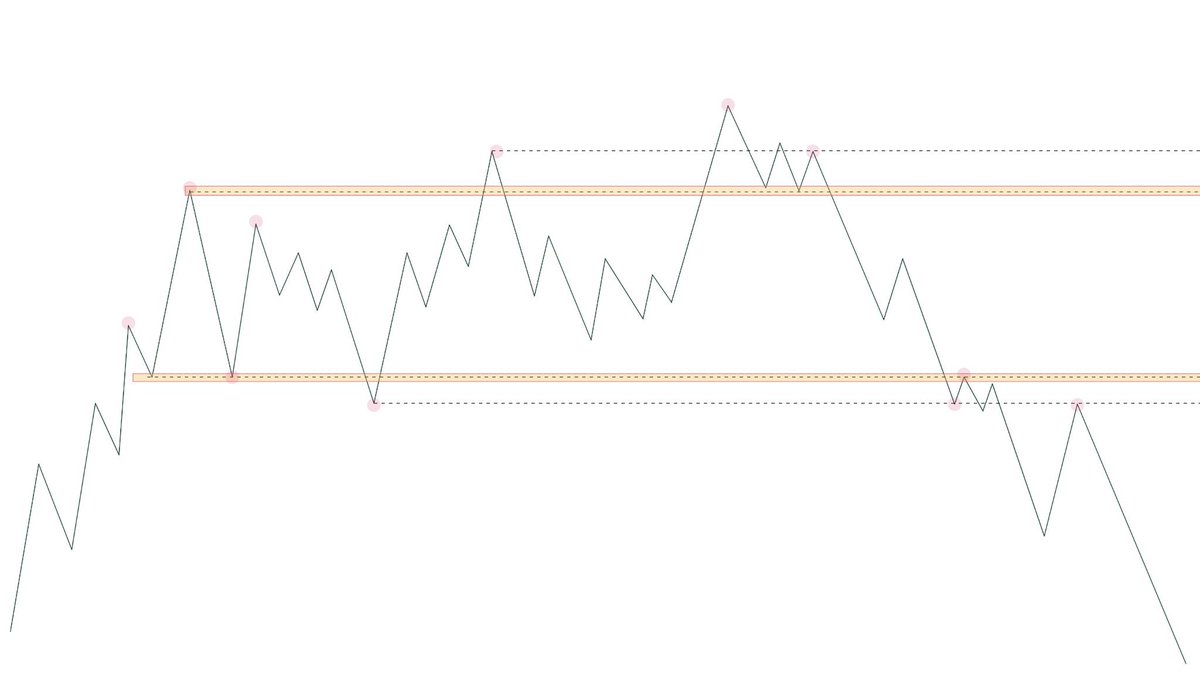
Note that h1 and h2 are focused on finding setups like this
They are the only profitable strategy for quick scalps
GN 🫵🏻 (long or short setup is the same )
Retweet this post 👌🏻
You need to start looking at the market in a more ‘streamlined’ way, without overcomplicating things: the point isn’t to try and catch every single move, but to understand when the price breaks out of the range and how it reacts.
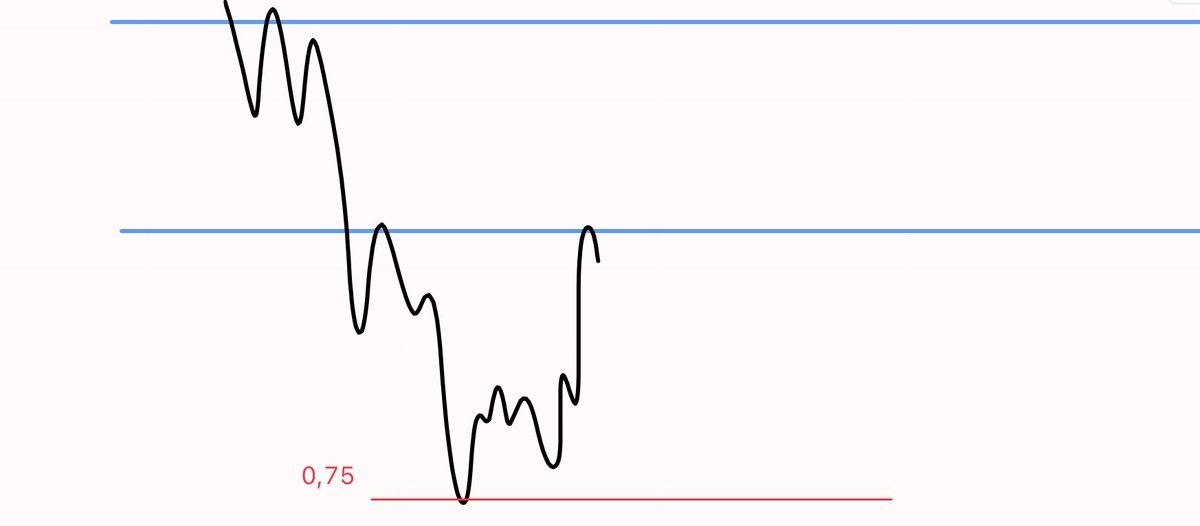
When you see a deviation – that is, the price temporarily breaking above or below the range – it isn’t immediately a signal to chase. It’s a piece of information. It’s telling you that there’s a demand for liquidity out there.
If that deviation is then repeated (double deviation), everything changes: it means that level has been tested several times and the market is clearly showing where it wants to react. That is the real confirmation.
At that point, you shouldn’t enter at random, but wait for the price to return and start forming a clearer structure. That’s when it makes sense to switch to a shorter timeframe and look for a more precise entry, without forcing it. (Rarely test it first if you want to do so with a small position size)
This way of reading the market always applies, whether you’re looking for a long or a short. The concept doesn’t change, only the direction: above, you work from a bearish perspective; below, from a bullish perspective.
In practice, stop chasing the price and start working on these extremes: that’s where the market becomes much clearer and gives you simple invalidations.
Educational content 👌🏻 the key of the market (retweet and like very appreciated)
Inefficiency👈🏻 (below Exemple last my trade $FARTCOIN and $CRV )
When we talk about market inefficiencies, many people think of something technical, mathematical, almost scientific.
In reality, it is extremely simple: the market is not a perfect machine, it is a place where human beings, algorithms programmed by human beings, different interests, different times and different emotions come together.
Prices do not move because 'it is right'.
They move because someone buys, someone sells, someone is late, someone is afraid, someone is euphoric, someone is forced to do something at that moment even if they do not want to.
All this creates small imbalances all the time.
Sometimes the market rises too quickly because everyone wants to get in at the same time, driven by the fear of being left out.
Sometimes it falls too much because everyone wants to get out at the same time, driven by the fear of losing.
Sometimes it moves in a strange, sideways, nervous way, just to seek liquidity, to find orders on the other side, to trigger stops, to allow those with large positions to get in or out.
In all these moments, the price is not telling the truth about the value of something.
It is only telling a story of pressure, haste, fear, obligation, excess.
That is inefficiency.
It is not an error in the human sense of the term, it is an error in the sense of balance.
It is the market that temporarily loses the alignment between real supply and demand and shifts too far to one side.
The trader's job is not to predict what will happen tomorrow.
It is not to know the news first.
It is not to guess the top or the bottom.
The trader's job is to recognise when the market is out of balance.
When it is too heavily weighted on one side.
When everyone is doing the same thing.
When the movement is no longer healthy but forced.
And that is why real trading is boring.
Because you spend most of your time waiting.
Waiting for the market to overreact.
Waiting for the price to be pushed where it makes no sense to push it.
Waiting for someone to make a mistake out of haste, fear, greed or obligation.
And only then do they enter, calmly, with little risk, with a clear invalidation.
Most people lose money because they always want to be in a position, always in something, always part of the movement.
But the market does not offer opportunities all the time.
Opportunities only arise when there is imbalance. When you understand this, you stop chasing the price.
You stop reacting to every candlestick.
You stop feeling the need to do something just because the market is moving.
It's not about being smarter than the market.
It's about being more patient than its inefficiencies.
And being ready when they arrive.
Thx for the reading 👋🏻👌🏻
Weak vs strong structure bullish
Weak vs strong structure bearish
This simple graph is worth more than a thousand lessons
Retweet this simple and best educational contents
OBV $BTC always a little weak for now in daily
I will update you if I see bullish reversals, but look at the difference between RSI and OBV some time ago when I talked about a retest in the areas indicated 20 days ago
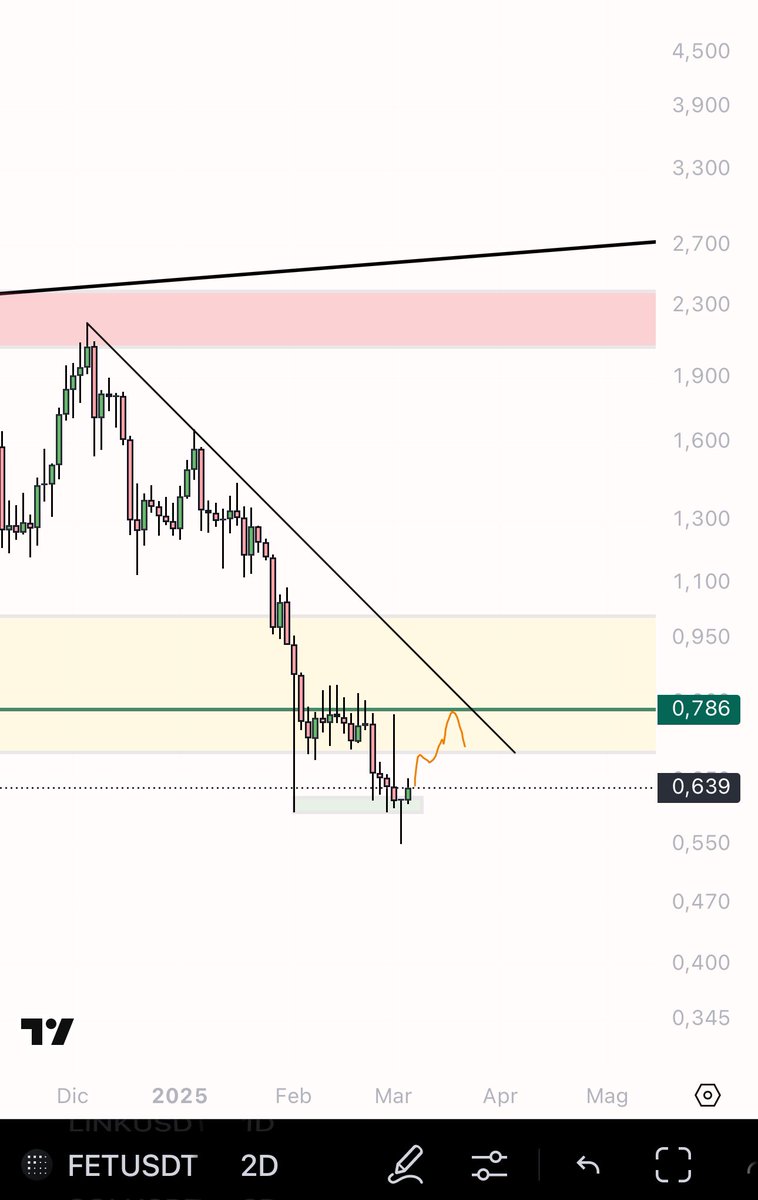
Every chart has reached the first point, after having made almost the same slow movement on many names. Now you know how to proceed, I wait for the flip or stay calm with the stops placed in profit.