Brothers, suggest a city anywhere in India where I can live for a few years.
> Preferably not too expensive
> Good AQI
> Good weather
> Cheap rent
> Good food
> Good people who aren’t racist towards outsiders
Also, tell me what it would cost for food and rent there. Thanks
Raghav Chadha is raising issues in Parliament that most politicians never touch, high food prices at airports, exploitation of gig workers, air pollution in Delhi and now how investment in India is heavily taxed.
Hope more politicians start speaking up about everyday problems common people deal with, ground-level issues, instead of only pushing freebie politics during election time.
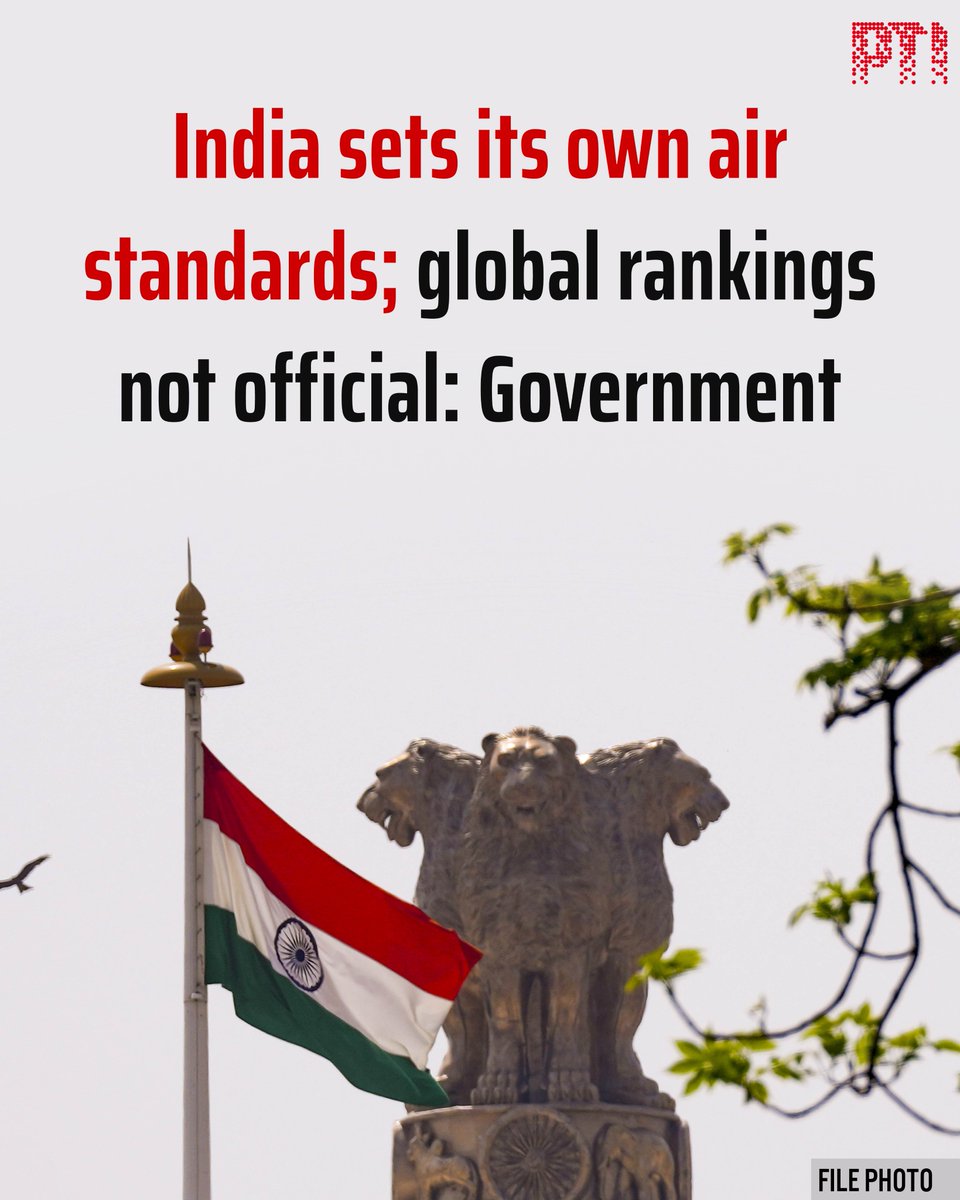
STORY | India sets its own air standards; global rankings not official: Govt
The government on Thursday told Parliament that global air quality rankings cited by various organisations are not conducted by any official authority and that the World Health Organisation's (WHO) air quality guidelines serve only as advisory values, not binding standards.
Responding to a question in the Rajya Sabha on India's position in global indices such as IQAir's World Air Quality Ranking, the WHO Global Air Quality Database, the Environmental Performance Index (EPI) and the Global Burden of Disease (GBD) metrics, the Environment Ministry said no official country-wise pollution ranking is carried out worldwide.
Minister of State for Environment Kirti Vardhan Singh said the WHO's guidelines are meant to help countries set their own standards, taking into account geography, environmental conditions, background levels and national circumstances.
READ: https://t.co/of8Bm9Ombk
Australia marked the launch of its under-16 social media ban with a symbolic display in Sydney, lighting the Harbour Bridge in green and gold and projecting the message “Let them be kids.”
Some say #Dhurandhar is propaganda🤦🏻♂️
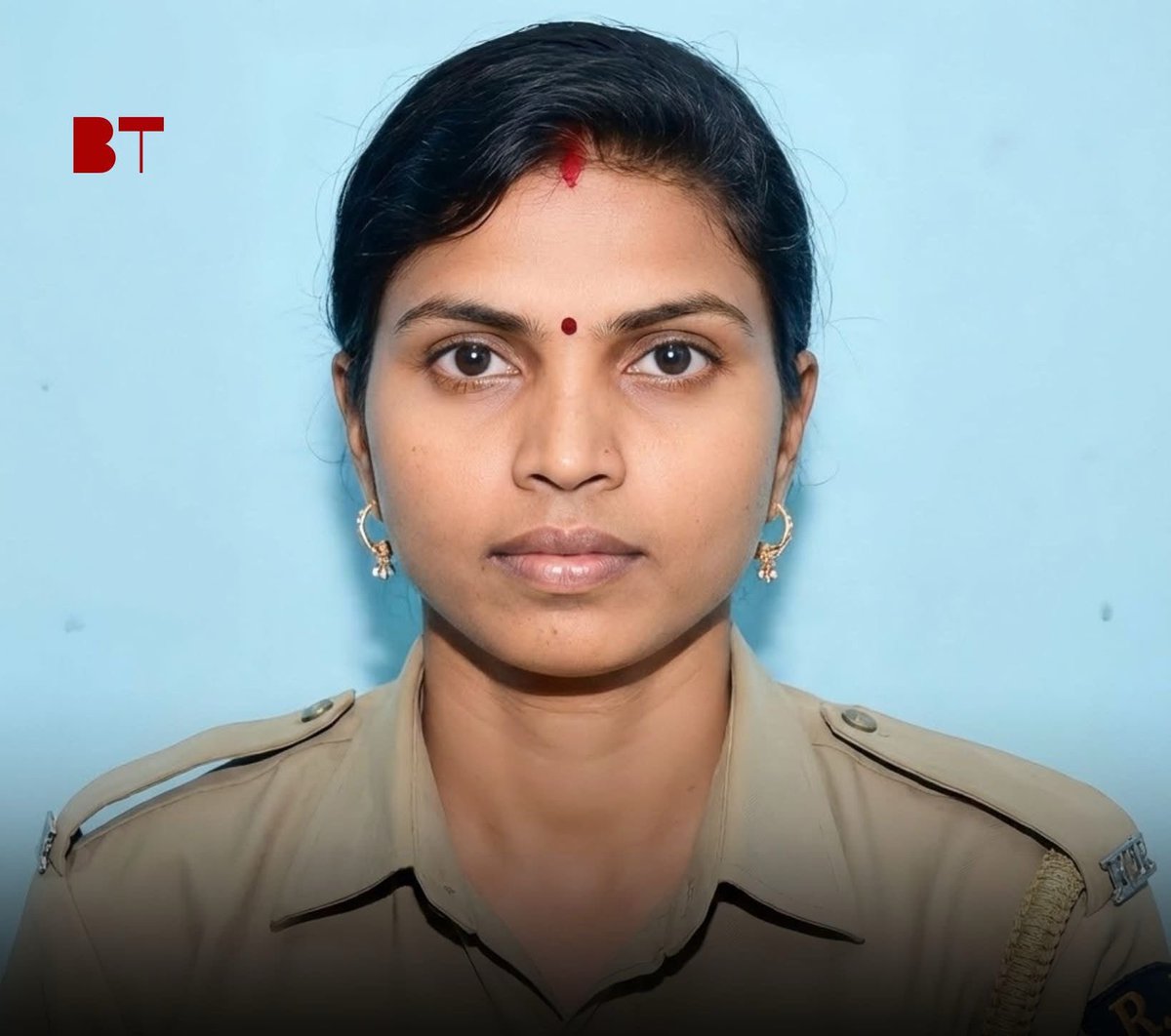
Year 2001. December 13. The capital, Delhi, lay wrapped in winter fog. The clock showed 11:50 a.m. Inside the Parliament House—the temple of India’s democracy—an important session was in progress. Present inside were Prime Minister Atal Bihari Vajpayee, L. K. Advani, and almost all the top leaders of the country. Outside, guarding their security, was CRPF woman constable Kamlesh Kumari.
She was part of the “Bravo Company,” entrusted with securing the outer gates of Parliament while the session was underway. Kamlesh Kumari was stationed near Gate No. 1, right beside Building Gate No. 11. Suddenly, a white Ambassador car sped toward the gate. Its registration number was DL 3CJ 1527.
Her sixth sense immediately warned her. Normally, no VIP vehicle violates protocol and rushes in like that. She saw the car breaking through the security cordon and heading straight toward the gate. She had no sophisticated weapon in her hands—only a wireless set. But her heart was filled with indomitable courage.
She instantly realized this was no ordinary vehicle—it was a terrorist attack. Casting aside all concern for her own life, she ran toward the gate with just one aim: the car must not be allowed inside. She shouted warnings to the other security personnel and managed to shut the gate.
The terrorists understood that their plan had failed. Their disguise had been exposed. Enraged, they opened indiscriminate fire at Kamlesh Kumari. Not one or two—eleven bullets tore into her chest and abdomen. The ground of Parliament House was soaked in blood.
Yet her sacrifice was not in vain. Because of her alertness, the rest of the security forces got crucial time to take position. One of the terrorists was a suicide bomber who planned to enter Parliament and blow himself up. Had that bomber succeeded in entering, India’s history might have been very different today.
Kamlesh Kumari collapsed, but before falling she ensured that the terrorists could not advance even a single step further. It was because of her courage that the deadly blueprint of Pakistan-backed Lashkar-e-Taiba and Jaish-e-Mohammed was foiled that day.
Kamlesh Kumari hailed from Sikandarpur village in Kannauj district of Uttar Pradesh. She joined the CRPF in 1994. Her husband, Avdhesh Kumar, and her two daughters, Jyoti and Shweta, were her entire world. Yet, when the nation called, she valued duty above her own family.
On Republic Day in 2002, the Government of India posthumously awarded her the Ashoka Chakra—the highest peacetime gallantry award. She was the first woman constable in India to receive this honor.
After her death, her family went through an extremely difficult time. When political debates delayed the execution of Afzal Guru, the mastermind of the Parliament attack, Kamlesh Kumari’s family, in anguish, announced their decision to return the Ashoka Chakra. They said, “If the nation for which Kamlesh gave her life delays punishing her killer, then what value does this medal hold?”
Finally, after Afzal Guru was executed in 2013, her family accepted the honor once again.
Kamlesh Kumari was not just a constable—she was an invisible wall of India, upon which the very first удар of terrorism crashed. She proved that it is not weapons, but courage, that is the greatest weapon of all.
Source: Wikipedia – Kamlesh Kumari Yadav





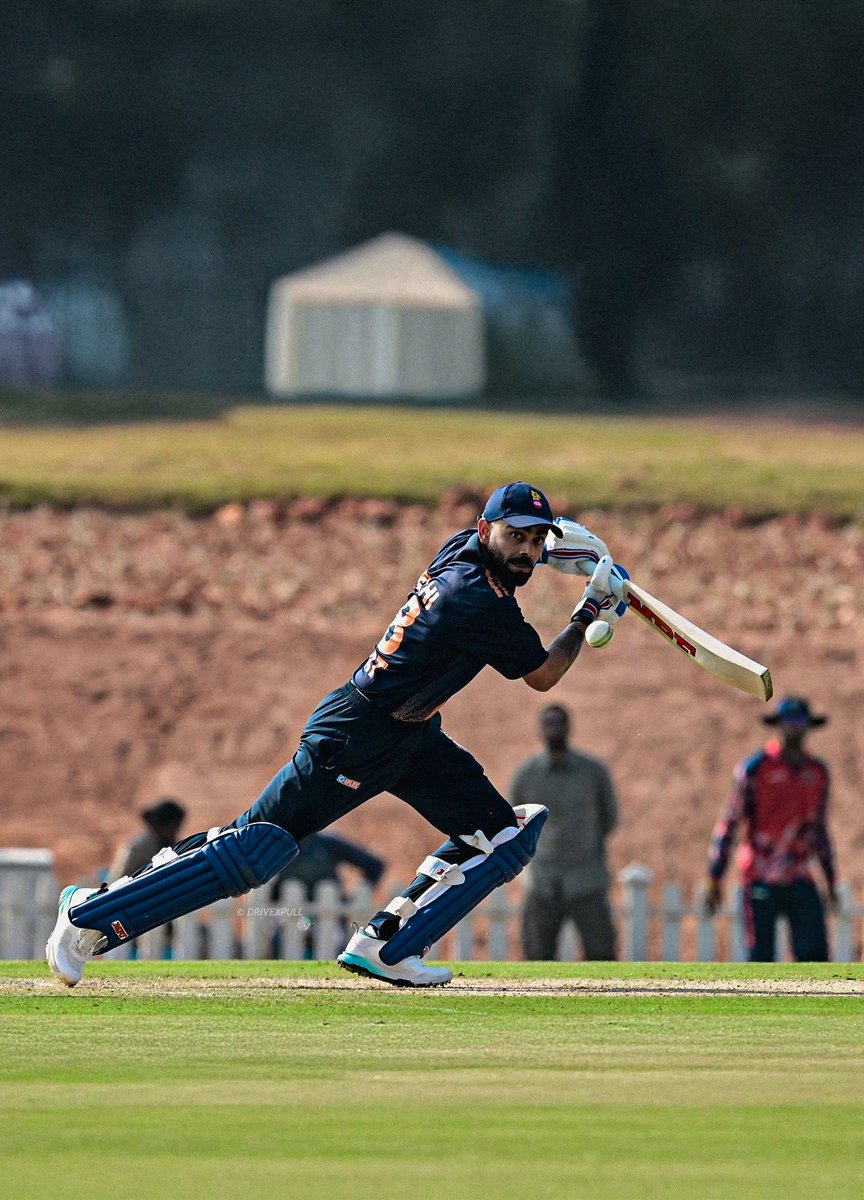
![CricCrazyJohns's tweet photo. 🚨 BAD NEWS FOR INDIA 🚨
- Shubman Gill is likely to miss the 4th T20I today due to an injury to his toe. [Sahil Malhotra from TOI] https://t.co/fFXCaF8QRm](https://pbs.twimg.com/media/G8X0YraaIAAds46.jpg)