Honourable Minister @KAgbodza,
Kindly take a critical look at the Tema Heavy Industrial Area road, particularly the stretch from the VALCO Roundabout to the VALCO enclave. The current condition of this road has deteriorated to a level that poses a significant safety and national
The poor state of the road could severely hinder emergency response efforts, potentially leading to devastating consequences. Given its strategic importance to Ghana's industrial sector, I respectfully appeal for urgent intervention to rehabilitate this stretch of road before a
Years ago, I traveled from Takoradi to Accra and spent the night outside the Chinese Embassy just to be among the first in line for a visa application.
I remember the exhaustion, the uncertainty, and the hope that all the sacrifice would be worth it. At the time, I was just another person chasing an opportunity, standing in a queue before sunrise, believing that persistence could open doors.
Today, I received an email saying the new Chinese Ambassador wants to meet me.
My first reaction was simple: “Why me?”
Life has a remarkable way of bringing moments full circle. The same place where I once waited outside, wondering whether I would even be noticed, is now inviting me inside.
This moment is bigger than me. It’s a reminder that no sincere effort is ever wasted, no journey is too small, and no dream is insignificant. Sometimes the places where we struggle the most become the places where we later discover how far we’ve come.
To everyone working quietly toward their goals: keep going. The long nights, the sacrifices, and the waiting may one day become part of a story you never imagined telling.
MAHAMA ANNOUNCES HISTORIC FIRST DELIVERY OF GHANAIAN CRUDE TO LOCAL REFINERY
President Outlines Bold Value-Addition Agenda at Ghana Diaspora Town Hall Meeting in London
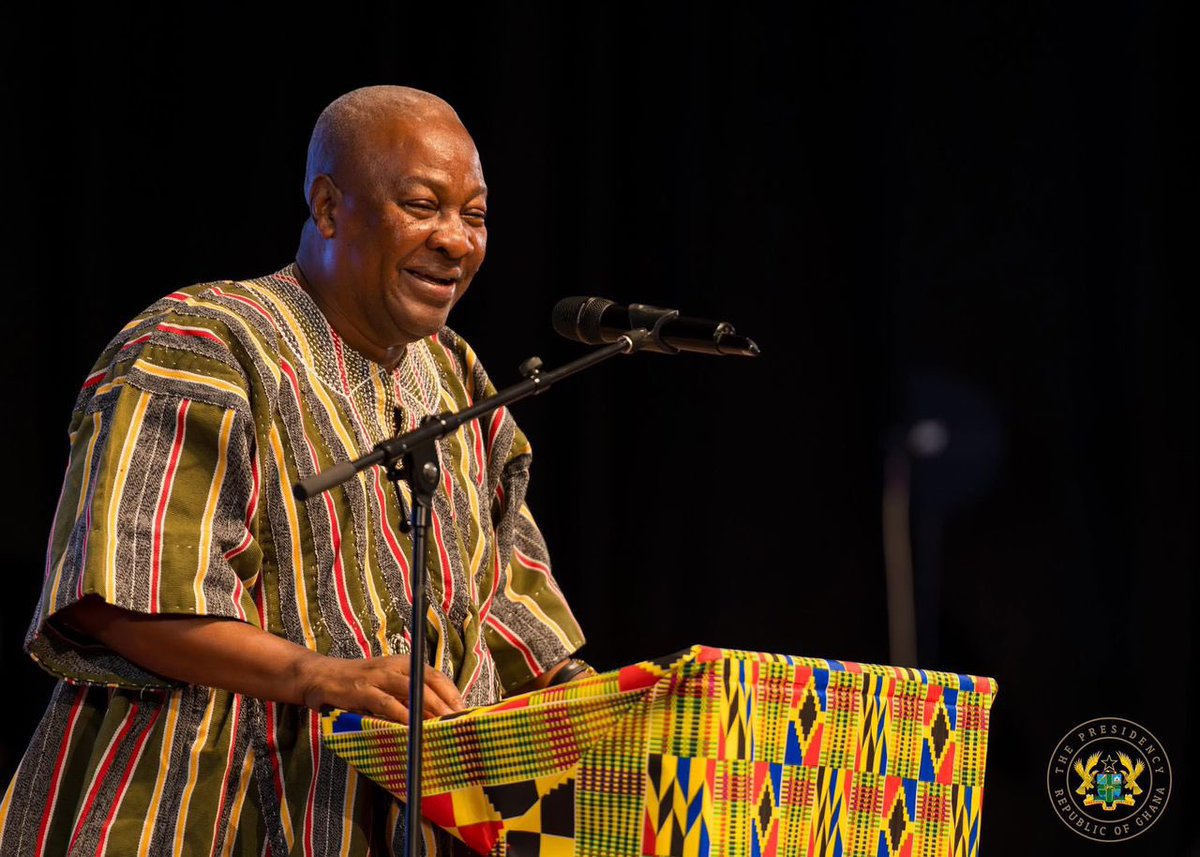
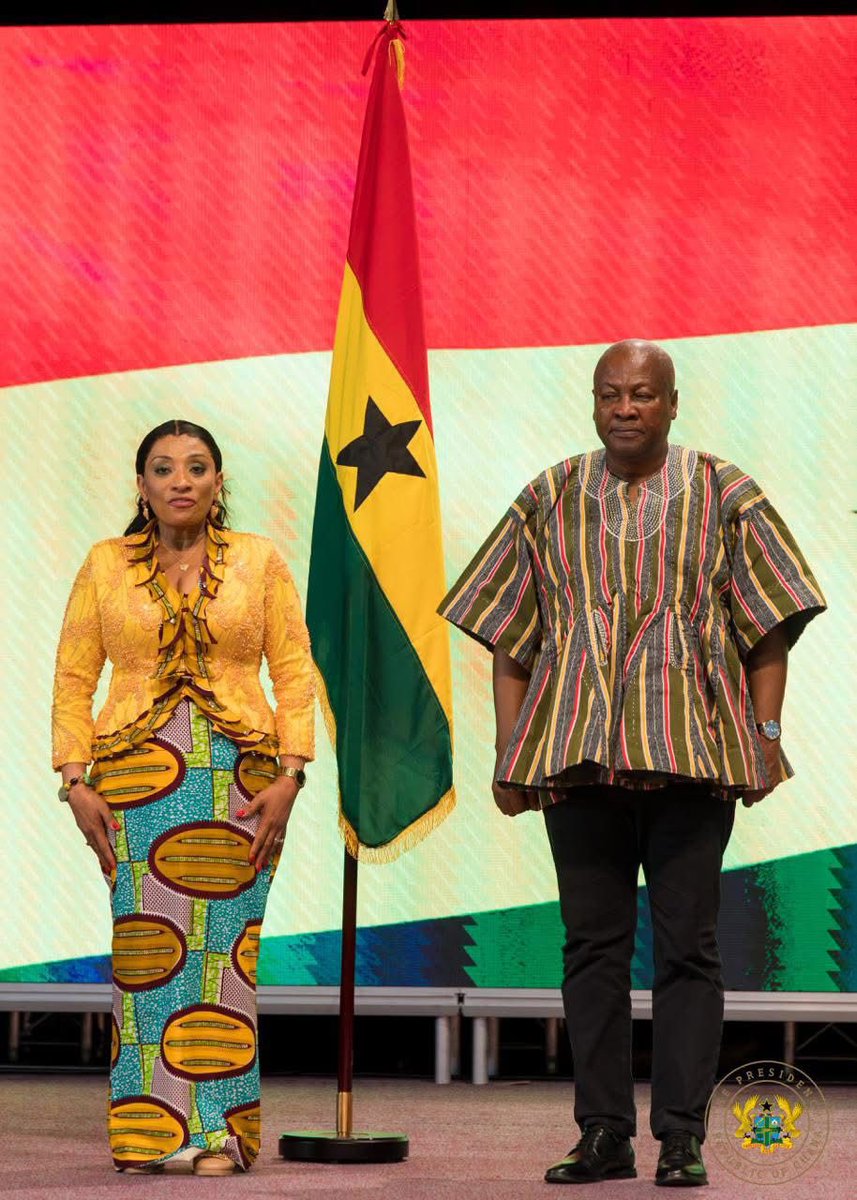
LONDON, UNITED KINGDOM — President John Dramani Mahama has announced a landmark breakthrough in Ghana’s energy and industrial transformation agenda, revealing that Ghana will, for the first time in years, begin refining its own crude oil locally as part of a comprehensive strategy to drive industrialization, create jobs, strengthen local manufacturing, and retain greater value within the national economy.
Addressing hundreds of Ghanaians, investors, professionals and business leaders at the Ghana Diaspora Town Hall Meeting in London, President Mahama outlined his administration’s vision for transforming Ghana from an exporter of raw materials into a modern industrial economy powered by value addition and local production.
Speaking passionately about the future of Ghana’s energy sector, President Mahama disclosed that the government is aggressively expanding offshore oil and gas production while simultaneously ensuring that the country develops the capacity to process more of its natural resources domestically.
According to the President, Ghana has secured major upstream investments, including a fresh commitment of approximately US$1.5 billion from ENI in the Offshore Cape Three Points (OCTP) Field to increase the production of both oil and natural gas.
However, he stressed that increased production alone is not enough.
“We are about to make history again. We did it during my first term, but after we left office it did not continue. In June, we will deliver a parcel of Ghanaian crude from our own oil fields to a refinery in Ghana for processing,” President Mahama announced to loud applause from the audience.
The announcement is being viewed as a defining moment in Ghana’s petroleum industry and a significant step toward reducing the country’s dependence on imported refined petroleum products.
For decades, Ghana has exported crude oil while importing refined fuels and petroleum products at considerable cost. President Mahama argued that such a model effectively exports jobs, technology, industrial growth, and economic opportunities to other countries.
“Normally we produce the oil and export it. Then we import finished petroleum products or import crude again to refine. That cycle must change,” he stated.
He explained that local refining will enable Ghana to capture more value from its natural resources, retain foreign exchange, strengthen local supply chains, stimulate industrial growth, and create thousands of direct and indirect jobs for Ghanaians.
The President emphasized that the refining initiative forms part of a broader national industrial strategy aimed at building a fully integrated petroleum value chain encompassing extraction, refining, storage, petrochemicals, distribution, manufacturing and exports.
Beyond oil and gas, President Mahama called for a national commitment to value addition across every productive sector of the economy.
Using Ghana’s mineral sector as an example, he noted that the country continues to export raw gold, manganese, bauxite and other minerals for processing abroad, only to import higher-value finished products at a premium.
“When we export raw materials and somebody else processes them, we create jobs in their economy instead of our own. The finished products are then exported back to us. That model cannot deliver sustainable prosperity,” he said.
The President stressed that Ghana’s future economic success depends on deliberately moving up the value chain through investments in manufacturing, agro-processing, mineral beneficiation, fertilizer production, petrochemicals, food processing and strategic industrial parks.
Economic analysts believe the strategy could significantly reposition Ghana as a leading industrial hub in West Africa while accelerating job creation, technology transfer and export growth.