Muss man noch mal auf sich wirken lassen: Für 3 1/2 Stunden sind Vance und seine Frau Usha nach Grönland, Pituffik Air Base, geflogen. Begleitung: Sicherheitsberater Waltz, Energieminister Wright, Senator Lee aus Utah. Zuvor transportierten zwei Herkules Militär-Maschinen1/2
Upscaled Footage Reveals Rare Glimpse of Wuppertal's "Flying Train" in 1902
The year was 1902, a serene and peaceful time in Germany before the onset of World War I and II. Recently unearthed footage, showcased in New York's MOMA latest film, "The Flying Train," as part of the museum's Film Vault Summer Camp in 2020, offers a remarkable look into life in Wuppertal, Germany.
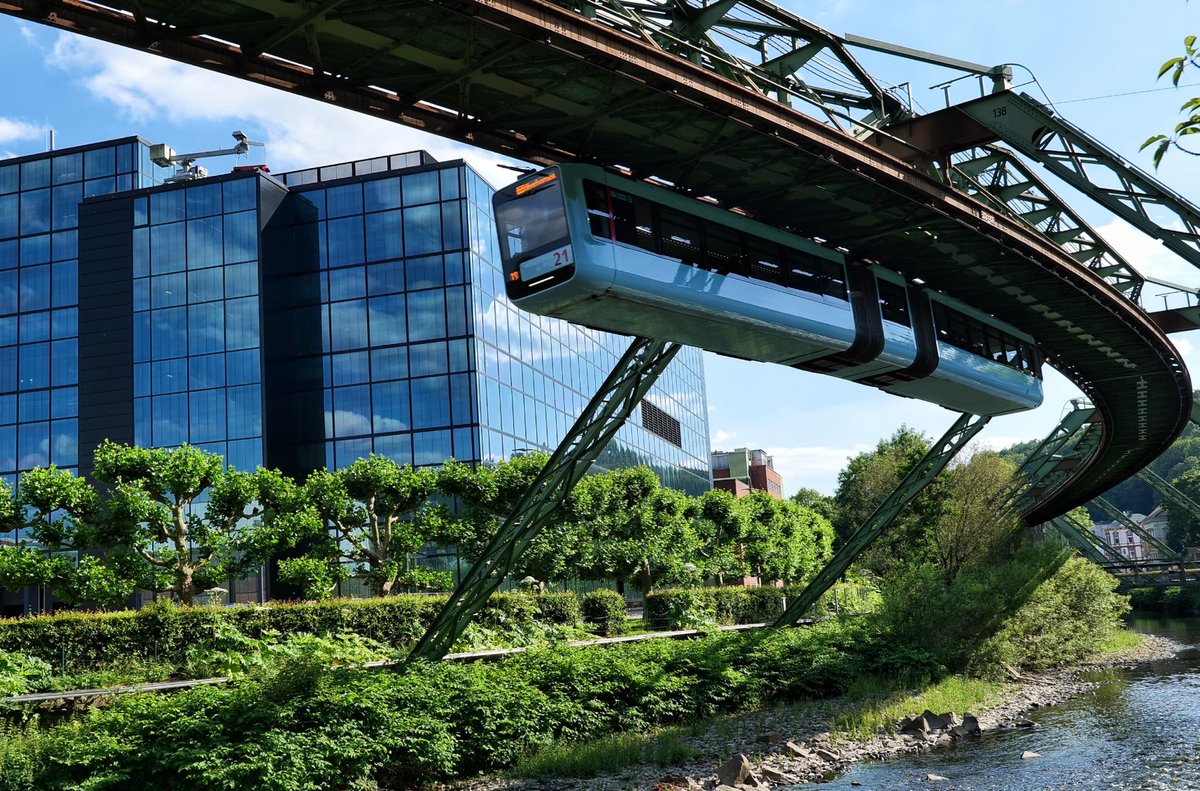
This captivating black-and-white silent film was produced by Deutsche Mutoskop und Biograph GmbH, providing viewers with a vivid glimpse of Germany's past that seems as though it exists in the present day. The star of the film is the Wuppertal Schwebebahn, famously known as the "flying train."
As the film unfolds, we see the innovative electric suspension railway gliding gracefully through neighborhoods, passing by houses, buildings, riverbanks, and bridges. The footage also captures the hustle and bustle of daily life, with carriages and people bustling about. Additionally, viewers get a unique insight into the construction of Germany's train system at that time.
The Wuppertal Schwebebahn, designed by Eugen Langen, began construction in 1898, and Emperor Wilhelm II was one of the early passengers to experience this revolutionary mode of transportation during trial runs in 1900. The train officially commenced operations in Wuppertal in 1901, becoming the world's oldest electric elevated railway with hanging cars. Remarkably, this iconic railway system still serves as a crucial mode of transportation for locals, carrying around 25 million passengers annually.
"The Flying Train" not only provides a fascinating glimpse into Germany's history but also serves as a reminder of the country's peaceful days under the leadership of Emperor Wilhelm II, long before the tumultuous times of the two World Wars.
Overall, this genuine and rare footage captures the essence of life in Wuppertal over a century ago, offering a unique and valuable perspective for modern-day audiences.
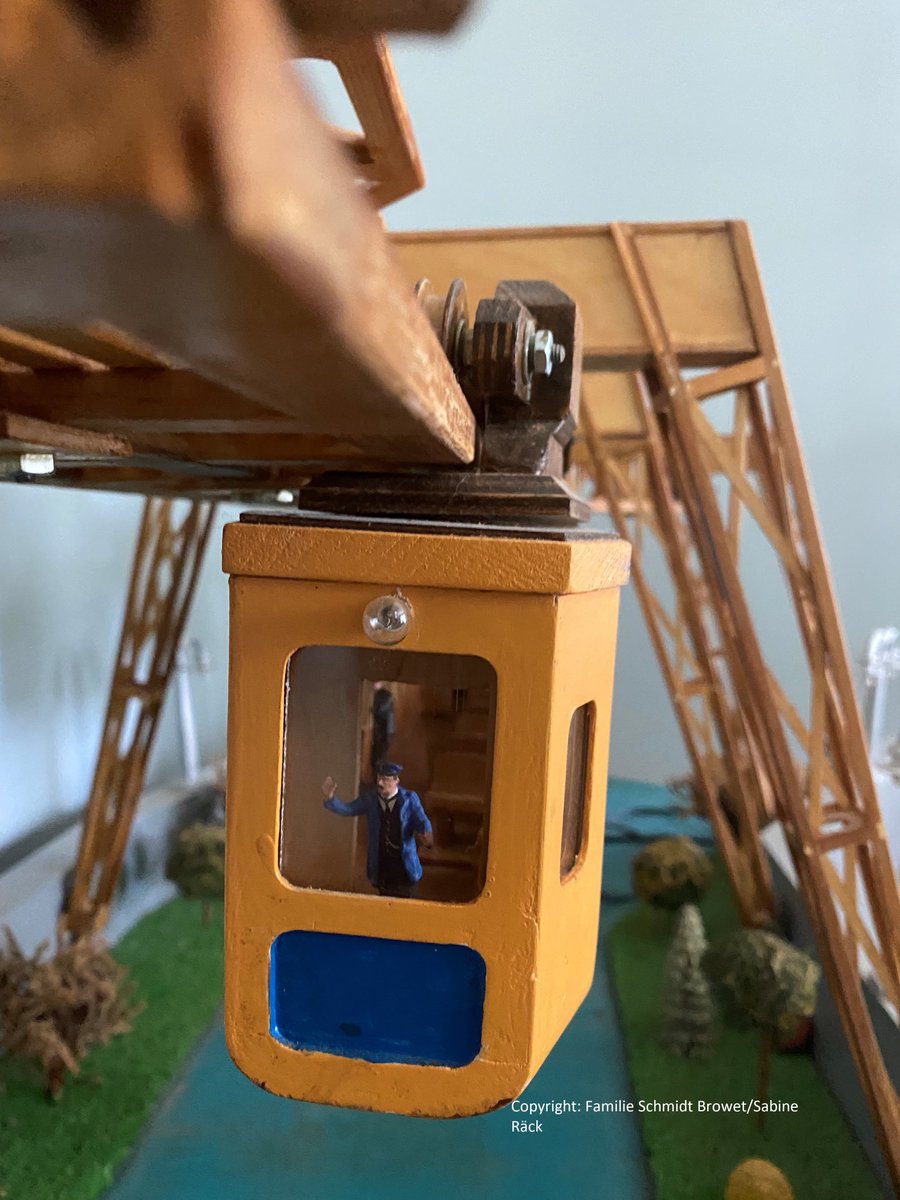
Unsere #Schwebebahn begeistert immer wieder Menschen in aller Welt 🚟😍Dieses Modell steht in in Mooresville, North Carolina (USA).Ein ehemaliger Wuppertaler hat es aus Holz gebaut.
Heute vor 72 Jahren: Jeder Wuppertaler*in kennt #Tuffi - die Elefantenkuh, die am 21. Juli 1950 in #Wuppertal aus der fahrenden #Schwebebahn in die #Wupper sprang 🐘🚟🌊 Bei Wuppertal Marketing gibt es den Memo-Euroschein Tuffi zu kaufen: https://t.co/N1HekLR7JJ