Blogged: There is such a thing as a free lunch
Look around and you'll see that more of what you value than you imagined is free of charge, and provided by others. Isn't that odd?
https://t.co/yiPTBHeU4P
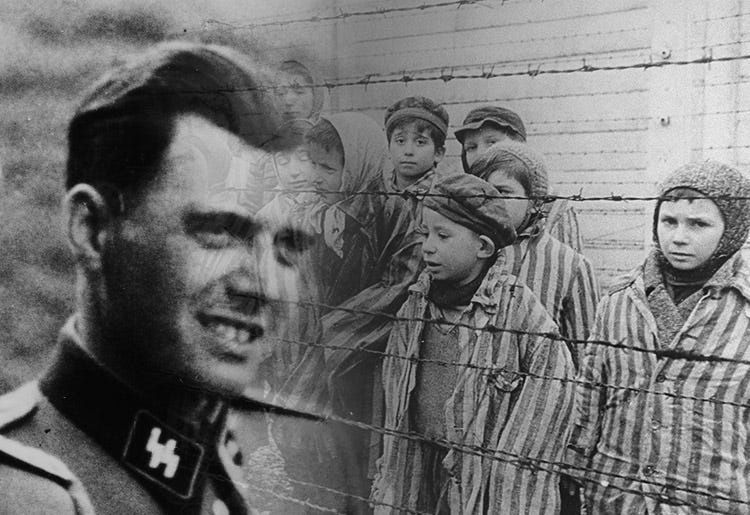
De mortuis nil nisi bonum—speak no ill of the dead?
@bryan_caplan argues Josef Mengele’s obituary should not look different had he, aside from committing countless unspeakable atrocities, also cured cancer—but sees strong evidence it wouldn’t:
https://t.co/uQMTfoXtdb
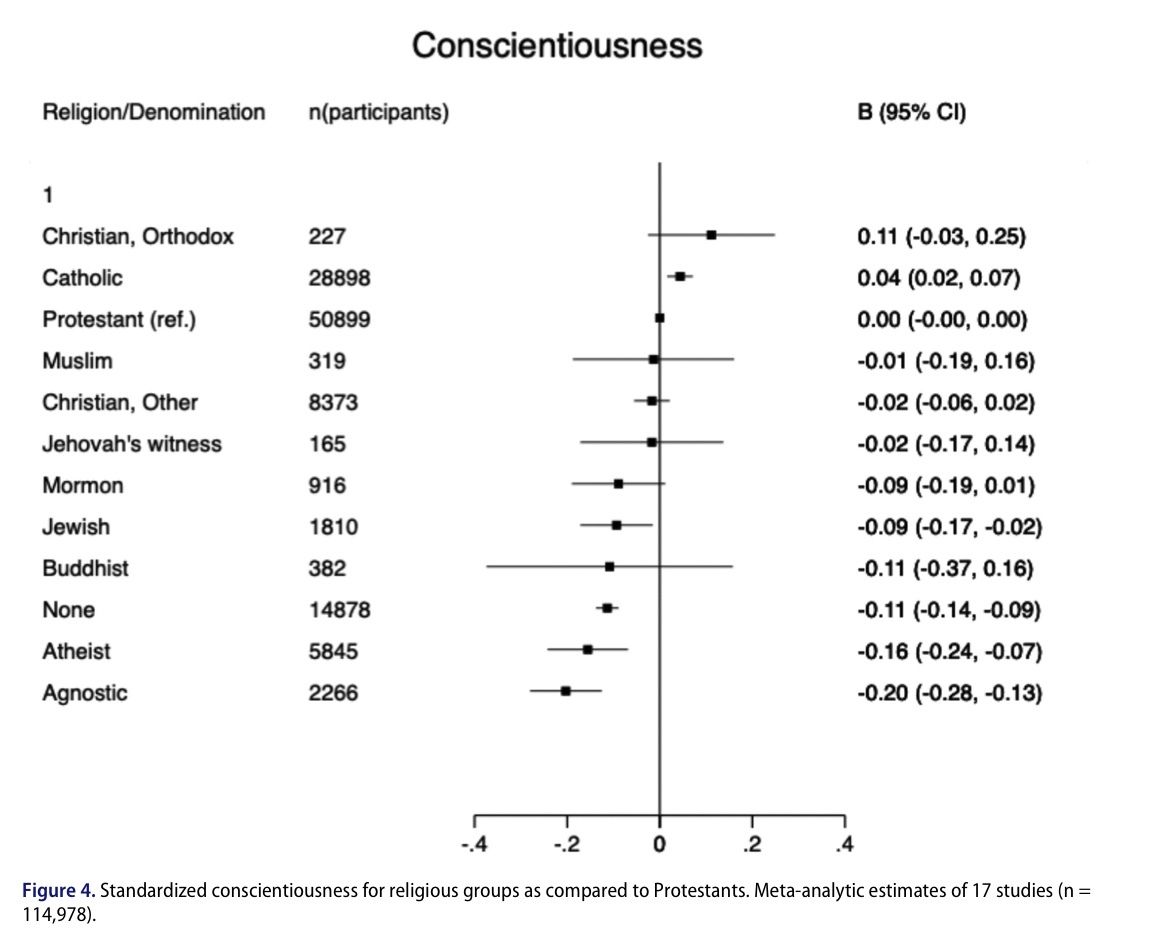
Research by Jokela & Laakasuo on personality characteristics of 11 religious preferences in the US, finds significant differences, with those between non-religious and religious groups were much larger than those between specific religious groups:
https://t.co/6TPamtILuN
The pub across the street has ceased trading. I rarely went there, but I’ll still miss it.
Isn’t that odd?
My latest post, There is such a thing as a free lunch, explores the wonders of positive externalities:
https://t.co/qKGYzWWe4z
We worden omringd door talrijke “positieve externaliteiten”, zaken die we waarderen die voortkomen uit andermans activiteiten.
En we beseffen het nauwelijks.
Is dat niet vreemd?
Mijn nieuwste stukje, Er is tóch zoiets als een gratis lunch:
https://t.co/vkCI1XIb88
When we rewatch videos (or te relisten to audio), research by @kndonnelly & colleagues suggests we can fall prey to the Replay Illusion—not recognizing it as a *replay*, but mistaking it for *repetition*, and judging what we see accordingly:
https://t.co/QprNLiQj0Q
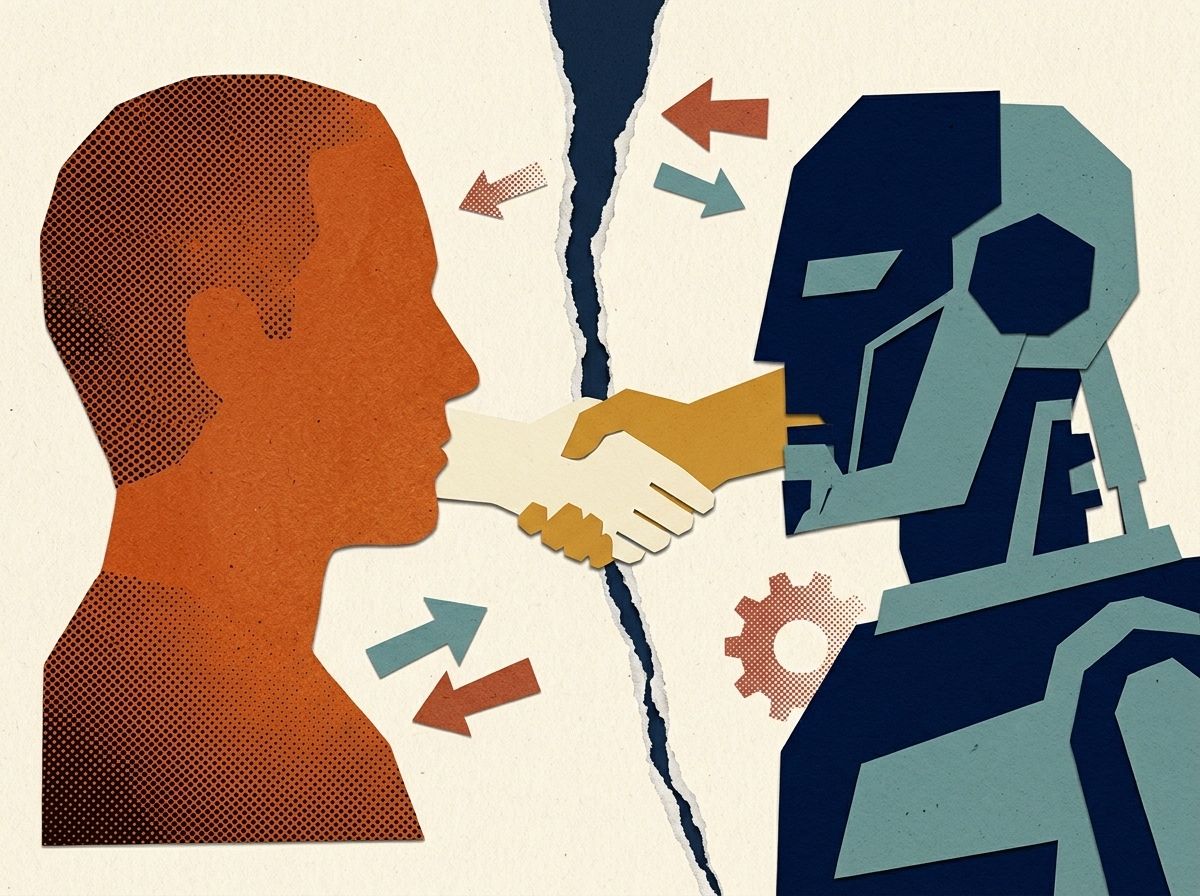
Research pitting humans against artificial agents vs other humans in repeated prisoners’ dilemma games suggests we cooperate less with digital agents, seeking instead to exploit them:
https://t.co/w1F91fuwsY
A world without identities is hard to imagine—there’s sex, ethnicity, and many more—including our political tribe.
But identities + politics ⇒ ever more extreme identity politics.
@philosophyminis and @kanthonyappiah explore the phenomenon:
https://t.co/Vzzb9M6MLI
@IvanWerning@CFCamerer Very good! It’s a concept that deserves be more widely known and recognized.
You might enjoy my latest essay, coincidentally on the same topic, but focusing on ubiquitous *positive* externalities: https://t.co/M6LCdaZbZ9
“Our brains can divide time into meaningful sections or ‘chapters.’”
Harnessing that capacity can help us structure our day and use our time more efficiently:
https://t.co/quI7DVUy86
“Any animal that can spend months underground without eating or drinking and still emerge ready to face the world has clearly mastered an amazing trick of biology.”
What science is learning from hibernating bears as their habits change with the climate:
https://t.co/Ke9RsqMmfn
Research by Fonn et al suggests that infants—in contrast to adults, who see *first possession* as key and who take a dim view of those who take what others already possess—expect the *physically larger* agent to prevail in settling resource conflicts:
https://t.co/W39eP3UXtX
When we lie to others, even if we can justify it, we know full well we are lying.
Lying to ourselves is different, new research suggests—the line between self-persuasion and self-deception is not so clear, writes @swhitbo:
https://t.co/BnJHHFctK1
@NelsonEdmundb@StefanFSchubert Isn’t the implication that Alice either does not believe B, C and D are extinction risks, or that they are lumped in ‘all other’?
I think Bob is more reasonable—considering the wider picture and not fixated on one issue. WYSIATI, if you like.
We have a predicting brain—also for language: it anticipates what will come next when others speak.
But is that like an LLM? Not quite, new research suggests. We take into account a larger linguistic structure, rather than statistics:
https://t.co/iWYz6OLJIW
HT @docgrawitch
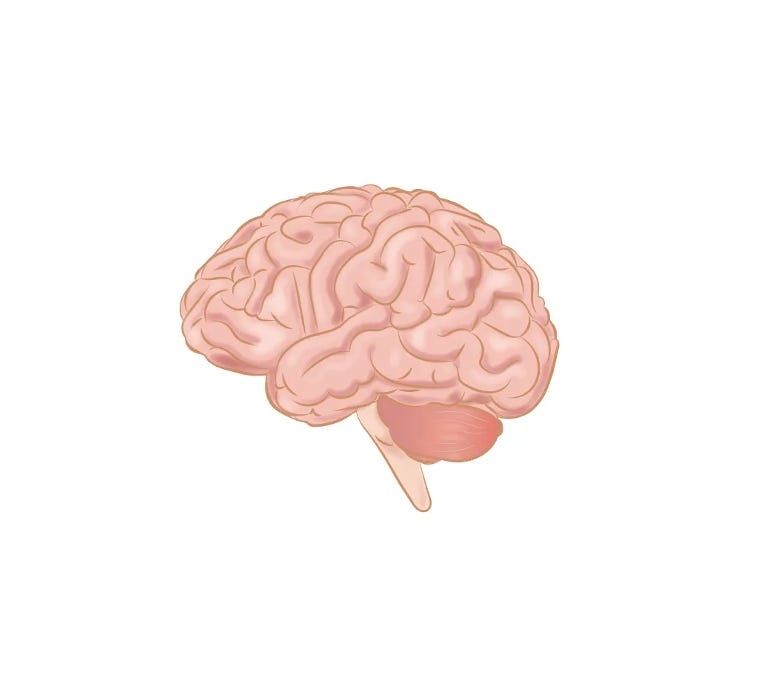
No, you don’t use just 10% of your brain, bigger brains are not necessarily better brains, and you don’t have a lizard brain or an inner comp hidden deep inside.
@nicholaraihani combats three persistent brain myths that need to die:
https://t.co/OuyQMJgoPK
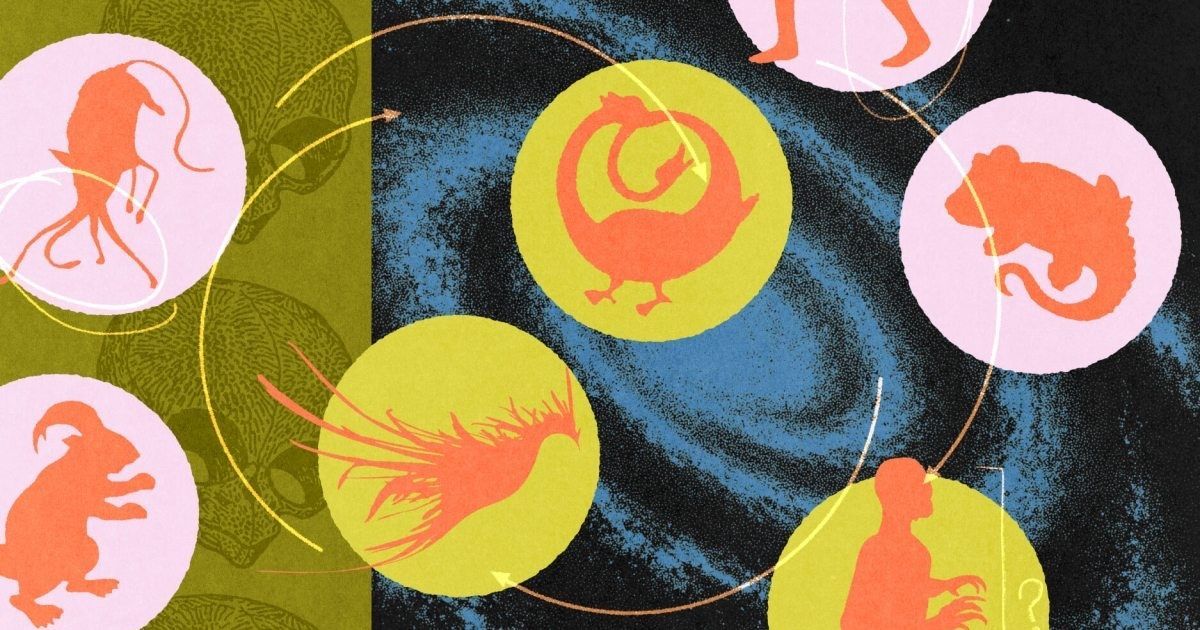
Prevailing conditions in our planet’s past shaped evolutionary pressures and the emergence of new species. What if they’d been different?
Speculative evolution, considering the animals that never were (but could’ve been), is fun but also serious:
https://t.co/xXewsuTMEH
Taller people tend to be seen as more attractive and more dominant.
Shorter men (but not women) tend to be more competitive, but new research suggests *dissatisfaction* with one’s height is the strongest factor (and affects women as well):
https://t.co/zWFlZUg9F3
Er is niet zoiets als een gratis lunch, zegt men. Maar is dat wel zo?
Er zijn heel wat zaken die we waarderen, waar anderen inspanning hebben voor geleverd, en die ons geen cent kosten. Is dat niet vreemd?
Mijn nieuwste essay legt uit hoe en waarom:
https://t.co/BRlx2cY9EX