At a certain point we will simply have to decide, collectively, that being entertained all the time is unhealthy, that some things should only be done by humans, that the artistic and intellectual life is worth pursuing and defending, otherwise we’re not going to make it.
Science has confirmed that a weekend spent forest bathing can increase the activity and number of disease fighting cells in the immune system by as much as 80 percent with benefits that can last for an entire month.
The challenge is significant. According to the U.S. Environmental Protection Agency the average American spends approximately 90 percent of their life indoors a habit that contributes to growing health problems.
In our screen filled and high stress world a centuries old Japanese practice supported by rigorous modern research offers a simple and effective natural solution. For more than two decades Dr. Qing Li an immunologist at Nippon Medical School has studied Shinrin yoku also known as forest bathing. His work has translated the calming experience of being in nature into measurable biological effects.
Dr. Li has demonstrated that trees release phytoncides antimicrobial volatile organic compounds that form part of the forests natural defense system. When people inhale these compounds during walks in the forest the chemicals enter the bloodstream. This process reduces stress hormones and helps shift the body from a chronic fight or flight state into a restorative mode.
The physiological benefits are both powerful and remarkably long lasting. Dr. Lis research shows that exposure to phytoncides significantly boosts the number and activity of natural killer cells. These white blood cells are essential for destroying virus infected cells and tumor cells. A three day two night forest bathing trip can increase natural killer cell activity by up to 80 percent. These protective effects do not disappear immediately upon returning to daily life but can persist for up to a month.
This evidence makes a strong scientific case for incorporating regular time in nature as an important element of preventive health care.
[Li, Q. (2022). Effects of forest environment (Shinrin-yoku/Forest bathing) on health promotion and disease prevention: The establishment of 'Forest Medicine'. Environmental Health and Preventive Medicine, 27, 43]
The 2026 AP English Literature and Composition Exam scores:
5: 16%; 4: 26%; 3: 31%; 2: 16%; 1: 11%
The 2026 AP English Literature and Composition Exam was taken by ~440,000 students, about 3% of the U.S. high school population.
As an avid reader and former English major, I’m always eager to see which novels and plays students select from their AP English Literature and Composition courses as the focus of their AP Exam essays.
Throughout the course, teachers and students dedicate significant time to in-depth readings of novels and plays so that they have a repertoire of full-length works to draw upon when confronted with an essay topic that is not pre-announced.
Here are the top 6 works students most frequently selected as the focus of their essays this year, after the topics were revealed during the exam (topics vary by time zone):
In alphabetical order:
• Death of a Salesman
• Fences
• Frankenstein
• The Great Gatsby
• Romeo and Juliet
• Their Eyes Were Watching God
Other novels AP students frequently focused their essays on this year include: Animal Farm; Anna Karenina; Beloved; Bless Me, Ultima; Brave New World; Ceremony; Crime and Punishment; Divine Comedy; Great Expectations; The House of Mirth; Invisible Man; Jane Eyre; King Lear; Les Misérables; Macbeth; The Metamorphosis; Native Son; Nineteen Eight-Four; Othello; Pride and Prejudice; Song of Solomon; The Awakening; The Scarlet Letter; Things Fall Apart; and Wuthering Heights.
AP English Literature Multiple-Choice Questions (MCQ):
Students scored highest on questions about long works (novels and dramas); 16% of students – generally, the students achieving AP 5s, answered all of these questions without missing a single point, and students achieving AP 3s and AP 4s answered most of these questions correctly.
The most challenging genre was poetry, but many students nonetheless demonstrated strong abilities to analyze such complex and compact use of language: students achieving AP 3s and 4s and 5s answered most of these questions correctly.
The single strongest skill students demonstrated was analyzing the function of word choice, imagery, and symbols: students achieving AP 4s and AP 5s typically earned perfect scores across this body of questions, while students earning AP 3s generally missed no more than a single point on these. This skill of close reading is at the heart of literary interpretation, and indicates that successful AP English Literature students are reading for how a text creates meaning, not just what it says. Kudos to these teachers and students for the time and care spent working across such a variety of novels, plays, poems, and short stories to develop this skill.
AP English Literature Free-Response Questions (FRQ):
https://t.co/78VPI90tKw
The three free-response questions span the range of literary analyses: a poetry analysis, a prose fiction analysis, and an open literary argument. In the two hours allotted to this section, students seeking a score of 3 or higher needed to read several pieces of literature and then produce three complete, evidence-based analytical essays — each one demanding a defensible interpretation, well-chosen textual evidence, and clear reasoning about how an author builds meaning.
So: very big congratulations to the students who succeeded on this exam. Students closely analyzed a 1984 poem and a 2010 novel passage they had likely never seen before, and then argued an interpretation of a major work of fiction entirely from memory. This is rigorous, traditional literary study: thesis, evidence, and interpretation, performed three times over in 120 minutes, thus generating significant evidence of the student’s skills.
I also love that the committee anchored these prompts in texts of real literary merit and genuinely human subject matter — a runner’s fleeting memory of a sister, a child who tastes her mother’s hidden sadness in a birthday cake, and the timeless tension between old ways and new — the kind of material that has always been at the center of serious study of literature.
Another important consideration for the committee that designs the exam is selecting rich texts that have not been widely read in classes worldwide, as one of the most important aspects of the AP Exam is determining whether students, without coaching from a teacher or AI, can read a literary text they’ve never seen before and interpret it with sound evidence and reasoning.
Since AP scores are reported on a 5-point scale, the rubrics for these essays deliberately include some advanced points, designed to differentiate AP 5s from AP 4s, points of varying difficulty to separate AP 4s, 3s, and 2s, and more foundational points to distinguish AP 2s from AP 1s.
FRQ #1, the “Marking Time” Poetry Analysis, asked students to read Christopher Gilbert’s 1984 poem — in which a speaker observes his surroundings during a morning jog — and analyze how Gilbert uses literary elements and techniques to convey the speaker’s complex reflections. Each essay is scored across three rows: a thesis point, up to four points for evidence and commentary, and a single sophistication point.
Nearly all students (94%) earned the thesis point by establishing a defensible interpretation — a foundational skill, and one of the points that helps separate AP 1s from AP 2s (only the lowest performers did not establish a workable claim).
The extent to which students utilized literary evidence effectively and crafted substantive commentary distinguishes students achieving AP 3s, 4s, and 5s, from students receiving AP 2s, who typically earned 2 points for the quality of their evidence and commentary, whereas students receiving AP 5s earned all points possible for the textual evidence they identified and cited, and the commentary they crafted to make their argument clear and powerful for readers.
FRQ #2, the “Lemon Cake” Prose Fiction Analysis, presented a passage from Aimee Bender’s 2010 novel The Particular Sadness of Lemon Cake, in which a narrator discovers she can taste the feelings of the person who prepared her food. Students analyzed how Bender conveys the narrator’s complex experience of eating a cake made by her mother — a passage rich in tone, imagery, and shifting emotion.
93% of students earned the thesis point, again showing that students reliably develop their essays around a defensible interpretation.
So it’s the use of evidence and commentary that most determines whether students will attain a score of 3 or higher. As with FRQ #1, students receiving AP 2s typically earned 2 points for the quality of their evidence and commentary, whereas students receiving AP 5s earned all points possible for the textual evidence they identified and cited, and the commentary they articulated throughout their essay.
FRQ #3, the Literary Argument on the Tension Between the Old and the New, asked students to choose a novel or play and analyze how the tension between old and new contributes to the work’s overall meaning. Crucially, students wrote this essay about a full-length work entirely from memory.
Many students performed very well on this essay, the highest scoring of the three on this year’s exam.
91% of students earned the thesis point, demonstrating that they could commit to an interpretive argument about a self-selected text — a hallmark of independent literary thinking.
Where the students gained points in comparison to FRQ 1 and FRQ 2 was in their use of evidence and the quality of their commentary, with the majority of students earning 3+ points here.
In addition, the point for sophistication was earned by about 8% of students on this essay — the most on any of the three essays, yet still rare enough to sharply distinguish AP 5s.
Across all three essays, students achieving an AP 5 typically earn at least one point for sophistication, remarkable since these are timed essays without the opportunity for additional reflection or revision (which is why this additional citationpoint is not required across all three essays to earn an AP 5).
All subjects’ AP score distributions for 2026 will be posted here when available: https://t.co/OrkaQhPZYO.
'The jump' quilt by Spanish quilter and textile artist Cristina Arcenegui Bono, inspired by an illustration by Ukrainian artist Svetlana Dorosheva #WomensArt#Fridayfeeling
@SketchesbyBoze@Flywriter2 Learning to read and write is an elevated form of learning that can expand your world in multiple ways. Add music and math and you have the ability to create anything.
Learning is power.
#SupportLibraries
Yesterday someone tried to tell me we're better off without literacy because writing is a means of control. My friend, those who seek your oppression don't want you literate. The ability to read & communicate is our best defense against tyranny. And they're taking it from us.
June 10th! Ballpoint Pen Day! Writing (and drawing) by hand is good for the brain and good for the soul. To celebrate the day, you could gift a ballpoint & a stack of good copy paper to your three favorite people, of any age. #ballpointpen
the idea that nobody can write a ten page paper without chatgpt is wild 😭 people have literally produced entire libraries, philosophies, and scientific discoveries without any of this. let’s not act like basic writing is suddenly impossible.
For Renee Nicole Good
Killed by I.C.E. on January 7, 2026
by Amanda Gorman
They say she is no more,
That there her absence roars,
Blood-blown like a rose.
Iced wheels flinched & froze.
Now, bare riot of candles,
Dark fury of flowers,
Pure howling of hymns.
If for us she arose,
Somewhere, in the pitched deep of our grief,
Crouches our power,
The howl where we begin,
Straining upon the edge of the crooked crater
Of the worst of what we’ve been.
Change is only possible,
& all the greater,
When the labour
& bitter anger of our neighbors
Is moved by the love
& better angels of our nature.
What they call death & void,
We know is breath & voice;
In the end, gorgeously,
Endures our enormity.
You could believe departed to be the dawn
When the blank night has so long stood.
But our bright-fled angels will never be fully gone,
When they forever are so fiercely Good.





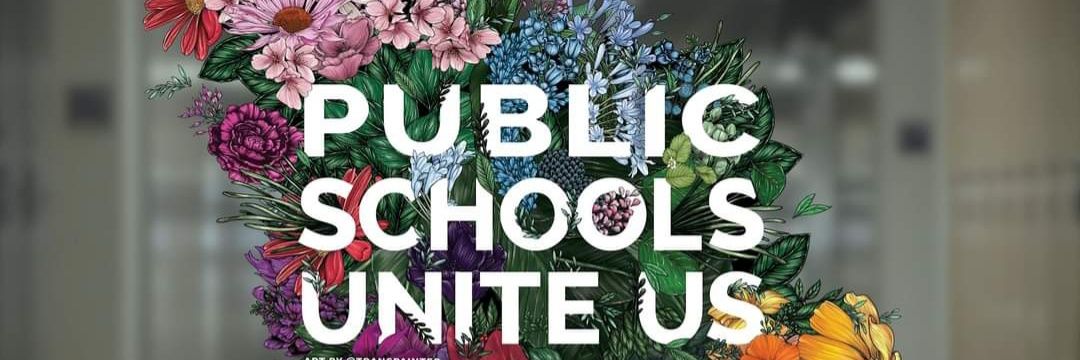


![Rainmaker1973's tweet photo. Science has confirmed that a weekend spent forest bathing can increase the activity and number of disease fighting cells in the immune system by as much as 80 percent with benefits that can last for an entire month.
The challenge is significant. According to the U.S. Environmental Protection Agency the average American spends approximately 90 percent of their life indoors a habit that contributes to growing health problems.
In our screen filled and high stress world a centuries old Japanese practice supported by rigorous modern research offers a simple and effective natural solution. For more than two decades Dr. Qing Li an immunologist at Nippon Medical School has studied Shinrin yoku also known as forest bathing. His work has translated the calming experience of being in nature into measurable biological effects.
Dr. Li has demonstrated that trees release phytoncides antimicrobial volatile organic compounds that form part of the forests natural defense system. When people inhale these compounds during walks in the forest the chemicals enter the bloodstream. This process reduces stress hormones and helps shift the body from a chronic fight or flight state into a restorative mode.
The physiological benefits are both powerful and remarkably long lasting. Dr. Lis research shows that exposure to phytoncides significantly boosts the number and activity of natural killer cells. These white blood cells are essential for destroying virus infected cells and tumor cells. A three day two night forest bathing trip can increase natural killer cell activity by up to 80 percent. These protective effects do not disappear immediately upon returning to daily life but can persist for up to a month.
This evidence makes a strong scientific case for incorporating regular time in nature as an important element of preventive health care.
[Li, Q. (2022). Effects of forest environment (Shinrin-yoku/Forest bathing) on health promotion and disease prevention: The establishment of 'Forest Medicine'. Environmental Health and Preventive Medicine, 27, 43]](https://pbs.twimg.com/media/HM9YSTWXUAEzcLk.jpg)