CEO of Alphabet Google 🇮🇳
CEO of Microsoft 🇮🇳
CEO of YouTube 🇮🇳
CEO of Adobe 🇮🇳
CEO of Procter & Gamble (P&G) 🇮🇳
CEO of T-Mobile US 🇮🇳
CEO of World Bank Group 🇮🇳
CEO of IBM 🇮🇳
CEO of Infosys 🇮🇳
CEO of NetApp 🇮🇳
CEO of Palo Alto Networks 🇮🇳
CEO of Arista Networks 🇮🇳
CEO of Novartis 🇮🇳
CEO of Micron Technology 🇮🇳
CEO of Honeywell 🇮🇳
CEO of Flex 🇮🇳
CEO of Wayfair 🇮🇳
CEO of Chanel 🇮🇳
CEO of Cognizant 🇮🇳
CEO of Vertex Pharmaceuticals 🇮🇳
CEO of Molson Coors Beverage Company 🇮🇳
Note: citizens of India, citizens of other countries but born in India, Indian origin, or with Indian parents
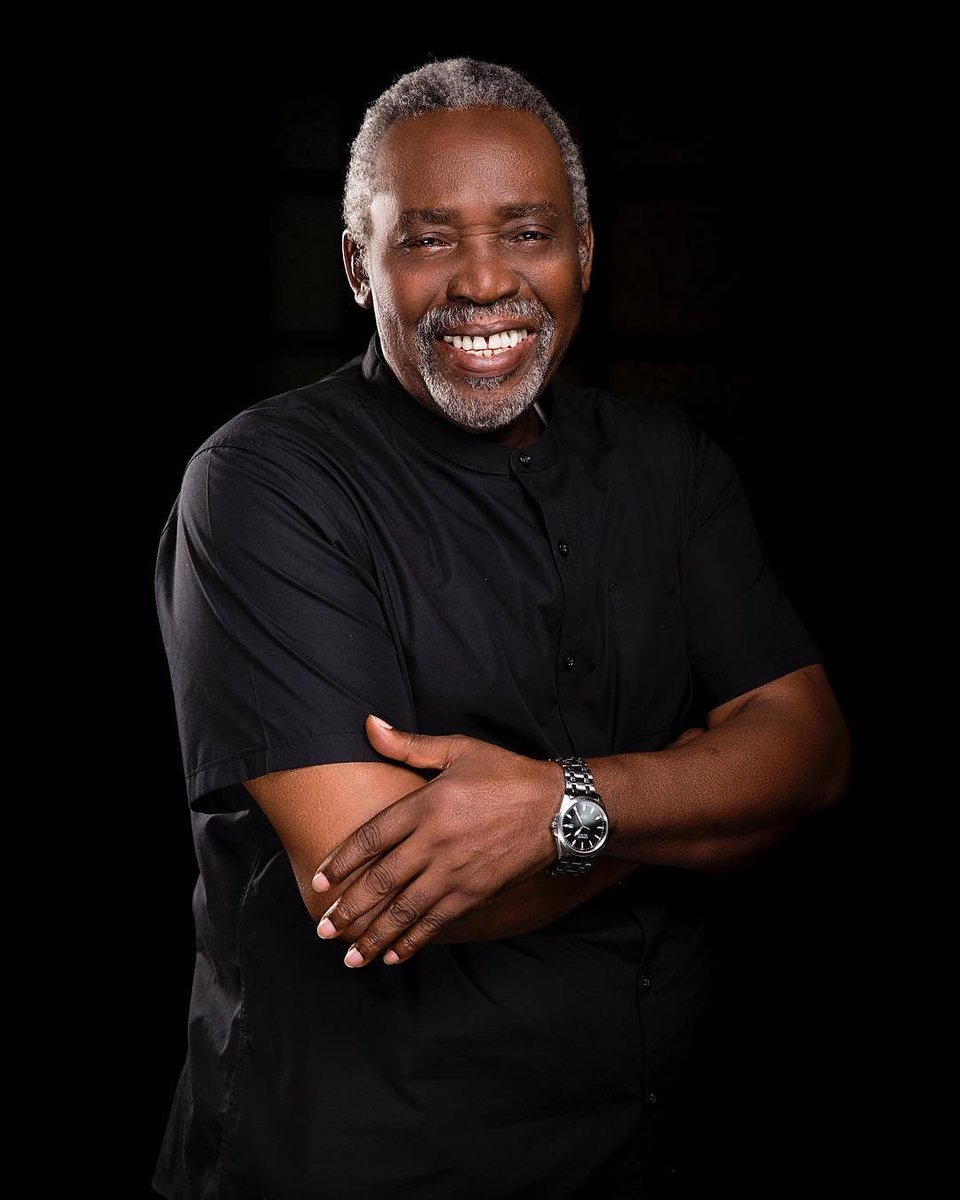
The boy who chose shoes over code.
— Yinka Atunde, a computer science graduate of Babcock University, saw his plans change in 2015 when delays to the NYSC programme gave him time to rethink his next steps.
— Instead of tech, he followed his love for design. He travelled to Italy for a shoemaking course with placements in Italian factories, then toured factories in China, where the pace was faster and more commercial.
—Then came the move that shocked everyone at home: back in Nigeria in 2015, he took a manual job in a local shoe factory, to the dismay of his family.
From fashion shoes to safety boots
— Yikodeen started in 2016 making fashion shoes, then a police contract pointed it toward safety footwear. Work on safety boots began in 2018, but certification and COVID slowed things down.
— The big break? Saipem, the Italian oil-services firm, tested the boots and started ordering in 2022, proving a Nigerian maker could meet strict safety standards.
— Local content helped too: Yikodeen is one of the few domestic manufacturers certified by NCDMB to supply safety footwear to the oil and gas sector. Regulation did the rest.
— Lagos State Safety Commission now inspects even small construction sites, where workers once wore flip-flops. Demand got so heavy that they had to reject all military footwear orders for lack of capacity.
Enter the money
— Aruwa Capital @AruwaCapital invested $1.5 million from its Fund II as sole investor, to buy equipment that would take capacity 10x to 2,500 pairs a day, grow corporate sales and improve efficiency.
— The investor's logic is worth noting: many of Yikodeen's corporate clients pay in dollars, a natural hedge against naira depreciation.
— Aruwa has since led a follow-on round, with the company adding an upgraded plant and specialised lines for electrical and water-hazard environments.
Ten years on
Yikodeen claims over five million pairs in ten years and capacity of 5,000 pairs daily from a 120,000 sq ft factory in Ejigbo, Lagos.