📢 New publication in Macromolecular Materials and Engineering!
https://t.co/7MbnK2beUt
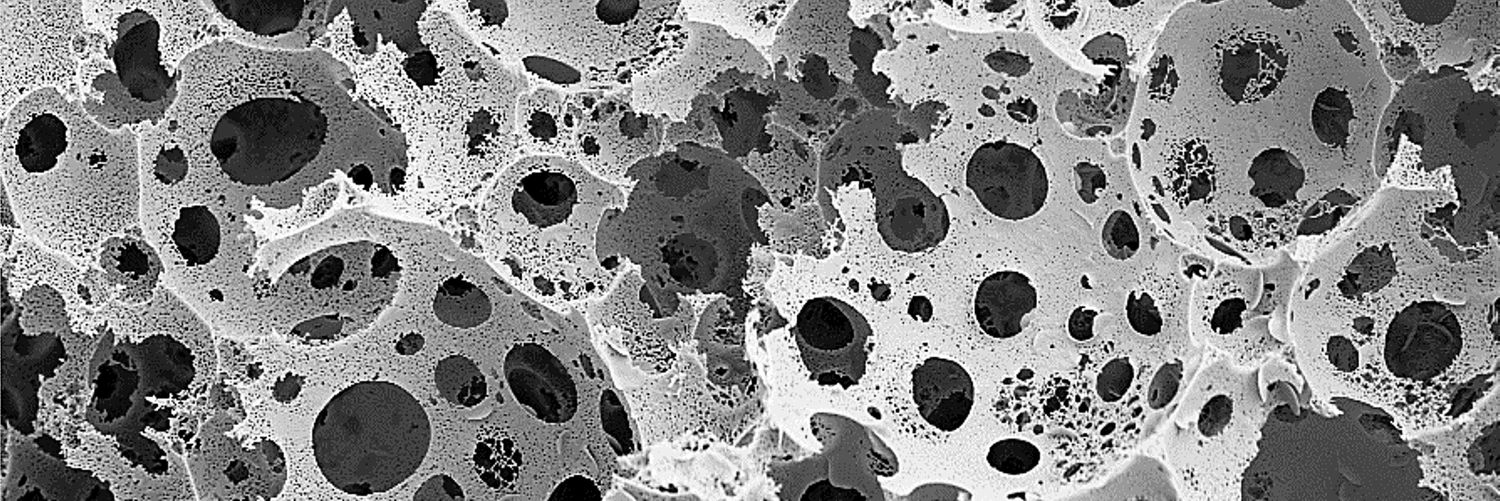
A copoly CPE polyHIPE hydrogels with tunable ionic content are developed. Bisphenols (A, F, S and AF) are used as a model system to show how removal from water is governed by polymer design.
New paper out, a fantastic way to start 2026!
https://t.co/HMFGtHyXgr
Huge credit goes to Aleksander Saša Markovič! Water analytics done in collaboration with Albin Pintar from NIC Slovenia and Siebe Lievens, Milica Velimirović, and others at VITO Belgium.
In our latest manuscript, we used relatively "old" PAMPS chemistry and explored how polyHIPE geometry, porosity, and sulfonate group density can be tuned to optimize ion exchange performance. Jointly with colleagues from #UniversityofSplitFacultyofScience!
https://t.co/XcpaZUlly6
📢We are marching on – more photobactericidal polyHIPEs. Bacteria, watch out..😬
https://t.co/0RnaNyI4gF
Jointly with with Dr. Davy-Louis Versace from Institut de Chimie et des Matériaux Paris-Est and Dr. Antoine Debuigne from #UniversityofLiege
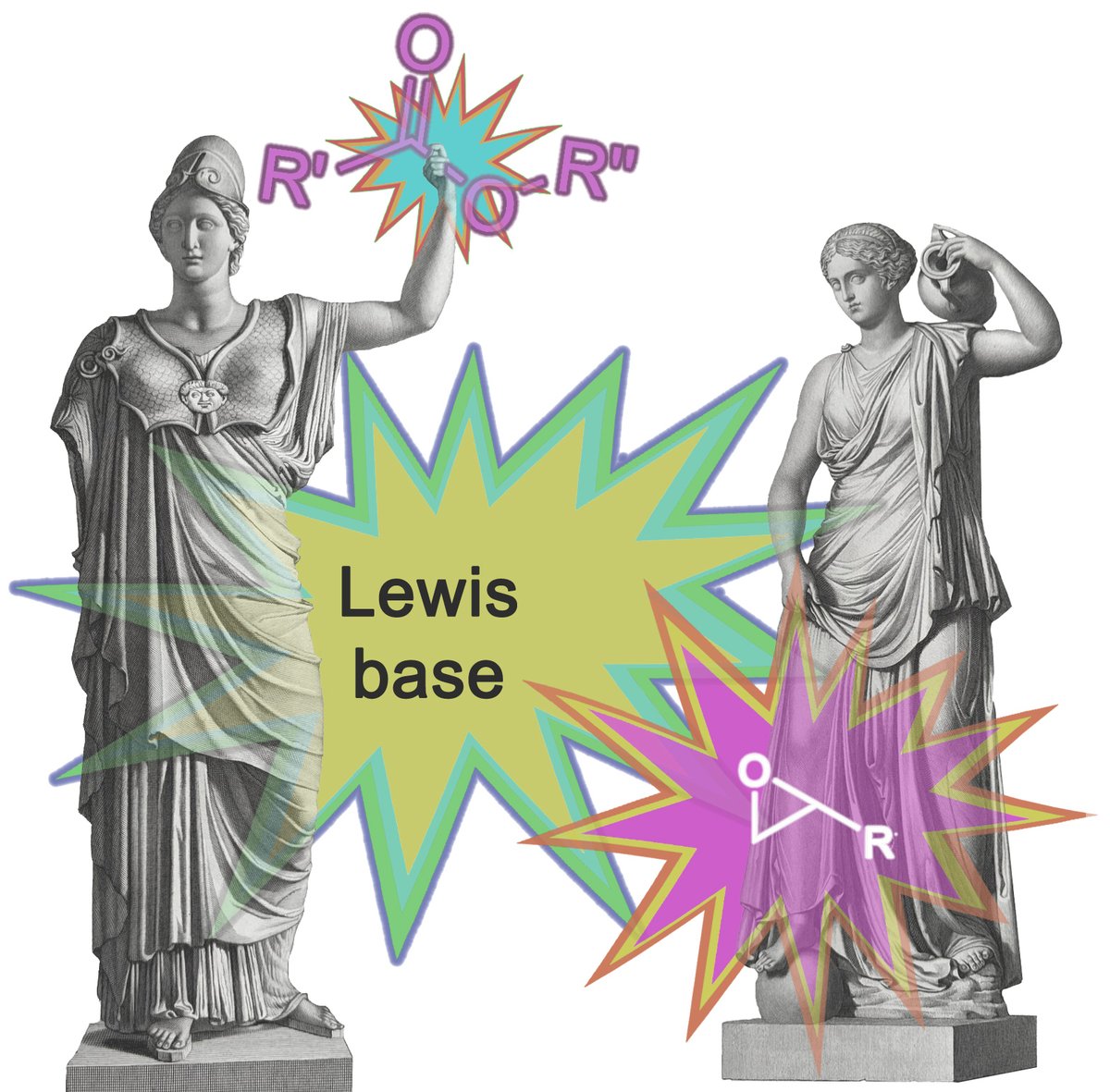
@ChemRxiv you can find work on Lewis base/oxirane combinations acting as a catalytic system in the glycolysis of poly(ethylene terephthalate) and the ring-opening polymerization of ε-caprolactone https://t.co/c4E4j26lQG
There's no need for thiols anymore! 😇
Hot lithography with formulations based on novel photobases, alcohols, and acrylates is disclosed in Mater. Horiz. https://t.co/hP8iEJrtqj
Preparation of iminophosphorane-linked polymers, producing poly(arylene iminophosphorane)-based glassy films, foams, and metallo-polymers, reported by @KovacicSebaTeam and @KotnikTomaz95
https://t.co/BbMWKV38xC
🚀In our new work, we "unlock" the potential of the azide-phosphine Staudinger reaction for the synthesis of various poly(arylene-iminophosphorane) networks. Massive work done by @KotnikTomaz95! 💪
https://t.co/DWaO2r4XCV
#EurJOC Modern Methods for Conjugated Polymers Preparation: A Concept of Transition Metal-Free Synthesis (Sebastijan Kovacic and co-workers) • https://t.co/VPbRzWsi6V
Catch up at our first paper from 2025, where we reviewed the use of transition metal-free chemistry to synthesize conjugated polymers.
Now out in @EurJOC! Big thanks to Dr. Tomaž Kotnik @KotnikTomaz95 for his massive work! 💪💪https://t.co/0mcQNmo8O5
Porous Materials@Work for Sustainability is organizing a networking event at @TUGraz in 2025. Are you interested? Any questions? Then sign up or ask me if you need more information.
The binder is almost as important to electrolysis as the catalyst - take a look:
https://t.co/26XZtsOK5z
Jointly with with @EndrodiBalazs and
@JanakyLab Team from University of Szeged (Department of Physical Chemistry and
Materials Science)!
Bacteriaaa it's not safe anymore, the photo-bactericidal polyHIPEs come to you..😬
https://t.co/ZF6NlLpqTS
Jointly with with Dr. Davy-Louis Versace from Institut de Chimie et des Matériaux Paris-Est and Dr. Antoine Debuigne from #UniversityofLiege
📢We are marching on - New adsorptive photocatalysts that combine a hierarchical porous structure and a semiconducting polyacetylene framework - is it good or bad for photocatalysts to adsorb pollutants before oxidizing them?
https://t.co/utDIUMnOJS
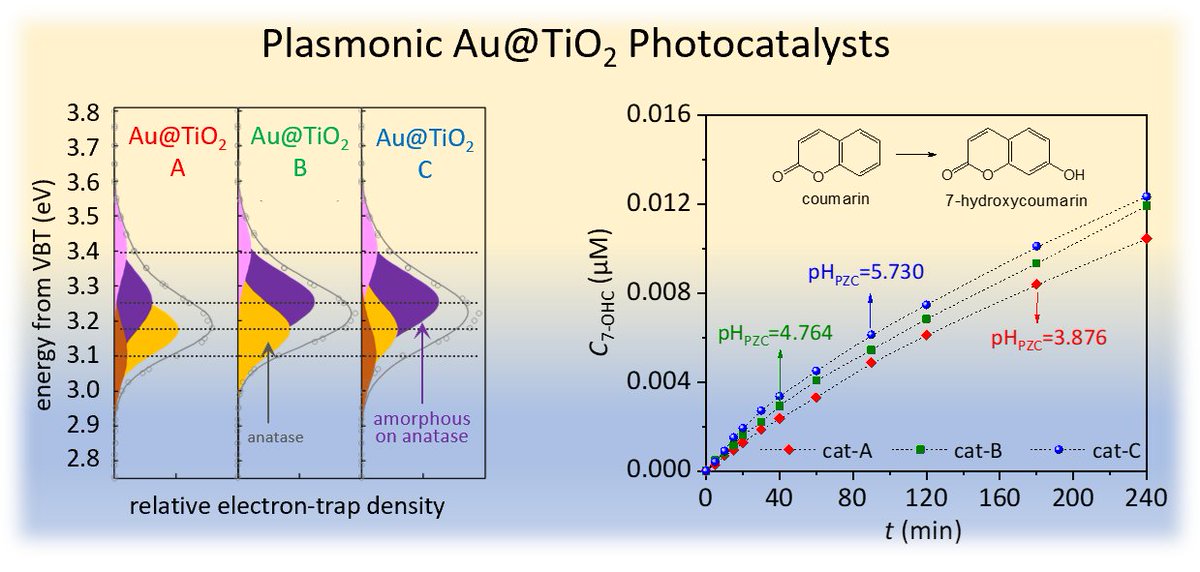
📢New paper out: Plasmonic Au@TiO2 photocatalysts for visible light water treatment! Joined forces with Prof. Nataša Novak Tušar et al. https://t.co/6TAygYw6bR