@HeatherMughal@ivanculum A6: I completely agree - I am very interested in wearable technology. I already enjoy many of the features on my watch - ECG, sleep tracking, HR monitor - I would love to see how we can use this as health care providers. #Futurehealth#MHST601
@ivanculum A3: one of the barriers is the cost of implementing an EMR. Especially when it is felt this money could be better spent on improving access to care. #MHST601#FutureHealth
JIM VIBERT: Is OPOR the best health investment for Nova Scotia? | The Guardian https://t.co/33DgfOntKo
@ivanculum A2: In my workplace, the majority of charting and documentation is still done on paper. NSHA is working towards implementing an electronic medical record, however, appears to still be in the early planning stages. #MHST601#FutureHealth
Although COVID-19 has been disruptive, it has served as a powerful catalyst for change in the Canadian health care system.
#futurehealth#MHST601
COVID-19: An accidental catalyst for change in the Canadian health care system https://t.co/08ymKEIQNQ via @BCMedicalJrnl
In this great Tedx Talks - Daniel Kraft shows us where technology can take us in health and medicine.
#futurehealth#MHST601
Next steps in health & medicine -- where can technology take us? | Danie... https://t.co/dweMF85tzP via @YouTube
There is value in technology advancements in health care - however, we should not plan the future by being technology-driven but improving patient care and staff support.
#futurehealth#MSTH601
https://t.co/TGPUQwlnAj
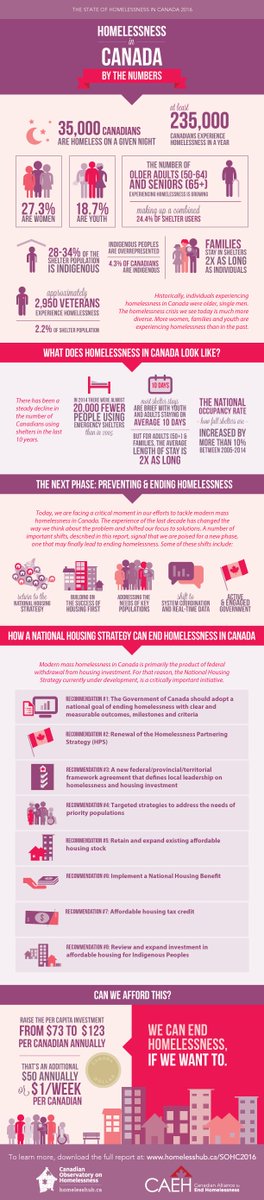
The social determinants must be considered in all patients and special consideration given to #vulnerablegroups as they may be at more risk for adverse health outcomes.
#MHST601
Health of Special Populations: By Sarah Gander M.D. https://t.co/H6Ivg7K7b9 via @YouTube
Vulnerable populations - groups and communities at a higher risk for poor health
#MHST601#vulnerablegroups
Vulnerable Populations: Who Are They? https://t.co/MPLfqQmBAD via @AJMC_Journal
A look at bias and discrimination of Indigenous People by gaining insight into what care providers think, know and do in the health care setting. #MHST601#Indigenoushealth
https://t.co/lKeMX283ga
The blog post provides a great overview of 8 of the key issues that are of greatest concern for Indigenous Peoples in Canada, including:
- Poorer Health
- Lower levels of education
- Higher rates of suicide
#MHST601#Indigenoushealth
https://t.co/EDnfNGDaK3
Over the next 2 weeks for #MHST601, we will be looking at #IndigenousHealth and #vulnerablegroups.
While much of Canada is seeing an increase in COVID-19, this article looks at Why Indigenous communities are seeing so few cases.
https://t.co/jhKye9Rsv9
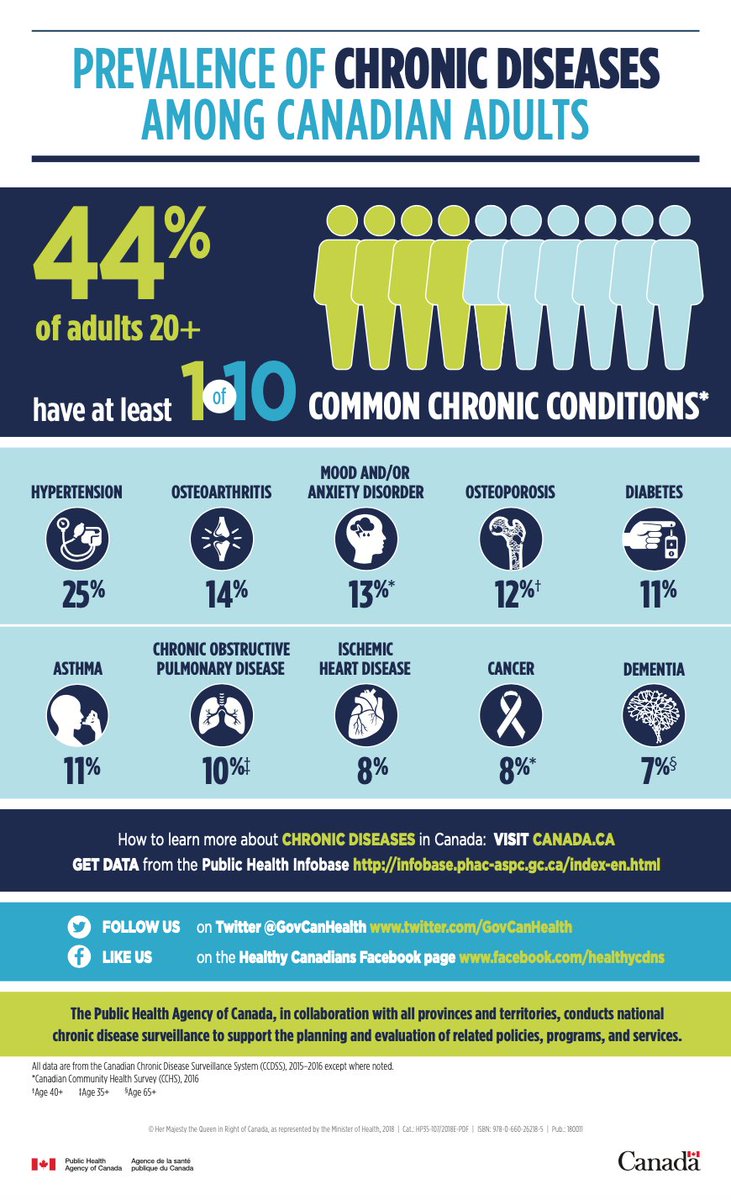
Nova Scotia has high rates of chronic illness when compared to other Canadians.
Looking at #chronicdisease in Nova Scotia and how the determinant of health contribute
https://t.co/jZsObibsr3
Many #chronicdiseases can place patients at an increased risk of severe illness from COVID-19
However, COVID-19 has also had an impact on chronic disease management.
#MHST601
Impact of COVID-19 on routine care for chronic diseases: https://t.co/aQMIcrZFtR
How to increase Vaccine Rate using the Social Ecological Model
#Resources used to examine how to increase influenza vaccination rates using the Social Ecological Model
#MHST601#levelsofinfluence
Key Facts About Seasonal Flu Vaccine https://t.co/5oUmiLVOu2 via @elink_io
Did you get your flu shot?
My latest blog post is looking at how to increase influenza vaccine uptake using the Social Ecological Model
#MHST601#levelsofinfluence
https://t.co/u3y9wPjt80
Theories and models help explain behaviour and suggest how to develop a more effective way to influence and change behaviour
Here are the #resources used in my last blog
#MHST601#levelsofinfluence
Social and Behavioral Theories https://t.co/RIbfnwwvJ7 via @elink_io