Our world class expertise is pushing the envelope to find the best in patient care.
One way is through Regenerative Medicine, using your own body to heal an injury before turning to surgical treatment.
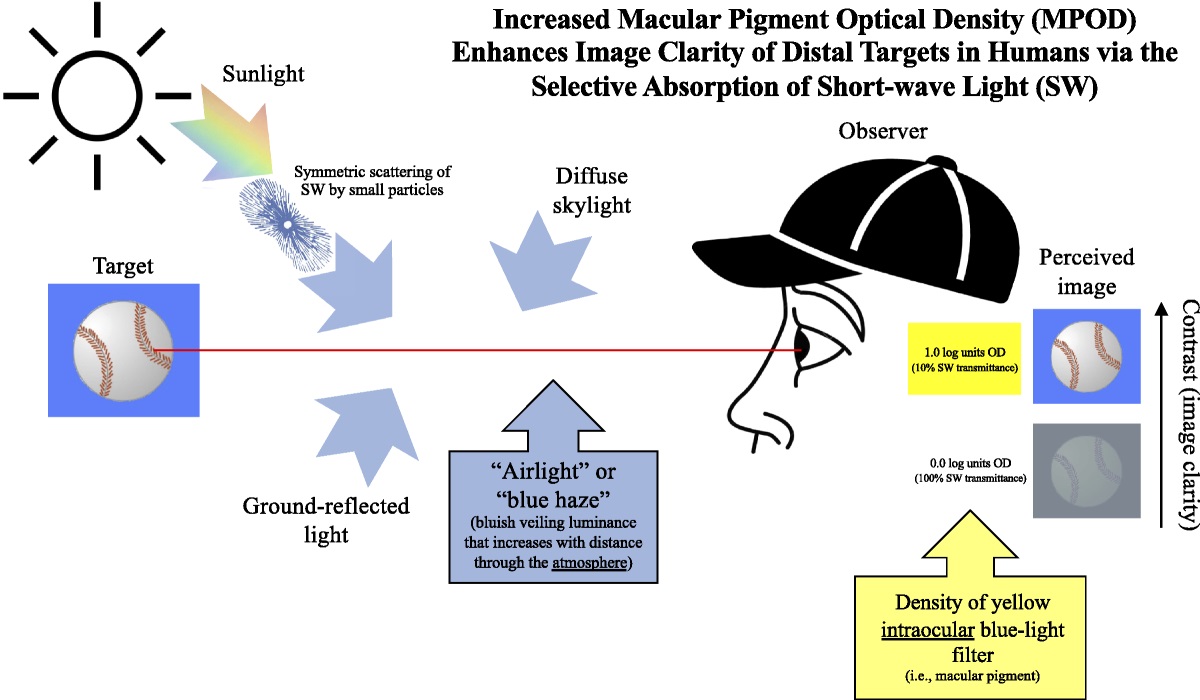
Harth & colleagues hypothesize that the primary driver of differences in athletes' visual range is the individual response to scattered short-wave light in the environment moderated by the dietarily derived retinal pigments lutein and zeaxanthin.
🆓 https://t.co/sMKoKcJKR1
Our Regenerative Sports Medicine team studies the body’s ability to heal itself. Options include minimally invasive, ultrasound-guided procedures and injections that can provide significant relief of pain and improvement in function: https://t.co/2xdxnNgR6x
If you’re training for a marathon, it’s important to listen to your body and not over train.
Here are some signs to look out for in your training.
https://t.co/QrjLRhm4OE
Almost 75% of the world's population eats less than the recommended 400g of fruits and vegetables per day. This low consumption contributes 1.8 % to the global burden of disease, mainly from cardiovascular diseases and cancer. #healthyeating#nutrition https://t.co/khbhLY95xw
The question shouldn't be “where do you get your protein?” but rather “where do you get your fiber?” Most Americans get less than half the recommended minimum fiber intake a day. https://t.co/NkkQMrKgo5
Simple activities like five-minute walks can help contribute to your physical wellbeing. The more activity you can add to your day the more benefits you can experience.
https://t.co/CK0Gpyo7t3
According to a Mayo Clinic study, applying regenerative medicine to common shoulder surgery could impact the need for follow-up surgeries in some patients.
Learn about our experts’ findings.
https://t.co/seHrfHfWW8