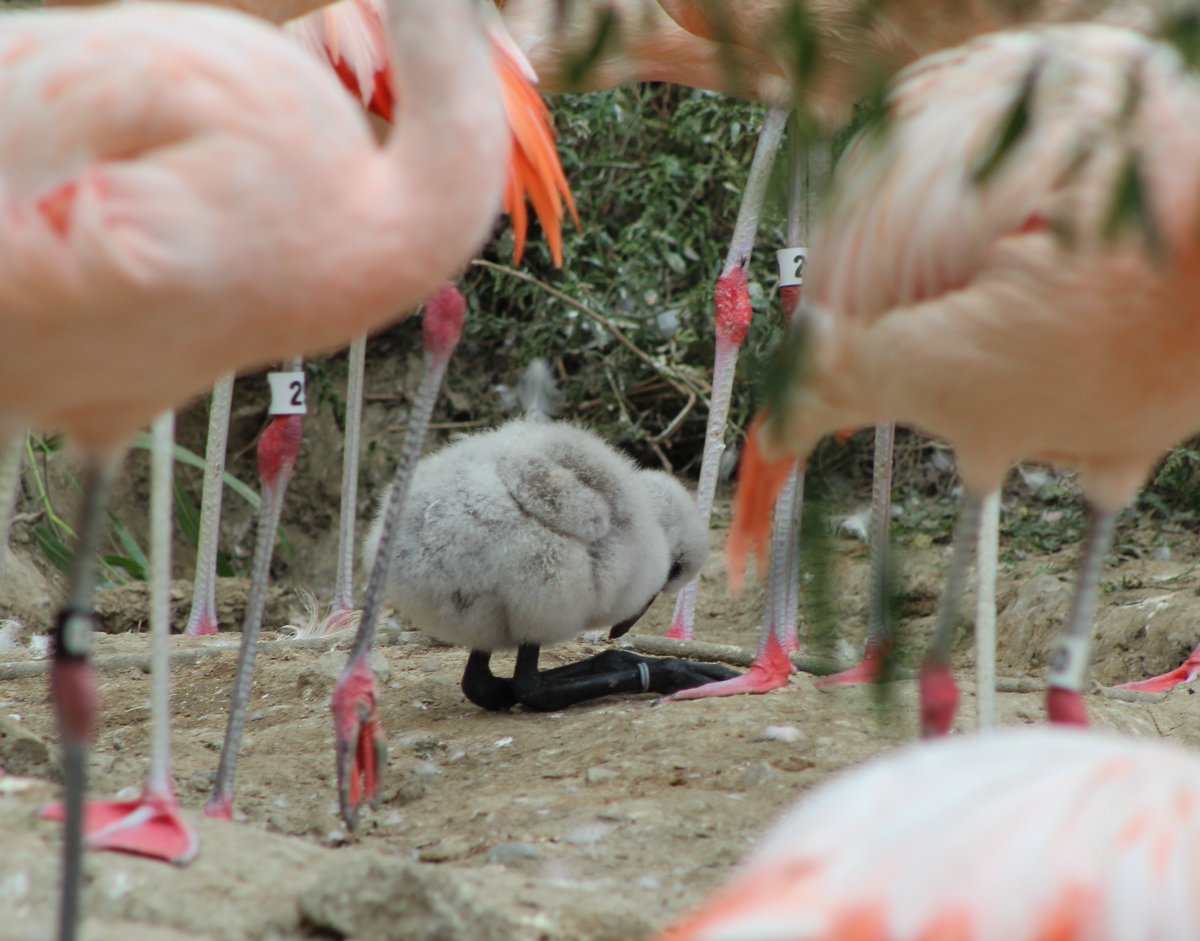
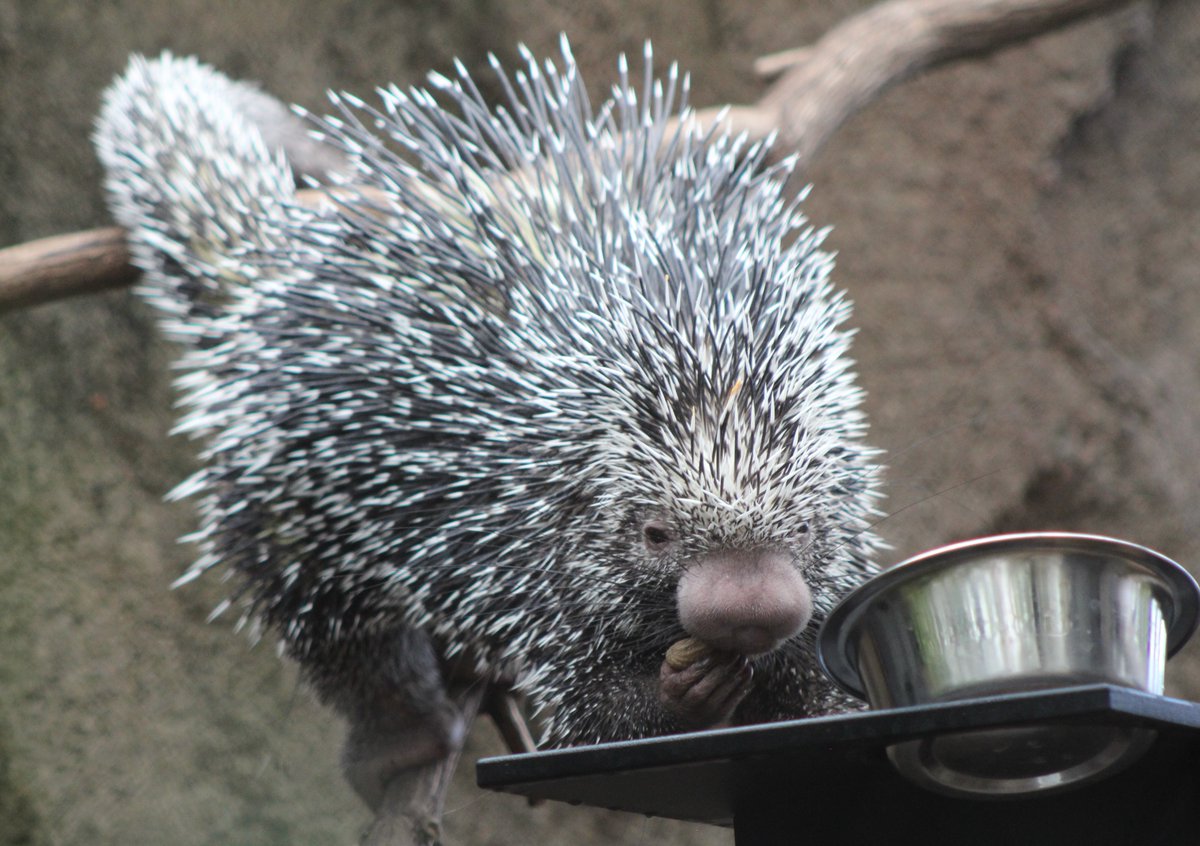
If you are stopping by the zoo this Saturday and don't already know, sign up for the Walk to Save Animals and participate in all of the fun activities scheduled for the day! - #WalkToSaveAnimalsDSM https://t.co/RvcWVlkrcw
The mystery animal was...
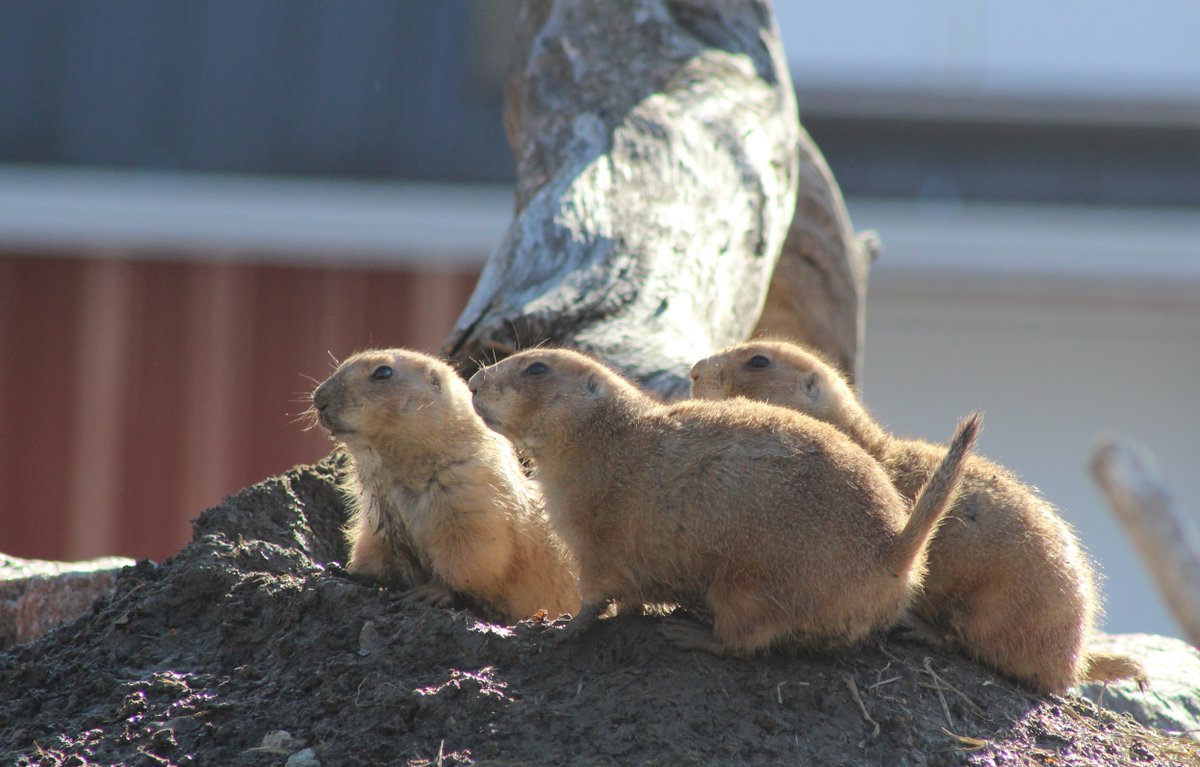
A Prairie Dog! These animals are very important, being a primary part of the Black Footed Ferret diet. Also, they are cousins to your neighborhood squirrel, found in the same family, Scuiridae.
WHO'S THAT ANIMAL?
Hint: their habitat has shrunk by 95% from what it used to be and they have a very complex vocabulary.
*answer to be revealed on Thursday, 1/16*
Fun Fact Friday!
River otters tend to sleep on solid ground, either in their dens or simply above ground, while sea otters sleep at sea near kelp to keep them from floating away.
Our mystery animal was...
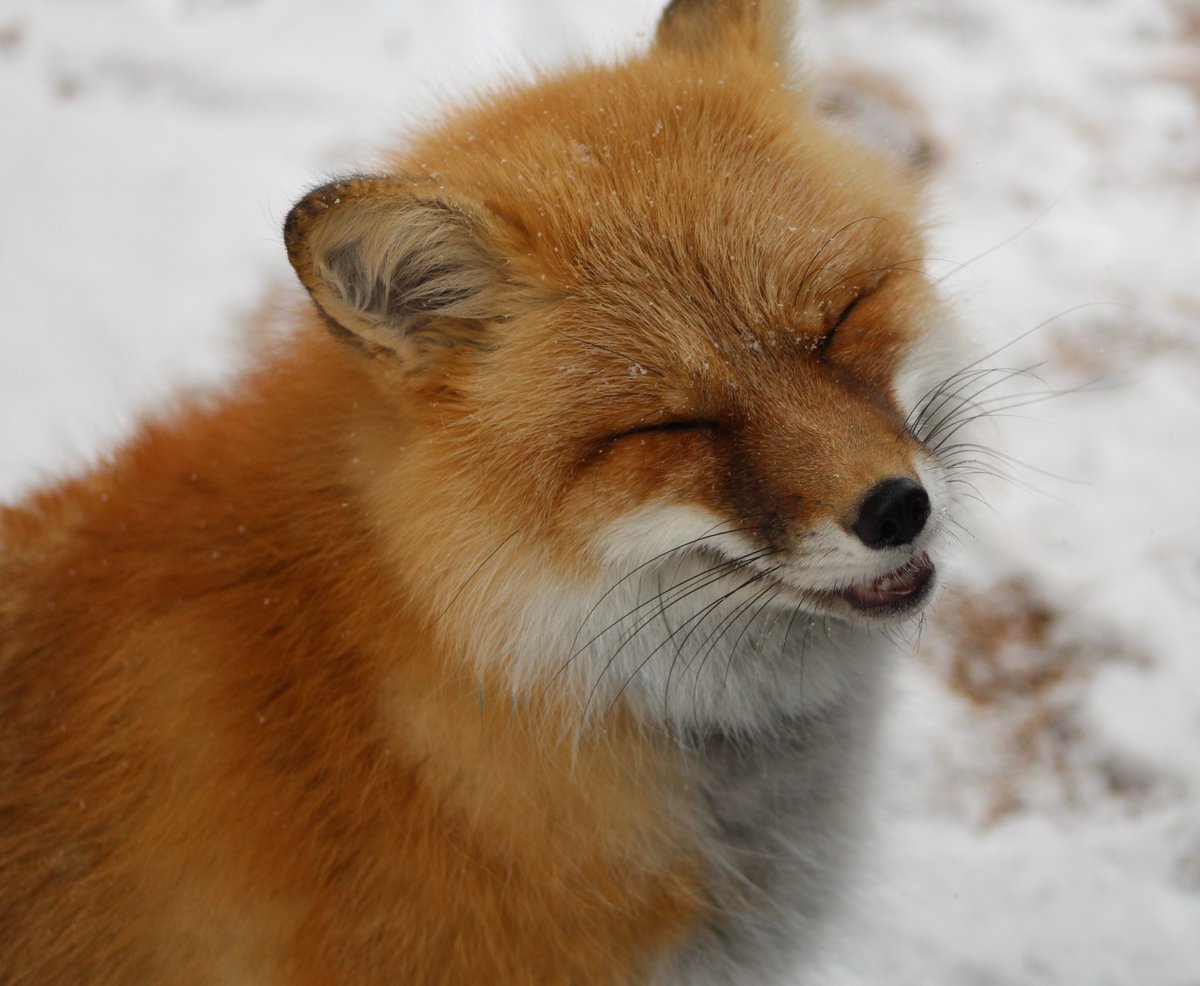
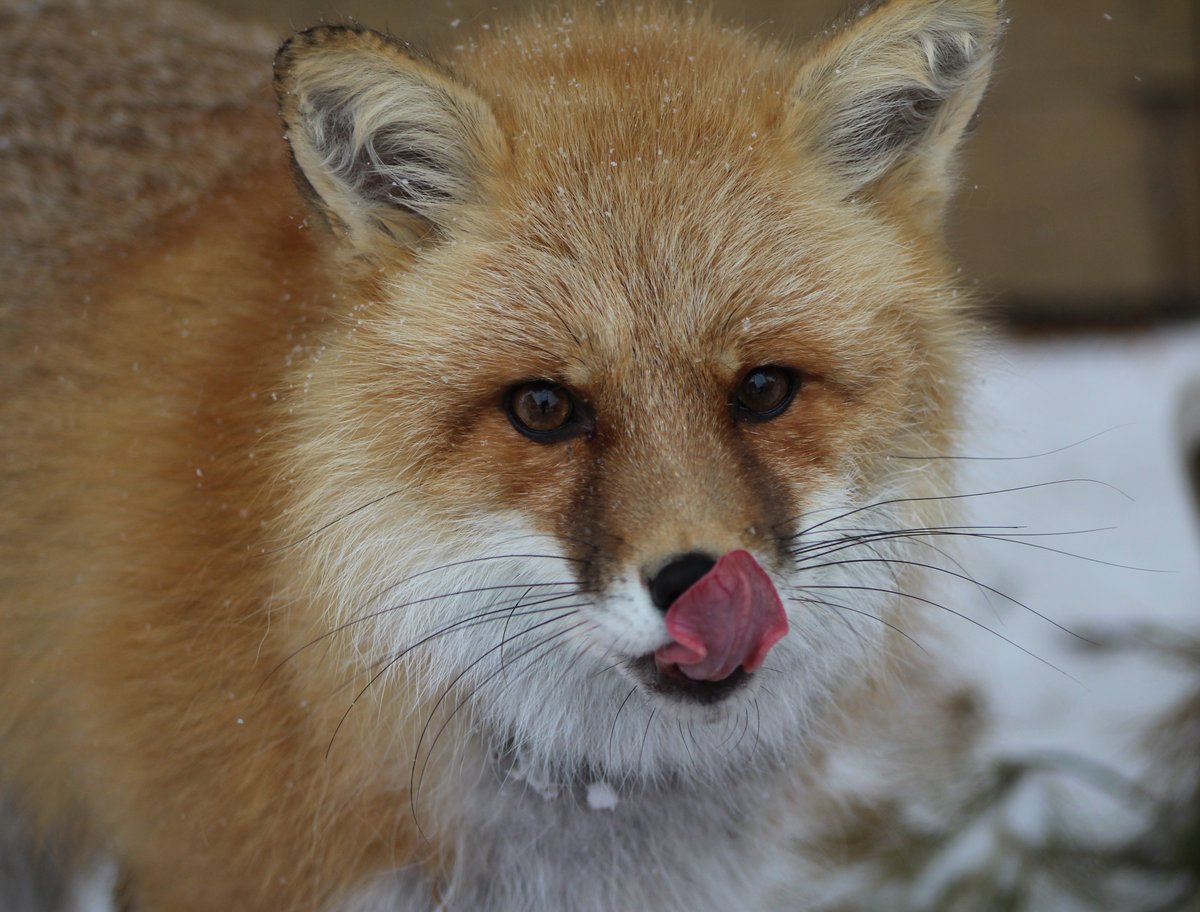
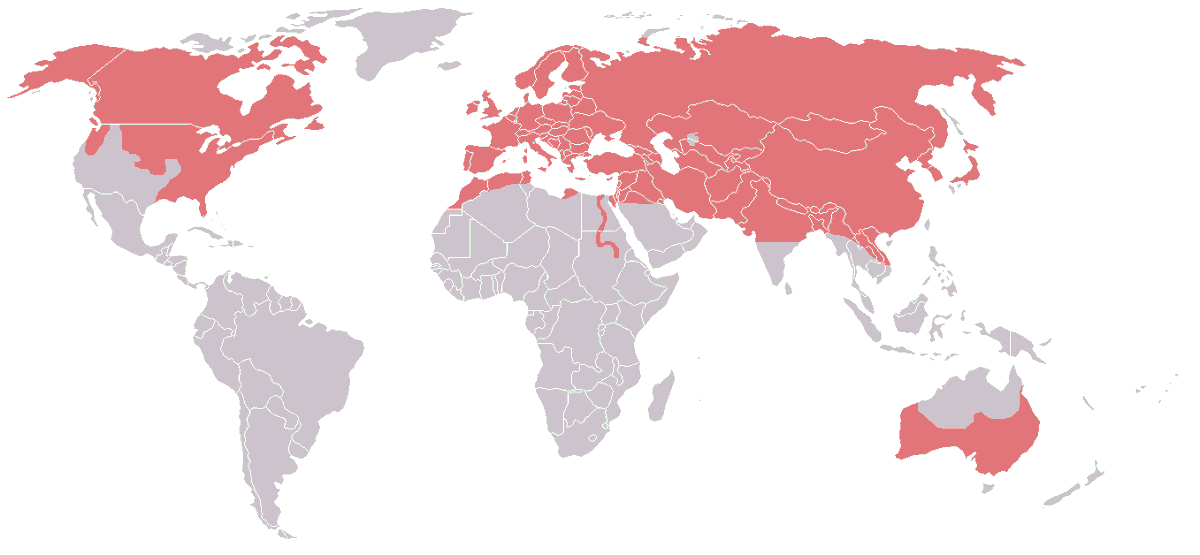
A red fox - aka, Penny, our education fox! The red fox Genus & species is Vulpes vulpes, very easy to remember! They can also be found throughout most of the Northern Hemisphere. Penny herself loves playing in the snow & chatting at her keepers!
When you realize it's now 2020 but you're still writing 2019 on everything... Happy New Year from the Blank Park Zoo!
What are you most excited about in 2020?
WHO'S THAT ANIMAL?
I'll give you a hint. This mammal can be found throughout large portions of the world and is the largest species in its family.
The answer will be revealed on Friday, January 3rd.
Did you know?
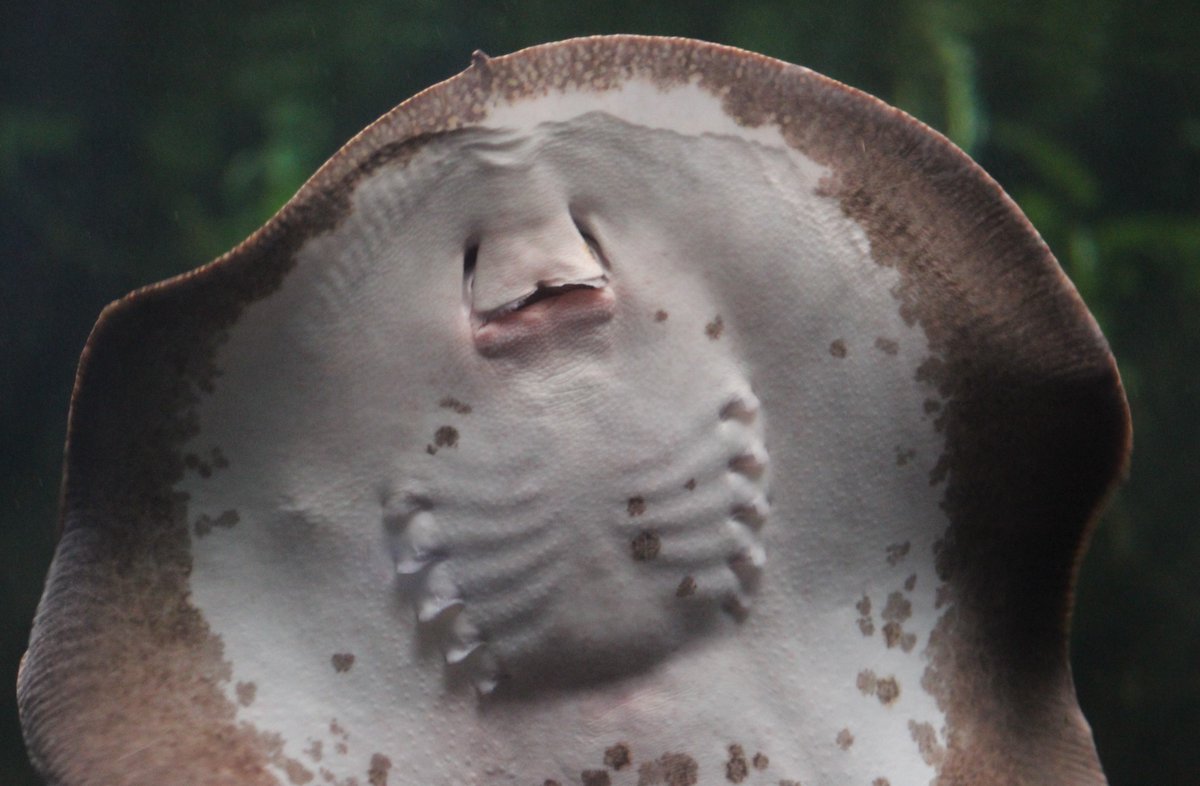
Rays and skates are flat fish with skeletons made from cartilage instead of bone and are closely related to sharks. Their eyes are located on the top side of their body while their mouth and gills are located on their underside, as seen pictured below.
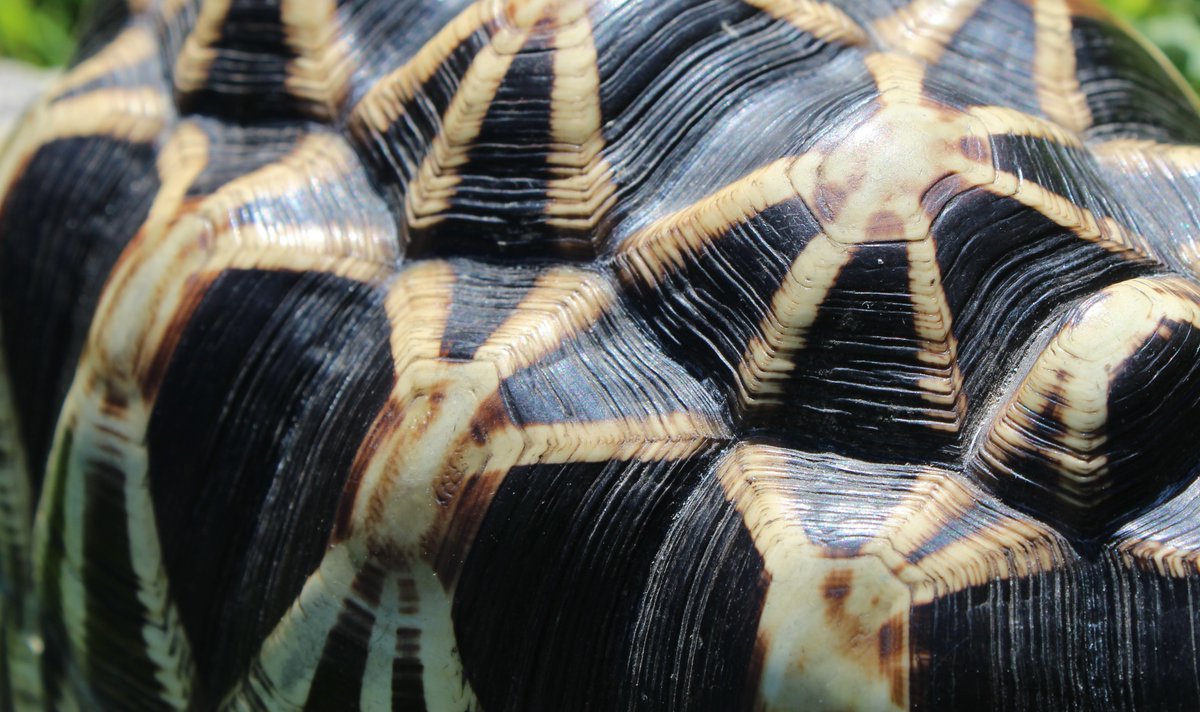
Our mystery animal was.... The Burmese Star Tortoise! Specifically, our education ambassador Chuckwa.
Chuck is named after the tortoise in Hindu mythology that carries the world on his back. His favorite things to do at the zoo are go outside and eat mouthfuls of dandelions!
WHO'S THAT ANIMAL?
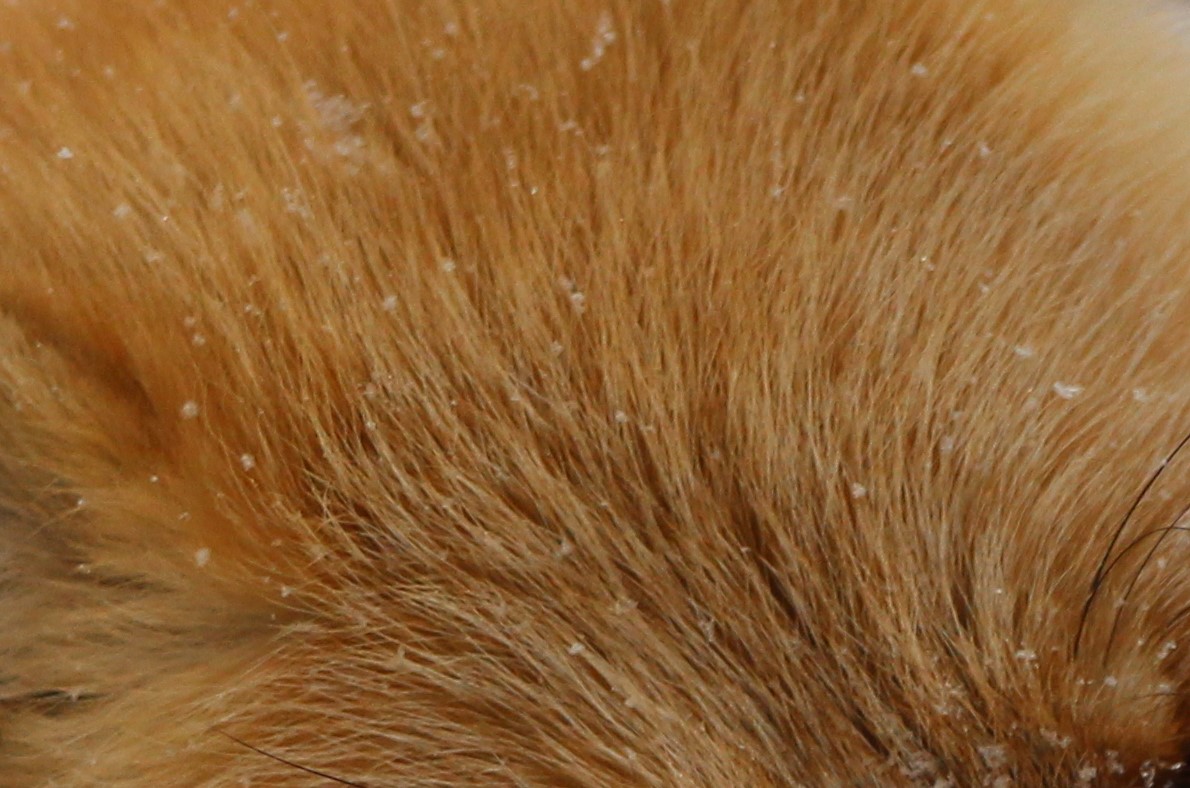
Can you guess who this hard exterior belongs to? I'll give you a hint! He was considered functionally extinct in the early 2000s to late 2010s, but has recently become classified as critically endangered.
The answer will be revealed on Monday.