A major part of the @Krumensenke project is the ameliorative, fractional deep tillage (aFDT).
These two articles give first insights on the effects of aFDT on long-term Corg and N storage in soils
https://t.co/SU3szBjD3E
https://t.co/70lAbRzlpc
@zalf_leibniz @FNR_de #MonksHillLab
One of our ZALF scientists won a grant of £5,000 by the @Soil_Science at @WorldSoils2022 to develop a low-cost approach for the environmentally sustainable analysis of #soils in agriculture. Congratulations, Dr. Wanderson de Sousa Mendes! 🥳
https://t.co/Hb4cCwd8OC
#WCSS2022
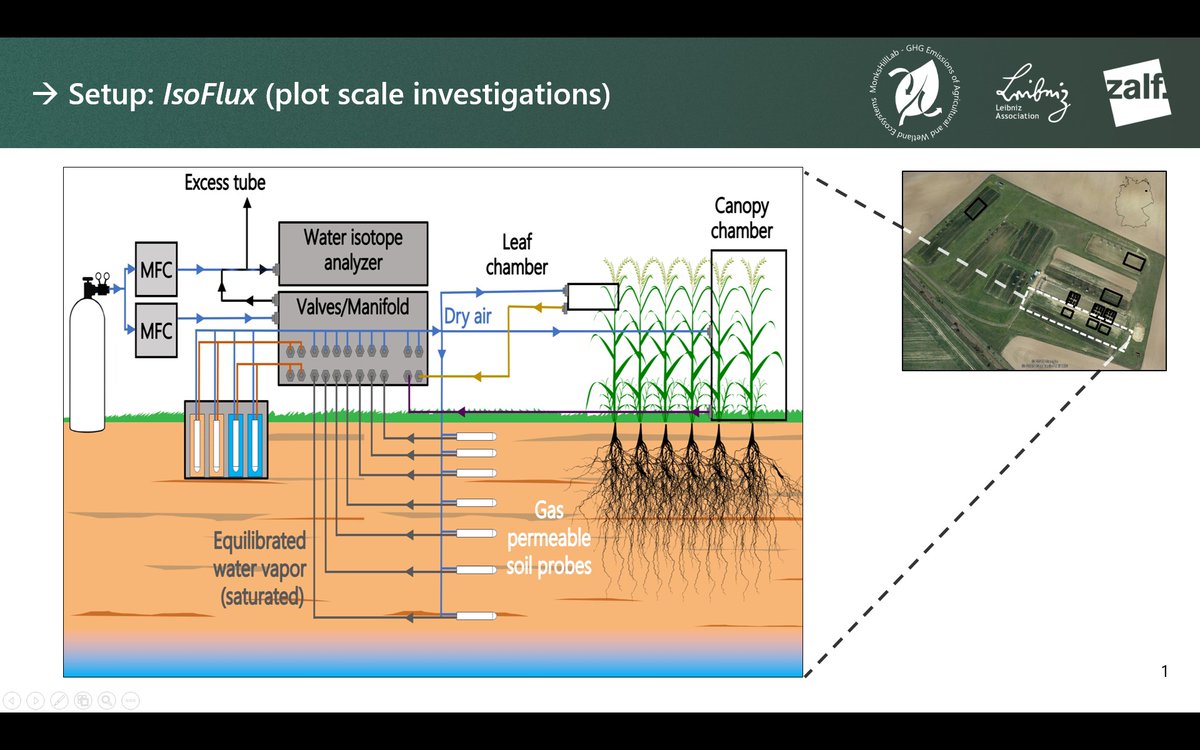
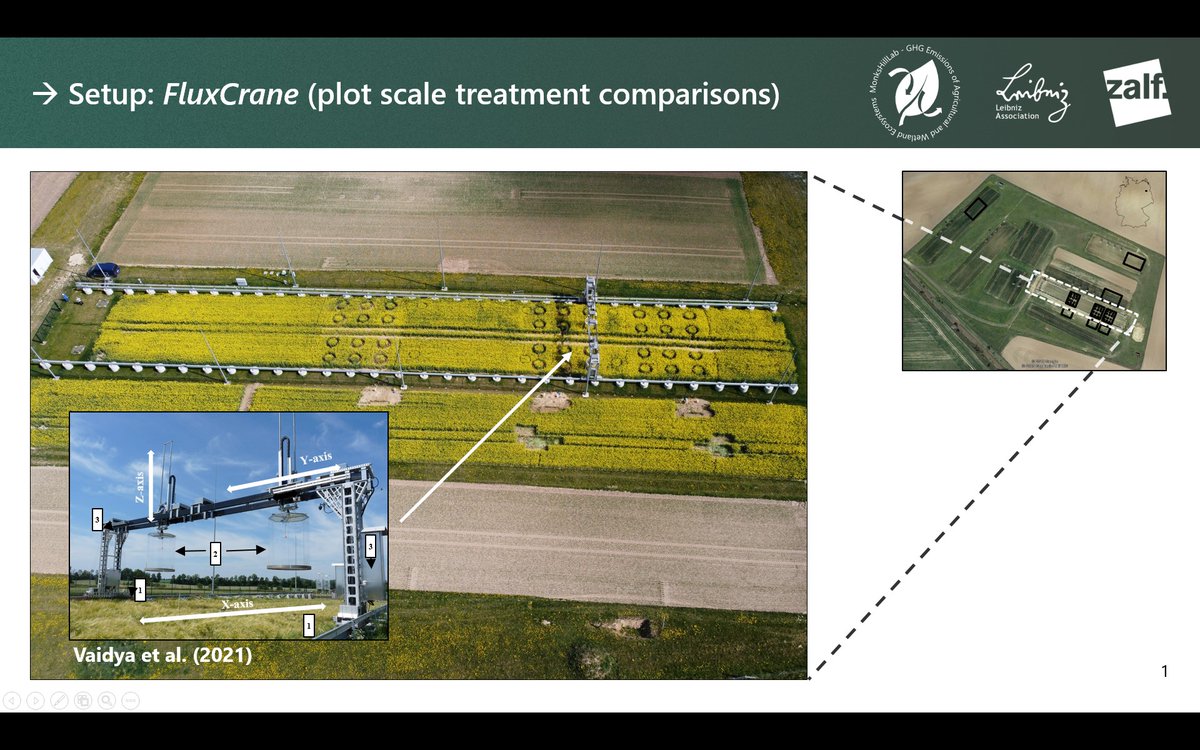
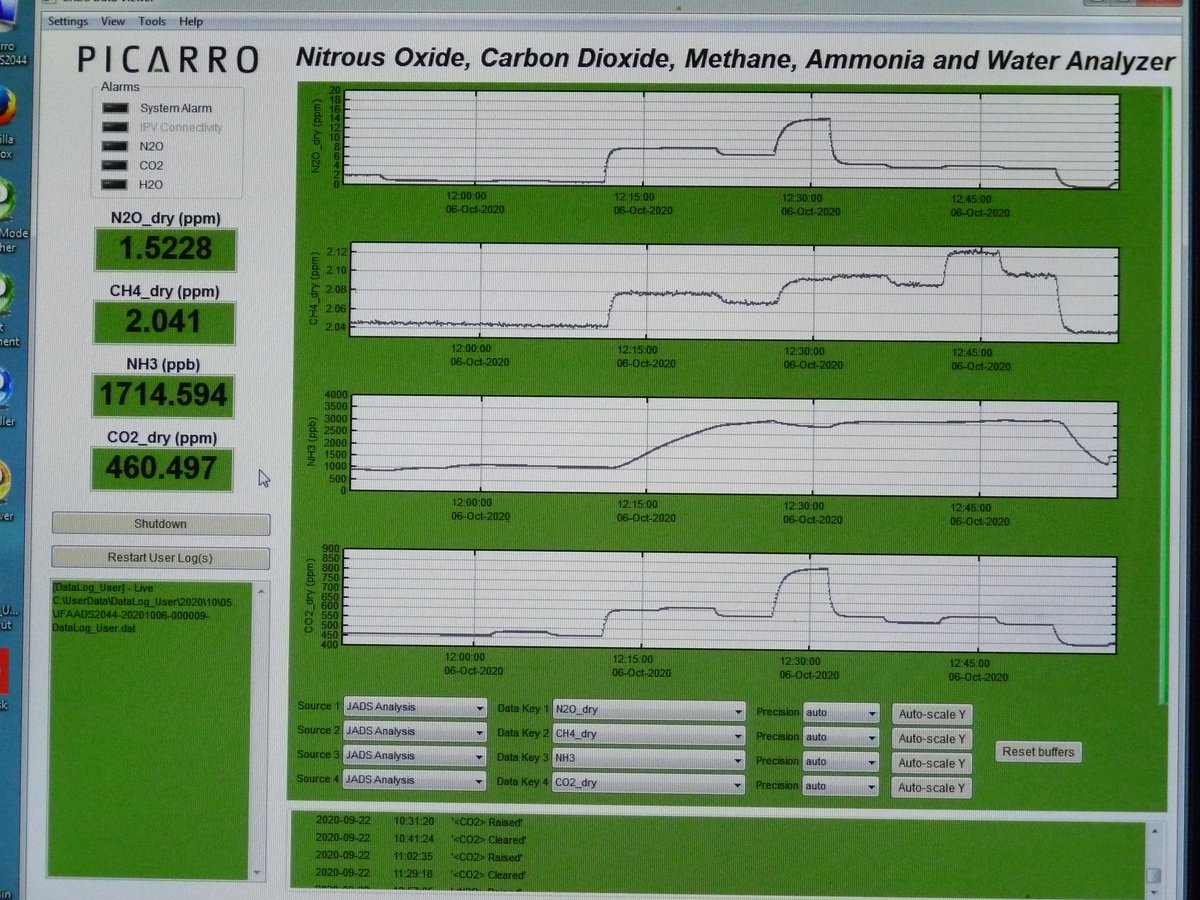
...especially the further development of CarboZALF towards AgroFlux (A sensor platform including detection of stable H2O (and soon CO2) isotopes, N2O, CO2, CH4 and ET flux measurements at FluxCrane and IsoFlux) could be achieved!
Another crop and conference season fading away!
During the last busy months, many technical innovations could be implemented and scientific results were and will be presented at #EGU2022, Frontiers in experimental research and #DBG22!
@zalf_leibniz#MonksHillLab
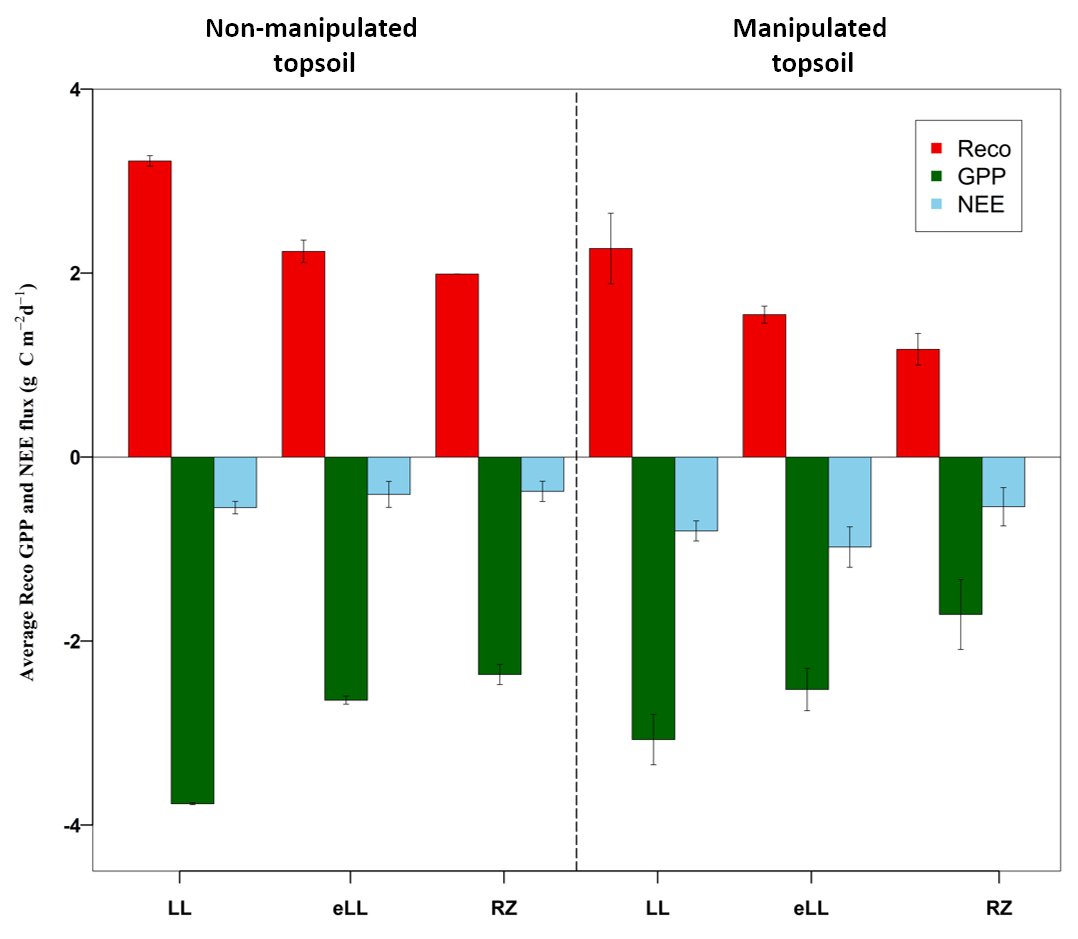
Our results show that in manipulated soil, the higher differences between Reco (Ecosystem Respiration) and GPP (Gross Primary Productivity) leads to higher NEE.
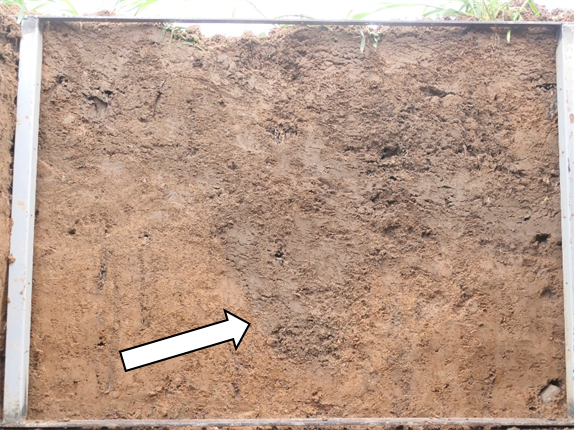
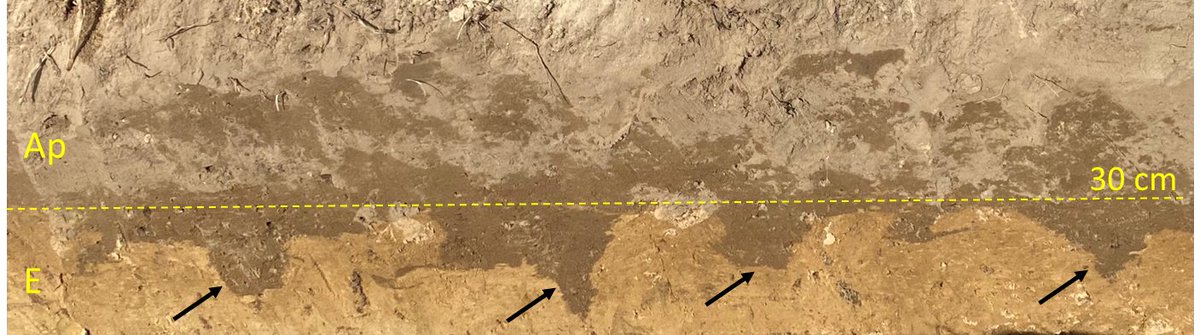
Near Müncheberg rediscovered historical aFDT field trial (from 1984): even after 37 years (!) aFDT shafts filled with topsoil still show clearly higher SOM compared to neighboruing subsoil (E horizon; arrows point to shafts).
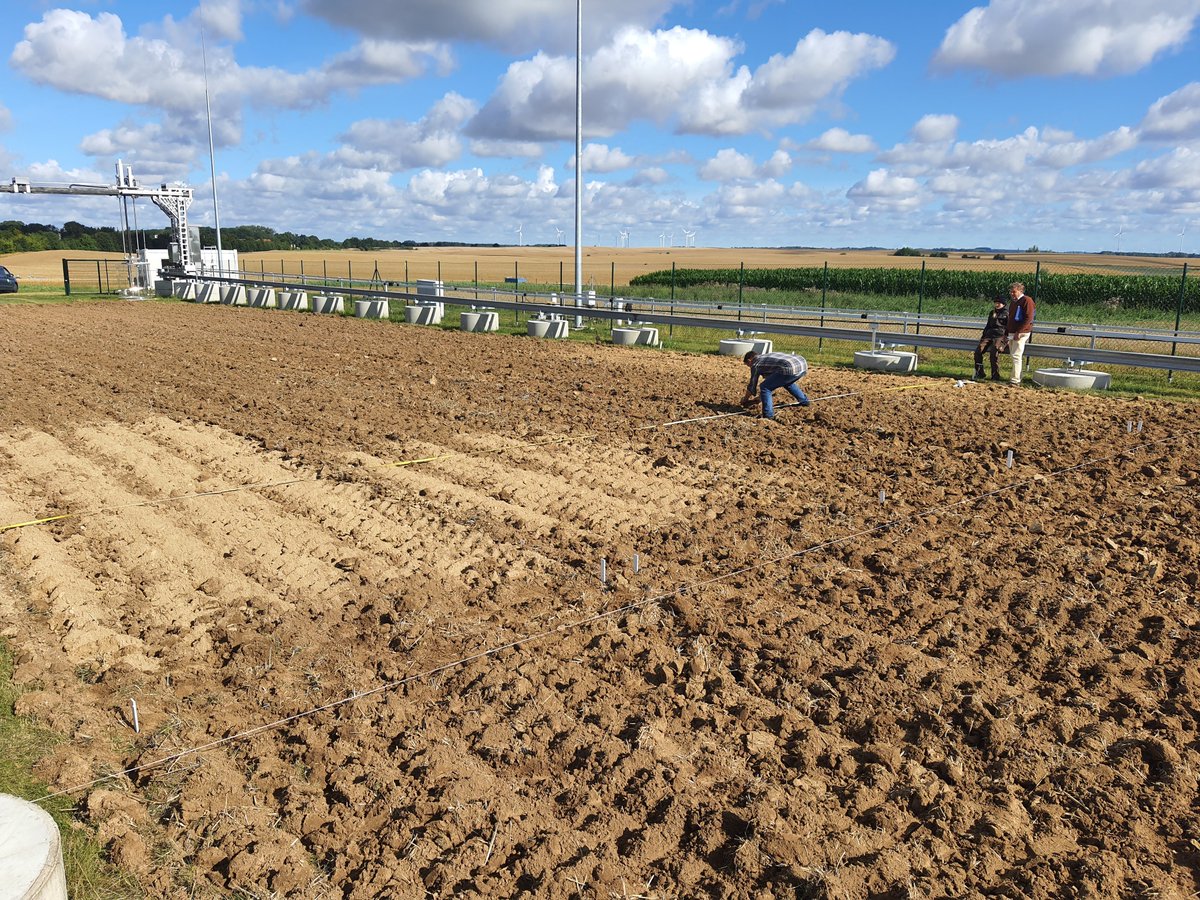
@zalf_leibniz First insights from our implemented practical and rediscovered historical trials (#Krumensenke). The field trial at Schlepkow fully covers present erosion-related soil heterogeneity: left strip with aFDT (fractional deep tillage), right strip without aFDT!
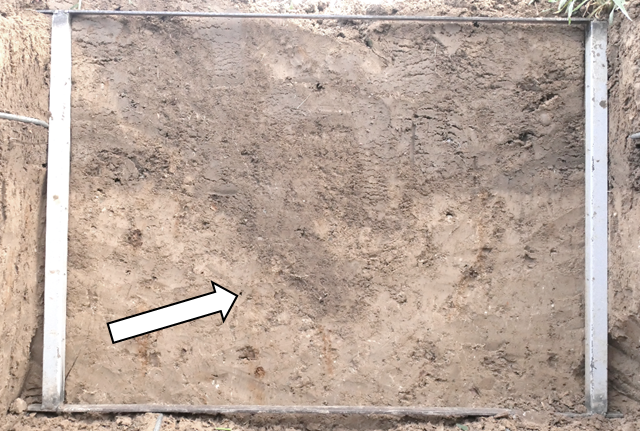
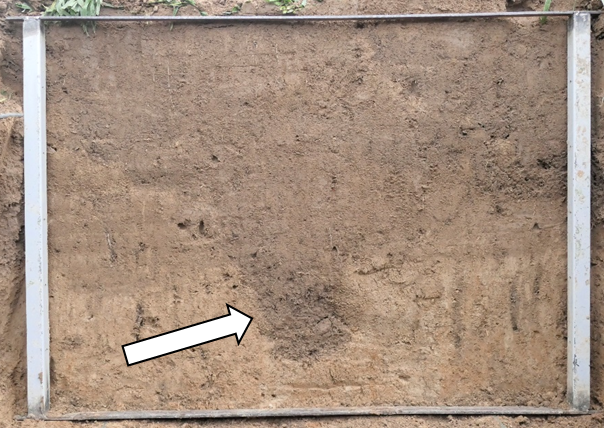
Below the upper 60cm of soil profiles along the erosion gradient in Schlepkow after aFDT: Calcaric Regosol (left), Nudiargic Luvisol (top right), Eutric Stagnosol (Colluvic) (bottom right); arrows point to the subsoil shafts filled with Ap material.
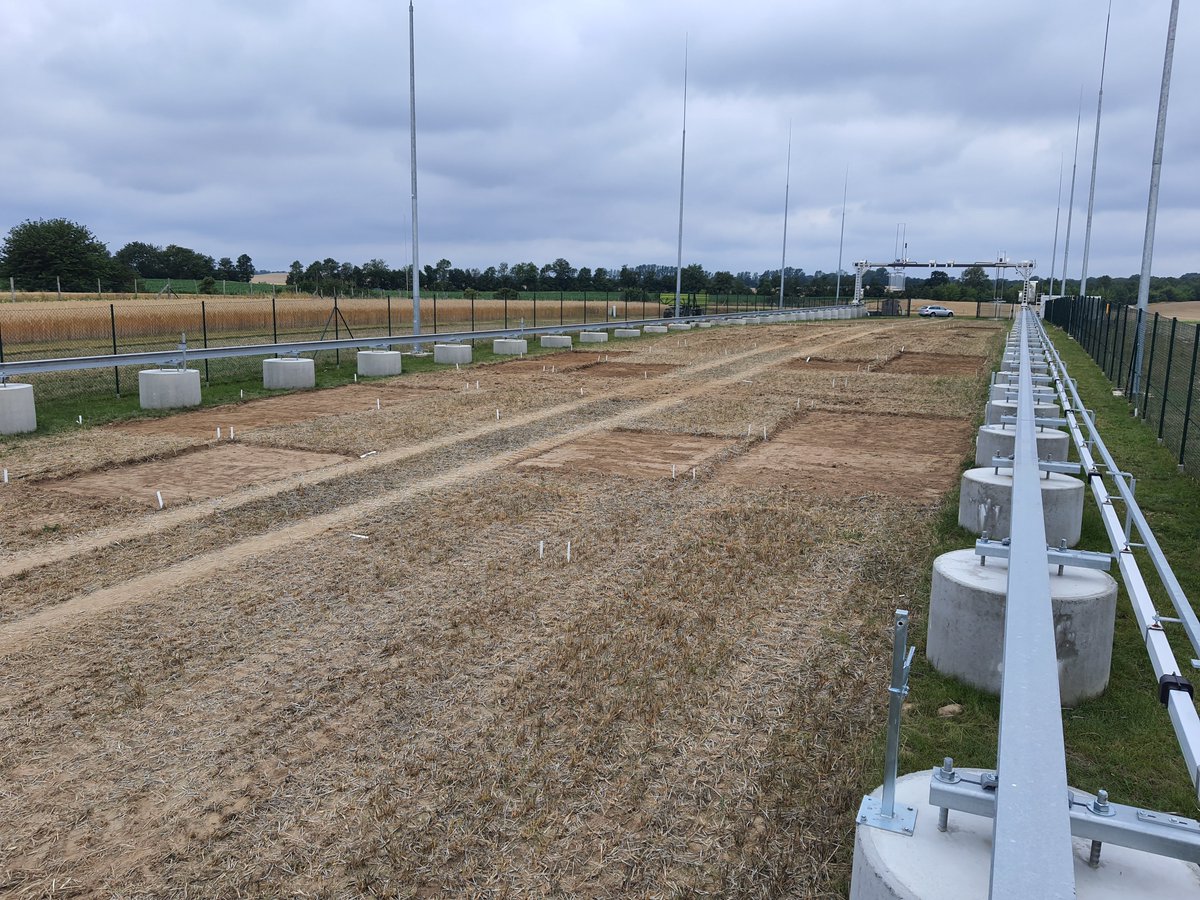
@zalf_leibniz Spring arrived at our #CarboCrane site (all media by Marten Schmidt). Differences in growth are clearly visible not only between soil types but also manipulated and non-manipulated plots. Looking forward to present GHG-emission data as well at #vEGU21.
#MonksHillLab
Starting into a new measurement year with #CarboCrane (all media credits to Marten Schmidt). Ready to go with new sensor technique (NDVI and PRI) as well as topsoil manipulation and fertilization treatments implemented at site. @zalf_leibniz, @FNR_de
We had an successful enjoyable week with the #DFGEarlyCareerWorkshop#Agroecosystems 2020 at #ZALF. Many thanks to all young scientists. All 16 experts from the fields plant biology, microbiome research, crop science, technology, soil sciences and ecology. Updates soon.
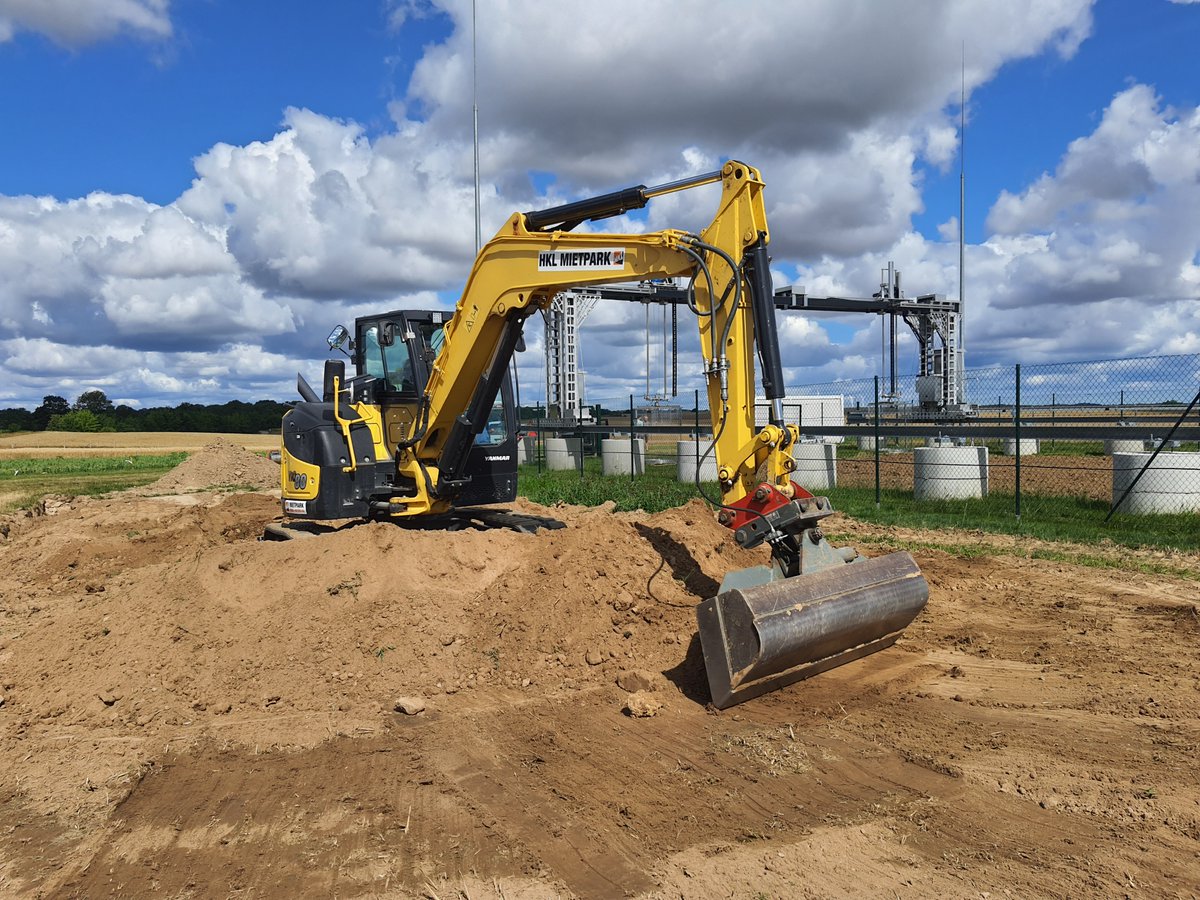
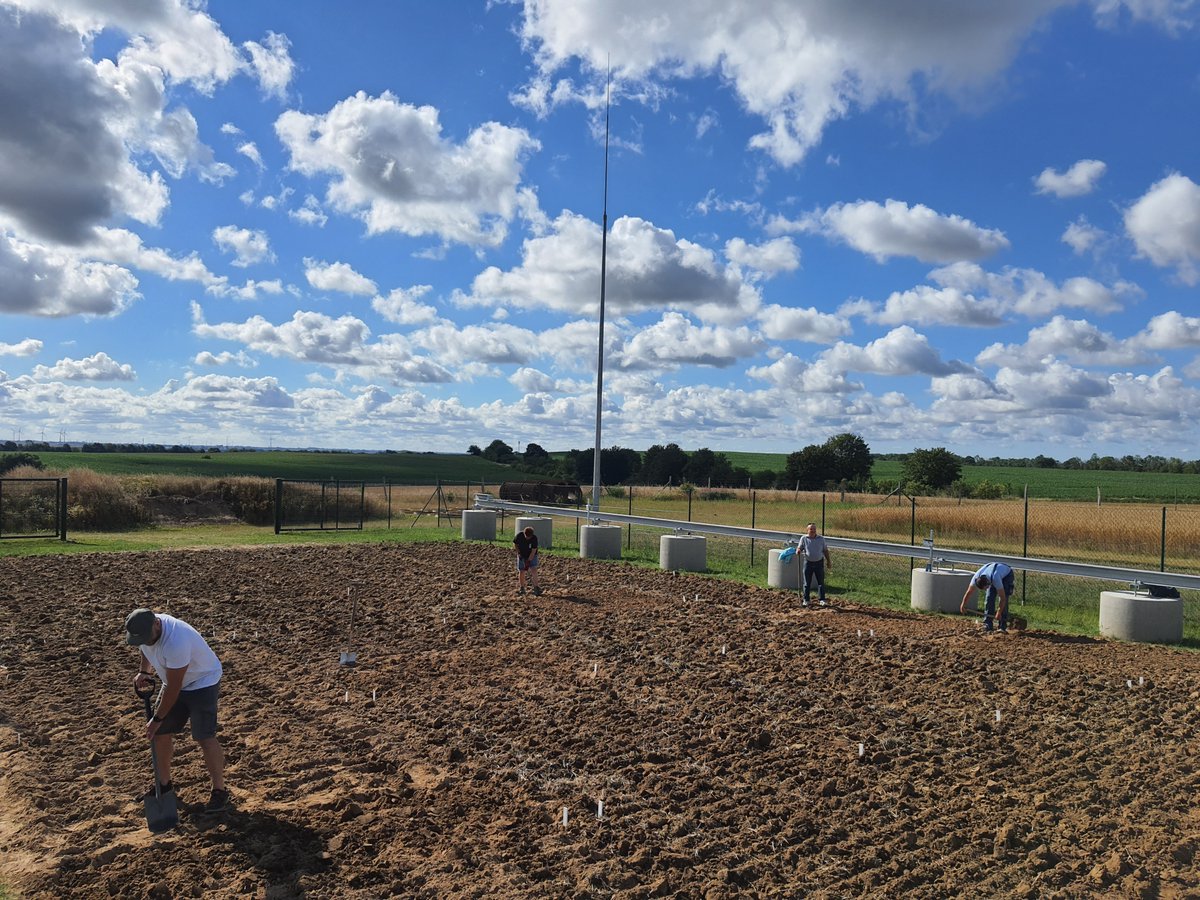
Last time “hands-on” to finish soil manipulation for our pilot experiment (#Krumensenke, #ZALF, #Brandenburg). A big thank you to everyone for their hard work!
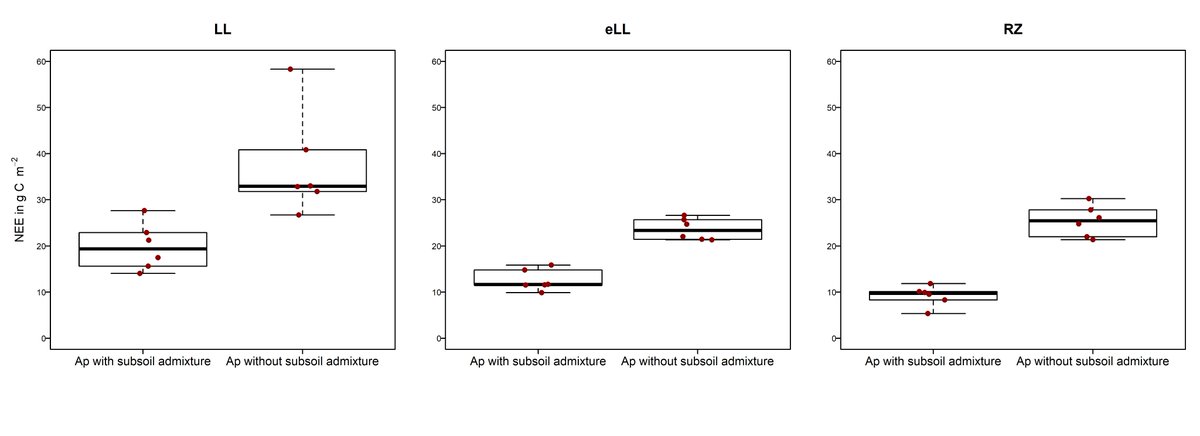
@zalf_leibniz, @FNR_de First results of our implemented pilot experiment indicate a clear effect of Ap manipulation through subsoil admixture on the net CO2 exchange, irrespective of measured soil type.
I am very glad to share that our paper has been accepted for publication in AFM (IF=4.651).
"A novel robotic chamber system allowing to accurately and precisely determining spatio-temporal CO2 flux dynamics of heterogeneous croplands." Big thanks to our team!!
@zalf_leibniz, @FNR_de First results of this experiment substantiate the clear effects of Ap manipulation through subsoil admixture on GHG emissions (mainly CO2 and N2O) as shown using our automatic chamber system and pilot field experiment.
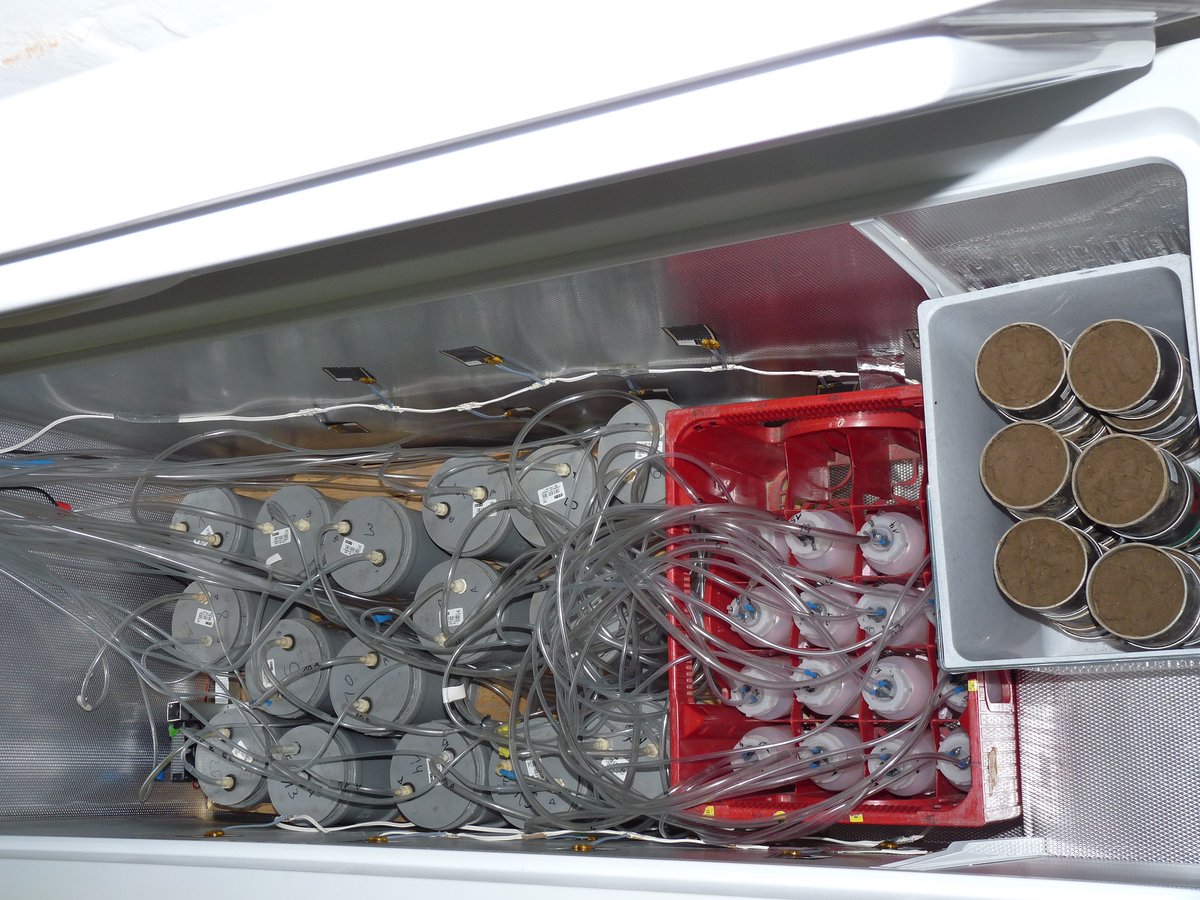
Just started our incubation experiments to quantify the effect of topsoil dilution (with subsoil material) and fermentation residue application on short-term soil C/N dynamics.