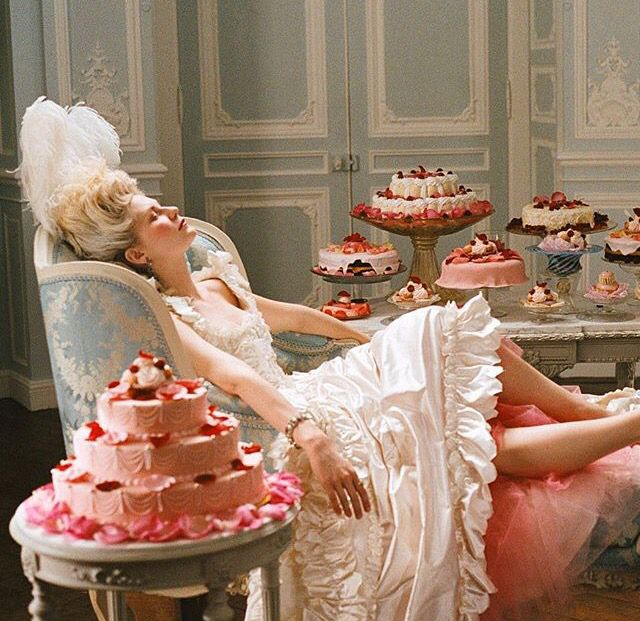
If the figure on the cake is Marie Antoinette, then this scene becomes one of the darkest metaphors in Normal.
A cake is meant to be admired, celebrated, shared, and ultimately consumed. The moment the knife cuts into it, the image begins to disappear. That mirrors celebrity almost perfectly.
Society creates an icon, places them on a pedestal, celebrates them, and then slowly consumes them until nothing remains but the image they projected.The Normal MV already questions what it means to perform "normal."
A birthday cake is one of the most ordinary symbols of celebration, yet instead of a name or birthday message, its centerpiece is Marie Antoinette—a historical figure whose legacy has been shaped as much by myth and public perception as by reality.
She's become less of a person and more of a symbol.
It's almost as if the celebration isn't for the individual at all, but for the persona people have created.
They're not celebrating the person—they're celebrating the story, the image, the spectacle.What makes the scene even more unsettling is where the knife lands. It cuts directly through the center of Marie Antoinette, almost like a surgical incision.
Throughout Normal, BTS blur the line between identity and perception, between who they are and who the world believes them to be. Cutting through her image feels like an attempt to dismantle that illusion.
Before you can reach what's real, you have to destroy the version everyone has been consuming.Marie Antoinette's story also carries another layer of meaning. Whether or not every story about her is historically accurate, she has become a cultural icon remembered more for the narrative built around her than for the person she actually was.
In many ways, that's exactly what Normal seems to be exploring: how public figures stop being seen as human beings and instead become symbols—admired, criticized, romanticized, and consumed by everyone else.
The imagery of wealth, old-money nobility, and bizarre pet photoshoots in the NORMAL music video acts as a layered satirical critique of ultra-celebrity culture, highlights how public perception strips away an individual's humanity, replacing it with an untouchable, historical caricature.
There is performance of Excess here: Eating in this setting is not for survival or nourishment; it is an elaborate, highly visible performance. by staging a wildly excessive banquet overflowing with wine glasses and gourmet food, BTS is commenting on the perceived privilege of superstardom.
There is Aftermath too: In the narrative arc of the MV, these grand, chaotic celebrations quickly cut to the quiet, messy morning-after. This contrast emphasizes that behind the untouchable royal facade lies a group of ordinary people dealing with isolation once the cameras shut of.
The dog photoshoots are a direct nod to European aristocracy and early photography trends, where the ultra-wealthy commissioned formal portraits of their hounds to signal immense status. Just like the monarchs of 'the days back in the day', modern global idols are effectively trapped within their own golden cages. They are forced to perform elite, curated versions of domesticity for an audience
The bathroom is the equalizer: all individuals are human at the end of the day and have to do this mundane humanly task.
Royalty represents the ultimate historical paradox: absolute power combined with zero personal freedom. The MV was shot at Quinta da Francelha estate.


![bts_bighit's tweet photo. [#오늘의방탄]
260718 BTS WORLD TOUR 'ARIRANG' IN PARIS
#방탄소년단 #BTS #BTS_WORLDTOUR_ARIRANG
#BTS_WORLDTOUR_ARIRANG_EUROPE
#BTS_WORLDTOUR_ARIRANG_PARIS https://t.co/cAHR5lDs6T](https://pbs.twimg.com/media/HNiw1XxaUAAvJOv.jpg)
![bts_bighit's tweet photo. [#오늘의방탄]
260718 BTS WORLD TOUR 'ARIRANG' IN PARIS
#방탄소년단 #BTS #BTS_WORLDTOUR_ARIRANG
#BTS_WORLDTOUR_ARIRANG_EUROPE
#BTS_WORLDTOUR_ARIRANG_PARIS https://t.co/cAHR5lDs6T](https://pbs.twimg.com/media/HNiw1XvaQAAjg2m.jpg)
![bts_bighit's tweet photo. [#오늘의방탄]
260718 BTS WORLD TOUR 'ARIRANG' IN PARIS
#방탄소년단 #BTS #BTS_WORLDTOUR_ARIRANG
#BTS_WORLDTOUR_ARIRANG_EUROPE
#BTS_WORLDTOUR_ARIRANG_PARIS https://t.co/cAHR5lDs6T](https://pbs.twimg.com/media/HNiw1XvaAAAqMBF.jpg)


![bts_bighit's tweet photo. [#오늘의방탄]
260717 BTS WORLD TOUR 'ARIRANG' IN PARIS
#방탄소년단 #BTS #BTS_WORLDTOUR_ARIRANG
#BTS_WORLDTOUR_ARIRANG_EUROPE
#BTS_WORLDTOUR_ARIRANG_PARIS https://t.co/kksoTa9dg4](https://pbs.twimg.com/media/HNdVhscagAA4cdV.jpg)
![bts_bighit's tweet photo. [#오늘의방탄]
260717 BTS WORLD TOUR 'ARIRANG' IN PARIS
#방탄소년단 #BTS #BTS_WORLDTOUR_ARIRANG
#BTS_WORLDTOUR_ARIRANG_EUROPE
#BTS_WORLDTOUR_ARIRANG_PARIS https://t.co/kksoTa9dg4](https://pbs.twimg.com/media/HNdVhsbaIAAi5Nz.jpg)
![bts_bighit's tweet photo. [#오늘의방탄]
260717 BTS WORLD TOUR 'ARIRANG' IN PARIS
#방탄소년단 #BTS #BTS_WORLDTOUR_ARIRANG
#BTS_WORLDTOUR_ARIRANG_EUROPE
#BTS_WORLDTOUR_ARIRANG_PARIS https://t.co/kksoTa9dg4](https://pbs.twimg.com/media/HNdVhsYbUAAfZwI.jpg)


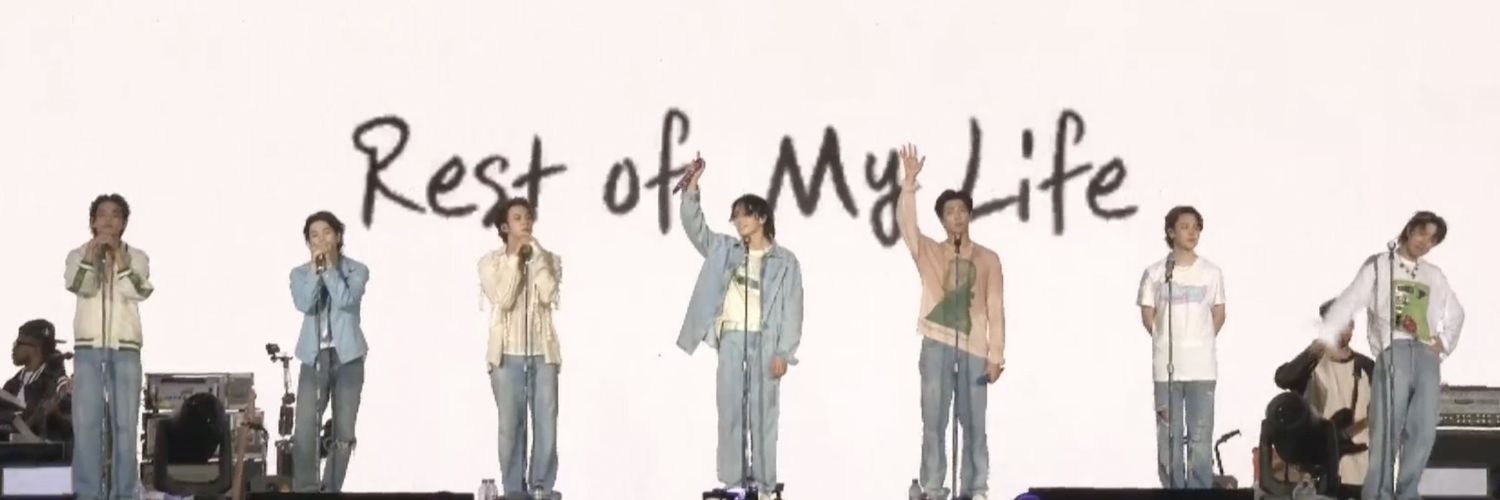


![bts_bighit's tweet photo. [#오늘의방탄]
260718 BTS WORLD TOUR 'ARIRANG' IN PARIS
#방탄소년단 #BTS #BTS_WORLDTOUR_ARIRANG
#BTS_WORLDTOUR_ARIRANG_EUROPE
#BTS_WORLDTOUR_ARIRANG_PARIS https://t.co/cAHR5lDs6T](https://pbs.twimg.com/media/HNiw1X9aEAAWatA.jpg)

![bts_bighit's tweet photo. [#오늘의방탄]
260717 BTS WORLD TOUR 'ARIRANG' IN PARIS
#방탄소년단 #BTS #BTS_WORLDTOUR_ARIRANG
#BTS_WORLDTOUR_ARIRANG_EUROPE
#BTS_WORLDTOUR_ARIRANG_PARIS https://t.co/kksoTa9dg4](https://pbs.twimg.com/media/HNdVhskbkAAjpsP.jpg)