Live & Bar RISE UP 公式アカウントです
RISE UP は久留米市日吉町にあるライブハウスで、プロのアーティストから九州を地元とするバンドマン、結婚式二次会などのパーティーに使って頂いております
MUSIC MAKES ME HAPPY! 音楽は私を幸せにしてくれる!をテーマに頑張っております
Everyone has been so impressed by Japanese fans cleaning up after themselves but most probably missed this beautiful moment at the post-game (🇳🇱2 - 2🇯🇵) press conference.
Toward the end after reporters were done asking questions, 🇯🇵head coach, Hajime Moriyasu, asked to speak one more time.
🗣️ “May I speak?”
He turned to the Dutch reporters in the room.
🗣️ “I think there are many Dutch reporters here as well, so I’d like to take this opportunity to express my gratitude to the people of the Netherlands once again.”
Moriyasu explained that when he became part of the Japan national team, Japanese football still had no professional league.
🗣️ “I was trained by a Dutch coach named Hans Ooft. It wasn’t just me. Japanese coaches in general were greatly influenced by him, which has led to the development of Japanese soccer today.”
He also mentioned another Dutch figure who shaped his career.
🗣️ “The legendary Dutch coach Wim Jansen served as the manager for J.League’s Sanfrecce Hiroshima and also as a coach for Urawa Reds, contributing to Japanese soccer.”
🗣️ “It’s not just those two. Many other coaches and players have contributed to raising the level of Japanese soccer, so I want to express my thanks. Thank you very much.”
What a masterclass in graciousness and gratitude. Imagine after a high-stakes match, instead of basking in glory and bravado (well-deserved in my opinion), the coach took to the microphone to... thank his opponents publicly and sincerely.
Japan's cultural operating system prizes harmony (wa), respect for precedent, and gratitude as a form of strength, not weakness. Japanese sports culture reflects its broader society where you'll see athletes bow to their opponents, thanking referees, and even crediting rivals or mentors.
Think of sumo wrestlers, Olympic athletes, or even bullet-train staff apologizing for a 30-second delay.
The Japanese have this concept of On (恩) - it is the sense of indebtedness to those who came before or helped you. It's what you'd expect from a culture that truly prizes continuity.
Moriyasu was acknowledging a real debt to Dutch coaches like Hans Ooft (who coached Japan in the early 90s and helped professionalize the game) and Wim Jansen. Japanese football openly credits foreign influences - Dutch "Total Football" philosophy, German organization, Brazilian flair - while building something distinctly their own. Few nations do this with such little ego.
Japan is pure class
SAMURAI BLUE ライブビューイング vs チュニジア
日時/2026年6月21日(日)
OPEN 12:00
KICK OFF 13:00
charge ¥1,000-
⚠️15時からのsessionイベントにご参加の方は
session参加費でご覧いただけます!
みんなでサッカー日本代表を応援しよう!
#サッカー日本代表#パブリックビューイング
#ライブビューイング
#ワールドカップ
#サムライブルー
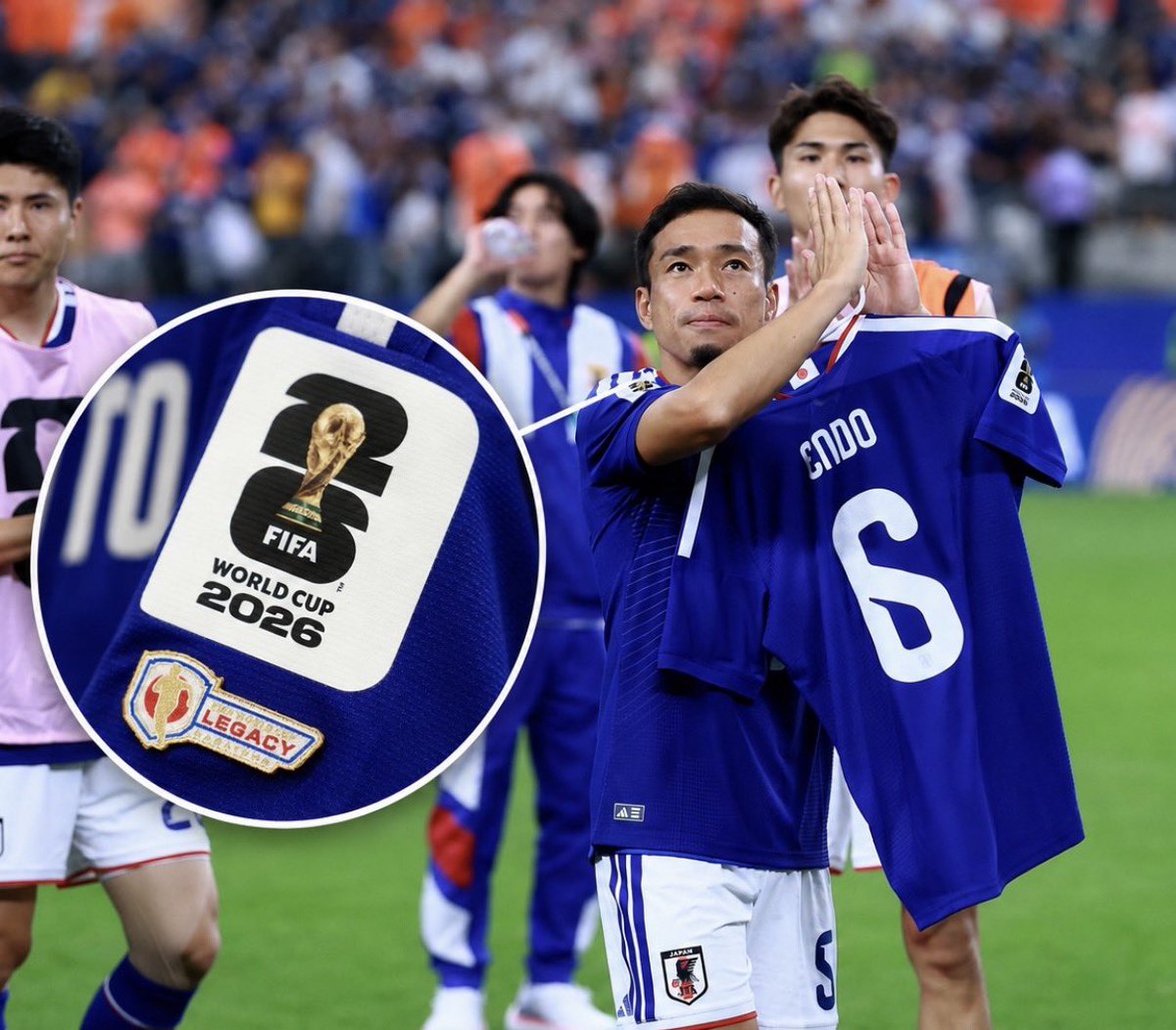
🚨Zinedine Zidane on Japan displaying Wataru Endō’s jersey after their 2-2 draw with the Netherlands:
🗣️“I have played football my entire life, and moments like that remind you why this sport means so much to people. When I saw Endō’s shirt hanging on the bench and his teammates holding it after the game, it genuinely touched me.
We spend so much time talking about tactics, formations, and results, but sometimes football gives you something far more powerful. It gives you moments of humanity.
Imagine working your entire career for one final World Cup, only for an injury to take it away just days before the tournament begins. Then imagine watching your teammates refuse to let the world forget you. That’s special.
What struck me most was that Japan didn’t do it for the cameras or the headlines. You could see the emotion on their faces. It came from the heart.
The 89th-minute equaliser was incredible, but I honestly think the image of Endō’s shirt will be remembered longer than the goal itself. Some moments are bigger than football.
As an opponent, you can’t help but respect it. You could see that this team isn’t just playing for themselves anymore. They’re carrying the dream of a teammate who should have been standing beside them.
That’s what makes Japan dangerous in this tournament. Not just their quality, but their unity. They look like a team willing to suffer for each other until the very last second.
And if I’m Endō watching from home tonight, I probably have tears in my eyes. Because no trophy, medal, or speech can replace the feeling of knowing that your teammates haven’t forgotten you.”