Iowa is the largest corn producer in the U.S.—and the second largest producer of nitrate pollution in the Mississippi River Basin https://t.co/3GaB6fYd0l
Farmer Wendell Berry has a new book, The Art of Loading Brush. In this excerpt, he shares some choice thoughts about economic theory and the heartland. https://t.co/VzeRtzK0h0
While the concept of dam removal seems to be gaining steam in the US, this part of the world is planning on constructing an insane amount of dams in a relatively small area #AquaEco2017 https://t.co/phQwULV49L
Small streams should be included in the clean water rule because they are connected to and affect larger rivers and lakes. #AquaEco2017 https://t.co/VkTZ23Vmgt
Fracking can consume up to 250 billion gallons of water per year. In comparison, California farmers withdraw 20 billion gallons per DAY for irrigation #AquaEco2017 https://t.co/5KnxRkllNS
A fun model to play with that displays the ecological benefits of removing any particular dam in the state of Massachusetts #AquaEco2017 https://t.co/e4JIoog9ii
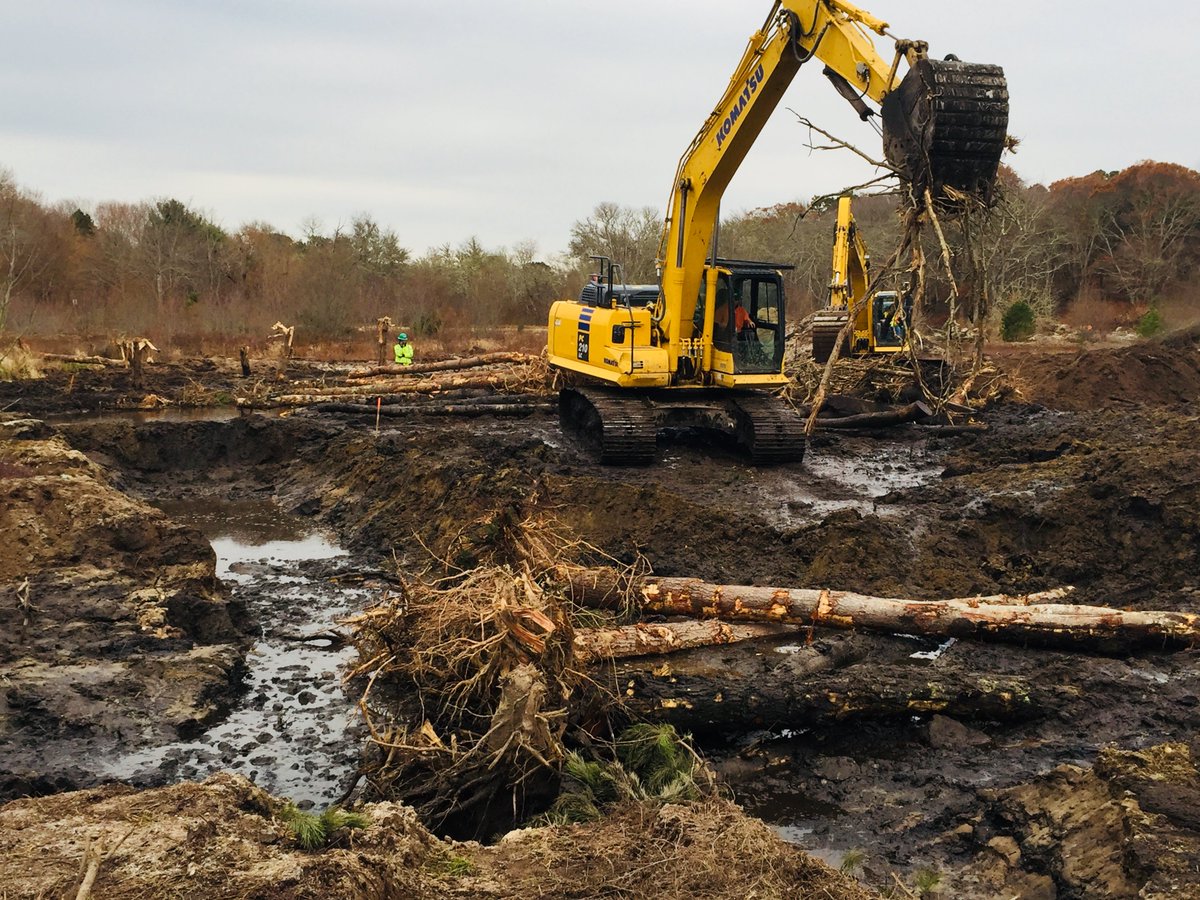
Good to see woody debris additions actually taking place as the benefits to biodiversity are discussed in my most recent tweet from last week #AquaEco2017 https://t.co/71OrIMr6Xh
Large woody debris rapidly restores biodiversity in riverine food webs. Could be an effective management strategy for restoring human impacted ecosystems. #AquaEco2017
https://t.co/z0jtHgGttc
A new approach to protecting rivers is proposed in which water managers, users, and environmental groups negotiate watershed water budgets that ensure the ecological integrity of a river network is maintained #AquaEco2017 https://t.co/a0mFylKChF
Cows outnumber people by almost 2 million in NZ. Manure management will be key to reducing surface water pollution. BTW I still think phosphorus is the issue here #AquaEco2017 https://t.co/iOVwSes9CB
Cows polluting 60% of lakes and streams in New Zealand. E-coli and other bacteria pollute the water. Sources say nitrogen causes large algal blooms in fresh water systems. No mention of phosphorous. #whatstherealproblem https://t.co/y91JUMt1Oj #aquaeco2017
Increased organic matter inputs due to climate change may inhibit the suns ability to disinfect lakes and coastal waters #AquaEco2017 https://t.co/B726N6fdhO