Please get in touch with us if you are working with lipid biomarkers and stable isotopes. Our special issue of Frontiers in Environmental Archaeology is looking for manuscript summaries.
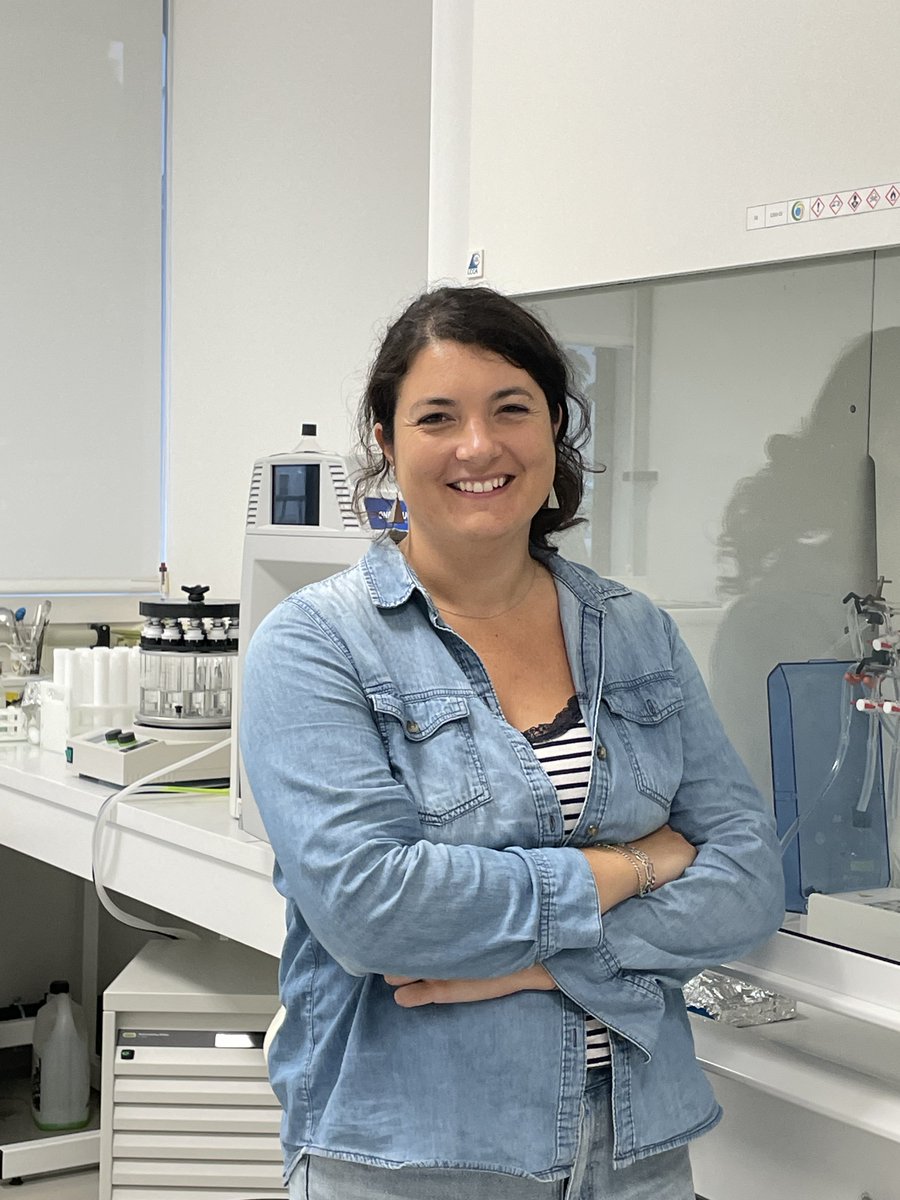
#Lauréat🏆| 👏Bravo à Emmanuelle Casanova, chercheur au CEA, qui fait partie des lauréats de l’ERC Starting Grant 2024, pour ses recherches sur la route de diffusion de l'agropastoralisme depuis le « Croissant fertile » entre l’Iran et le Pakistan.
➡ https://t.co/BE78SyP8Wn
New ORA paper out! 📢📄
Meals for the dead: investigating Romano-British accessory vessels in burials using organic residue analysis | Archaeological and Anthropological Sciences (https://t.co/Fsu5t5gOE8)
Their research article on the topic, published in 2023, won this year's Ben Cullen Prize! Read the prize-winning article in Antiquity 🆓 https://t.co/bZNIpZ5jNL
What can potsherds teach us about natural disasters?
Junzo Uchiyama and Peter Jordan explore how cooking traditions can reveal cultural continuity after a volcanic eruption in their blog 'Surviving the Apocalypse: Catastrophe Archaeology in Japan'
🔗 https://t.co/2uOF3vbxMH
New ORA paper out! Pottery use across the Neolithic transition in northern Belgium: evidence from isotopic, molecular and microscopic analysis, Teetaert et al. 2024, Archaeological and Anthropological Sciences https://t.co/NN8lP5U889
TraceoLab is HIRING! Newly funded PhD position open, focusing on residue analysis with a key FTIR component, including methodological development. Join our team and work on fascinating Palaeolithic assemblages in Europe and Africa.
How to apply? https://t.co/ML9dvjxnTc
Our PhD student Anika Lokker has published her first paper "Optimization of Dynamic Headspace Sampling Conditions for the Identification of Paleolithic Adhesives" in Separation Science Plus! 🧪 Recognition well-deserved for her hard work! 🎉 Read here: https://t.co/n05MtMlvY8
Domestic food practice and vessel-use at Salūt-ST1, central Oman, during the Umm an-Nar period, an article by Akshyeta Suryanarayan et. al is Sherlock Holmes-style investigation into over four thousand year old pots to determine the foodstuffs that they once held to draw a bigger and better picture of food practices on the Arabian Gulf during the so-called Umm an-Nar period (ca. 2700-2000 BCE). Many of these pots were imported ancient Indus Black-Slipped Jars. Lipid analysis is a relatively new tool in Indus archaeology, and this is among the first comprehensive set of results using this tool even if the source of the materials is one of the civilizations that Indus people traded with – in their own pots: https://t.co/Eh2SKVlUTY
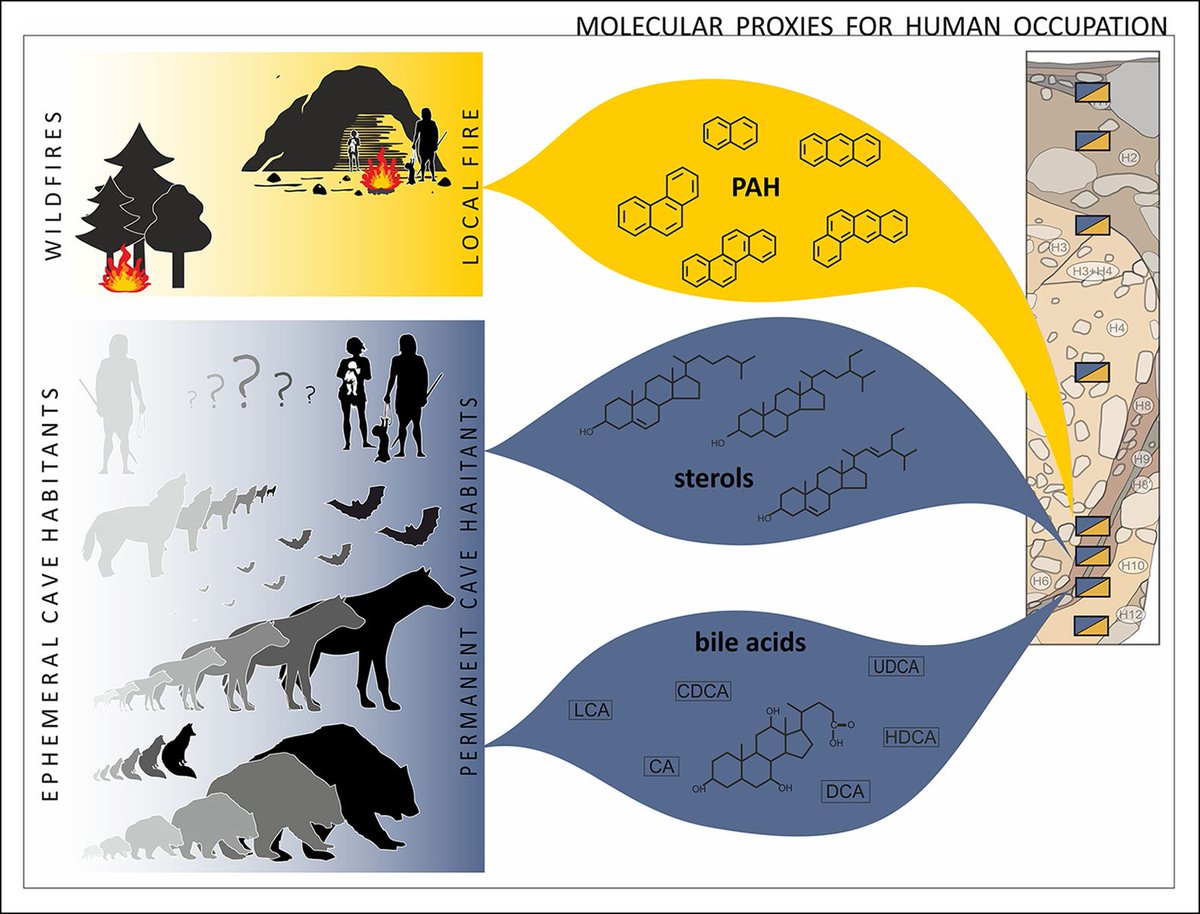
How do you prove the presence of prehistoric human activity in caves when there is no clear physical evidence?
Fires and faeces leave behind invisible traces that can prove people were present, even if they left the caves empty! #InvisibleDay
🆓 https://t.co/4GNRlBO2Gk
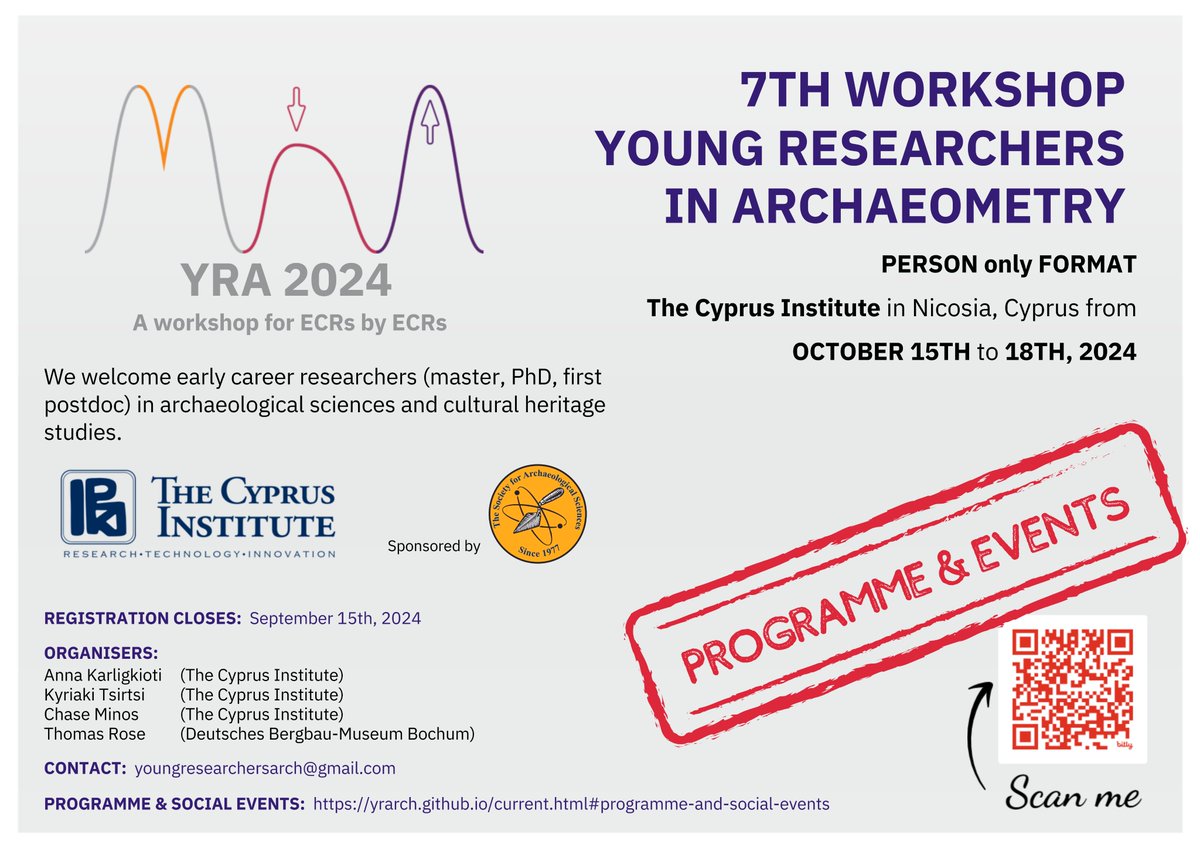
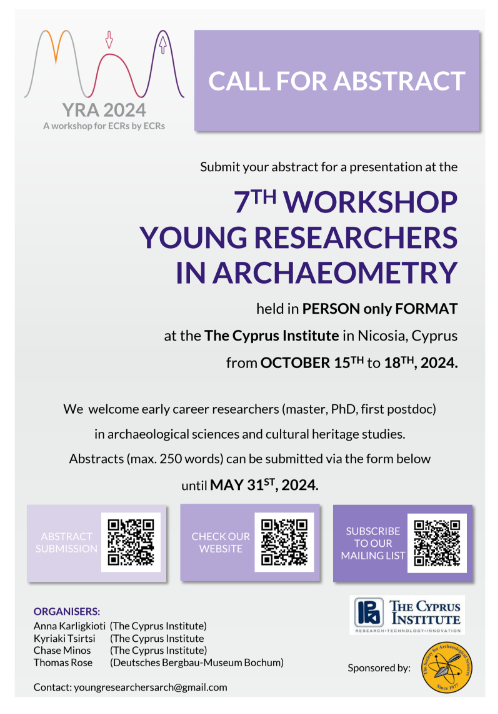
A few more days to submit abstracts until 𝟯𝟭 𝗠𝗮𝘆 𝟮𝟬𝟮𝟰 for the 7th Workshop 𝗬𝗼𝘂𝗻𝗴 𝗥𝗲𝘀𝗲𝗮𝗿𝗰𝗵𝗲𝗿𝘀 𝗶𝗻 𝗔𝗿𝗰𝗵𝗮𝗲𝗼𝗺𝗲𝘁𝗿𝘆 (YRA), which will take place at The Cyprus Institute, in Nicosia, Cyprus, 15-18 October 2024 @CyprusInstitute
Welcome to the Twitter feed of the new @ISBArchaeology affiliated research community dedicated to the analysis of organic residues (lipids and others): LAARD Community!
🥳🧪🧑🔬🧈🫒🥛