This is an item schools, specifically those in our D1 HBCU Cohort need to watch carefully. This group has athletic budgets that are sensitive to enrollment fluctuations.
As we’ve reported, Student Athletic Fees are the largest revenue source for this cohort.
It's happening 🚨
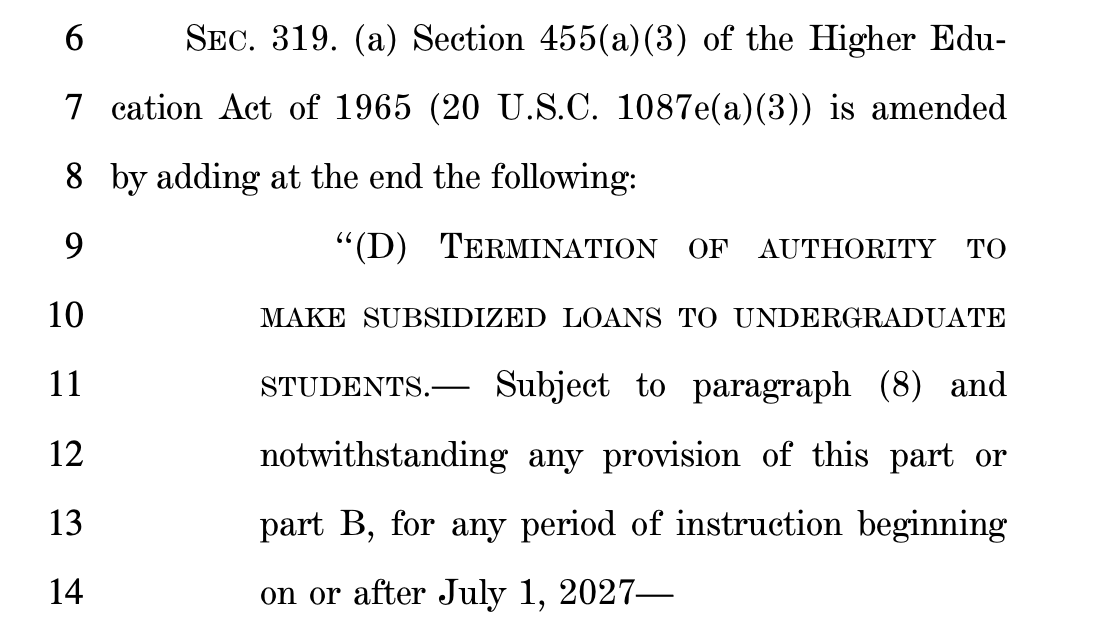
House GOP representatives are about to introduce a bill that would completely eliminate subsidized student loans.
They are trying to make it impossible to go to college unless you can afford to pay for it upfront.
For our next article in the 24/25 series of #HBCU Athletic finance rankings, we’re looking into the number one source of revenue for most schools: Student Athletic Fees.
#CAA#MEAC#OVC#SWAC
https://t.co/0Iy1rayfDw
For the next post in our 2024-2025 athletics finances series, we have our first comprehensive look at women’s basketball spending across all 23 schools in the Data Driven HBCU D1 cohort.
#HBCU#CAA#MEAC#OVC#SWAC
https://t.co/PHrT34KCHp
@4derrick@SenecaSpeaks21@spencerpratt A new Los Angeles is definitely a stretch. He came and engaged voters as he SHOULD. Black men are more willing to listen to white men against their own interests in the name of misogyny 🛑
Re: Transfers -
Why can’t schools come together and standardize their majors and credit acceptance processes for kids that transfer in. Regular students can transfer multiple times and keep their credits mostly.
Why can’t student athletes do this?
Sen. Maria Cantwell (D., Wash), the Commerce Committee ranking member, explains why the bill includes a concept of pooling college sports media rights: extra revenue.
"We cannot lose the innovation race with China because we are cutting university R&D and putting it into sports instead. These institutions have very important roles for our nation right now."
Notre Dame AD Pete Bevacqua, as he has in the past, suggests to lawmakers during the hearing that the school revenue-share cap should increase.
“The more money that can come from the cap directly to student-athletes will go a long way.”
Founded 60 years ago, The Atlanta Voice newspaper has remained the longest-running Black-owned newspaper in metro Atlanta. Publisher Janis Ware joined Tuesday’s edition of “Closer Look” to discuss the newspaper's history and future. https://t.co/Scdjxf0Coz
The cleanest way to do this is to group schools together in subdivisions based on budget sizes.
However, that could lead to some tough conversations amongst schools regarding what they really could afford.
This is especially true for the D1 HBCU Cohort.
Having a collective bargaining agreement in college is near impossible. A star player at a P4 school in football or basketball won’t be lead by the same thing as a starter for the baseball team at D2 Wingate. Again we allow about 60 schools to dictate rules for the other 400+
@dajaz027@InsideHBCUFball As mentioned in the article, most os our schools opted out of the survey. #ncat for example- thanks to Mackenzie Scott - has an $335,000,000 million dollar endowment as of 3/31/26. However, they didn’t fill out the survey.