We are proud to have some of our researchers, Dr Chi Udeh-Momoh, Dr. Karen Blackmon, Dr. Rachel Maina, Kevin Kipkoech, Wambui Karanja and Ann Gitere, presenting research that highlights the importance of culturally relevant approaches to brain health in African populations at the @alzassociation International Conference (AAIC) 2025, currently underway in Toronto, Canada.
Our work highlights the use of tailored cognitive assessments, the application of digital and wearable tools in low-resource settings, and the integration of local context in dementia research. We are also sharing insights on early detection through speech analysis, biomarkers, and vitality tracking, as well as community perceptions of clinical trials and biospecimen collection.
We continue to champion research that is both scientifically rigorous and deeply rooted in African realities.
#AAIC2025 #BrainHealth #DementiaResearch
Join us for our upcoming webinar titled “Same Brain Different Stages: A Lifespan Guide to Brain Wellness,” as we explore how brain health changes from early childhood through adolescence, adulthood, and into old age.
Our panellists will discuss how different life stages affect the brain and share practical tips on how to support brain wellness through nutrition, physical activity, mental stimulation, and preventive care.
𝐓𝐢𝐦𝐞: Thursday, August 7, 2025
𝐃𝐚𝐭𝐞: 2:00 to 3:15 PM EAT | 4:00 to 5:15 PM PKT
𝐑𝐞𝐠𝐢𝐬𝐭𝐞𝐫 𝐍𝐨𝐰 ➡ https://t.co/yZJEvKvN76
#BrainHealth #WorldBrainDay #BrainHealthForAllAges
You wake up at 5AM not to build hospitals, not to fix roads, not to feed children .
But to wrap Parliament in wire like a crime scene.
You barricade the city like you’re under siege. But the only thing you’re hiding from is the truth.
You don’t fear bandits. You don’t fear cartels. You don’t fear the murderers in government.
You fear the teacher who speaks out. The youth who stands up. The mother who says ‘enough.’
That’s who you fear. Because you know ; once the people wake up, you can’t govern them with lies anymore.
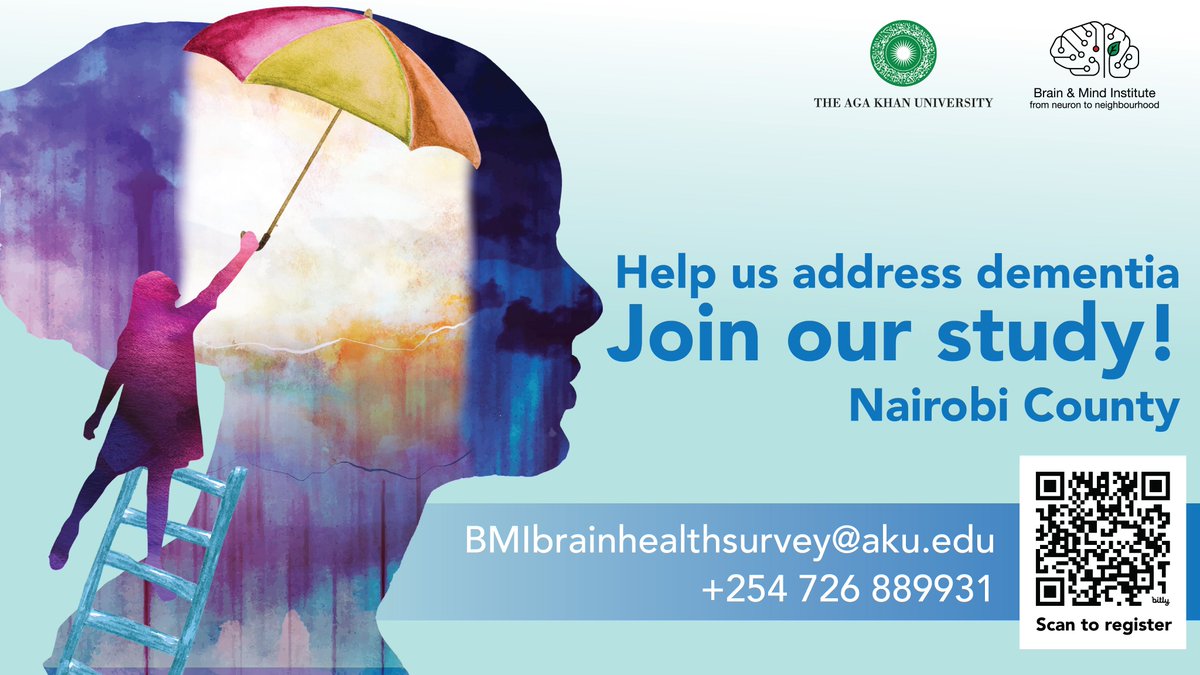
Contribute to dementia research! Participate voluntarily in our survey and share your insights on beliefs, knowledge, and behaviours related to dementia prevention among Kenyan adults.
Scan the QR code below or click this link to take the survey ➡️ https://t.co/dcCGUfxGLB
#DementiaPrevention #DementiaAwareness #BrainHealth
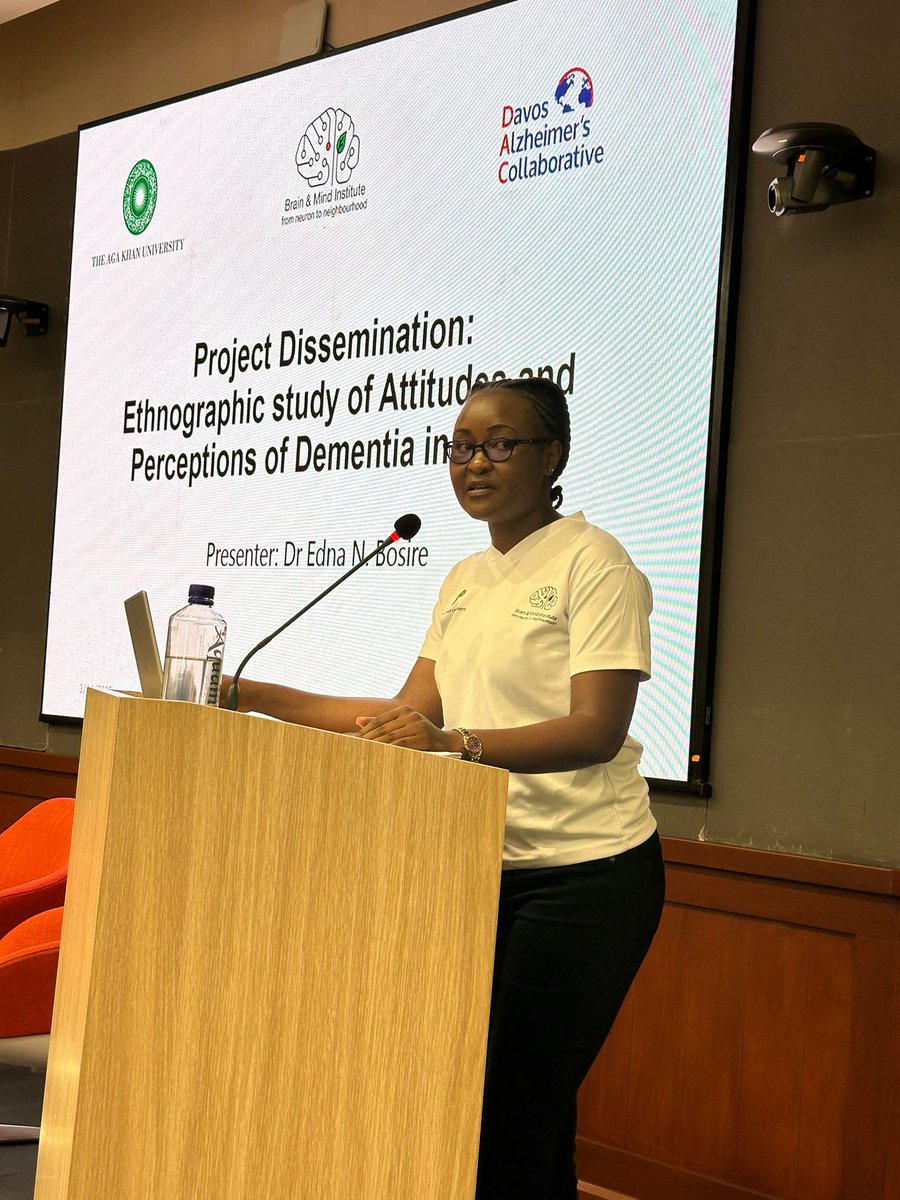
Today's discussions went beyond research, shedding light on the real struggles, urgent challenges and necessary solutions for dementia care in Kenya. The Ethnographic Study of Attitudes and Perceptions of Dementia revealed that many dementia patients face discrimination, isolation and neglect due to societal stigma, making it even harder for them to receive proper care and support.
"Dementia is a societal challenge that requires crucial action. We need to invest in research, not only to understand the disease better but also to develop locally relevant interventions. Our goal is to create an ecosystem where dementia care is accessible, affordable, and evidence driven." – Prof. Zul Merali, Founding Director, Brain and Mind Institute, Aga Khan University
"We still have many people who believe dementia is caused by witchcraft or spiritual curses. This stigma prevents people from seeking help, and patients end up suffering in silence. Community awareness is critical to changing these perceptions and ensuring people seek medical care." – Dr. @bossedna1 , Medical Anthropologist, BMI and Principal Investigator of the study
"We are working to integrate dementia care into Kenya’s broader mental health strategy by improving healthcare worker training, enhancing access to diagnostic tools and developing community-based support programs. " – Dr. Mercy Karanja, Director Mental Health Division, Ministry of Health
#BrainAwarenessWeek #DementiaCare #BrainHealth
What do Kenyans really think about dementia? This video features key insights from Dr. Edna Bosire, Medical Anthropologist at the @AKU_BMI, Dr. Sylvia Mbugua, Neurologist and Head of Section at @AKUHNairobi, and Mumbi Kaigwa, a caregiver, as they discuss the attitudes, perceptions and challenges surrounding dementia care in Kenya.
From deep-rooted stigma and cultural misconceptions to the financial, emotional and physical toll on families, dementia remains one of the most misunderstood health conditions in Kenya. Many still attribute memory loss to aging, spiritual curses, or witchcraft, preventing patients from seeking timely medical care.
#DementiaAwareness #EndTheStigma #BrainHealth #DementiaCare #HealthyAging
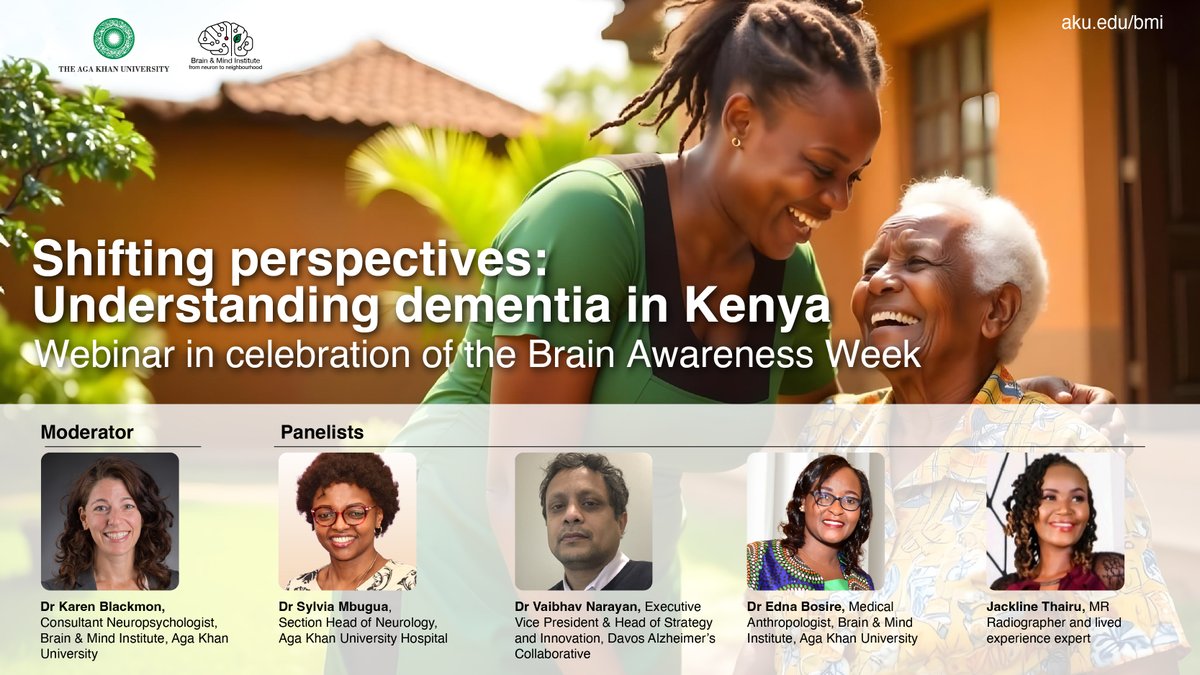
How do cultural beliefs, systemic challenges and awareness shape dementia care?
Join us for the webinar "Shifting Perspectives: Understanding Dementia in Kenya" on Thursday, April 3, 2025, at 2 PM EAT | 4 PM, PKT. We will discuss how stigma and misinformation affect diagnosis, support and policy, and explore how research can drive better care and advocacy.
Register today! https://t.co/rcRp7r5RsI
#DementiaAwareness #EndTheStigma #BrainHealth #DementiaCare #HealthyAging
Last week was a big step forward for dementia awareness and support in Kenya. We had deep conversations about the challenges families face, breaking down myths, sharing real stories and pushing for change.
One major finding from our study on Attitudes and Perceptions of Dementia in Kenya is that many families delay seeking medical help until symptoms become severe. The reasons? Stigma, limited awareness and the high cost of care create significant barriers to early intervention.
We need to change this. Dementia is not a normal part of aging, it is a medical condition that requires attention, support and better policies. But to create meaningful solutions, we also need more context-specific research in low- and middle-income countries (LMICs), where health systems are already stretched and access to dementia care remains limited. Understanding how dementia affects families and communities in these settings is crucial to designing effective, locally relevant interventions.
Read the study report ➡️ https://t.co/F7T2UkVLn8
Check out the policy brief ➡️ https://t.co/VmDrZPqBlg.
#DementiaAwareness #EndTheStigma #BrainHealth #DementiaCare #HealthyAging
Over a year ago, we conducted a study led by Dr @bossedna1 to explore attitudes and perceptions of dementia in Kenya. Our goal was to understand community knowledge, caregiver experiences and challenges within the healthcare system. By identifying gaps in awareness and care, we aimed to provide insights that could guide the development of dementia-friendly policies and interventions.
This #BrainAwarenessWeek, we are sharing key findings from this study, shedding light on how stigma, misconceptions and healthcare gaps shape dementia care in Kenya. Despite being a growing public health concern, dementia remains widely misunderstood and often unrecognized as a medical condition.
Our findings underscore the urgent need for action, providing valuable insights to inform policymakers, healthcare providers and advocacy groups working to improve dementia care across the country.
#BrainAwarenessWeek #DementiaResearch #BrainHealth
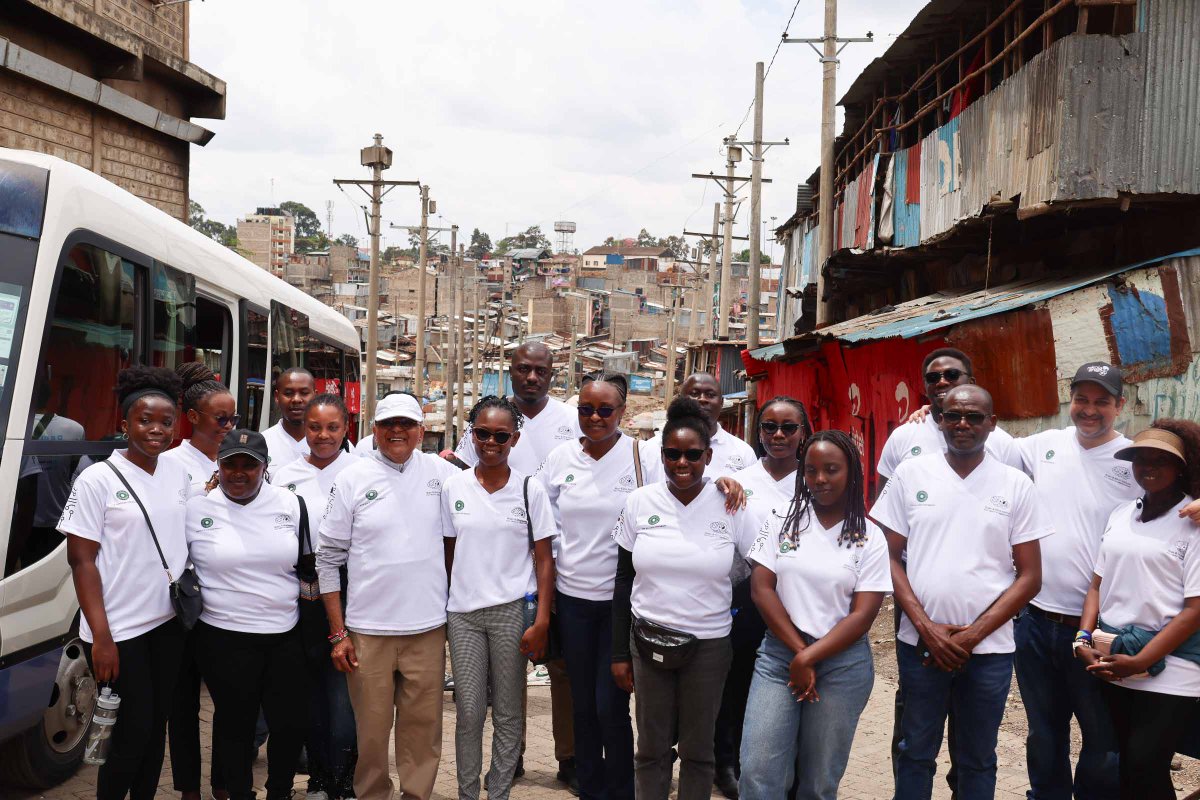
As part of Brain Awareness Week, we engaged the Mathare community earlier today in an event in collaboration with @FutbolMasKenya, raising awareness about dementia. This event was part of the dissemination of study findings on attitudes and perceptions of dementia. Through interactive discussions, we addressed stigma, dispelled myths, and reinforced that dementia is a medical condition and not a normal part of aging.
Supported by @Davos, this study captured firsthand experiences from patients, caregivers, and healthcare providers, highlighting the stigma, misconceptions, and healthcare gaps that continue to hinder dementia care in Kenya.
#BrainAwarenessWeek #DementiaResearch #BrainHealth
Many people still have limited knowledge about dementia, leading to stigma and misconceptions. This Brain Awareness Week, we are sharing findings from our study on attitudes and perceptions of dementia in Kenya.
Conducted at the @AKUHNairobi and informal settlements across the city, the study explored the experiences of patients, caregivers, healthcare providers and community members. It uncovered key challenges, including:
✅ Stigma and misunderstanding make life more difficult for people living with dementia.
✅ The high cost of care creates financial barriers, limiting access to treatment and support.
✅ Gaps in healthcare training leave providers unprepared to offer quality dementia care.
✅ Concerns about donating biospecimens (such as blood, hair, or tissue) and participating in clinical trials slow down dementia research.
By highlighting these challenges, we hope to start conversations that lead to better support, improved healthcare and more inclusive research. Swipe to learn more about our findings.
#BrainAwarenessWeek #DementiaAwareness #EndTheStigma #BrainHealth
This Brain Awareness Week, we are sharing key findings from a study on attitudes and perceptions of dementia in Kenya. Today, at @AKUGlobal, we are bringing together policymakers, healthcare experts, caregivers, community partners and researchers to discuss the study’s insights and their impact on dementia care in Kenya.
The study reveals that caregivers, especially women, bear the greatest burden of dementia care, often without formal training, financial support, or emotional assistance. Many face severe stress, burnout, and social isolation, highlighting the urgent need for targeted interventions.
Improving dementia care requires stronger policies, better support for caregivers, enhanced healthcare training and widespread public awareness efforts to address stigma and misinformation.
This study was made possible with support from the @Davos
#BrainAwarenessWeek #DementiaCare #BrainHealth
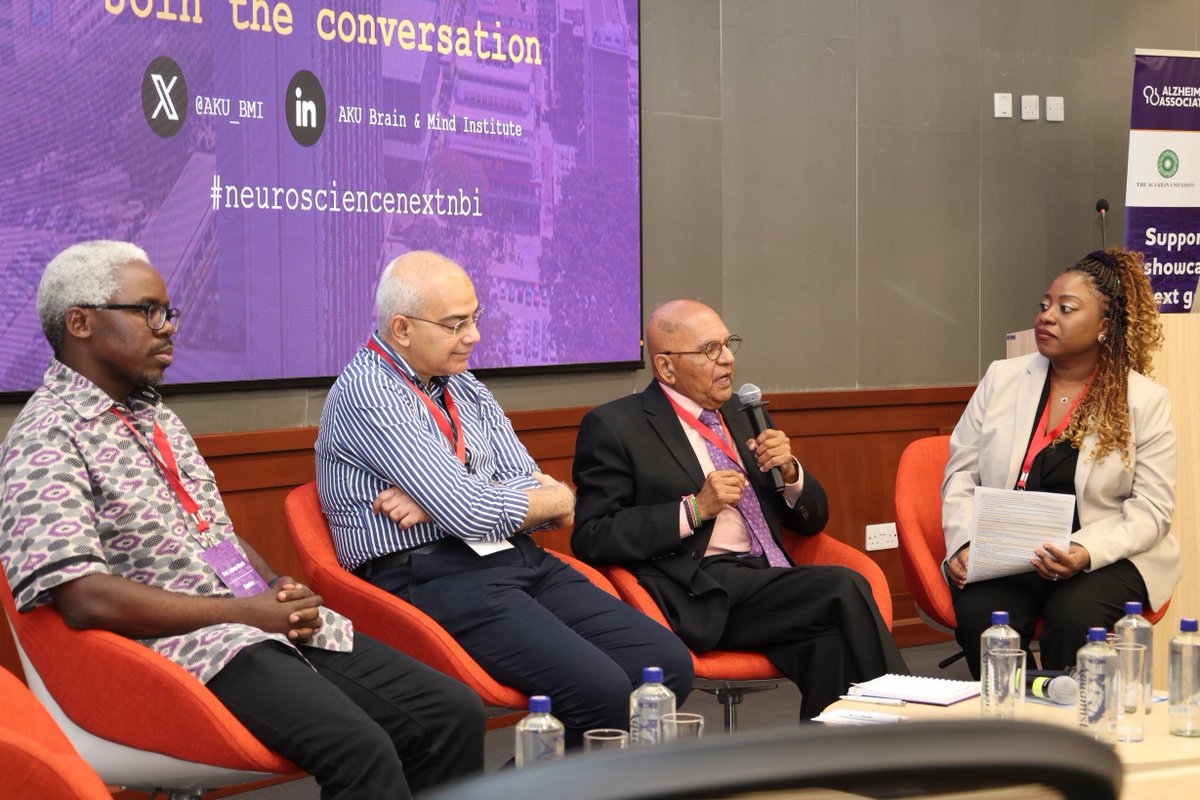
Powerful conversations are unfolding as experts, policymakers, and caregivers discuss the urgent need for dementia research, culturally tailored interventions, and stronger support systems across Africa. From bridging knowledge gaps to strengthening early diagnosis and caregiving strategies, the discussions emphasize collaboration, action, and resilience in tackling the dementia challenge.
“This conference is about creating opportunities for learning, collaboration, and new ideas. As the burden of brain diseases grows, we need fresh perspectives and strong partnerships to find better solutions. By supporting young researchers and bringing experts together, we are shaping the future of neuroscience and brain health” - Prof. Zul Merali, Founding Director Brain and Mind Institute
“Africa’s population is growing, yet we lack the research and resources to address brain health. This conference empowers young African scientists with mentorship and global networks to lead research that truly reflects our people. By turning knowledge into action, we can shape the future of neuroscience in Africa.” - Dr. Chi Udeh-Momoh, Translational Neuroscientist, Brain and Mind Institute
#NeuroscienceNextNBI #brainhealth #dementiaresearch #Alzheimers