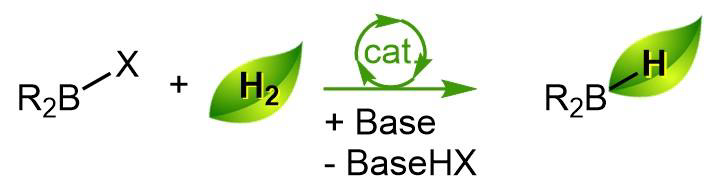
Hydrogenolysis of Haloboranes: from Synthesis of Hydroboranes to Formal Hydroboration Reactions (Thibault Cantat and co-workers) @LCMCE_Lab#openaccess https://t.co/3BIC7W4XQH
Last publication before the summer break! How to convert haloboranes to hydroboranes with hydrogen and a simple catalytic system. Congratulations to all!
Hydrogenolysis of haloboranes: from synthesis of hydroboranes to formal hydroboration reactions (@LCMCE_Lab, @TCantat): https://t.co/R6xUv8yGBx (@angew_chem).
Please RT! We are Hiring!
Our lab (@LCMCE_Lab) in Saclay, France, has 3 open positionspostdoc in the area of homogenous and heterogeneous catalysis, organometallic and organic chemistry on H2 storage and CO2/CO conversion.
Come work with us on exciting projects! #chempostdoc
The @DCO_SCF has announced the 2024 prizes recipient! Congrats to all awardees! Find all biographies and information on the laureates here https://t.co/Sh5JIDdxfi @SCF_reseau
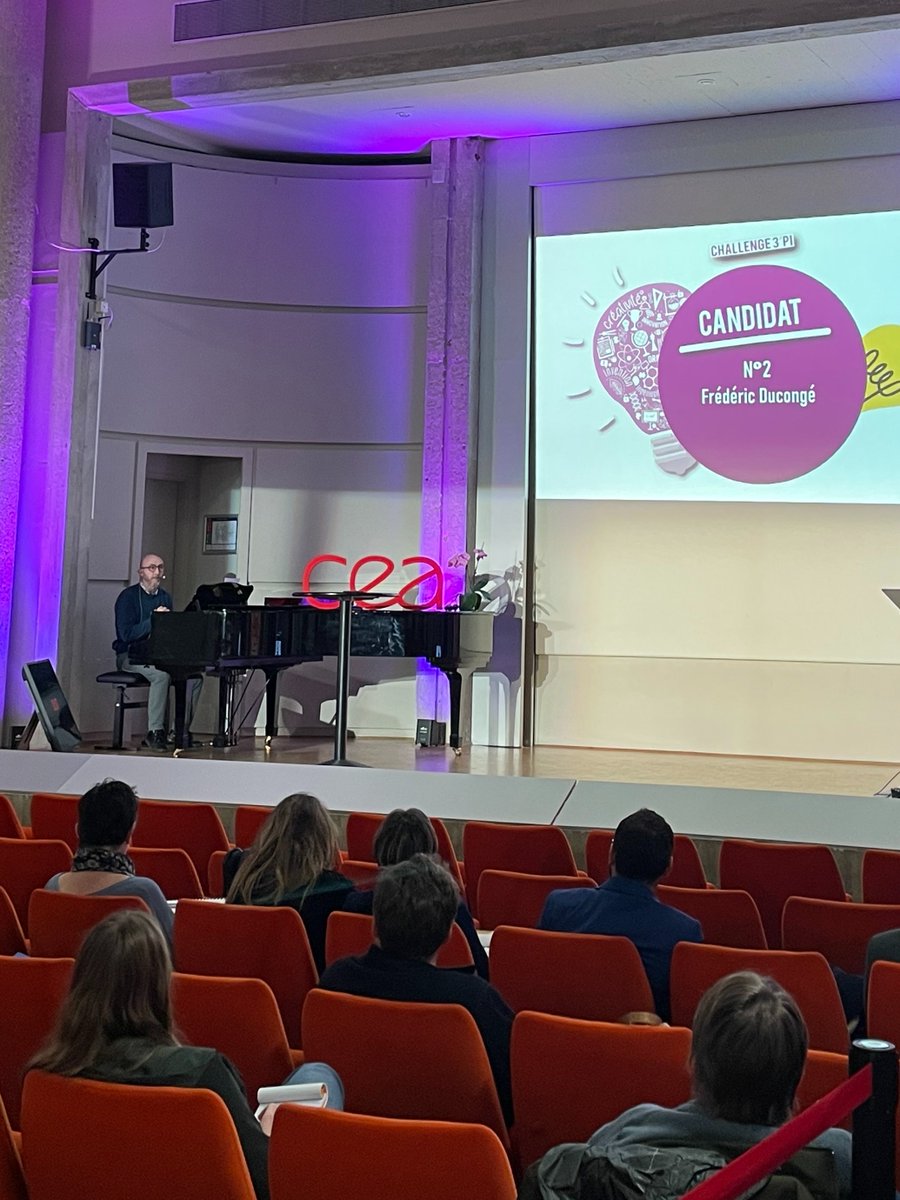
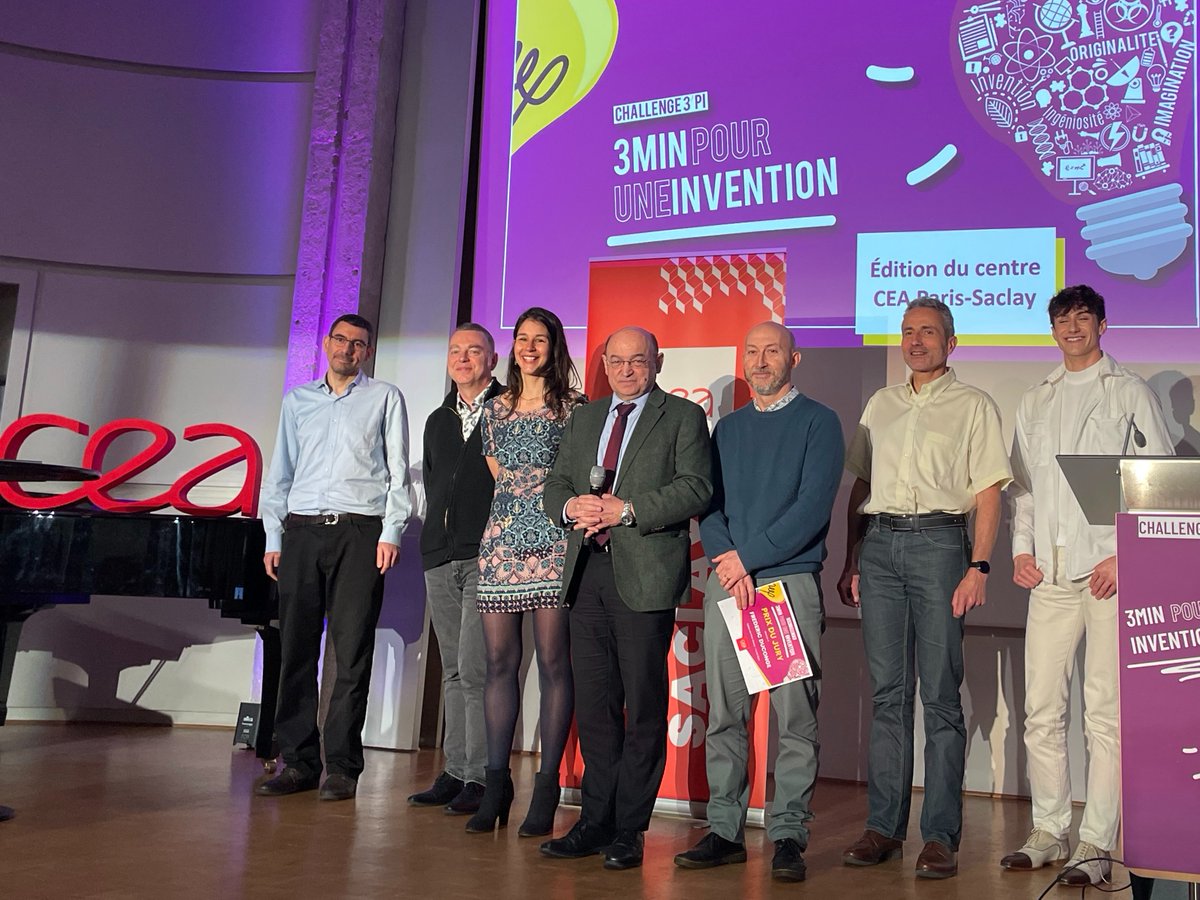
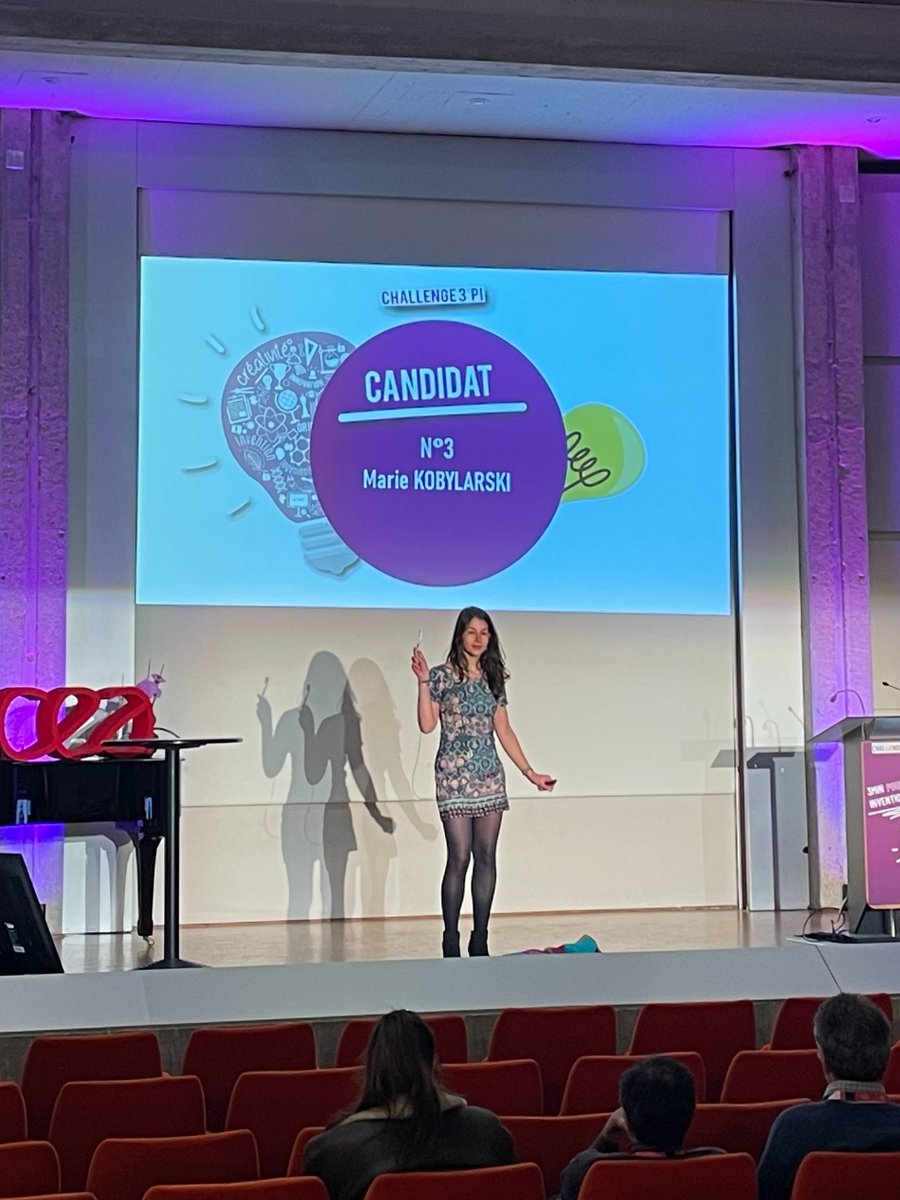
#Innovation 💡| Ce sont 6 ingénieurs-chercheurs du @CEA_Officiel du centre Paris-Saclay qui sont montés sur scène ce jeudi pour présenter en 3 minutes chrono leurs plus belles inventions #3PI :
🪛 un mécanisme pour de l'assemblage simple, robuste et innovant
🧠une méthode de diagnostic précoce d'un type de maladie neurodégénérative
🧵un procédé chimique pour transformer le nylon en nouveaux matériaux
☢️un procédé pour prédire l'efficacité d'une radiothérapie
🍌une cage moléculaire fluorescente conçue pour piéger spécifiquement la chlordécone
🐍un radiotraceur composé d'une toxine de serpent qui se fixe sur les cellules cancéreuses
Félicitations aux lauréats Frédéric Ducongé du @CEA_Jacob_ qui a reçu le Prix du Jury pour la méthode de diagnostic précoce et Marie Kobylarski qui a reçu le Prix du Public pour son procédé de recyclage du nylon.
Ils retrouveront les autres lauréats des centres de @CEAMarcoule, @CEACadarache, @cea_grenoble et CEA DAM lors d'une finale de haut vol le 6 juin prochain à Paris.
Bravo à tous les candidats pour leurs présentations.
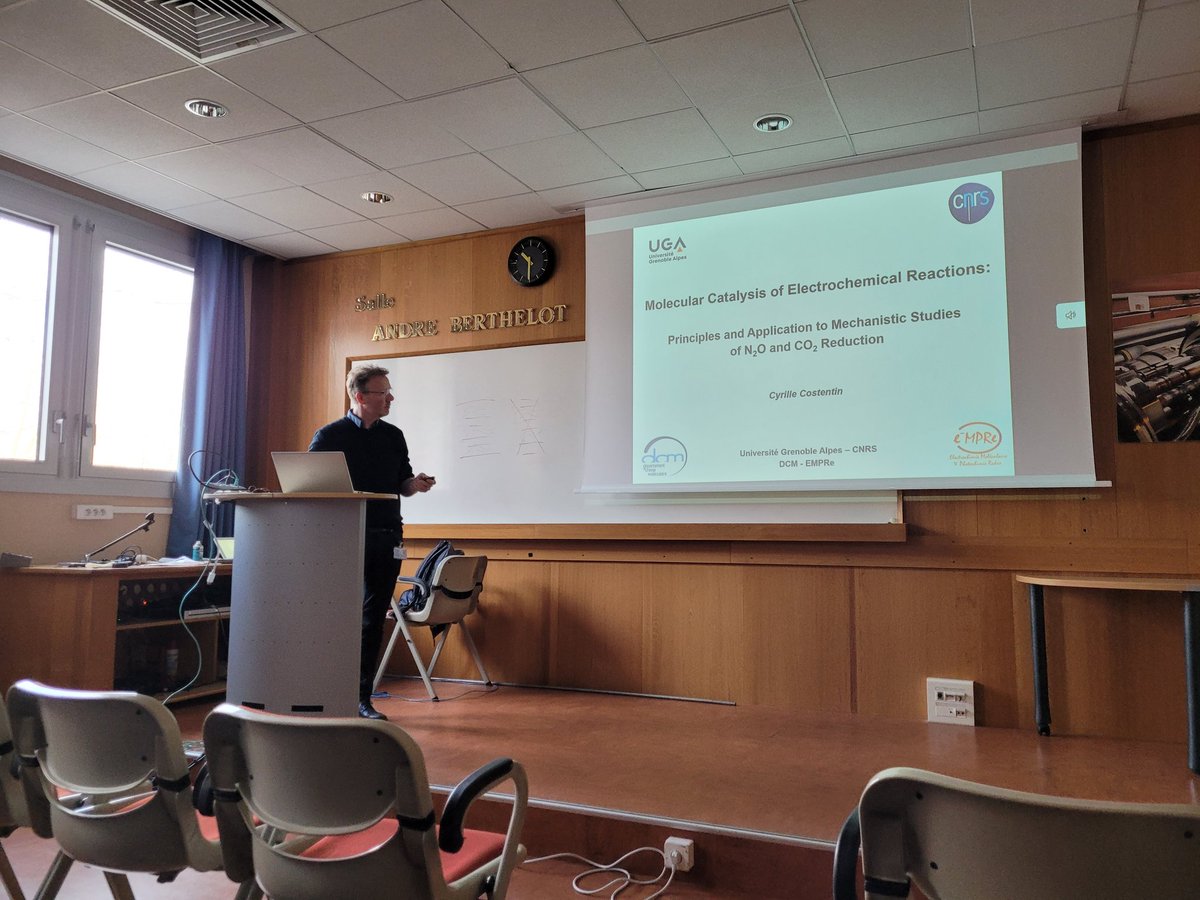
Yesterday we had the pleasure of listening to Cyrille @costentin talking about CO2 and N2O reduction. Thank you for those impressive mechanistic insights and fruitful discussions.
Check out another of our most read January articles:
'Fluorophosphoniums as Lewis acids in organometallic catalysis: application to the carbonylation of β-lactones' 🔓
From @tcantat, @e_c_nicolas, first author Marie-Hélène Pietraru and co.
@LCMCE_Lab
https://t.co/aoCgyUF7lQ
Tired of hydroboranes? Try a new twist with formoxyboranes able to mimic hydroboration chemistry!
now published in Catalysis Science & Technology https://t.co/Uwfy2H2wdy
With the amazing efforts of the @LCMCE_Lab : @GabrielDurin@RfMartinRomero@C_Chauvier@e_c_nicolas
Check out 'Fluorophosphoniums as Lewis acids in organometallic catalysis: application to the carbonylation of β-lactones' 🔓
New from @tcantat, @e_c_nicolas, first author Marie-Hélène Pietraru and co.
@LCMCE_Lab
https://t.co/aoCgyUF7lQ
Fluorophosphoniums are emergent Lewis acids in synthesis and we show that they are also excellent co-catalysts in organometallic catalysis - now published in Chemical Communications https://t.co/GrSitlGbny
Congratulations Marie-Hélène @LCMCE_Lab@e_c_nicolas
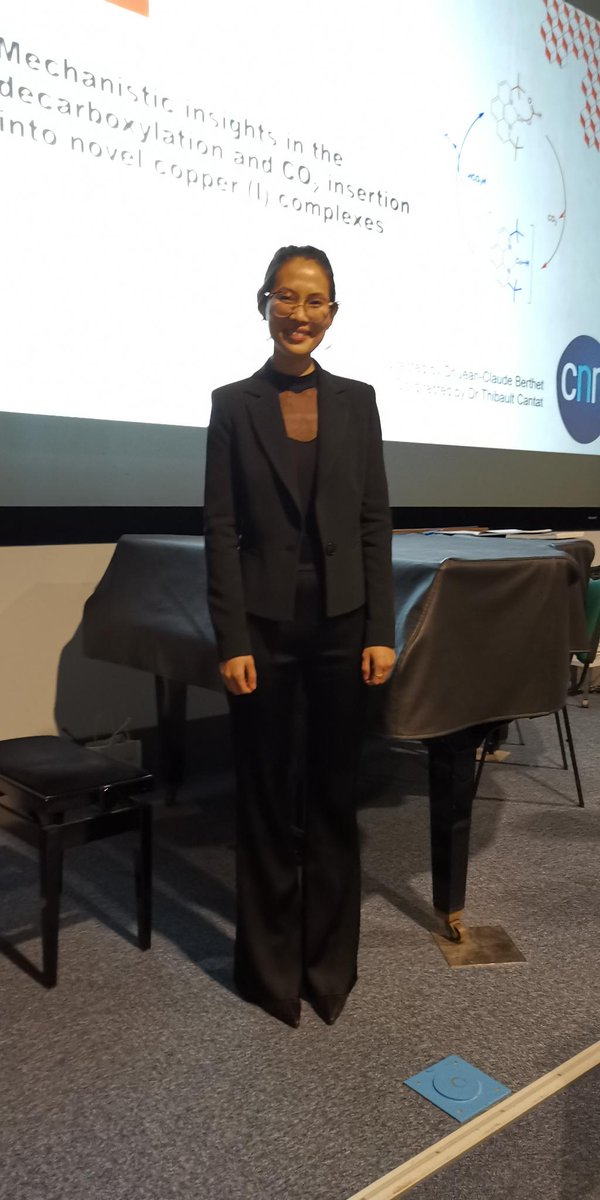
What a busy week! Congratulations to our two new doctor in chemistry: Kieu and Marie-Hélène! And thanks to all members of both jurys for the great discussions.
Can copper formate complexes decarboxylate to hydrides? Find out more on the reversible decarboxylation of copper(I) formate complexes, with the latest paper from @LCMCE_Lab in @Orgmet_ACS : https://t.co/NldG3QojQu
Congratulations to Kieu!
Can copper formate complexes decarboxylate to hydrides? Find out more on the reversible decarboxylation of copper(I) formate complexes, with the latest paper from @LCMCE_Lab in @Orgmet_ACS : https://t.co/NldG3QojQu
Congratulations to Kieu!