Taiwan solved tax evasion in 1951 with a trick so cheap it should embarrass every tax authority on the planet.
The problem was an all-cash economy full of small shops. A merchant pockets the cash, skips the receipt, and the sale never existed. Auditors can't catch what was never recorded, and hiring enough of them to watch every noodle stand costs more than the missing tax.
So finance chief Ren Xianqun flipped the incentive. Print a lottery number on every receipt. Draw winners every two months on live TV. Top prize today: NT$10 million, about $310K.
Suddenly the customer and the shopkeeper want opposite things. The merchant wants the sale off the books. The customer wants the ticket. And there are millions more customers than merchants. Every transaction now carries a built-in witness demanding the paper trail.
Year one, reported tax revenue jumped 75%, from NT$29 million to NT$51 million. Seventy-five years later, roughly 70% of Taiwanese still play. Convenience stores redeem the smallest NT$200 prizes at the register, so even a coffee receipt feels like a scratch card.
The elegant part is what the audit force costs. The prize pool runs about NT$7 billion a year, roughly $20 million. In exchange, the government gets 23 million unpaid auditors working every checkout line in the country, forever. No inspector general on earth delivers that coverage at that price.
Greece, Italy, Portugal, and Slovakia all copied it. The most effective compliance tool ever built looks like a game, and that's exactly why it works.
Most strategic failure is not a failure of intelligence. It is a failure of attention. Strategy is the art of noticing early what others will only understand later.
My new Signal https://t.co/oDAcRAprmg
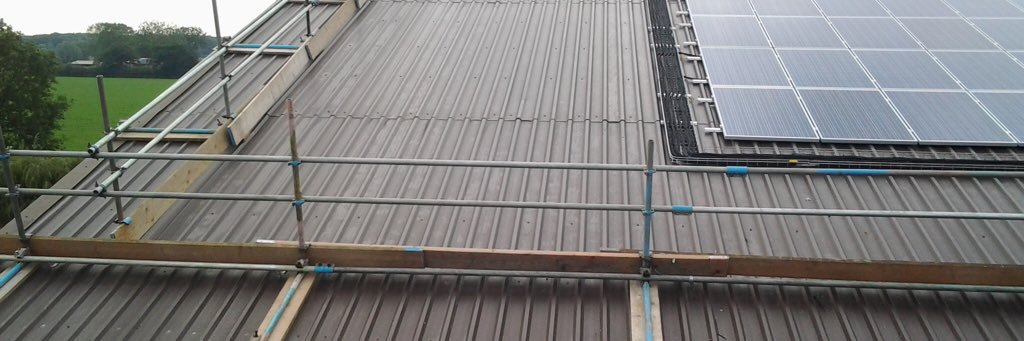
Managing your safety has never been easier! Liberty scaffolding offers secure, presentable and heavy-duty height solutions across multiple systems, ensuring convenience, safety and reliability. https://t.co/UzevybK8gS
Managing your safety has never been easier! Liberty scaffolding offers secure, presentable and heavy-duty height solutions across multiple systems, ensuring convenience, safety and reliability. https://t.co/UzevybK8gS
A lifeline is a critical component of fall protection systems. It's typically a rope or cable that:
Provides:
1. Anchorage for personal fall arrest systems (PFAS)
2. Support for workers at heights
3. Connection to harness or lanyard
Key considerations:
1. Proper installation and anchorage
2. Regular inspections and maintenance
3. Compatibility with other fall protection equipment
4. Compliance with safety standards (OSHA, DOSH etc.)
Challenges:
1. Ensuring stability and structural integrity
2. Adapting to changing work conditions
3. Maintaining visibility and accessibility
Benefits:
1. Reduced risk of falls and injuries
2. Compliance with safety regulations
3. Enhanced worker safety and productivity
Best practices:
1. Follow manufacturer guidelines
2. Adhere to local regulations and standards
3. Ensure secure attachment to structures
4. Monitor weather conditions