“It Was Like Judgment Day… I Saw People Running in Terror”
A Doctor’s Testimony from El-Fasher: UAE-backed Rapid Support Militia Turns the City into a Scene of Killing, Siege, and Ransom Abductions
This article is based on a detailed firsthand testimony reported by Associated Press (AP) from Dr. Mohamed Ibrahim, one of the last doctors who remained in El-Fasher during the assault launched by the UAE-backed Rapid Support Militia on the capital of Sudan’s North Darfur state in late October. His account, documented by AP journalists, provides a rare and harrowing view from inside the city, describing how El-Fasher fell under relentless bombardment and how its streets, homes, and hospitals were transformed into open fields of death.
Dr. Ibrahim, 28 years old, told the Associated Press that on the morning of October 26 he was no longer thinking about treating patients, but about finding a place to survive. He ran from building to building through streets littered with bodies, while explosions, shelling, and gunfire thundered from every direction.
“We saw people running and falling right in front of us,” he told AP. “Bullets were coming from everywhere. We moved from wall to wall under nonstop bombardment.”
After 18 months of fighting, the Rapid Support Militia overran El-Fasher, the last remaining stronghold of the Sudanese Armed Forces in Darfur. In just three days, the city collapsed completely. According to United Nations estimates cited in the AP report, thousands of civilians were killed, though no final death toll has yet been established. Only about 40 percent of the city’s roughly 260,000 residents managed to flee alive. The fate of the rest remains tragically unknown.
Dr. Ibrahim stressed to the Associated Press that the violence he witnessed was not random. Fighters deliberately opened fire on civilians attempting to climb walls or hide in trenches, and used vehicles to run over others trying to escape.
“Seeing so many people killed felt like I was running toward my own death,” he said in his AP interview. “It was a despicable feeling. How can El-Fasher fall? Is it over? It was like judgment day.”
Hospitals, which should have been safe havens, were directly targeted. The Saudi Maternity Hospital, described by AP as the last functioning medical facility in the city, was reduced to a skeleton operation with only 11 doctors left after months of shelling and drone strikes forced most staff to flee. Dr. Ibrahim told AP that they worked endless shifts as medicines and basic supplies dwindled to nothing.
In the early hours of October 26, the shelling intensified dramatically. Civilians sheltering near the hospital began fleeing toward a nearby military base. Shortly after Dr. Ibrahim and a colleague left the building, the militia attacked the hospital, killing a nurse and wounding three others. Two days later, according to information cited by AP from international organizations, the facility was stormed again, leaving at least 460 people dead and six health workers abducted.
The doctor’s escape became a long sequence of terror. As reported by Associated Press, he passed bodies scattered in the streets, saw wounded civilians bleeding with no one to help them, and endured hours of continuous shelling around the university area. At one point he hid inside an empty water tank. At another, he jumped from rooftop to rooftop to avoid being seen by roaming gunmen.
After hours of desperate flight, he finally reached a military base where thousands of civilians had sought refuge, most of them women, children, and elderly people. Many were injured and bleeding, and there were almost no medical resources available. Dr. Ibrahim used scraps of clothing to bandage wounds and tried to stabilize whoever he could.
That night, he joined about 200 civilians attempting to flee toward the town of Tawila. The journey was filled with danger. Trenches dug by the militia to tighten the siege blocked their path. Some were shot as they tried to cross. Others, exhausted and terrified, turned back. Their fate remains unknown.
By the morning of October 27, militia fighters on motorcycles and weapon-mounted trucks intercepted the group, as detailed in the AP account. Two men were executed on the spot. The rest were captured, including the two doctors.
What followed, according to Dr. Ibrahim’s testimony to Associated Press, revealed another level of cruelty. The captives were chained, dragged behind motorcycles, beaten, and interrogated. When the fighters learned that he and his colleague were doctors, they immediately demanded ransom.
“They told us, ‘You are doctors. You have money. The organizations give you a lot of money,’” he said.
Under threats and repeated beatings, Dr. Ibrahim was forced to call his family and ask for thousands of dollars in exchange for his release, an unimaginable sum in a country where the average monthly income is only a few dozen dollars.
Even after the ransom was paid, the ordeal did not end. The doctors were released in an area still controlled by the militia and had to hide for hours, terrified that they would be captured again. Eventually, they managed to reach territory controlled by another armed group and later made their way to Tawila.
When Dr. Ibrahim finally arrived, he encountered survivors who had seen videos of his capture circulating online and believed he had already been killed.
“They embraced me and we both wept,” he told Associated Press. “They did not imagine I was still alive. It felt like a miracle.”
This testimony, as reported by Associated Press, is far more than a story of survival. It is a direct and unfiltered account of what happened to El-Fasher, a city besieged until starvation, bombarded until emptied, and subdued through systematic violence. Through the voice of a doctor who lived every moment of it, El-Fasher emerges as exactly what United Nations officials have described it to be, a massive crime scene, created by the UAE-backed Rapid Support Militia, while much of the world chose to look the other way.
#Sudan
#RSFisTerroristOrganization
#UAEKillsSudanesePeople
#UAESponsorsTerrorism
«كان الأمر كأنه يوم القيامة… رأيت الناس يركضون في رعب»
شهادة طبيب من قلب الفاشر: المليشيا المدعومة من الإمارات تحوّل المدينة إلى مسرح قتل وحصار وابتزاز بالفدية
يستند هذا المقال إلى شهادة مباشرة نشرَتها وكالة أسوشيتد برس (AP) للطبيب السوداني محمد إبراهيم، أحد آخر الأطباء الذين بقوا داخل مدينة الفاشر خلال الهجوم الذي شنّته مليشيا الدعم السريع المدعومة من الإمارات على عاصمة ولاية شمال دارفور أواخر أكتوبر الماضي. وتقدّم روايته، كما وثّقها صحفيو الوكالة، صورة نادرة ومروّعة من داخل المدينة، تشرح كيف سقطت الفاشر تحت قصف متواصل، وكيف تحولت شوارعها ومنازلها ومستشفياتها إلى ساحات مفتوحة للموت.
قال الدكتور إبراهيم، البالغ من العمر 28 عامًا، في حديثه إلى أسوشيتد برس، إن صباح يوم 26 أكتوبر لم يعد يفكر في علاج المرضى بقدر ما كان يبحث عن مكان يختبئ فيه وينجو بحياته. كان يركض من مبنى إلى آخر عبر شوارع متناثرة فيها الجثث، بينما كانت الانفجارات والقذائف وإطلاق النار تتردد من كل اتجاه.
وقال للوكالة: «كنا نرى الناس يركضون ويسقطون أمامنا مباشرة. الرصاص كان يأتي من كل مكان. كنا ننتقل من جدار إلى جدار تحت قصف لا يتوقف».
وبعد ثمانية عشر شهرًا من القتال، اجتاحت مليشيا الدعم السريع مدينة الفاشر، آخر معقل متبقٍ للقوات المسلحة السودانية في إقليم دارفور. وخلال ثلاثة أيام فقط، انهارت المدينة بالكامل. ووفق تقديرات الأمم المتحدة التي أوردتها أسوشيتد برس، قُتل آلاف المدنيين، لكن لا توجد حتى الآن حصيلة نهائية للضحايا. كما لم يتمكن سوى نحو 40 في المئة من سكان الفاشر، الذين يقدَّر عددهم بحوالي 260 ألف نسمة، من ال��رار أحياء. أما مصير البقية فلا يزال مجهولًا.
وشدّد الدكتور إبراهيم في شهادته لأسوشيتد برس على أن العنف لم يكن عشوائيًا. فقد كان المقاتلون يفتحون النار عمدًا على المدنيين الذين يحاولون تسلق الجدران أو الاختباء في الخنادق، ويدهسون آخرين بالمركبات أثناء محاولاتهم الهرب.
وقال: «رؤية هذا العدد الكبير من القتلى جعلتني أشعر وكأنني أركض نحو موتي أنا أيضًا. كان شعورًا بغيضًا. كيف يمكن أن تسقط الفاشر؟ هل انتهى كل شيء؟ كان الأمر كأنه يوم القيامة».
ولم تسلم المستشفيات من الاستهداف المباشر. فقد كان مستشفى الولادة السعودي، كما وصفته أسوشيتد برس، آخر منشأة طبية عاملة في المدينة، لكنه لم يعد يضم سوى 11 طبيبًا بعد أن دفعت شهور من القصف والغارات بالطائرات المسيّرة معظم الطواقم إلى المغادرة. وقال إبراهيم للوكالة إن الأطباء المتبقين عملوا نوبات لا تنتهي، بينما تضاءلت الإمدادات الطبية حتى كادت تنفد تمامًا.
وفي الساعات الأولى من يوم 26 أكتوبر، اشتد القصف بصورة غير مسبوقة. وبدأ المدنيون الذين كانوا يحتمون قرب المستشفى بالفرار نحو قاعدة عسكرية قريبة. وبعد فترة قصيرة من مغادرة إبراهيم وزميله المبنى، هاجمت المليشيا المستشفى، فقتلت ممرضة وأصابت ثلاثة آخرين. وبعد يومين، اقتُحمت المنشأة مجددًا، ما أسفر عن مقتل ما لا يقل عن 460 شخصًا واختطاف ستة من العاملين الصحيين، وفق معلومات نقلتها أسوشيتد برس عن تقييمات دولية لاحقة.
تحولت رحلة هروب الطبيب إلى سلسلة متواصلة من الرعب. وكما أوردت الوكالة، مرّ إبراهيم بجثث متناثرة في الشوارع، ورأى مدنيين جرحى ينزفون دون أن يجدوا من يسعفهم، وعاش ساعات من القصف المتواص�� حول منطقة الجامعة. وفي إحدى اللحظات اختبأ داخل خزان مياه فارغ، وفي لحظة أخرى اضطر إلى القفز من سطح إلى سطح حتى لا يراه المسلحون.
وبعد ساعات طويلة من الفرار، وصل أخيرًا إلى قاعدة عسكرية لجأ إليها آلاف المدنيين، معظمهم من النساء والأطفال وكبار السن. كان كثيرون مصابين وينزفون، بينما لم تكن هناك أي موارد طبية تقريبًا. واستخدم إبراهيم قطعًا من الملابس لتضميد الجروح، محاولًا إنقاذ من يستطيع.
وفي تلك الليلة، انضم إلى نحو مئتي مدني حاولوا الفرار نحو بلدة طويلة. كان الطريق محفوفًا بالموت. فخنادق حفرتها المليشيا لإحكام الحصار اعترضت مسارهم. بعضهم أُطلق عليه الرصاص أثناء محاولة العبور، وآخرون تراجعوا من شدة الإرهاق والخوف. ولا يزال مصيرهم مجهولًا.
وفي صباح 27 أكتوبر، اعترضت مقاتلات المليشيا المجموعة على دراجات نارية وشاحنات مزودة بالأسلحة، كما ورد في تقرير أسوشيتد برس. أُعدم رجلان في الحال، وأُسر الباقون، بمن فيهم الطبيبان.
ما جرى بعد ذلك، وفق شهادة إبراهيم للوكالة، كشف مستوى آخر من الوحشية. فقد قُيّد الأسرى بالسلاسل، وجُرّوا خلف الدراجات النارية، وتعرضوا للضرب والاستجواب. وعندما علم المقاتلون أن إبراهيم وزميله طبيبان، طالبوا فورًا بدفع فدية.
وقال: «قالوا لنا، أنتم أطباء. لديكم مال. المنظمات تعطيكم أموالًا كثيرة».
تحت التهديد والضرب المتكرر، أُجبر إبراهيم على الاتصال بعائلته وطلب آلاف الدولارات مقابل إطلاق سراحه، وهو مبلغ هائل في بلد لا يتجاوز فيه متوسط الدخل الشهري بضع عشرات من الدولارات.
وحتى بعد دفع الفدية، لم تنتهِ المحنة. فقد أُطلق سراح الطبيبين في منطقة ما زالت تحت سيطرة المليشيا، واضطرا للاختباء ساعات طويلة خوفًا من إعادة القبض عليهما. وفي النهاية تمكنا من الوصول إلى منطقة تسيطر عليها مجموعة مسلحة أخرى، ومن هناك شقّا طريقهما إلى بلدة طويلة.
وعندما وصل إبراهيم أخيرًا، التقى بناجين كانوا قد شاهدوا مقاطع مصورة لعملية أسره على وسائل التواصل الاجتماعي، وكانوا يعتقدون أنه قُتل.
وقال لأسوشيتد برس: «احتضنوني وبكينا معًا. لم يتخيلوا أنني ما زلت على قيد الحياة. كان ذلك أشبه بالمعجزة».
إن هذه الشهادة، كما نقلتها وكالة أسوشيتد برس، ليست مجرد قصة نجاة فردية. إنها رواية مباشرة عمّا جرى لمدينة الفاشر، مدينة حوصرت حتى الجوع، وقُصفت حتى أُفرغت، وأُخضعت عبر عنف ممنهج. ومن خلال صوت طبيب عاش كل لحظة من تلك المأساة، تتجلى الفاشر على حقيقتها، مسرح جريمة واسع النطاق، صنعته المليشيا المدعومة من الإمارات، بينما ظل العالم في معظمه ينظر من بعيد.
#السودان
#الدعم_السريع_منظمة_إرهابية
#الإمارات_تقتل_السودانيين
#الإمارات_ترعى_الإرهاب
Reuters Reveals the Abduction and Enslavement of Children by the Rapid Support Militia Through Survivor and Refugee Testimonies
A Reuters investigative report has uncovered a deeply disturbing pattern of crimes committed against children in Darfur, documenting their abduction and use in forced labor, including sexual enslavement, by the Rapid Support Militia.
The report is based on direct testimonies from Sudanese survivors and refugees, including parents who witnessed their children being forcibly taken in front of their eyes while fleeing villages and displacement camps. According to these accounts, the ages of the abducted children ranged from just two months old to thirteen years. Yes, two months old. Infants who had barely begun life were turned into victims of organized violence that recognizes neither age nor humanity.
Witnesses described how civilians were intercepted on roads and near displacement sites, after which children were seized by force, sometimes after their parents were killed, and other times during desperate attempts to escape siege and hunger. Some children were driven away alongside livestock in militia vehicles, while others were transported in closed cars under armed threat. To this day, their fate remains unknown.
According to Reuters, the abductions were not isolated incidents. Testimonies from witnesses, activists, and legal experts indicate that abducted children were deliberately used in forced labor, including herding livestock and domestic servitude, and in other documented cases, sexual slavery. Legal experts cited by Reuters said such practices may constitute war crimes and crimes against humanity under international law.
Reuters interviewed 26 witnesses, either in person or by phone, after they fled to the town of Tawila in North Darfur or crossed into eastern Chad. Their testimonies described 23 separate abduction incidents since 2023, involving at least 56 children. The youngest was two months old. Witnesses said children who resisted were beaten with rifle butts or threatened at gunpoint.
In several cases, witnesses reported that Rapid Support Militia fighters killed parents before taking their sons and daughters. In at least four incidents, witnesses were explicitly told that the children would be used as slaves to herd animals. Despite the gravity of these accounts, Reuters said it was unable to independently verify every incident or trace what ultimately happened to the abducted children.
These crimes coincided with the violent takeover of the Sudanese city of El Fasher by the Rapid Support Militia late last year. Witnesses said abductions occurred both inside the city and along the road to Tawila, an area where the United Nations estimates that around 650,000 displaced people are sheltering after fleeing the war.
A senior official at the United Nations Children’s Fund (UNICEF) told Reuters that the testimonies were consistent with a broader pattern of grave violations against children in Sudan. The Sudanese army, meanwhile, said the militia’s behavior reflects the legacy of the Janjaweed militias from which the Rapid Support Militia evolved, groups that were accused of genocide in Darfur in the early 2000s.
While the Rapid Support Militia has denied deliberately targeting civilians and claims to have opened internal investigations into alleged abuses, the scale, repetition, and consistency of the testimonies point to a systematic pattern that cannot be separated from the nature of this war or from the external support structures that enabled the militia to operate.
In this context, the role of the United Arab Emirates stands out as a source of direct and indirect political, financial, and logistical support for the Rapid Support Militia. This support places responsibility not only on the perpetrators of these crimes but also on those who enabled and sustained the conditions under which such violations could occur.
The abduction and enslavement of children, including sexual exploitation, represents not only a crime against its immediate victims but a profound collapse of moral and humanitarian norms. It confronts the international community with a clear test of credibility, one that cannot be met through silence or routine statements, but only through accountability and action.
#Sudan
#RSFisTerroristOrganization
#UAEKillsSudanesePeople
#UAESponsorsTerrorism
رويترز تكشف اختطاف الأطفال واستعبادهم على يد مليشيا الدعم السريع عبر شهادات ناجين ولاجئين
كشفت وكالة رويترز، في تقرير استقصائي يستند إلى شهادات مباشرة لناجين ولاجئين سودانيين، عن نمط بالغ القسوة من الجرائم المرتكبة بحق الأطفال في دارفور، يتمثل في اختطافهم واستخدامهم في أعمال قسرية، بما في ذلك الاستعباد الجنسي، على يد مليشيا الدعم السريع.
وينقل التقرير روايات أمهات وآباء شاهدوا أطفالهم يُنتزعون بالقوة من أمام أعينهم أثناء الفرار من القرى ومخيمات النزوح. أعمار الأطفال المختطفين، وفق الشهادات، تراوحت بين شهرين فقط وثلاثة عشر عامًا. نعم، شهران فقط. رُضّع تحوّلوا إلى ضحايا لعنف منظّم لا يعترف بحدود العمر ولا بإنسانية الضحايا.
وتصف الشهادات كيف جرى اعتراض المدنيين في الطرقات وعلى مشارف المخيمات، ثم اقتياد الأطفال بالقوة، أحيانًا بعد قتل ذويهم، وأحيانًا أثناء محاولات النجاة من الحصار والجوع. بعض الأطفال سُيقوا مع المواشي في سيارات تابعة للمليشيا، فيما نُقل آخرون في مركبات مغلقة وتحت تهديد السلاح، دون أن يُعرف مصيرهم حتى اليوم.
وبحسب ما نقلته رويترز عن شهود وناشطين وخبراء قانونيين، لم يكن اختطاف الأطفال حوادث معزولة، بل ارتبط باستخدامهم في أعمال قسرية، مثل رعي المواشي والخدمة القسرية، وفي حالات أخرى كعبيد جنس. وهي ممارسات قد ترقى إلى جرائم حرب وجرائم ضد الإنسانية بموجب القانون الدولي.
وتحدثت رويترز إلى 26 شاهدًا بشكل مباشر أو عبر الهاتف، بعد فرارهم إلى مدينة طويلة في شمال دارفور أو إلى شرق تشاد. وبحسب إفاداتهم، وُثّقت 23 حادثة اختطاف منفصلة منذ عام 2023، شملت ما لا يقل عن 56 طفلًا، أصغرهم كان يبلغ من العمر شهرين. وأفاد الشهود بأن الأطفال الذين حاولوا المقاومة تعرضوا للضرب بأعقاب البنادق أو التهديد بالسلاح.
وفي بعض الحالات، قال الشهود إن مقاتلي مليشيا الدعم السريع قتلوا الوالدين أولًا قبل أخذ أبنائهم وبناتهم. وفي أربع حالات على الأقل، أُبلغ الشهود صراحة بأن الأطفال سيُستخدمون عبيدًا لرعي الحيوانات. ورغم فداحة هذه الوقائع، تؤكد رويترز أنها لم تتمكن من التحقق بشكل مستقل من جميع الروايات أو تتبع مصير الأطفال المختطفين.
وتزامنت هذه الجرائم مع السيطرة العنيفة لمليشيا الدعم السريع على مدينة الفاشر أواخر العام الماضي، حيث أفاد شهود بأن عمليات الاختطاف وقعت داخل المدينة وعلى الطريق المؤدي إلى طويلة، وهي منطقة تُقدّر الأمم المتحدة أن نحو 650 ألف نازح يحتمون فيها هربًا من الحرب.
وقال مسؤول في منظمة الأمم المتحدة للطفولة (اليونيسف) إن هذه الإفادات تتسق مع نمط أوسع من الانتهاكات الجسيمة ضد الأطفال في السودان. كما قال الجيش السوداني إن سلوك المليشيا يعكس ممارسات مليشيات الجنجويد التي تطورت منها، والتي وُجهت إليها اتهامات بارتكاب إبادة جماعية في دارفور خلال العقد الأول من الألفية.
ورغم نفي مليشيا الدعم السريع تعمّد استهداف المدنيين، وادعائها فتح تحقيقات داخلية بحق بعض مقاتليها، فإن طبيعة الجرائم وتكرار الشهادات يكشفان عن نمط ممنهج لا يمكن فصله عن سياق هذه الحرب، ولا عن منظومة الدعم الخارجي السياسي والمالي والعسكري التي مكّنت المليشيا من الاستمرار. وفي ��ذا الإطار، يبرز الدور الإماراتي بوصفه داعمًا مباشرًا وغير مباشر لمليشيا الدعم السريع، وهو ما يجعل هذه الانتهاكات جزءًا من منظومة أوسع من العنف المنظّم، ويضع مسؤولية قانونية وأخلاقية على عاتق الداعمين، لا على المنفذين وحدهم.
إن اختطاف الأطفال واستعبادهم، بما في ذلك الاستغلال الجنسي، لا يمثل فقط جريمة بحق الضحايا المباشرين، بل يكشف عمق الانهيار الإنساني في السودان اليوم، ويضع المجتمع الدولي أمام اختبار حقيقي لمصداقية التزامه بحماية المدنيين، وخاصة الأطفال، في النزاعات المسلحة.
#السودان
#الدعم_السريع_منظمة_إرهابية
#الإمارات_تقتل_السودانيين
#الإمارا��_ترعى_الإرهاب
⭕️ Following the liberation of central #Sudan from RSF, civilians and families have begun returning in large numbers to where they belong and feel safe. Simultaneously, the return arrangements have been driven by joint efforts of the government and local volunteers, alongside humanitarian support from countries such as Saudi Arabia, Qatar, and Turkey.
Today, basic services are gradually being restored, with schools, universities, hospitals, and health centers reopening. And streets are busy again with life.
Although the road to full normalcy is still long, one thing is certain; that Sudan is healing and the rest of the country will follow soon. 🇸🇩
Free Mohamed Farouk Salman who spent a year politically detained by UAE authorities.
الحرية لمحمد فاروق سلمان الذي اكمل عام من الاعتقال التعسفي في سجون السلطات الاماراتية
Football Against Bullets: John Mano Recounts War Trauma and Rapid Support Militia Crimes in Sudan
Sudan national team striker John Mano has said that he remains affected by the war in Sudan, noting that what he personally endured, and what he witnessed of crimes committed by the Rapid Support Militia, continues to weigh on him, especially after losing his childhood friend in tragic circumstances.
Mano’s testimony comes amid a war the United Nations has described as the world’s largest humanitarian crisis. Since fighting erupted in April 2023 following a power struggle, the conflict has resulted in the deaths of tens of thousands and the displacement of more than fourteen million people, alongside the collapse of services and the spread of disease and hunger across large parts of Sudan. While UN estimates point to more than forty thousand deaths, humanitarian organizations say the true number is far higher.
In an interview with the BBC, Mano recounted the killing of his close friend Mido by fighters from the Rapid Support Militia. He said they gave him no chance at all, firing more than twenty or twenty five bullets at him. One of their friends was present but was unable to intervene, forced to watch as his friend was killed before his eyes.
Mano explained that Mido had traveled to the city of Halfa, near the Egyptian border, to arrange documents that would allow him to leave the country. After arriving, he realized he had forgotten important certificates needed by his family, which forced him to return to Khartoum. There, he was stopped by Rapid Support Militia fighters who asked him whether he worked with the army. When he tried to explain, they opened fire on him without hesitation.
The war has had a direct impact on sports in Sudan, with competitions suspended, stadiums destroyed, and the league frozen for long periods. As a result, the Sudanese national team was forced to move its training camps and matches abroad in order to maintain continuity, particularly while competing in the qualifiers for the 2026 World Cup and the 2025 Africa Cup of Nations.
Despite these conditions, the Sudanese national team, known as the Falcons of Jediane, endured and achieved a remarkable qualification for the Africa Cup of Nations. The team even managed to defeat Ghana, denying them a place in the tournament, in an achievement that carried significance far beyond football.
Speaking about the state of stadiums and sporting activity, Mano said that almost nothing remains in Sudan. However, he emphasized that complaining feels meaningless when people in his country are unable to find food for themselves or their children.
The twenty four year old player also revealed that he personally faced death before leaving Sudan for the Libyan league. He said Rapid Support Militia fighters used to stop them on the roads, mock them, and threaten them with death, using football club loyalties as a pretext for intimidation. One fighter told him, you play for Al Hilal, what is Al Hilal? I support Al Merrikh. I can kill you now, and no one will ask me.
Mano concluded by saying that he will never forget these moments as long as he lives, affirming that football has ceased to be just a game for them, and has instead become a means of survival and a way to carry Sudan’s voice to the world.
#Sudan
#RSFisTerroristOrganization
#UAEKillsSudanesePeople
#UAESponsorsTerrorism
كرة القدم في مواجهة الرصاص: جون مانو يروي صدمة الحرب وجرائم مليشيا الدعم السريع في السودان
قال جون مانو، مهاجم المنتخب السوداني، إنه ما زال متأثراً بالحرب في السودان، مشيراً إلى أن ما تعرّض له شخصياً، وما شاهده من جرائم ارتكبتها مليشيا الدعم السريع، لا يزال يثقل كاهله، خاصة بعد فقدانه صديق طفولته في ظروف مأساوية.
وتأتي شهادة اللاعب في سياق حرب وصفتها الأمم المتحدة بأنها أكبر أزمة إنسانية في العالم. فمنذ اندلاع القتال في أبريل 2023 نتيجة صراع على السلطة، تسببت الحرب في مقتل عشرات الآلاف، ونزوح أكثر من أربعة عشر مليون إنسان، وسط انهيار الخدمات وانتشار الأمراض والمجاعة في أجزاء واسعة من السودان. وبينما تشير تقديرات الأمم المتحدة إلى أكثر من أربعين ألف قتيل، تؤكد منظمات الإغاثة أن العدد الحقيقي أعلى بكثير.
وفي مقابلة مع شبكة بي بي سي، روى مانو تفاصيل مقتل صديقه المقرب ميدو على يد عناصر من مليشيا الدعم السريع، قائلاً إنهم لم يمنحوه أي فرصة، وأطلقوا عليه أكثر من عشرين أو خمس وعشرين رصاصة. وأضاف أن أحد أصدقائهما كان حاضراً لكنه عجز عن التدخل، وكل ما استطاع فعله هو مشاهدة صديقه يُقتل أمام عينيه.
وأوضح مانو أن ميدو كان قد سافر إلى مدينة حلفا القريبة من الحدود مع مصر لترتي�� وثائق تمكّنه من مغادرة البلاد، لكنه اضطر للعودة إلى الخرطوم بعد أن نسي شهادات مهمة تخص العائلة. هناك، أوقفته عناصر من مليشيا الدعم السريع وسألته عما إذا كان يعمل مع الجيش، وحين حاول الشرح، بادروا بإطلاق النار عليه دون تردد.
وأثرت الحرب بشكل مباشر على الحياة الرياضية في السودان، حيث توقفت المنافسات، ودُمّرت الملاعب، وتجمّد الدوري لفترات طويلة. واضطر المنتخب السوداني إلى نقل تدريباته ومبارياته إلى خارج البلاد من أجل الحفاظ على استمراريته، خصوصاً مع خوض تصفيات كأس العالم 2026 وتصفيات كأس الأمم الإفريقية 2025.
ورغم كل ذلك، صمد المنتخب السوداني، المعروف بلقب صقور الجديان، وحقق إنجازاً لافتاً بالتأهل إلى كأس الأمم الإفريقية، بل وتمكن من التفوق على منتخب غانا وحرمانه من بلوغ النهائيات، في إنجاز حمل رسالة تتجاوز حدود الرياضة.
وعن واقع الملاعب وال��شاط الرياضي، قال مانو إن لا شيء تقريباً بقي في السودان، لكنه شدد على أن الشكوى تصبح بلا معنى حين يكون الناس في بلده عاجزين عن توفير الطعام لأنفسهم ولأطفالهم.
وكشف اللاعب البالغ من العمر أربعة وعشرين عاماً أنه واجه الموت بنفسه قبل مغادرته إلى الدوري الليبي، حين أوقفته عناصر من مليشيا الدعم السريع على الطريق وسخرت منه وهددته بالقتل، مستخدمة الانتماء الكروي ذريعة للترهيب، حيث قال له أحدهم: أنت تلعب مع الهلال، ما هو الهلال؟ أنا أشجع المريخ، أستطيع قتلك الآن، ولن يسألني أحد.
وختم مانو شهادته بالقول إنه لا يمكنه نسيان تلك اللحظات ما دام على قيد الحياة، مؤكداً أن كرة القدم بالنسبة لهم لم تعد مجرد لعبة، بل وسيلة للبقاء، ولإيصال صوت السودان إلى العالم.
#السودان
#الدعم_السريع_منظمة_إرهابية
#الإمارات_تقتل_السودانيين
#الإمارات_ترعى_الإرهاب
🔴 BREAKING: More than 200 people, including women and children, were killed in ethnically targeted attacks by the UAE-backed Rapid Support Forces in the Ambro, Serba, and Abu Qumra areas of north Darfur, according to the Sudan Doctors Network.
The group said the killings were documented through survivor testimonies from displaced civilians who reached camps in eastern Chad, describing deliberate targeting along ethnic lines.
ترجمتُ هذا المقطع من جزء من مقابلة مع ناثانييل ريموند، المدير التنفيذي لمختبر الأبحاث الإنسانية في جامعة ييل، وهو مختبر أكاديمي متخصص في استخدام صور الأقمار الصناعية، وتحليل البيانات المفتوحة، والأدلة ��لرقمية لتوثيق جرائم الحرب والإبادة الجماعية، ودعم آليات المساءلة الدولية. في هذا الجزء، يركّز ريموند بشكل مباشر على دور دولة الإمارات العربية المتحدة، بوصفه العامل الأكثر حسمًا في القدرات العسكرية الحالية لمليشيا الدعم السريع.
يبدأ ريموند رده بكلمة واضحة: حاسم، ثم يوضح أنه، رغم حملات الهجوم والإنكار الواسعة على الإنترنت عند الحديث عن دور الإمارات، يتحدث هنا بلغة عسكرية بحتة ويضع السياسة جانبًا. ويؤكد أن مستوى الدعم السري الذي تقدّمه دولة الإمارات لمليشيا الدعم السريع يُعد عملية المساندة الأكثر حسمًا لقوة شبه عسكرية منذ دعم وكالة الاستخبارات المركزية للمجاهدين في عملية الإعصار في أفغانستان، وبلا منازع من حيث حجم الذخائر وتعقيد شبكة الإمداد اللوجستية، مشيرًا إلى أن هذه الشبكات خضعت للمتابعة والرصد على مدى أشهر.
ويضيف ريموند أنه إذا اطّلع المستمع على تقرير روبي غرامر في و��ل ستريت جورنال بتاريخ 27 أكتوبر، وهو تقرير كان ينبغي أن يتصدر عناوين الأخبار عالميًا لو كنا نعيش في عالم أكثر عدلًا، لوجد أنه استند إلى وثائق استخباراتية مسرّبة من مكتب أبحاث الاستخبارات بوزارة الخارجية ومن وكالة استخبارات الدفاع. ويشير إلى أن هذه الوثائق أكدت، في إحدى الحالات، نتائج توصل إليها مختبر الأبحاث الإنسانية في جامعة ييل، لا سيما فيما يتعلق بملف الطائرات المسيّرة CH95 ذات الجناح الثابت، حيث قالت بوضوح إنها موجودة، وإنها تقلع من نيالا وتحلق فوق الفاشر. ويصف ريموند هذه اللحظة بأنها النقطة التي حصلت فيها مليشيا الدعم السريع عمليًا على قوة جوية.
وينت��ل ريموند بعد ذلك إلى شرح التحول النوعي في قدرات المليشيا، موضحًا أنه قبل عشرين عامًا كان الجنجويد يعتمدون على أسلحة خفيفة ووسائل بدائية، أما اليوم فمليشيا الدعم السريع تمتلك أربع فئات من الطائرات المسيّرة. ويشدّد على أن أخطر ما في هذا التحول هو قدرتهم على استخدام الطائرات المسيّرة الانتحارية ذات أجنحة الدلتا، والتي يرجّح أنها ما يُعرف باسم “صن فلاور”، ويعتقد أنها طائرات مسيّرة من إنتاج شركة نورينكو الصينية. ووفقًا لشرحه، فإن هذا التطور منح المليشيا القدرة على ضرب نطاق يتجاوز 1,300 كيلومتر مربع، إضافة إلى تعطيل الطيران المدني، مع وجود منصات إطلاق هوائية موثّقة في نيالا.
وفي ختام هذا الجزء، يوسّع ريموند تحليله للبعد السياسي، موضحًا أن إدراج الإمارات ضمن مسار الرباعية إلى جانب الولايات المتحدة لم يؤدِّ إلى كبح سلوك مليشيا الدعم السريع، بل على العكس، منحها غطاءً إضافيًا للمناورة. ويشرح أن المليشيا طوّرت نمطًا متكررًا يقوم على استخدام التفاوض والتعهد بوقف إطلاق نار إنساني في كل مرة تكون فيها على وشك ارتكاب مجزرة جديدة أو استكمال مجزرة جارية، ثم استغلال هذا الغطاء للتحرك العسكري وإعادة التموضع على الأرض.
ويؤكد ريموند أن هذا النمط يمكن تتبعه زمنيًا بوضوح. فما جرى في الجنينة حدث خلال مسار جدة 1، وقد جرى رصده ومتابعته، ثم شهدت نيالا وزالنجي أحداثًا دموية خلال مسار جدة 2، قبل أن تأتي مجزرة الفاشر في منتصف مسار الرباعية. ويشدّد على أن هذا التزامن المتكرر بين المسارات التفاوضية ووقوع الفظائع ليس صدفة، بل يعكس استخدامًا متعمّدًا للعملية السياسية كأداة عملياتية تخدم الأهداف العسكرية للمليشيا.
ويمضي ريموند أبعد من ذلك، معتبرًا أن هذا الأسلوب نجح لأن المجتمع الدولي يتعامل مع هذه المسارات كما لو كانت غاية بحد ذاتها، لا وسيلة لوقف الجرائم، ولأنه يرفض اتخاذ الخطوة الوحيدة التي يمكن أن تُبطئ هذا المسار فعليًا. ويقول بصراحة إن المشكلة ليست في غياب المعرفة أو الأدلة، بل في غياب الإرادة لفرض كلفة حقيقية على الداعمين. ويضرب مثالًا واضحًا على ذلك بقوله إن إنهاء هذا المسار يتطلب إيلامًا اقتصاديًا مباشرًا، موضحًا بشكل ساخر أن الأمر يبدأ عمليًا بإنهاء “التسوّق المعفى من الرسوم في مبنى الركاب رقم 1 في دبي”. وما يقصده بذلك، كما يشرح، هو أنه إلى أن ��شعر صناع القرار في أبوظبي، ومن بينهم منصور ومحمد بن زايد، بألم اقتصادي حقيقي، سواء عبر تراجع السياحة الدولية أو تعطّلها، فإن هذا السلوك لن يتغير، ولن ينتهي هذا المسار الدموي.
فيديو من طريق طويلة يوثّق الإبادة الجماعية: مشاهد ميدانية جديدة لجرائم مليشيا الدعم السريع (الجنجويد) المدعومة من الإمارات
يتداول مستخدمو مواقع التواصل الاجتماعي مقطع فيديو صادم صُوِّر في منطقة صحراوية على الطريق المؤدي من الفاشر باتجاه طويلة. يُظهر الفيديو عشرات المدنيين ممدّدين على الأرض بلا حراك، فيما تغطي الدماء مساحات واسعة من الرمال، بينما يُشاهد آخرون وهم يركضون في حالة فزع. وتُسمع السيدة التي توثّق المشهد وهي تقول إنهم يتجهون نحو طويلة، ما يحدّد الموقع بوصفه أحد مسارات النزوح التي سلكها المدنيون فرارًا بعد سقوط الفاشر. طب��عة المكان المكشوف، وغياب أي مظاهر اشتباك عسكري، وانتشار الدماء حول الضحايا، تشير بوضوح إلى أن المدنيين استُهدفوا بإطلاق النار أثناء محاولتهم الهروب.
هذا الفيديو، بوصفه خبرًا قائمًا بذاته، يأتي إضافةً إلى عشرات المقاطع التي انتشرت في الأيام التي تلت سقوط الفاشر، والتي وثّقت جثثًا في الشوارع ومشاهد قتل جماعي ومدنيين يفرّون تحت النار. وبذلك يشكّل المقطع دليلًا ميدانيًا جديدًا من الأرض يعزّز سلسلة الأدلة البصرية على الجرائم التي ارتكبتها مليشيا الدعم السريع (الجنجويد) المدعومة من الإمارات. منذ سيطرة المليشيا على الفاشر في أواخر عام 2025، لا يزال ما يقارب مئ��ت الآلاف من المدنيين في عداد المفقودين، وسط مؤشرات متزايدة على أن أعدادًا كبيرة منهم قُتلوا خلال عمليات فرار جماعي أو إعدامات ميدانية.
وتكتسب أهمية هذا الفيديو بعدًا إضافيًا عند وضعه في سياق الأدلة المستقلة. فقد وثّق مختبر البحوث الإنسانية بجامعة ييل عبر تحليل صور الأقمار الصناعية تجمعات لأجسام تتطابق مع بقايا بشرية، مصحوبة ببقع حمراء على الأرض متسقة ��ع الدم أو سوائل جسدية أخرى، وهي مشاهد وُصفت في تقارير إعلامية استنادًا إلى تحليلات ييل بأنها دماء مرئية من الفضاء. حدّد المختبر ما لا يقل عن 150 تجمعًا ظهرت لأول مرة بين 26 أكتوبر و1 نوفمبر 2025، وتمت متابعتها حتى 28 نوفمبر 2025، مع تغيّرات في حجم التجمعات في 72 بالمئة من المواقع، واختفاء 38 بالمئة منها بحلول أواخر نوفمبر. كما رُصد نشاط لمركبات تتوافق مع تحركات مليشيا الدعم السريع قرب عشرات المواقع، إلى جانب مؤشرات حرق وتربة مضطربة من دون أي دلائل على ممارسات دفن مدني.
وخلص تحليل مختبر ييل إلى أربعة أنماط رئيسية للقتل، من بينها قتل المدنيين أثناء الفرار من مناطق الخطر. ويتطابق الفيديو المتداول من الطريق الصحراوي نحو طويلة مباشرة مع هذا النمط، ما يجعل المشاهد المصوّرة شهادة ميدانية حيّة تكمّل الأدلة التي جُمعت من السماء.
إن هذا الفيديو، بما يحمله من تفاصيل واضحة وموقع محدّد وشهادة صوتية من داخل الحدث، يمثّل خبرًا موثقًا ودليلًا مباشرًا على الإبادة الجماعية الجارية في شمال دارفور. ��لطريق إلى طويلة، الذي يفترض أن يكون ممر نجاة، يظهر في هذا المقطع كمسرح قتل مفتوح. ومع تراكُم الأدلة المصوّرة من الأرض وتحليلات الأقمار الصناعية، تتأكد مسؤولية مليشيا الدعم السريع (الجنجويد) المدعومة من الإمارات عن جرائم ترقى إلى الإبادة الجماعية، بما يستدعي محاسبة دولية عاجلة لا تقبل الإنكار أو التأجيل.
#السودان
#الدعم_السريع_منظمة_إرهابية
#الإمارات_تقتل_السودانيين
#الإمارات_ترعى_الإرهاب
Video From the Road to Tawila Documents Genocide: New Ground Evidence of UAE-Backed Rapid Support Militia Crimes
A video circulating on social media shows a horrific scene filmed in the open desert along the route leading from El Fasher toward Tawila. The footage captures dozens of civilians lying motionless on the ground, with extensive blood visible across the sand, while others can be seen running in panic. The woman recording the video can be heard saying they are heading toward Tawila, placing the scene on a known displacement corridor used by civilians fleeing after the fall of El Fasher. The exposed terrain, the absence of any signs of combat, and the concentration of blood strongly indicate that civilians were shot while attempting to escape.
The video itself is the news. It constitutes fresh ground evidence, adding to the many videos that circulated in the days following the fall of El Fasher, which documented bodies in streets, mass casualties, and civilians fleeing under fire. Together, these recordings form a growing visual record of atrocities carried out by the UAE-backed Rapid Support Militia (Janjaweed). Since the militia seized El Fasher in late 2025, nearly hundreds of thousands of civilians remain unaccounted for, with mounting indications that large numbers were killed during flight, execution-style attacks, or mass roundups.
This new ground footage aligns closely with independent satellite findings. The Yale Humanitarian Research Lab has reported that satellite imagery revealed clusters of objects consistent with human remains accompanied by reddish discoloration on the ground, discoloration consistent with blood or other bodily fluids. Media reporting citing Yale HRL has described this as blood visible from space. Yale HRL identified at least 150 clusters first visible between 26 October and 1 November 2025 and monitored through 28 November 2025, with changes in size at 72 percent of sites and 38 percent no longer visible by late November. The analysis documented 38 instances of reddish discoloration, most directly associated with clusters, RSF-consistent vehicle activity near at least 31 sites, and signs of burning objects and disturbed earth without evidence of civilian burial practices.
Yale HRL’s assessment identified four primary patterns of killing, including civilians killed as they fled, mass killings through door-to-door and execution-style attacks in areas of civilian refuge such as the Daraja Oula neighborhood, killings linked to detention or filtration sites, and killings at military installations. The desert video from the road to Tawila directly corresponds to the first pattern, civilians shot while fleeing, providing real-time ground evidence that complements satellite-documented bloodstains and body clusters observed from the sky.
Taken together, the circulating video, the earlier ground footage from El Fasher, and the satellite findings showing blood visible from space point to a coordinated campaign of mass killing consistent with genocide. The road toward Tawila, referenced in the footage as a path of escape, appears instead as a corridor of death. With each new video and each new satellite image, the evidentiary record grows clearer, underscoring that the crimes committed by the UAE-backed Rapid Support Militia in and around El Fasher are documented, traceable, and demand urgent international accountability.
#Sudan
#RSFisTerroristOrganization
#UAEKillsSudanesePeople
#UAESponsorsTerrorism
#Sudan | This video documents horrific scenes of mass killings carried out by the #UAE - backed Janjaweed militia against unarmed civilians as they attempted to flee the city of #ElFasher toward Tawila in search of safety.
These moments capture the depth of the suffering endured by civilians, people who carried no weapons and sought nothing but survival, only to be met with bullets even as they escaped.
Such crimes are repeated day after day, without restraint or accountability, as if the blood of innocents has become normalized amid a devastating international silence.
These images will remain a testament to the failure of the international community to confront the real actors behind this militia and those who sustain it with support. They stand as evidence of lives taken unjustly, families shattered, and humanity violated every single day, simply because the perpetrators believe no one will stop them.
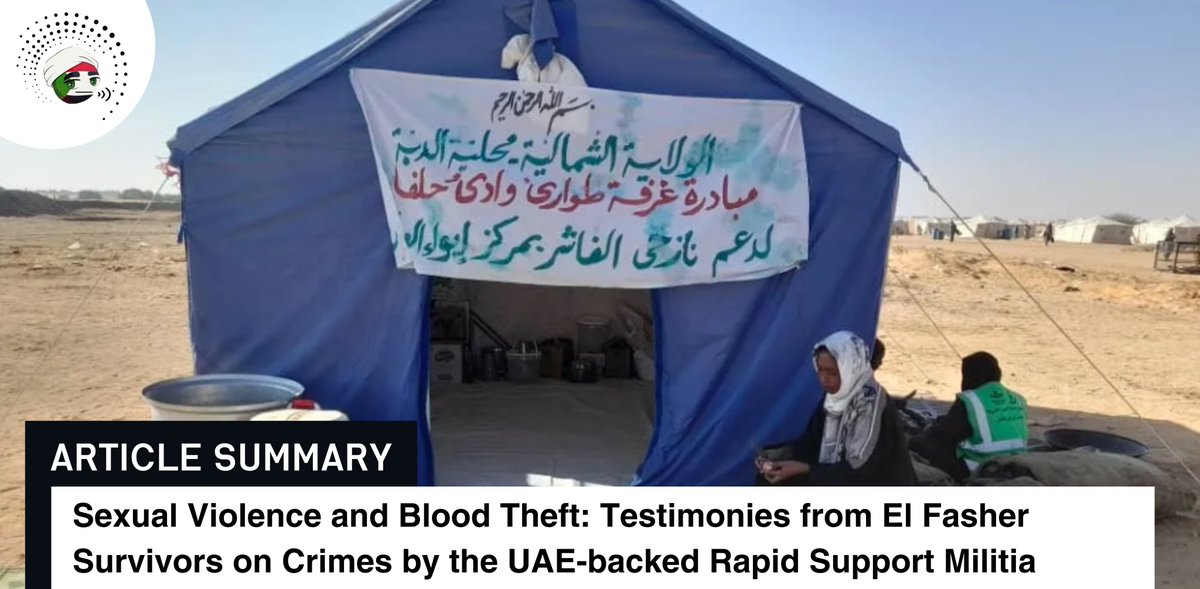
Sexual Violence and Blood Theft: Testimonies from El Fasher Survivors on Crimes by the UAE-backed Rapid Support Militia
In an article published on The New Humanitarian by Sudanese journalist Mohamed Amin, titled “Sexual Assault and Blood Theft: What I Found in a Camp for Displaced Sudanese from El Fasher,” the author documents direct, on-the-ground testimonies from displaced people who fled the city of El Fasher after its fall. The article exposes shocking patterns of violations committed by the UAE-backed Rapid Support Militia, in what stands as one of the most brutal chapters of Sudan’s war.
The investigation relies on accounts from people who reached the city of Ad-Dabba in Northern State after a long escape through the desert, where thousands have settled in Al-Afadh camp. These displaced individuals describe unprecedented practices, including the forced extraction of blood, detention for ransom, and starvation, within the context of a suffocating siege that preceded the takeover of El Fasher and was followed by a widespread explosion of abuses.
Among the most dangerous testimonies documented by Mohamed Amin is that of a man who said he was taken by militia members to a small clinic near Zamzam camp south of El Fasher, where he saw young men having their blood drawn in scenes he described as brutal. He said he arrived at night and was placed in a waiting line, assuming the procedure would continue in the morning. This gave him the opportunity to escape with two of his cousins. This testimony, alongside other corroborating accounts, indicates that blood theft was not an isolated incident but a repeated practice targeting those fleeing the city.
The investigation also relays testimonies of organized looting and public humiliation along roads and at checkpoints. One woman, who worked as a cleaner in El Fasher, recounted how she placed her elderly parents and their belongings on a donkey while attempting to flee. Militia members stopped them, pushed her parents aside, searched their belongings, and confiscated everything. She said they shouted insults and whipped the elderly, while she witnessed people dying in the street as they tried to escape.
Repeated accounts in the investigation confirm that escape was only possible in exchange for money. Another woman said militia fighters prevented people from leaving the city unless they paid large ransoms. Those who had no money were forced to stay, and some died of hunger. These testimonies paint a picture of a military, economic, and humanitarian siege in which hunger and fear were used as tools of subjugation.
Sexual violence occupies a central place in the investigation as a systematic tool of humiliation and repression. Mohamed Amin cites testimonies from social workers and aid workers inside Al-Afadh camp who confirm the documentation of hundreds of cases of sexual assault against women who fled El Fasher, whether during the siege or after the city fell. These cases include rape that in some instances resulted in pregnancy and sexually transmitted infections, amid a near-total absence of medical care and psychological support. The testimonies indicate that the documented numbers represent only a small fraction of the reality, due to fear, social stigma, and lack of access to services, reinforcing the conclusion that sexual violence was used as a weapon of war to break and subdue local communities.
In a context that reflects the overall level of brutality of the violations, though not directly linked to sexual violence, the investigation recounts the testimony of a doctor who survived a massacre inside one of El Fasher’s hospitals. The Rapid Support Militia is accused of killing more than 460 patients and caregivers in a single day. The doctor said she witnessed the killings before managing to escape, and that the militia besieged the hospital and entered firing indiscriminately. She added that many medical staff she knew were detained or later disappeared, and that only two were released after ransoms were paid, a clear indication of the systematic targeting of the health sector and its workers.
The investigation does not overlook the harsh reality inside Al-Afadh camp itself. Despite the strong solidarity shown by the residents of Ad-Dabba, with many crossing daily to provide food and support, living conditions remain extremely difficult, marked by poor sanitation, a lack of basic services, and international aid limited to a small number of organizations. This is compounded by constant fear of a potential northward expansion of the Rapid Support Militia through desert areas, prompting local authorities to impose strict security measures, without alleviating the anxiety of residents and displaced people.
Despite everything, one voice repeatedly emerges in the testimonies of the displaced: the desire to return. A university graduate said, “We lost many of our loved ones and relatives. We were dying in silence, but we hope to return to our homes soon.” Another woman added, ��We are not comfortable here. My message to the world is to stand with El Fasher and remove the Rapid Support Militia from the city.”
Through these testimonies, as documented by Mohamed Amin in his article published on The New Humanitarian, a comprehensive picture emerges of crimes that include sexual violence, blood theft, starvation, and killing. These crimes continue to haunt survivors in displacement camps and place the international community before a responsibility that can no longer be ignored.
#Sudan
#RSFisTerroristOrganization
#UAEKillsSudanesePeople
#UAESponsorsTerrorism
العنف الجنسي وسرقة الدم: شهادات نازحي الفاشر عن جرائم مليشيا الدعم السريع المدعومة من الإمارات
في مقال نُشر على موقع The New Humanitarian بقلم الصحفي السوداني محمد أمين بعنوان «الاعتداءات الجنسية وسرقة الدم: ما وجدته في مخيم للنازحين السودانيين من الفاشر»، يوثّق الكاتب شهادات ميدانية مباشرة من نازحين فرّوا من مدينة الفاشر عقب سقوطها، كاشفًا عن أنماط صادمة من الانتهاكات ار��كبتها مليشيا الدعم السريع المدعومة من الإمارات، في واحدة من أكثر فصول الحرب السودانية قسوة.
يعتمد التحقيق على روايات أشخاص وصلوا إلى مدينة الدبة في الولاية الشمالية بعد رحلة هروب طويلة عبر الصحراء، حيث استقر آلاف منهم في مخيم العفاض. يقدم هؤلاء النازحون شهادات عن ممارسات غير مسبوقة، من بينها سحب الدم قسرًا، والاحتجاز مقابل فدية، والتجويع، في سياق حصار خانق سبق السيطرة على الفاشر ثم أعقبه انفجار واسع للانتهاكات.
من أخطر الشهادات التي وثّقها محمد أمين ما رواه رجل قال إنه اقتيد على يد عناصر المليشيا إلى عيادة صغيرة قرب مخيم زمزم جنوب الفاشر، حيث شاهد شبانًا يُسحب منهم الدم في مشاهد وصفها بالوحشية. قال إن وصوله كان ليلًا، وإنه وُضع في صف انتظار، وافترض أن العملية ستُستكمل في الصباح، وهو ما أتاح له فرصة الهرب مع اثنين من أبناء عمومته. هذه الشهادة، إلى جانب روايات أخرى متقاطعة، تشير إلى أن سرقة الدم لم تكن حادثة فردية معزولة، بل ممارس�� متكررة بحق الفارين.
كما ينقل التحقيق شهادات عن نهب منظّم وإهانات علنية على الطرق ونقاط التفتيش. إحدى النساء، كانت تعمل كعاملة نظافة في الفاشر، روت كيف وضعت والديها المسنين ومتعلقاتهم على حمار أثناء محاولتهم الفرار. أوقفتهم عناصر المليشيا، دفعت الوالدين جانبًا، فتشت الأمتعة، وصادرت كل ما وجدته. تقول المرأة إنهم كانوا يرددون عبارات مهينة، ويجلدون كبار السن، فيما شاهدت أشخاصًا يموتون في الشارع أثناء محاولتهم النجاة.
وتتكرر في التحقيق روايات تؤكد أن الهروب لم يكن ممكنًا إلا مقابل المال. امرأة أخرى قالت إن مقاتلي المليشيا منعوا الناس من مغادرة المدينة ما ��م يدفعوا فدية مرتفعة. من لم يكن يملك المال، أُجبر على البقاء، وبعضهم مات جوعًا. هذه الشهادات ترسم صورة عن حصار عسكري واقتصادي وإنساني ، استُخدم فيه الجوع والخوف وسيلة إخضاع.
العنف الجنسي يحتل مساحة مركزية في التحقيق بوصفه أداة ممنهجة للإذ��ال والقمع. ينقل محمد أمين شهادات لمسؤولات اجتماعيات وعاملات داخل مخيم العفاض يؤكدن توثيق مئات حالات الاعتداء الجنسي بحق نساء فررن من الفاشر، سواء أثناء الحصار أو بعد سقوط المدينة. وتشمل هذه الحالات اغتصابًا أدى في بعض الأحيان إلى حمل وإصابات بأمراض منقولة جنسيًا، في ظل غياب شبه كامل للرعاية الطبية والدعم النفسي. وتشير هذه الشهادات إلى أن الأرقام الموثقة لا تمثل سوى جزء محدود من الواقع، بسبب الخوف والوصمة الاجتماعية وصعوبة الوصول إلى الخدمات، ما يعزز القناعة بأن العنف الجنسي استُخدم كوسيلة حرب لكسر المجتمعات المحلية وإخضاعها.
وفي سياق يعكس مستوى الوحشية العامة للانتهاكات، وإن لم يكن مرتبطًا بالعنف الجنسي تحديدًا، ينقل التحقيق شهادة طبيبة نجت من مجزرة وقعت داخل أحد مستشفيات الفاشر، حيث تُتهم مليشيا الدعم السريع بقتل أكثر من 460 مريضًا ومرافقًا في يوم واحد. الطبيبة قالت إنها شاهدت القتل قبل أن تتمكن من الفرار، وإن المليشيا حاصرت المستشفى ودخلت تطلق النار عشوائيًا. وأضافت أن العديد من الكوادر الطبية التي تعرفها جرى احتجازهم أو اختفوا لاحقًا، ولم يُفرج إلا عن اثنين بعد دفع فدية، في مؤشر واضح على استهداف ممنهج للقطاع الصحي والعاملين فيه.
ولا يغفل التحقيق الواقع القاسي داخل مخيم العفاض نفسه. فعلى الرغم من التضامن الكبير الذي أبداه سكان الدبة، حيث يعبر كثيرون يوميًا لتقديم الطعام والدعم، تبقى ظروف المعيشة شديدة الصعوبة، مع ضعف الصرف الصحي وندرة الخدمات الأساسية، واقتصار المساعدات الدولية على عدد محدود من المنظمات. ويضاف إلى ذلك خوف دائم من احتمال تمدد مليشيا الدعم السريع شمالًا عبر المناطق الصحراوية، ما دفع ال��لطات المحلية إلى فرض إجراءات أمنية مشددة، دون أن يبدد ذلك قلق السكان والنازحين.
ورغم كل ما سبق، يبرز في شهادات النازحين صوت واحد يتكرر. الرغبة في العودة. أحد خريجي الجامعات قال: «فقدنا عددًا كبيرًا من أحبّتنا وأقاربنا. كنا نموت بصمت، لكننا نأم�� أن نعود إلى منازلنا قريبًا». وتضيف امرأة أخرى: «نحن غير مرتاحين هنا. رسالتي إلى العالم أن يقف مع الفاشر ويُخرج مليشيا الدعم السريع من المدينة».
بهذه الشهادات، كما وثّقها محمد أمين في مقاله المنشور على The New Humanitarian، تتشكل صورة متكاملة لجرائم تشمل العنف الجنسي، وسرقة الدم، والتجويع، والقتل، وهي جرائم تلاحق الناجين في مخيمات النزوح، وتضع المجتمع الدولي أمام مسؤولية لم يعد ممكنًا تجاهلها.
#السودان
#الدعم_السريع_منظمة_إرهابية
#الإمارات_تقتل_السودانيين
#الإمارات_ترعى_الإرهاب
#KeepEyesOnSudan
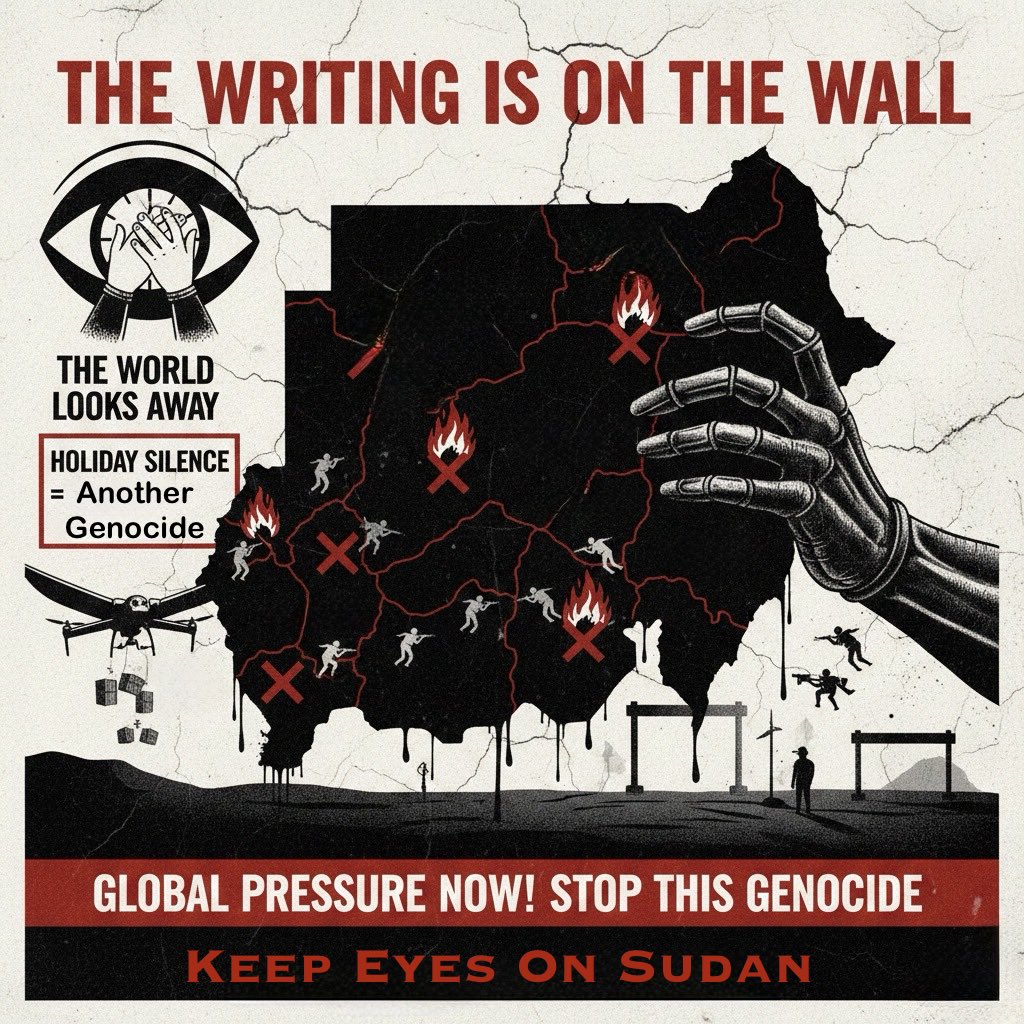
The El Fasher pattern is repeating and so is the world’s silence and inaction. As year-end holidays distract global attention, #UAE & #RSF are preparing a coordinated escalation. Major mobilizations are underway in Ed Damazin, Kadugli, and El Obeid, fueled by Emirati weapons entering via the Ethiopian border. RSF and Ta’asis forces are already massing in Yabus, pointing toward Ed Damazin. This is a clear warning of imminent, coordinated genocide(s). The writing is on the wall. No one will be able to say they did not know. Immediate international pressure on UAE and RSF is crucial to prevent another genocide witnessed in hindsight.