As regulators push for clearer rules around token issuance and custody, compliance becomes a moat, not a barrier.
At LFG Fund, we say: clarity yields confidence. With regulatory headwinds turning tailwinds, it's time to double down on legit on-chain opportunities.
Clearer rules, stronger backbone.
When regulation meets decentralization, that’s when real opportunity emerges.
BTW, @LFG_fund is already scanning for early-stage gems that combine on-chain transparency with long-term resilience.
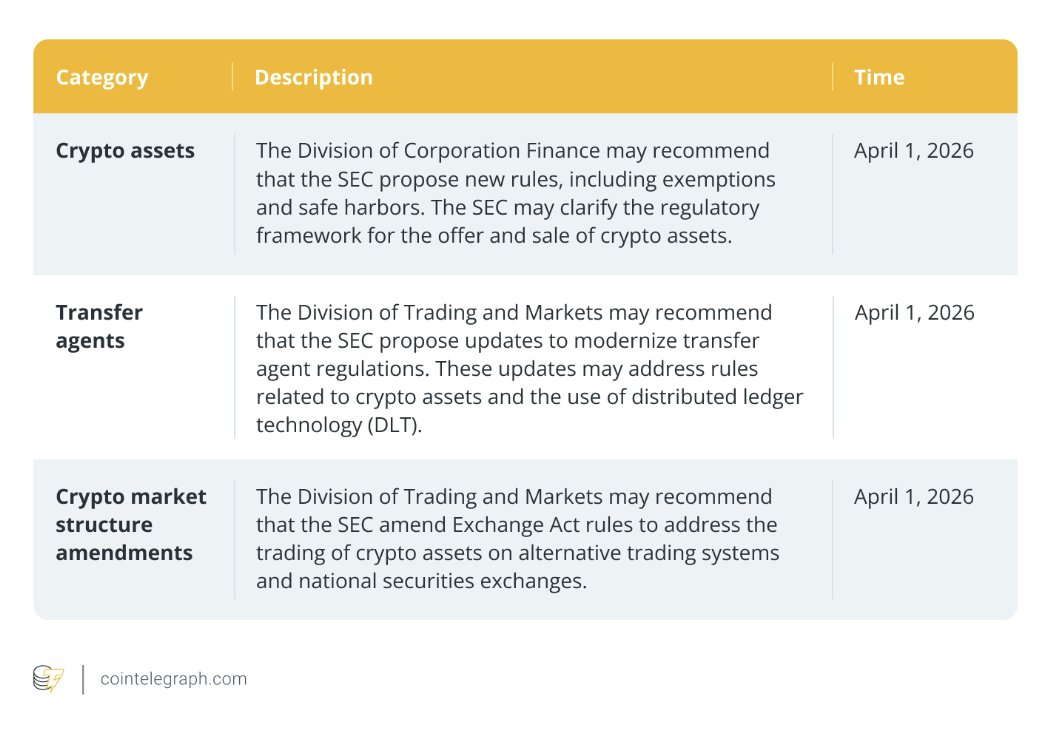
🇺🇸 JUST IN: The SEC’s revised 2025 plan outlines clearer rules and streamlined oversight for digital assets, signaling a major shift toward a structured regulatory framework for crypto.
! @Uniswap ’s users and trading volume, with several newer chain-native DEXs starting to outperform it. For a protocol that once dominated the DEX landscape, this is significant.
But there are a few important points to keep in mind:
1. Brand + Deep Liquidity Still Matter
Despite rising competition, large traders and long-time users still rely on Uniswap for its liquidity depth and trust in the brand.
2. UNI’s Token Economics Are the Real Problem
Without fee sharing and with low governance participation, UNI is stuck in the “protocol earns, token doesn’t” narrative.
3. A Fee Switch Would Change Everything
Many analysts believe that if Uniswap ever activates fee sharing or a new reward model, the valuation narrative for UNI would flip instantly.
What the market lacks right now is clarity.
4.Token Terminal’s takeaway: Efficiency > Legacy
In a multi-chain world where capital moves faster than ever, any protocol that stops innovating will quickly get overtaken.
1) @Uniswap processes more trading volume today than in May 2021, while UNI trades at a lower valuation. Monthly trading volume increased from $38.9B to $116.6B, while UNI’s valuation decreased from $21.7B to $6.8B.
2) Uniswap continues to ship major product upgrades and expand across chains. Releases including v3, v4, UniswapX, the Uniswap Wallet, and @unichain broaden the protocol’s product surface and distribution.
3) Uniswap’s UNIfication proposal (if implemented) introduces direct value accrual to $UNI holders. By activating a fee switch that funds token buybacks, the mechanism links trading activity to UNI demand in a transparent and rules-based way.
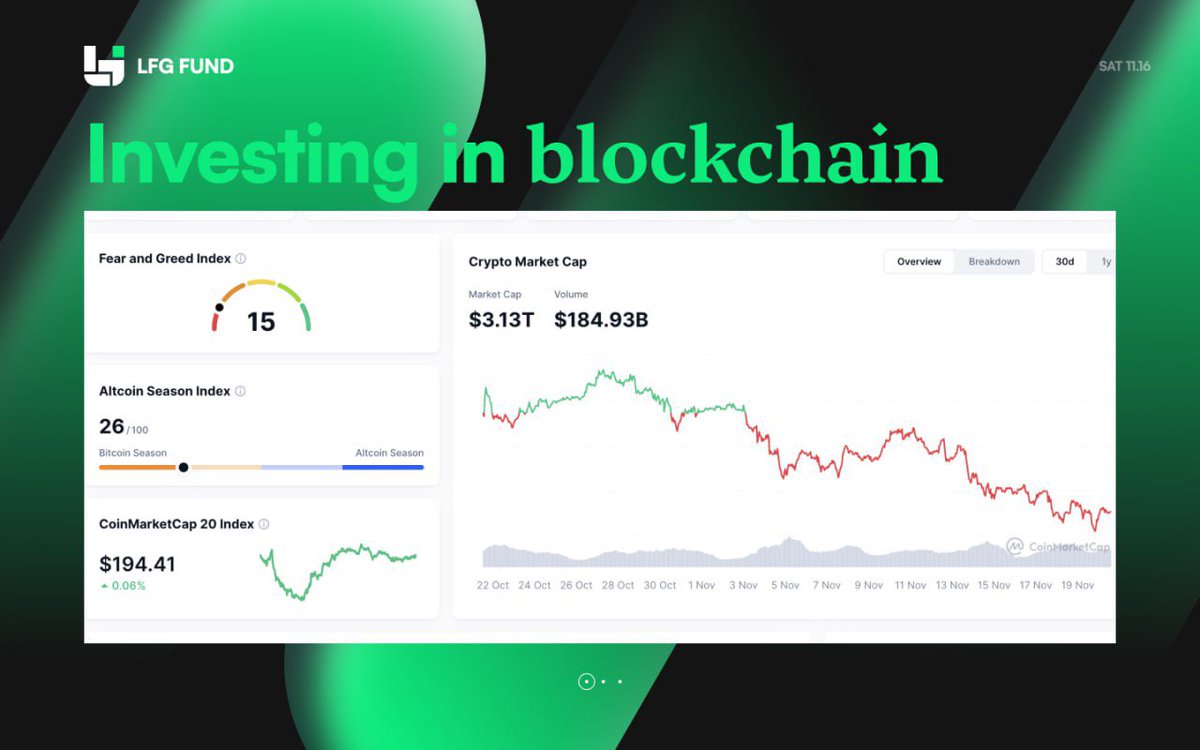
With Fed rate cuts potentially on the horizon, the crypto market is showing signs that a bull run may be taking shape.
Spot Bitcoin & Ethereum ETFs are live, alternative-coin ETFs could be next, and improved UX on chain is closing the Web2 → Web3 gap.
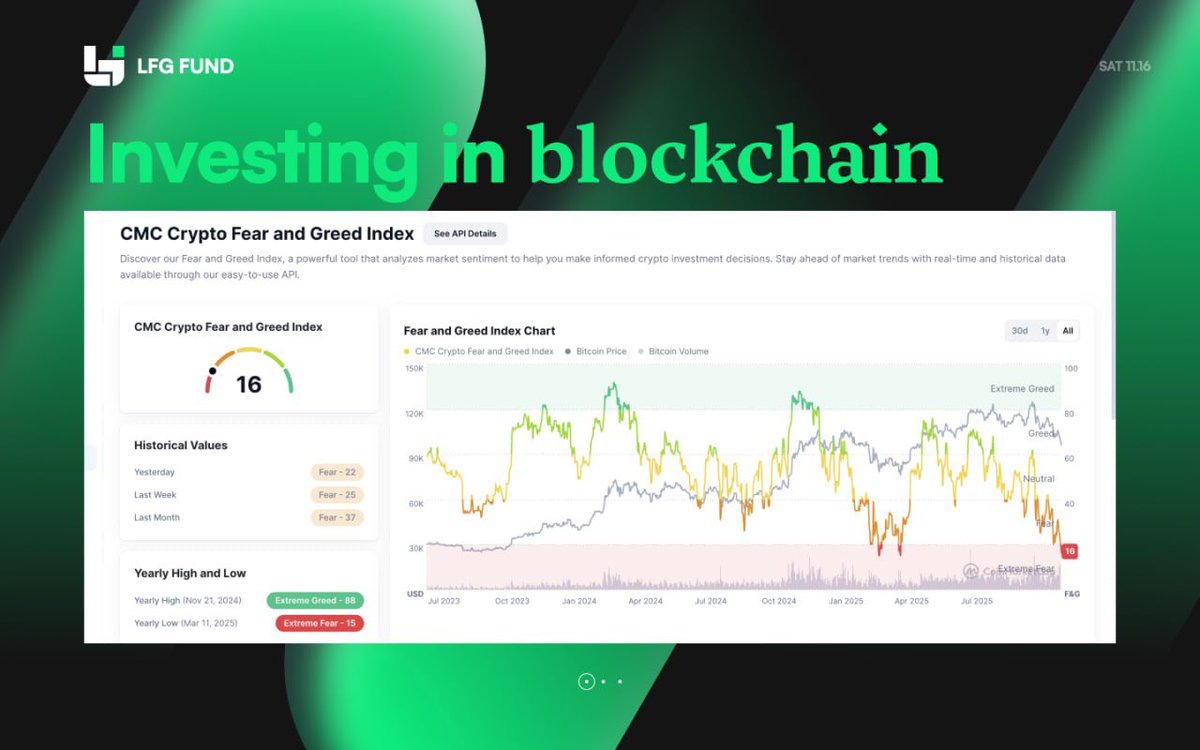
Extreme fear = opportunity? Or a warning?
The Bitcoin market sentiment has dropped to 10, entering “Extreme Fear.”
But here’s the real question:
Has the Fear & Greed Index started to lose its edge?
Why the indicator might be getting less effective
1. Market structure has evolved
The index was created during a very different era of crypto.
With new participants, new liquidity structures, and new macro factors, old sentiment patterns may no longer apply.
2. The indicator is now widely watched
When everyone treats “10 = buy,” the signal can get front-run or exaggerated.
Extreme fear might simply reflect ongoing downside momentum—not necessarily a reversal.
3. Weakening underlying logic
Historically, extreme fear hinted at accumulation zones.
Today, if technicals or fundamentals are weak, fear can mark the start of deeper drawdowns instead of the end.
So how should we interpret this drop to 10?
- Extreme fear shows deep uncertainty across the market.
- But “10 = bottom” is not a formula.
- Pair sentiment with on-chain data, funding flows, macro risk, and trend structure.
- For long-term builders or allocators: this may be a moment worth watching — with disciplined risk management.
- For short-term traders: extreme fear + weak momentum can signal more downside ahead.
“Fear is a signal — not a shortcut. There’s no bottom without structure, and no conviction without risk management.”
#LFG #Web3 #BTC #CryptoSentiment #FearAndGreed