This LIDISKI account was created and maintained with the financial support of the European Union. Its contents are the sole responsibility of LIDISKI and do not necessarily reflect the views of the European Union.
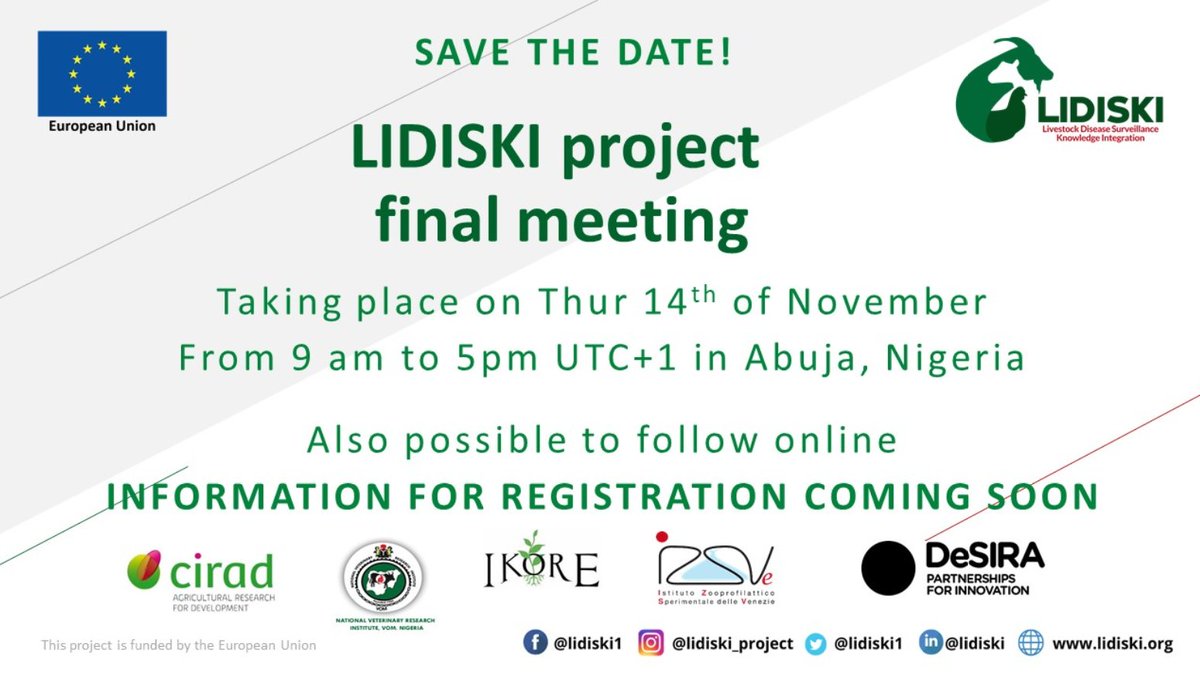
3 weeks to go!
Be part of this event where key insights and recommendations for future activities on the surveillance and control of #Livestock#diseases will be shared with livestock value chain actors. Register here https://t.co/HxWzwmE9mC
4 Weeks to the LIDISKI Close-Out Event!
Join us on the 14th of November as we celebrate the success of this initiative, highlight key achievements, and discuss the future of livestock disease surveillance.
Stay tuned for more updates on how you can participate!
#LIDISKI@WOAH
In the Western region of Nigeria, most outbreaks occurred between January and March, with a secondary peak in November. In contrast, in the Northern region, the highest number of outbreaks was observed from November to January.
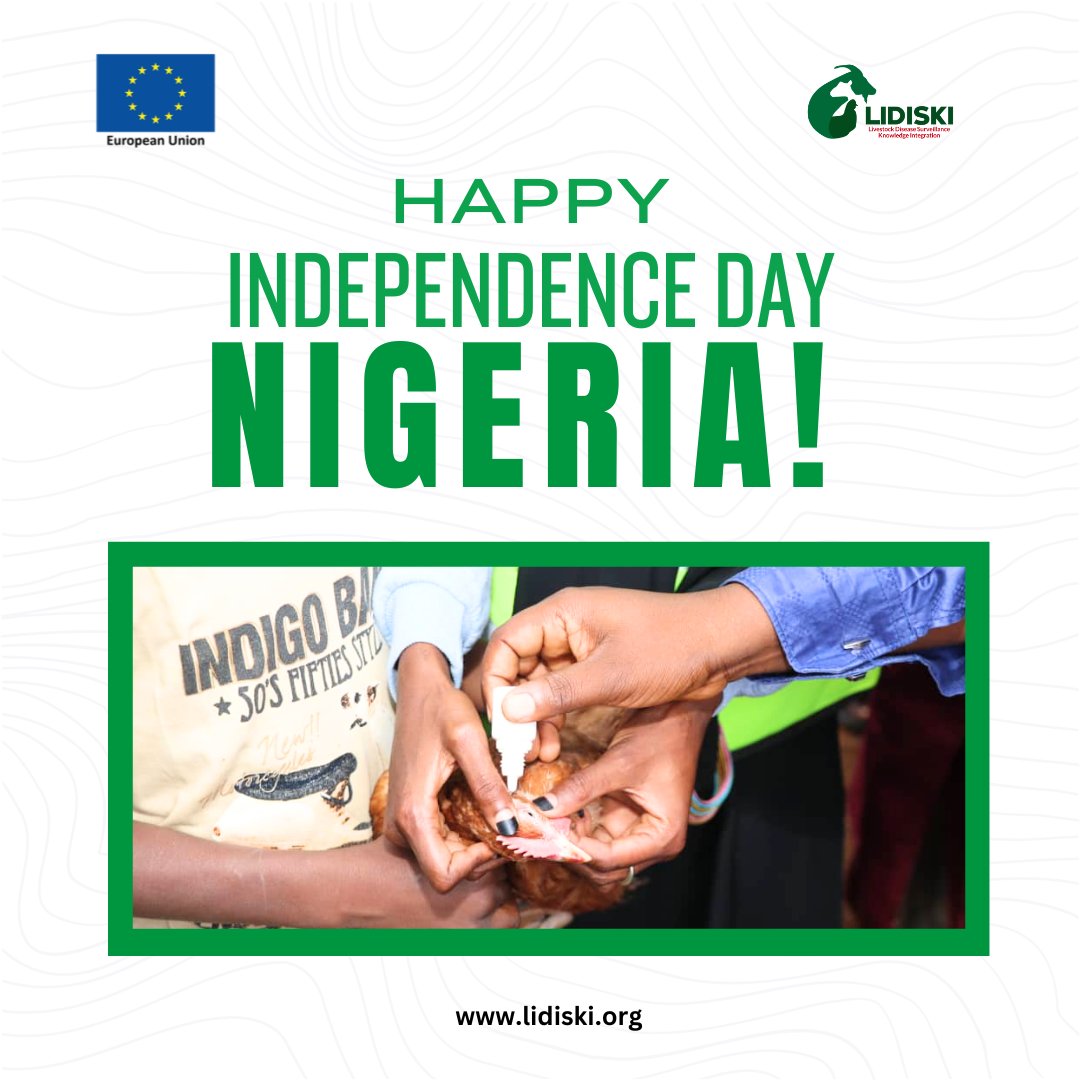
Have your livestock or birds been vaccinated?
2 days to go!
Establishing the channels for vaccine access and other veterinary input, has unleashed high level demand existing in rural communities.
Find out more in this coming webinar
Register now https://t.co/jc7Fai7I5C
The LIDISKI project is hosting an experience-sharing webinar to discuss the milestones achieved and the lessons learned.
Date: 6th November, 2023
Time: 1 p.m. WAT
Register to attend: https://t.co/XRr44mgcql
Technological issues can significantly impact animal disease reporting, surveillance, and control efforts, especially in remote areas. LIDISKI provided phones and training support on the use of Open Data Kit and communication platforms that are adapted to the rural context.
Peste des petits ruminants #PPR causes almost $2 billion in damage each year in Nigeria, while #NewcastleDisease, which is very virulent, can wipe out entire flocks of chickens.
https://t.co/tqITii0ryQ
A study done by a student funded by the LIDISKI project revealed the virus responsible for Peste des petits ruminants is widely circulating in Plateau state, with some LGAs serving as hotspots. The immunity of the animal population is low to stop spread.
https://t.co/d8J582FQ2T
LIDISKI's activities underscore the essentiality of reporting Peste des petits ruminants and Newcastle disease suspicions as it helps to identify key issues in animal health and helps the major stakeholders take the right action, particularly in rural areas.
#animalhealth
Assessing the role of livestock mobility and networks in the control of PPR in Plateau, Bauchi and Kano States.
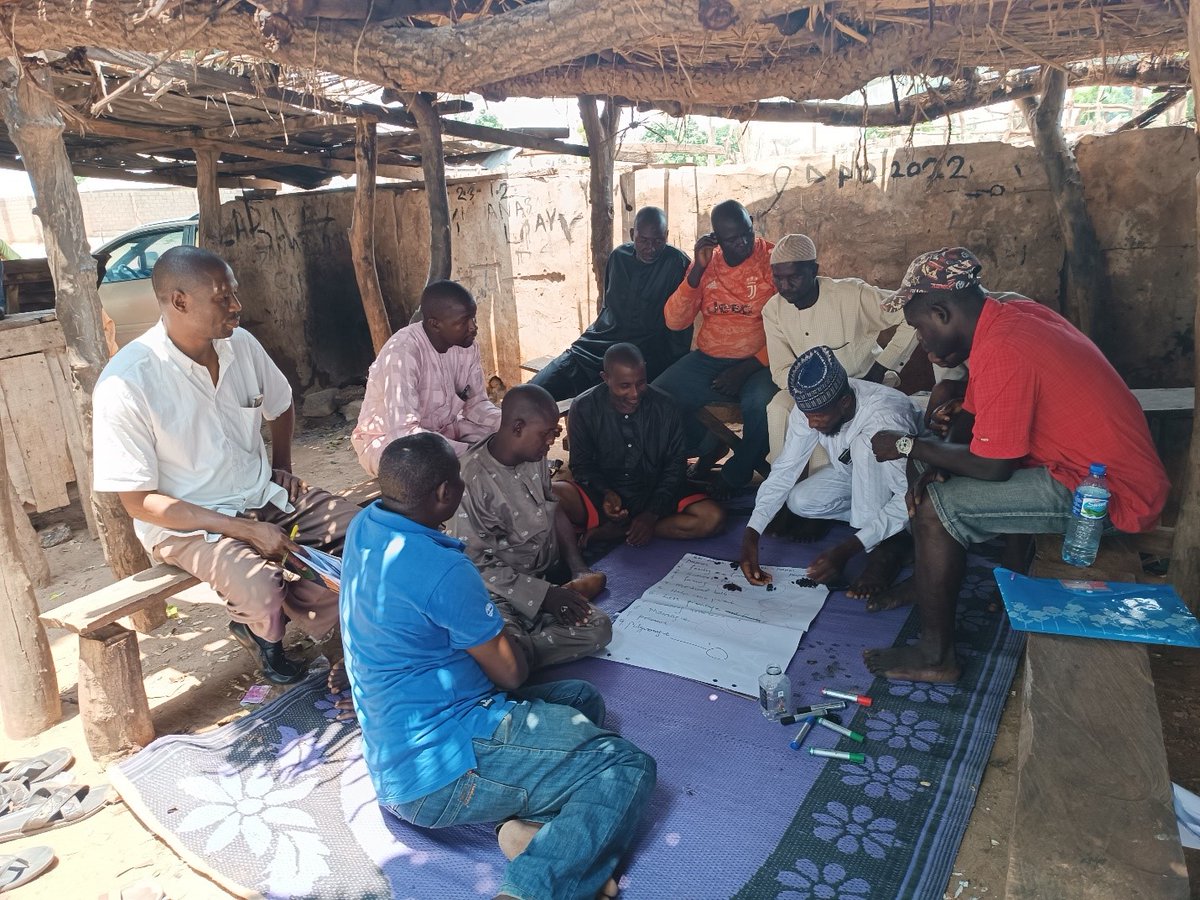
In 2022, the animal mobility team conducted a survey. Focus group discussions were conducted with market traders, transporters, and transhumance herders. #animalhealth
Master and PhD students from the @nvrivom and @infoabu2014 Ahmadu Bello University, Zaria are currently analyzing data from a survey on the epidemiology and socio-economic impact of Peste des petits ruminants (PPR) and Newcastle Disease (ND).
Visit https://t.co/3Q3TVWUS33
We celebrate the huge participation of women in the LIDISKI project. By engaging women in disease surveillance, vaccination campaigns, and community animal health service delivery, LIDISKI recognizes their crucial role in safeguarding livestock and improving livelihoods.
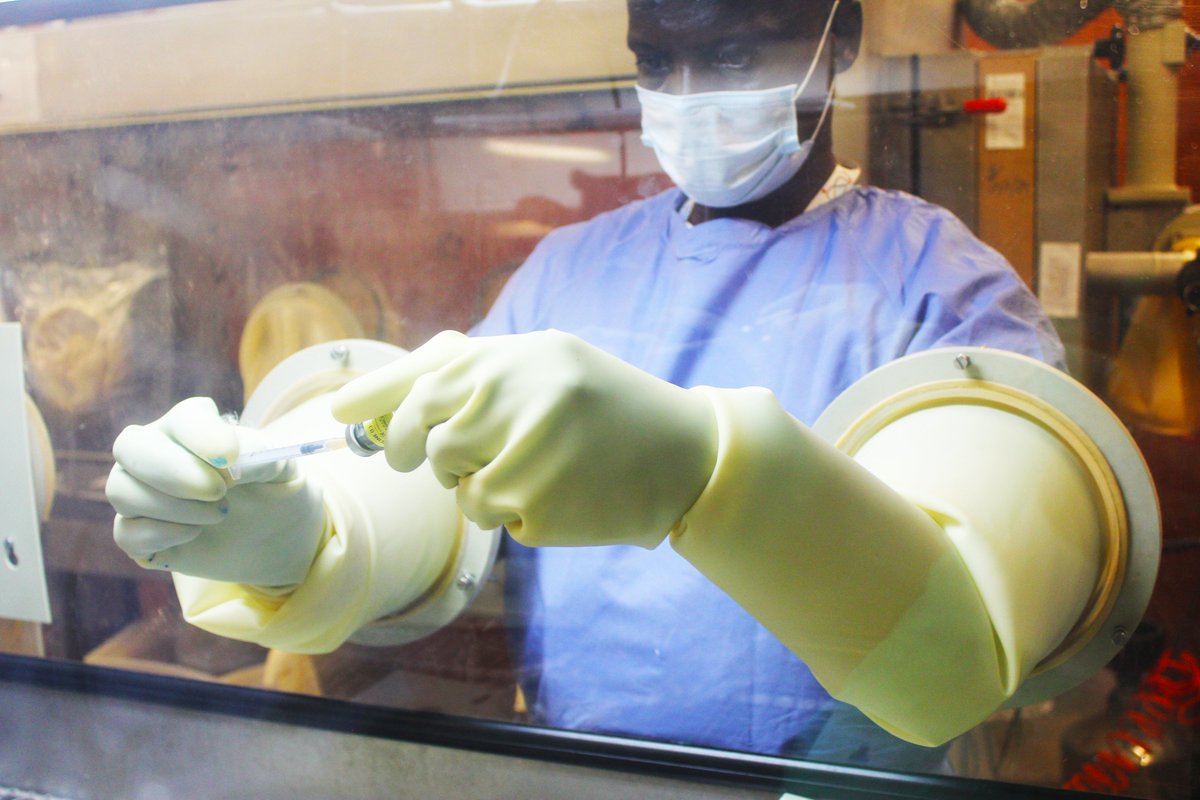
All year round, incessant outbreaks of Newcastle disease (ND) in poultry occur across Nigeria, resulting in huge economic losses. To identify the best vaccination strategy, the efficacy of the ND vaccines currently produced were tested.
#vaccines#animalhealth#diseaseprevention