🇺🇸 A phrase is going viral in China right now: “the US kill line” and it isn’t propaganda, it’s a metaphor that finally names a reality Americans have lived with for years.
In gaming, a kill line is the point where defence no longer matters. Cross it and one hit ends you. Applied to the US economy, it describes a society where millions are just one shock away from irreversible collapse.
Illness, job loss, a missed paycheck or a medical bill are just some examples.
Below that line, the system doesn’t help you recover, it accelerates your fall.
This isn’t a theory, by late 2025:
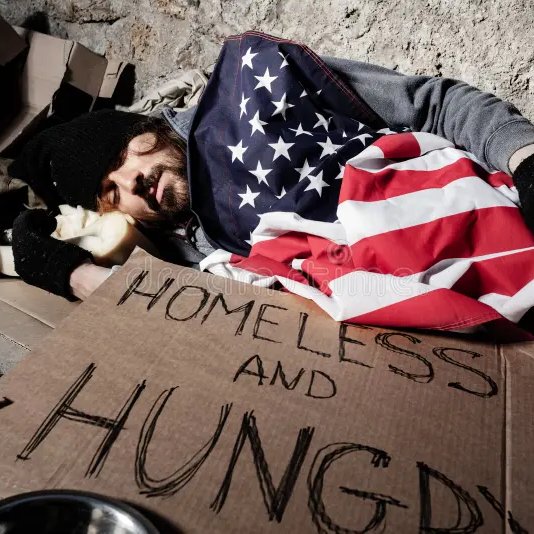
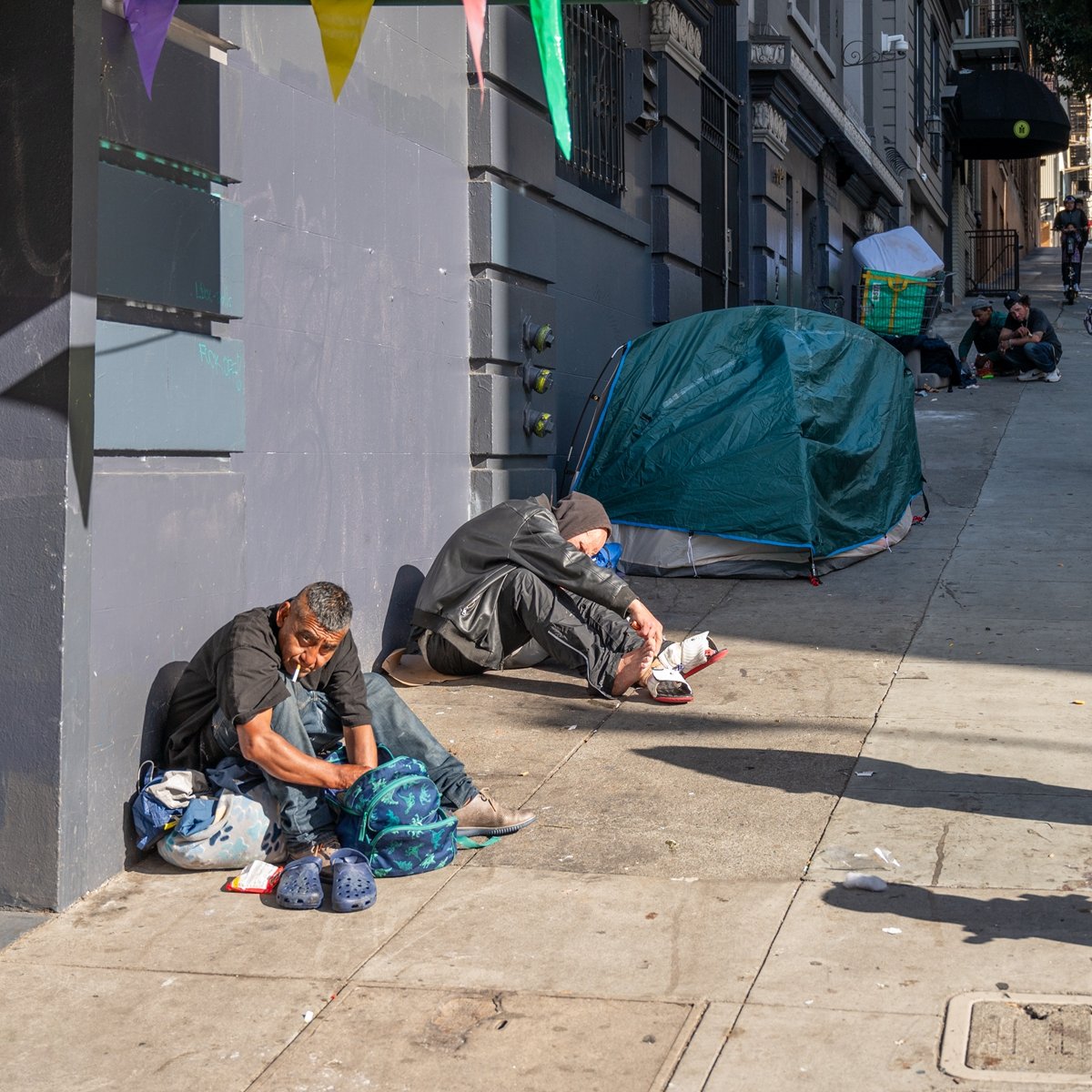
• Over 770,000 people are homeless
• Only 30% can access temporary shelters
• 40+ million rely on food assistance
• 30 million have no health insurance
• 37% of adults can’t raise $400 in an emergency
That’s not poverty in the traditional sense, that’s fragility engineered into the system.
The “kill line” matters because once you fall below it in the United States, recovery becomes structurally difficult.
Lose your job, then lose your address
Lose your address, then you can’t receive welfare
No address, then you can’t get hired
No car, then you can’t commute
No credit, then you can’t rent
This is a closed loop, not a safety net.
Americans even have a formal term for it: Asset Limited, Income Constrained, Employed (ALICE).
You’re above the official poverty line, but below the real cost of living.
Believe it or not, in 2023, 42% of US households were already there.
This is where the so called K-shaped economy kicks in.
Not sure what the K-shaped economy is? Read on…
At the top: exploding asset prices, tax optimisation, political access.
At the bottom: inflation, debt, layoffs, shrinking welfare.
The richest 1% now hold more wealth than the bottom 90% combined, yet often pay lower effective tax rates than ordinary workers. Everyone knows this, but are either in denial or ignorant to it.
This isn’t an accident. It’s the result of money and policy being tightly fused.
I’ve said this before and I’ll say it again: The US system doesn’t just tolerate inequality, it relies on it. Very much the same way that it relies on war.
You can see the social consequences everywhere:
• Mass protests
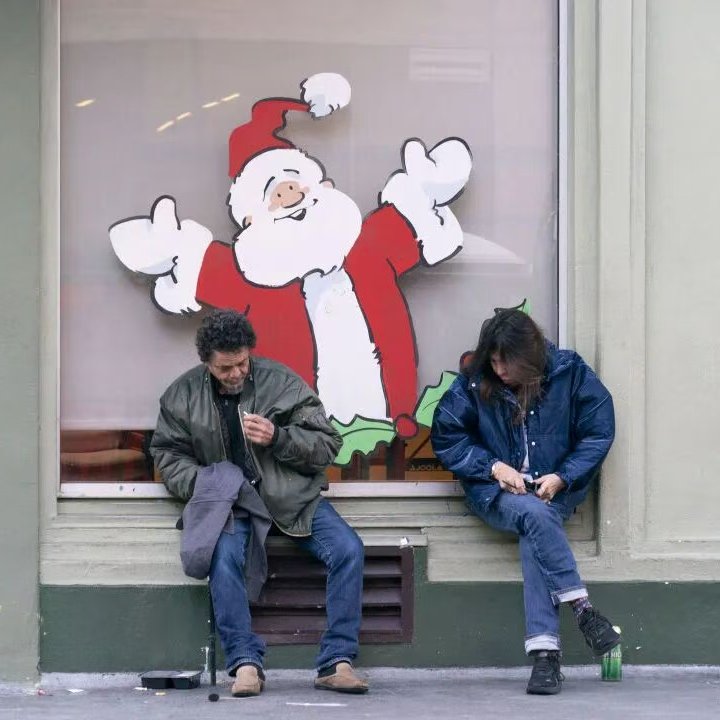
• Criminalisation and alienation of homelessness
• Benches designed to repel homeless people
• Cities debating “drug rooms” instead of housing
• People dying quietly out of sight
That’s what “social Darwinism” looks like when it’s fused into institutions.
The Western media hates to discuss this. as if this topic is taboo. But it needs to be discussed.
Let me make this crystal clear: this will never happen in China. Not because people are magically richer, but because the system is designed differently.
The Chinese Government actually works for the people.
Here in China:
• Extreme poverty was systematically eradicated (800+ million raised out of poverty)
• Universal medical insurance exists in multiple tiers
• Housing support is embedded in local governance
• Income redistribution isn’t left to charity
• Local officials are evaluated on social stability, not donor satisfaction
People can fall, but they don’t disappear and there is no institutionalised kill line. That’s the difference.
You can hate on China all you like, but you cannot change the fact that one system treats human beings as inputs, while the other treats social survival as a governance responsibility.
No system ever fixes itself by pretending the damage is normal. Until the kill line is acknowledged as a design flaw, not a personal failure, the problem will continue.