The security guys killed Charlie Kirk; in this video, we can see how they get rid of the evidence of the crime.
None of them covered for another shot or looked for the shooter because they blew Charlie up with a bomb in his mic.
HOLY SHIT this is fucking wild.....
Why are early Bolshevik concentration camps never discussed?
Because acknowledging them destroys the preferred timeline and moral hierarchy.
The early Bolshevik concentration camps (1918–mid-1920s) are almost never taught, filmed, or ritualized in the West for the same structural reasons we’ve been tracing the whole time:
1. They break the “Nazis invented it” story
Popular Western education and media still treat concentration camps as a Nazi innovation. The moment you note that the Cheka, Trotsky, and Lenin were running kontslageri in 1918 — complete with forced labor, hostages, class-enemy categories, and high mortality — the uniqueness claim collapses. The Nazis studied and adapted existing models (including Soviet ones). That fact is toxic to the official narrative, so it is simply omitted.
2. It implicates the “good” Bolsheviks
The clean version of history likes to start Soviet mass repression with Stalin in the 1930s. Lenin and Trotsky can then be framed as idealistic revolutionaries whose project was later “betrayed.” Early camps, Red Terror decrees, and the explicit use of concentration camps for class liquidation make that separation impossible. The original leadership built the system. Mentioning it forces an honest look at the entire Bolshevik project rather than a Stalin-only pathology.
3. It collides with the post-1945 moral operating system
After 1945 the Western cultural institutions that control textbooks, museums, documentaries, and prestige media locked in a hierarchy: Nazi crimes = sacred, unique, permanent warning; Communist crimes = complicated, contextual, secondary. Early Bolshevik camps sit at the root of the Communist system. Elevating them would require treating the Soviet ally of WWII as a pioneer of the same methods later used by the enemy. That was politically inconvenient then and remains ideologically inconvenient now.
4. Institutional incentives
Academia and media lean heavily Bolshevik.
Discussing Lenin-era camps in the same register as Auschwitz risks the charge of “equating” or “whataboutism.”
Holocaust education is mandated and funded; equivalent attention to 1918–1923 Soviet camps is not.
The people who staff these institutions inherited a tradition that treated early Soviet violence as regrettable wartime excess rather than foundational policy.
The camps existed. The Bolsheviks named them concentration camps, expanded them, and used them for political and class repression from the first year of their rule.
They are the direct ancestors of the Gulag. They are rarely discussed because the institutions that decide what counts as important history have stronger incentives to keep the spotlight fixed elsewhere.
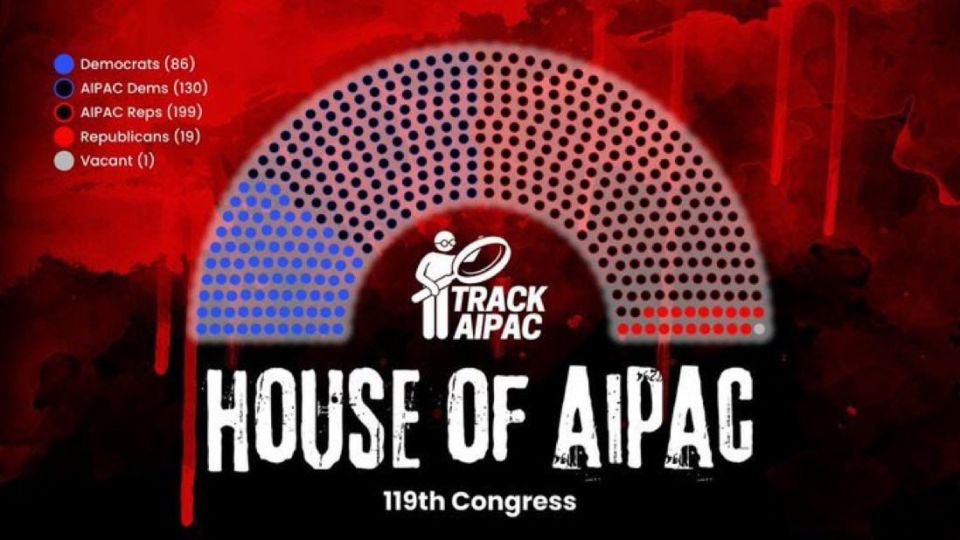
@ByronDonalds@ChipLaMarca AIPAC candidate supporting another AIPAC candidate. AIPAC Byron must be stopped. Spread the word. We cannot allow foreign nations to buy another seat.