16 years old, student in Beijing🇨🇳
📸 Landscape & still life photographer
Gear: DJI Mavic3 Pro | Sony A7R5
Capture the beauty of my country through my lens✨
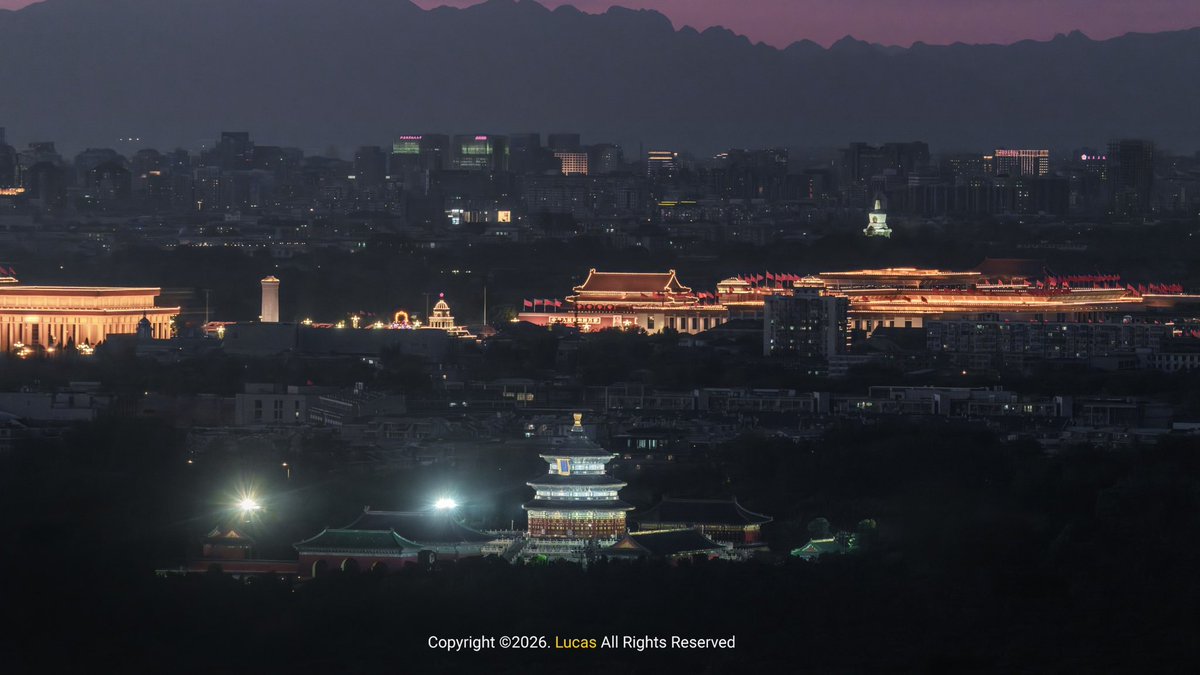
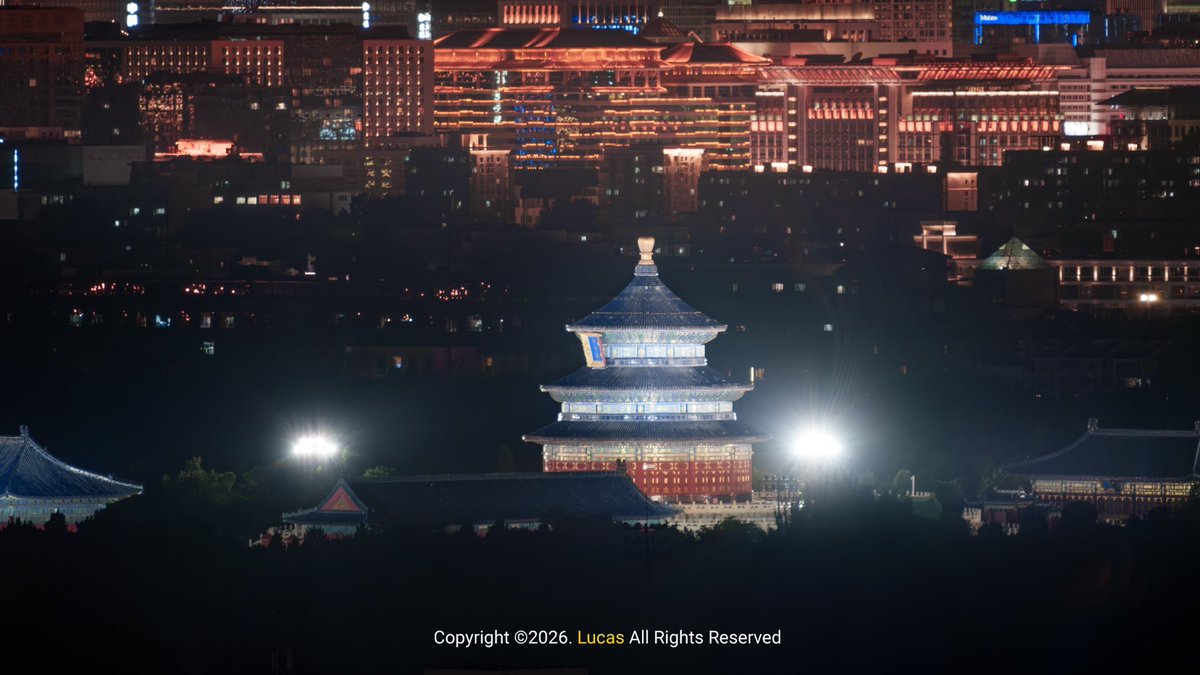
This is a photograph taken during this year’s National Day holiday, and it is deeply thought-provoking. The Temple of Heaven was once an altar of imperial rule in the feudal era, where emperors claimed that their authority came from Heaven; Tiananmen, meanwhile, stands today as the face of a society in which the people are masters of their own country.
Six hundred years ago, Tiananmen was called Chengtianmen, the “Gate of Receiving the Mandate of Heaven,” from which emperors proclaimed their will to the world. Six hundred years later, it is known as Tiananmen, and the people look up at the national flag beneath it. Five hundred years ago, the Temple of Heaven was a sacred site reserved exclusively for emperors; five hundred years later, it has become a public garden open to everyone.
In the past, solemnity belonged to the few; today, it belongs to all.
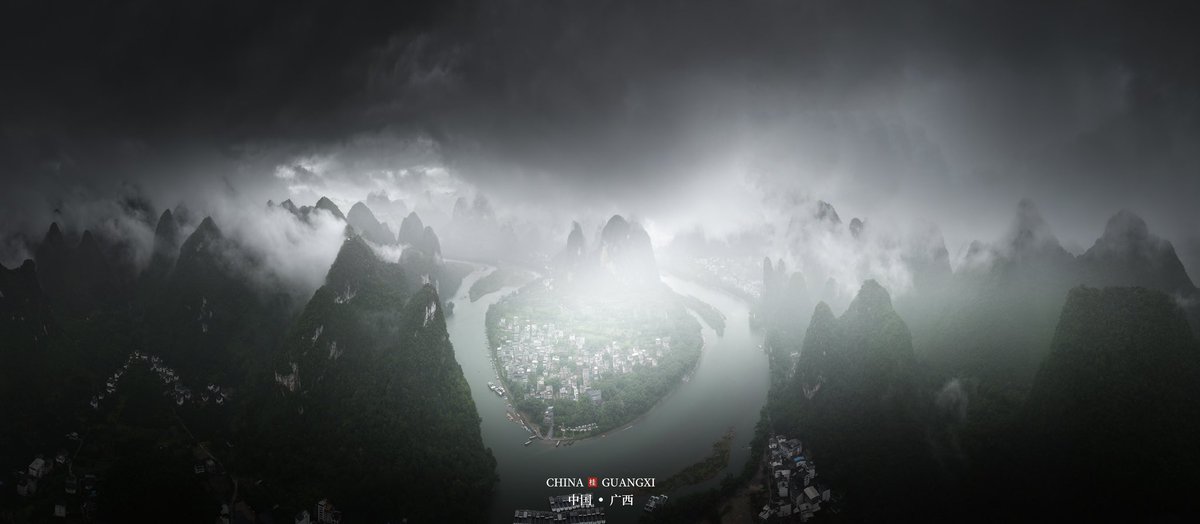
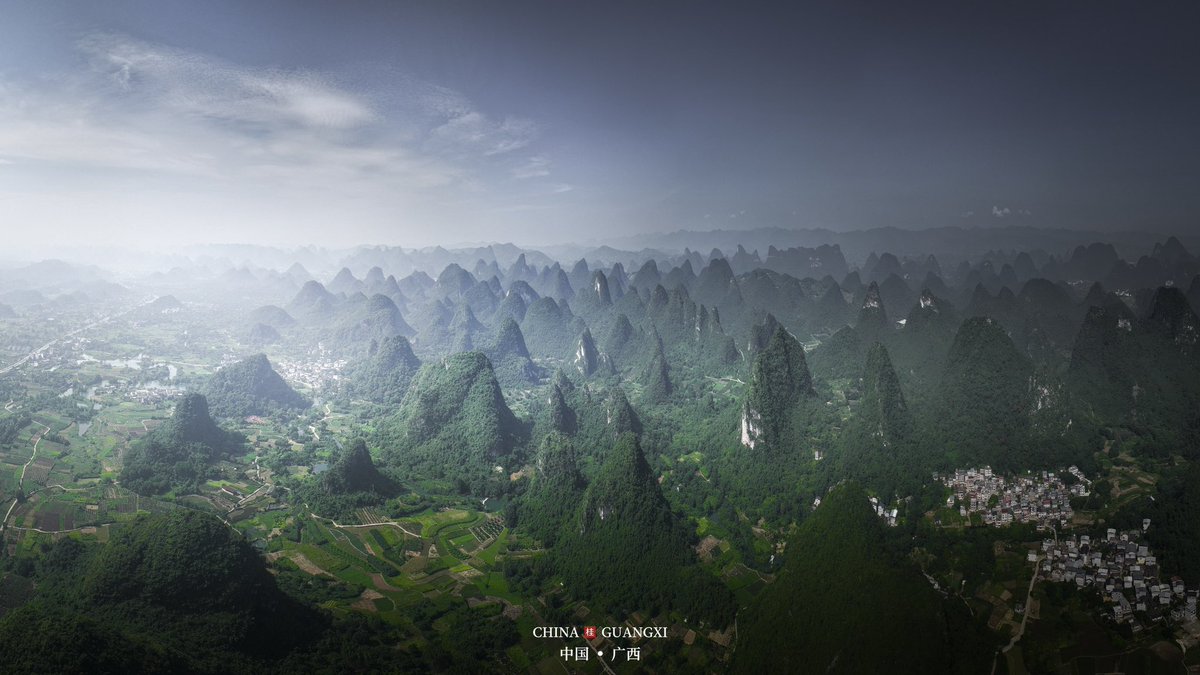
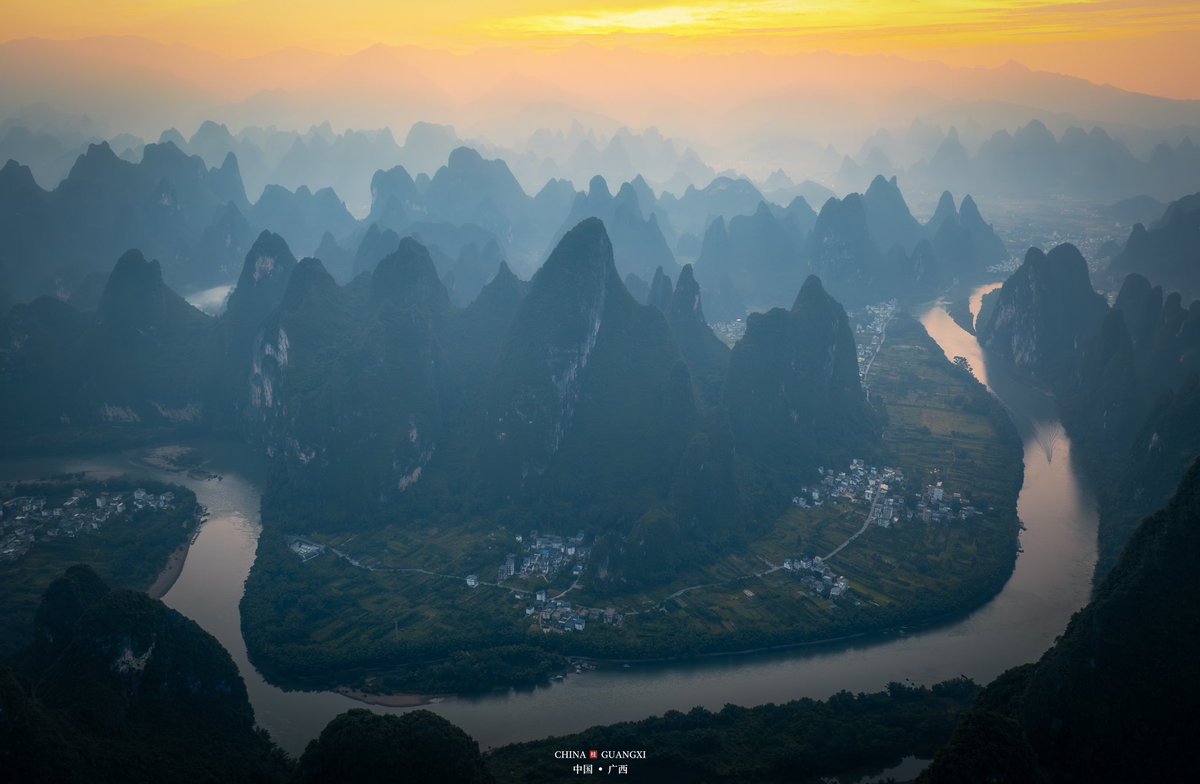
Wrapped in hazy mist and brooding, heavy overcast skies, I captured this dreamlike, ethereal karst landscape of Yangshuo, Guangxi. Towering, lush‑cloaked limestone peaks rise sharply and dramatically from the ground, their jagged rocky silhouettes partially veiled by slow‑drifting clouds and wispy fine fog that softens the outline of every distant mountain ridge. The sinuous Li River winds gracefully between these dramatic formations, its calm, grey‑toned waters snaking gently past quiet riverside towns, neat clusters of low‑rise buildings, patchwork green farmlands and thick, vibrant bamboo groves. Some of my shots are sweeping high‑angle panoramic views, revealing endless ranks of sharp karst summits stretching far beyond the hazy horizon, while others centre on small settlements nestling peacefully right beside the winding waterway. The overall mood is wonderfully serene and deeply atmospheric; heavy clouds hang low above the valley, casting muted, cool soft light across every corner of this vast terrain. There is a quiet, timeless magic woven throughout these scenes, blending magnificent raw natural grandeur with subtle, gentle signs of human habitation. They perfectly embody the legendary poetic beauty of China’s Guilin‑Yangshuo region, where towering mountains and meandering rivers seamlessly weave together an ethereal, living traditional Chinese landscape painting.
When Xu Xiake visited Yangshuo, he wrote that the landscape “clustered into a world of green lotuses and jade bamboo shoots.”
Standing here four centuries later, I finally understand why he compared the peak forest to lotuses and jade shoots. In Yangshuo, dawn unfolds like an ink wash painting, noon glows in vivid emerald, and dusk turns the peaks into silhouettes. These mountains rise straight out of the water, rounded like lotus blooms and sharply tapered like jade spikes.
After seeing the scenery of Yangshuo, I realize that traditional Chinese ink painting is not merely freehand expression — it is rooted in reality.
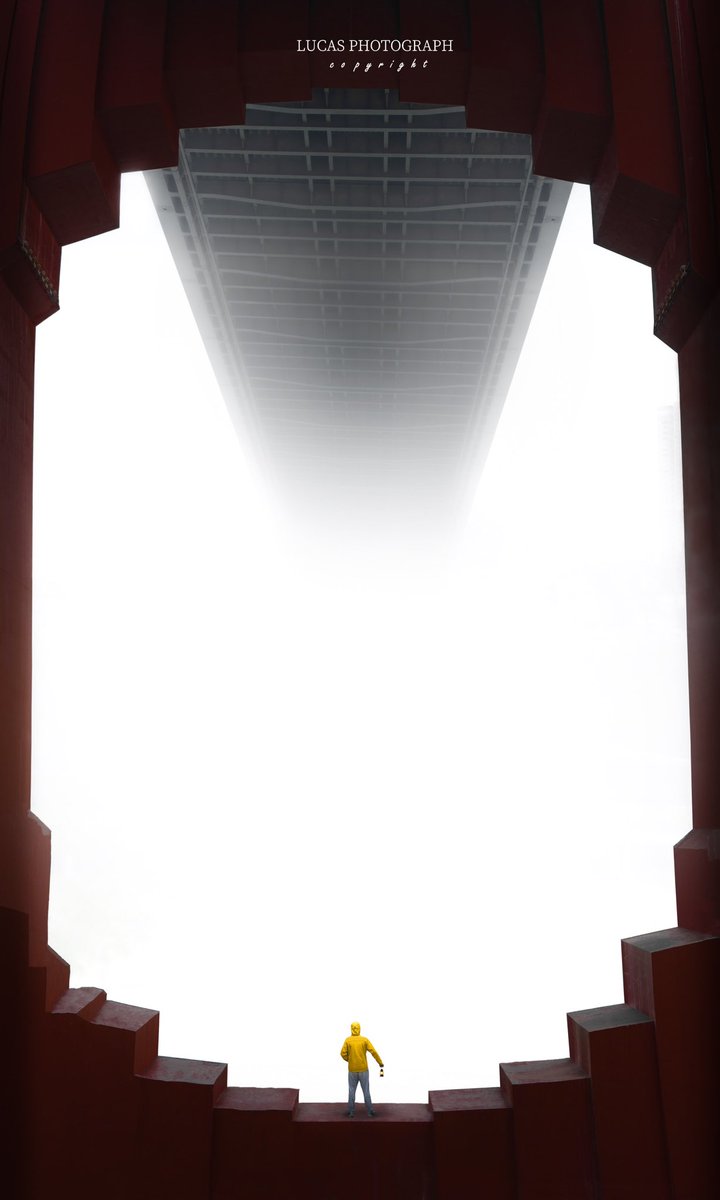
Ultimate Humanity Within the Industrial Era — Photographed at Hongyancun Bridge, Liangjiang New Area, Chongqing
I stand alone beside the Jialing River, on this structure that feels like a gate veiled in thick mist. Confronted by the endless, hazy white fog that blurs the boundary between sky and water, I am struck by the powerful contrast between the rigid, all-encompassing order of industrial civilization and the individual human being.
The overwhelming magnitude of the sprawling metropolis, set against the quiet smallness of a single person, finds its most tranquil reconciliation right at this very instant.
Beijing Folding
I’ve hardly seen a newsstand lately. At blue hour, two eras fit into one frame: one of printed papers and slow old days, the other of lit office towers and the city’s fast pace. Though close, they live in different urban time zones.