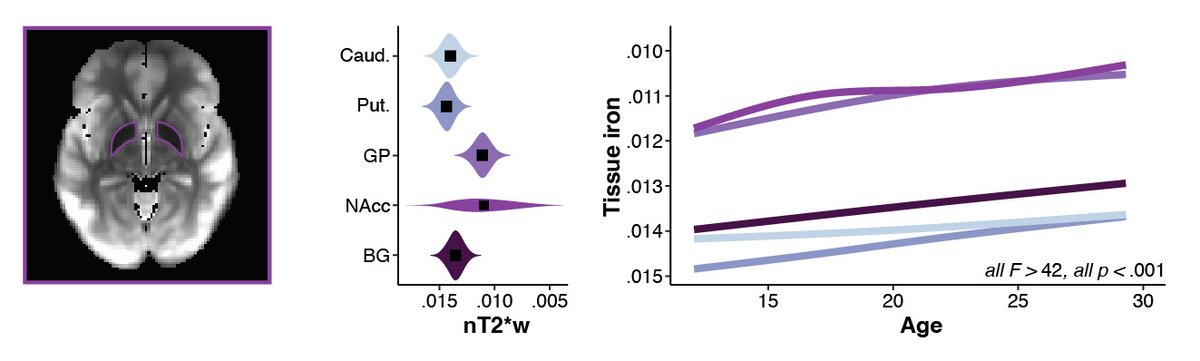
Why is tissue iron important?
Basal ganglia iron supports multiple aspects of DA function and is increasingly recognized as an indirect marker of DA-related neurobiology.
Prior work has linked adolescent increases in tissue iron to both reward processes and cognitive development.
Critically, these differences were detectable early in adolescence - before substantial substance use had occurred.
That suggests they may represent developmental markers that precede substance use, rather than consequences of use itself.
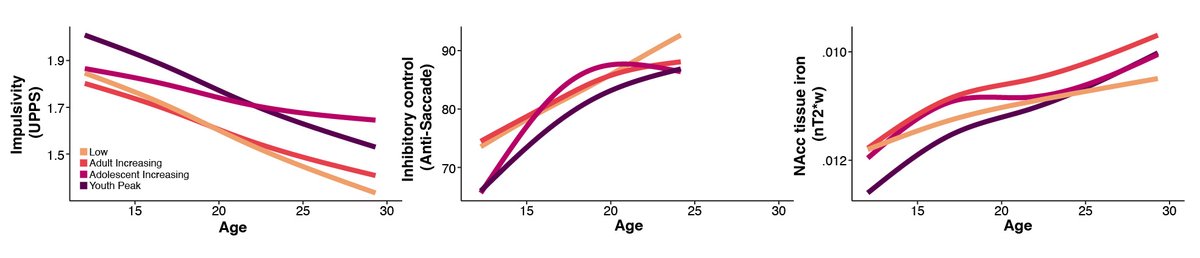
Relative to other groups, the "youth peak" group had the highest impulsivity, somewhat lower inhibitory control, and most notably, lowest tissue iron in the nucleus accumbens, a region central to reward processing and risk-taking behavior.
3. An ‘adult increasing’ group that showed minimal use in adolescence followed by linear increases into adulthood
4. A ‘low- or no-use’ group, reflecting a substantial proportion of youth who are abstaining from substance use
1. A ‘youth peak’ group that showed the earliest, most rapid increases in use followed by age-related declines in the mid-twenties.
2. An ‘adolescent increasing’ group that showed steep linear increases in use beginning in adolescence
Across the full sample, substance use increased in adolescence, peaked in young adulthood, and then generally stabilized or declined into the mid-twenties.
But not all youth followed the same path.
Using growth mixture models, we identified 4 distinct substance use trajectories.
We tracked substance use, impulsivity, inhibitory control, and a non-invasive MRI measure of basal ganglia tissue iron-a marker linked to dopamine-related neurobiology.
Importantly, these measures were tracked longitudinally (up to 9 years) across development in youth age 12 – 30
What drives youth substance use (SU) and what distinguishes youth-limited patterns from those that continue to escalate into adulthood?
We followed >800 youth across adolescence into adulthood in the NCANDA-A cohort.
In Nat. Commun.: https://t.co/yl89gyZSUg
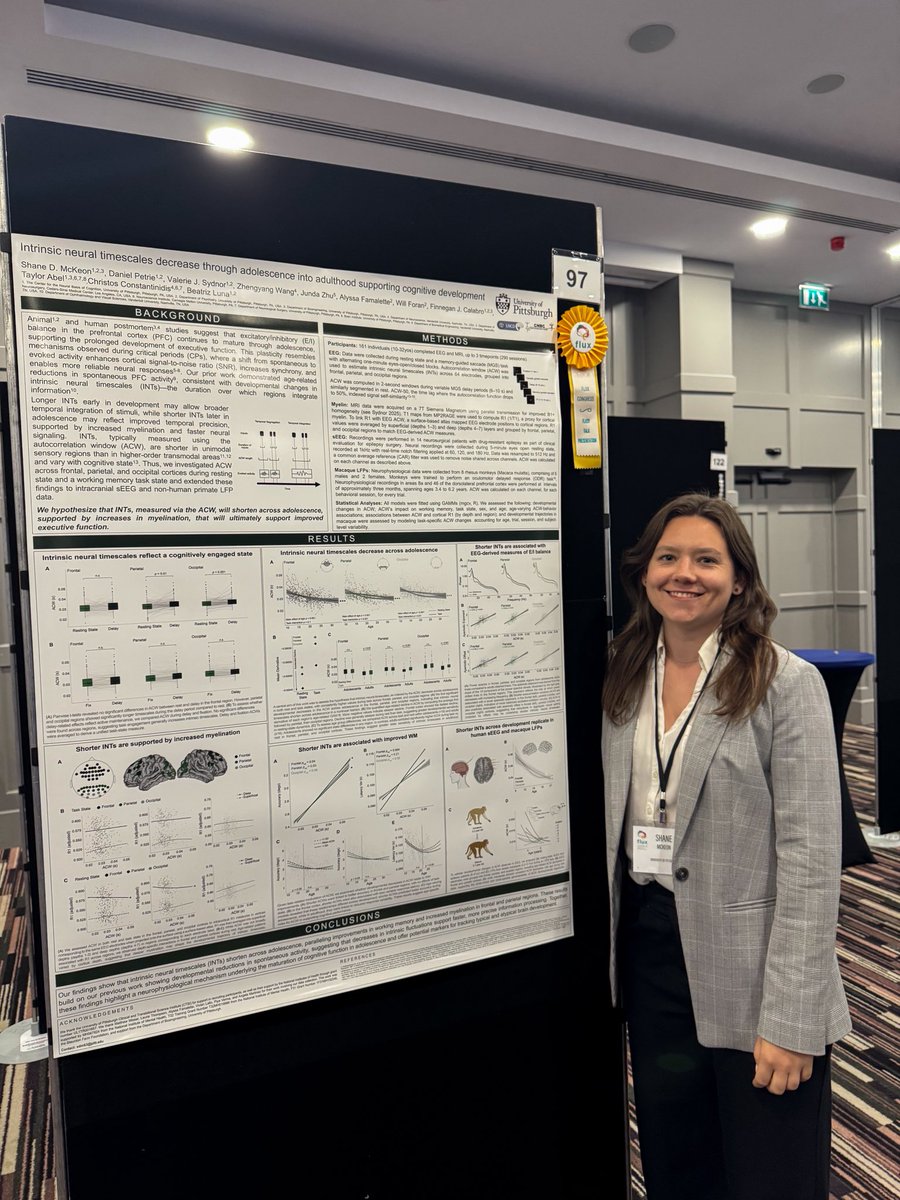
NEW PREPRINT ALERT !! Check out the latest work from postdoc @ShaneMcKeon2 entitled "Cross-species evidence for the refinement of intrinsic neural timescales supporting executive system maturation through adolescence" https://t.co/Gl7u1AVBPZ
Highlight
Ultra-high-field 7 T fMRI was used to segment amygdala nuclei
Fronto-amygdala functional connections develop along distinct trajectories
Age-related connections relate to affective and cognitive control
Amygdala nuclei exhibit developmental and functional specialization
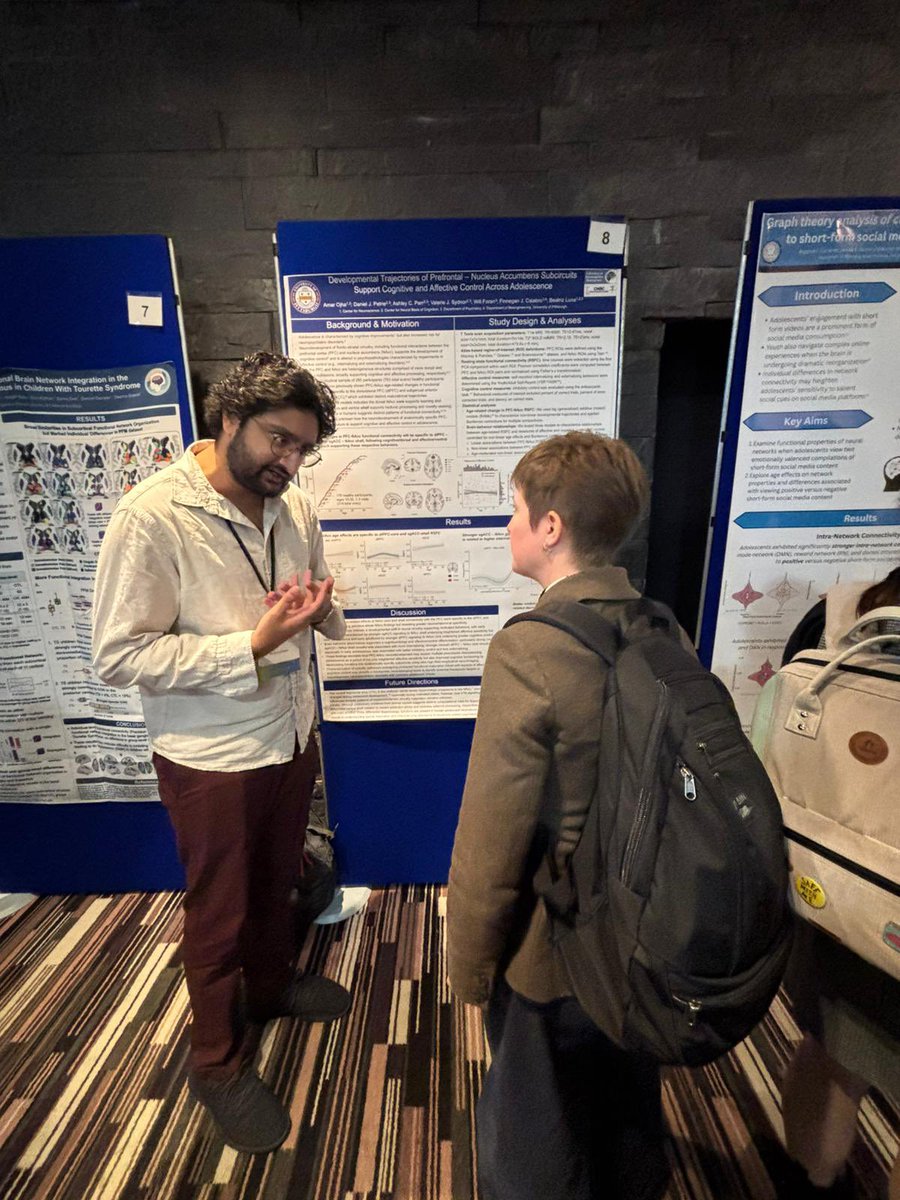
NEW PAPER ALERT! Check out the recent work of Amar Ojha entitled "Human amygdala nuclei show distinct developmental trajectories from adolescence to adulthood in functional integration with prefrontal circuitry" now out in Cell Reports https://t.co/KZIQRy9ceR