Clarity in notes 101::
“History of" = No longer present (in coding language). Ex: “history of diabetes.” Is their diabetes really no longer present?
“With” = Still active. “Patient with diabetes” is better.
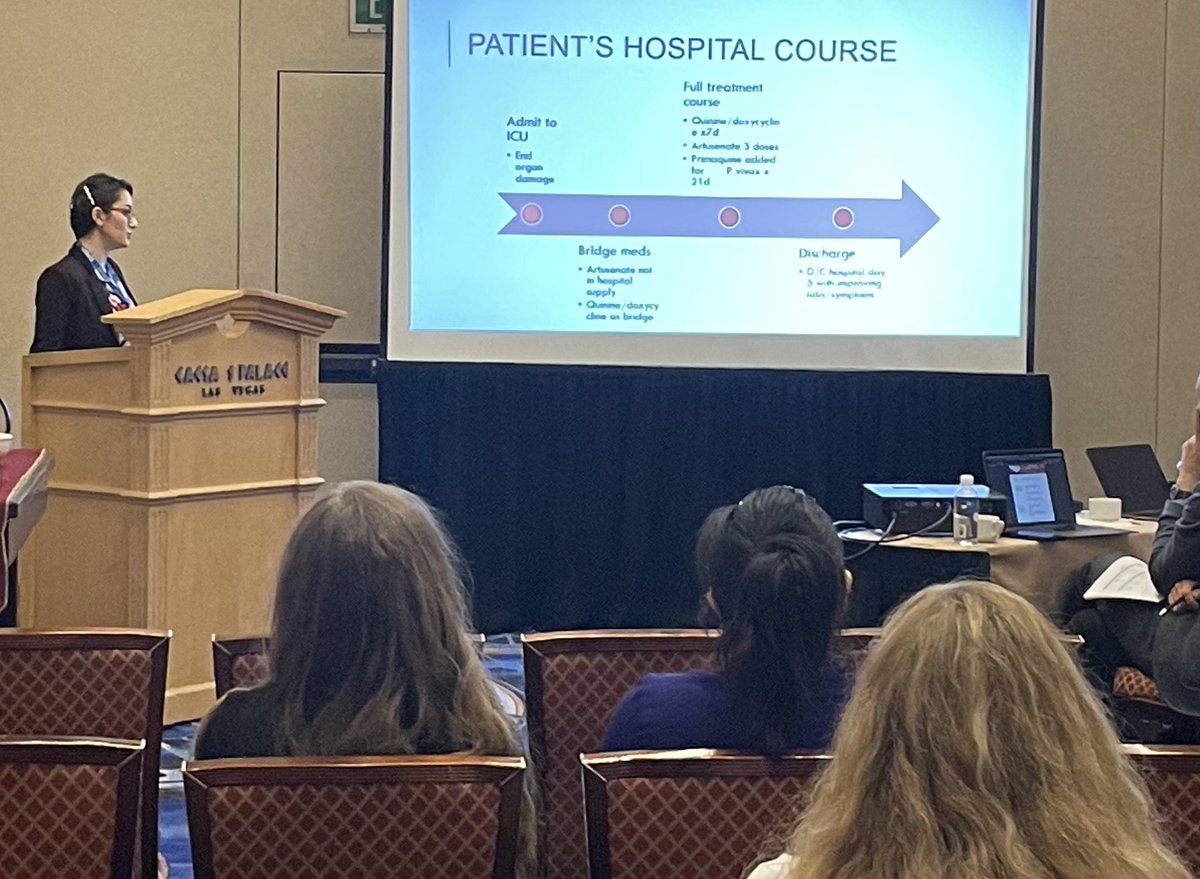
Huge thanks to the talented @jaseltzer88 for giving us an amazing talk on high-dose insulin therapy at our combined critical care lecture today! @UCSDEMResidency@ucsdpccm
Grit
This one’s a non-negotiable.
What is it?
• Ability to persist through obstacles
• Strength to bounce back from failure
• Tenacity to keep pushing, no matter the challenge
Hard work is common.
Grit is rare.
Navy SEALs have a saying.
You may find it helpful.
When something sucks, they look at each other and say:
"FULL BENEFIT"
It’s an instant mindset shift.
• Hiking and it starts pouring rain?
• Driving and your car breaks down?
• Working on a project and lost a draft?
FULL BENEFIT.
***
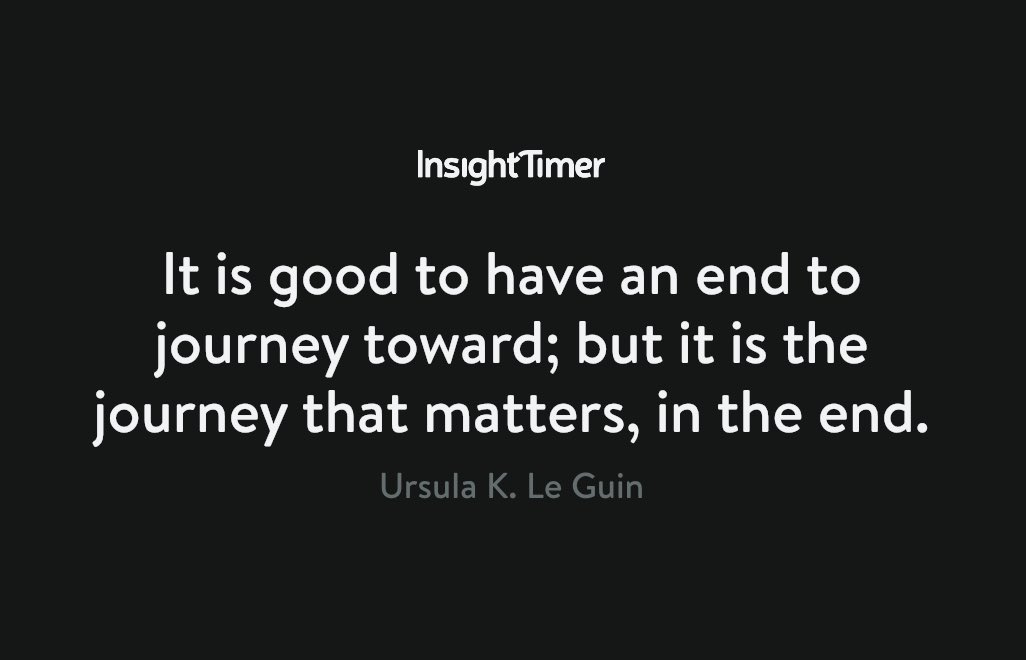
LESSON: Adversity is an opportunity
The message is simple.
Every adversity is an opportunity.
• To grow
• To learn
• To evolve
• To get stronger
• To become better
These moments forge us if we let them.
The next time you're facing something hard, welcome it.
Work through the process.
Learn the lessons.
Reap the full benefit.
***
Follow @TMitrosilis for more content like this.
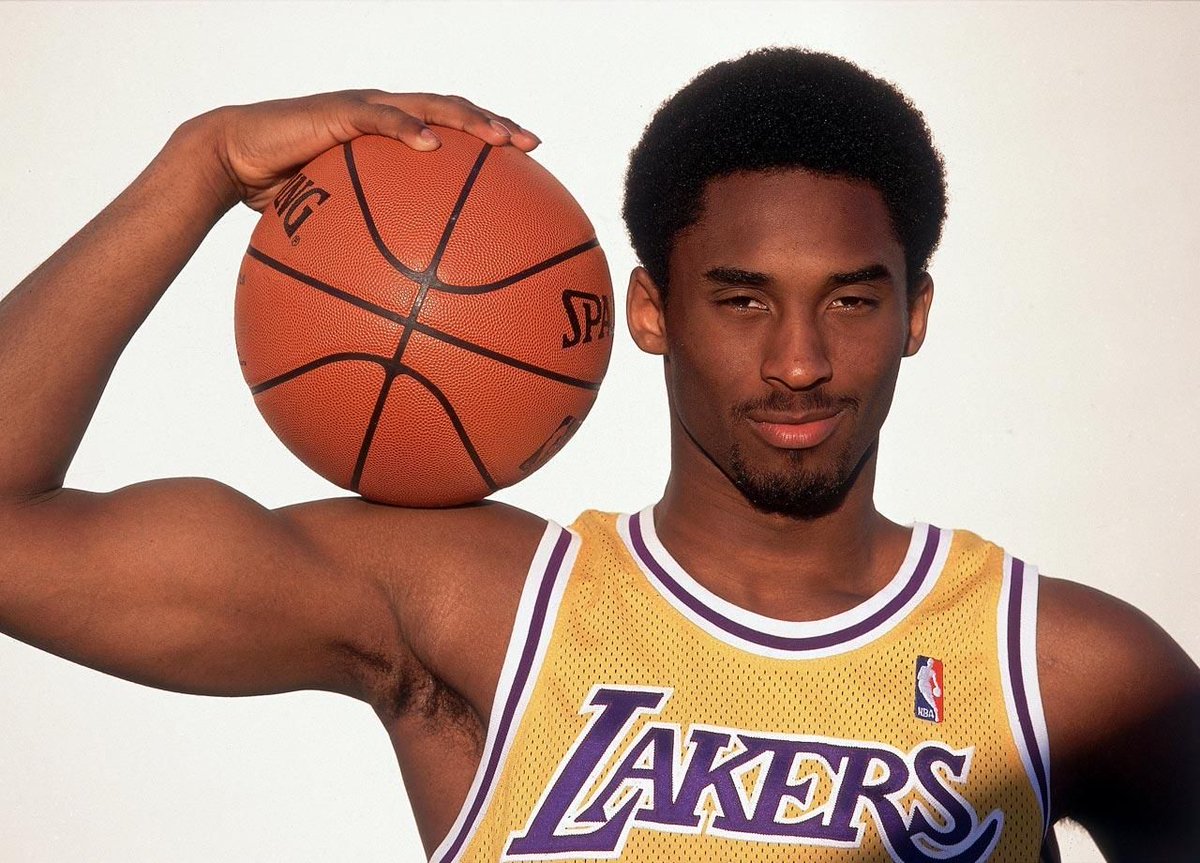
Kobe Bryant is one of the greatest athletes of all time.
In 2016, we got to see why.
Bryant gave a speech at an awards show.
He used the moment to address all athletes.
“We’re not on this stage just because of talent or ability,” Bryant said.
“We’re up here because of 4 am.
“We’re up here because of two-a-days or five-a-days.
“We’re up here because we had a dream and let nothing stand in our way.”
It was the Mamba Mentality on full display.
***
LESSON: You can’t cheat the work
Bryant was an obsessive athlete.
• He’d workout at 4am
• He’d train 3x as much (or more) as others
• He had a ruthlessly competitive mindset
He’s the perfect example of what happens when elite talent and work ethic come together.
The lesson here isn’t to be Kobe Bryant.
• You don’t need to wake up at 3am (sleep is good)
• You don’t need to constantly train (over-training is real)
• You don’t need to be ruthlessly competitive (there’s a dark side)
But whatever your craft, you can’t cheat the work.
There’s a process to becoming great (at anything).
It requires time, intention and discipline.
It demands an unreasonable commitment.
It’s not for the lukewarm or the faint-hearted.
There’s no shortcut to the highest mountains.
***
Follow @TMitrosilis for more content like this.
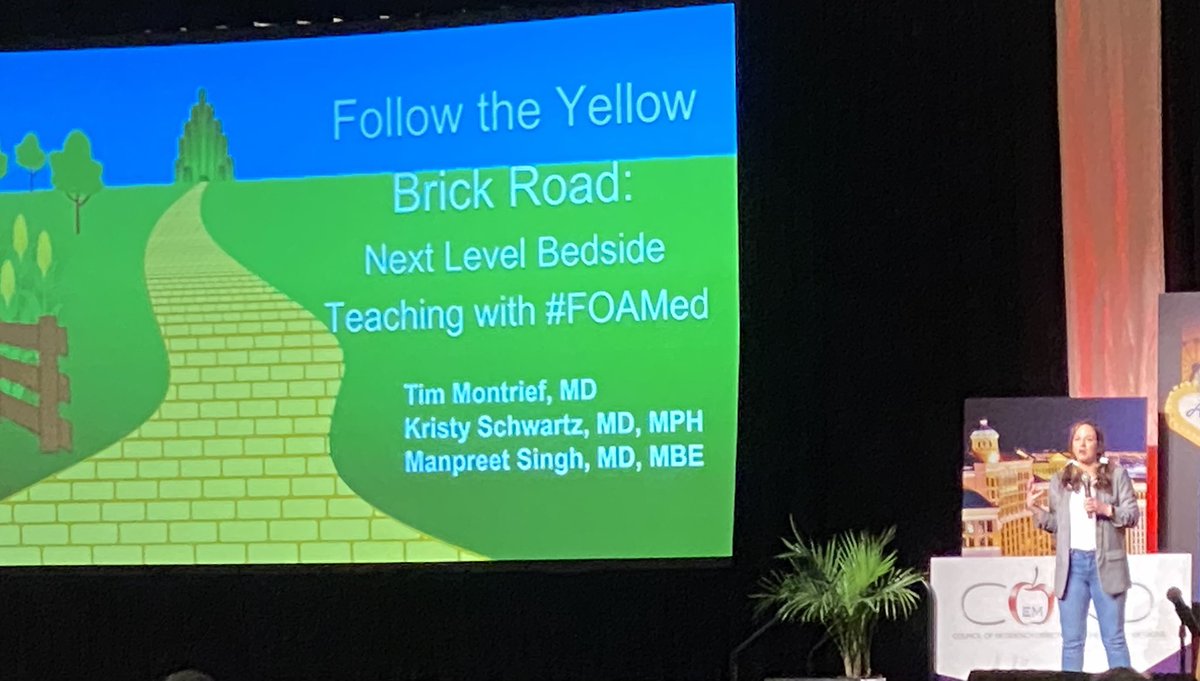
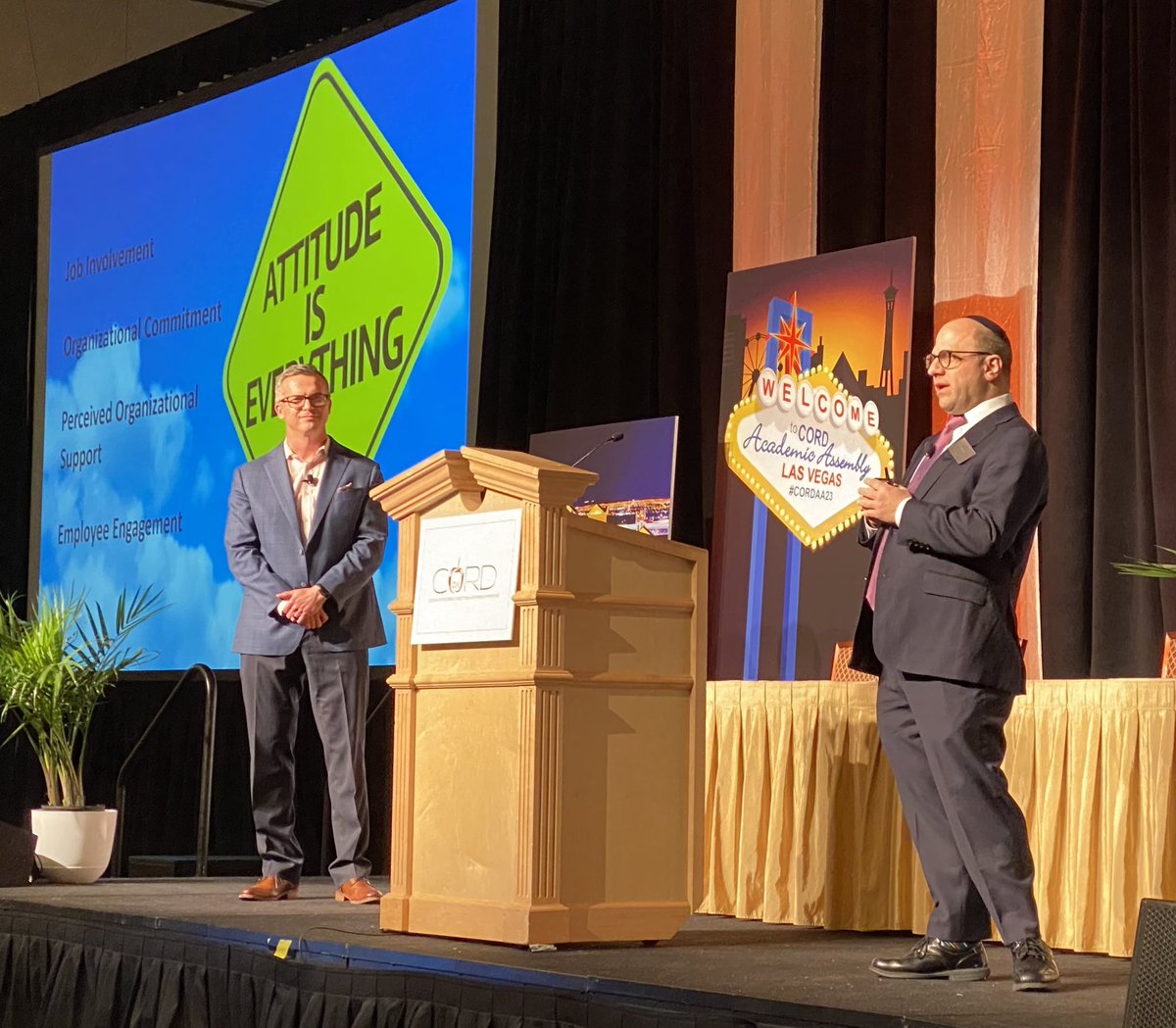
Modern Learners, Barriers to Bedside Teaching, and Next level bedside learning w FOAMEd: great tips!@SchwartziPEM M.Singh T.Montrief 🙌🏽 #CORDAA23@CORD_EM
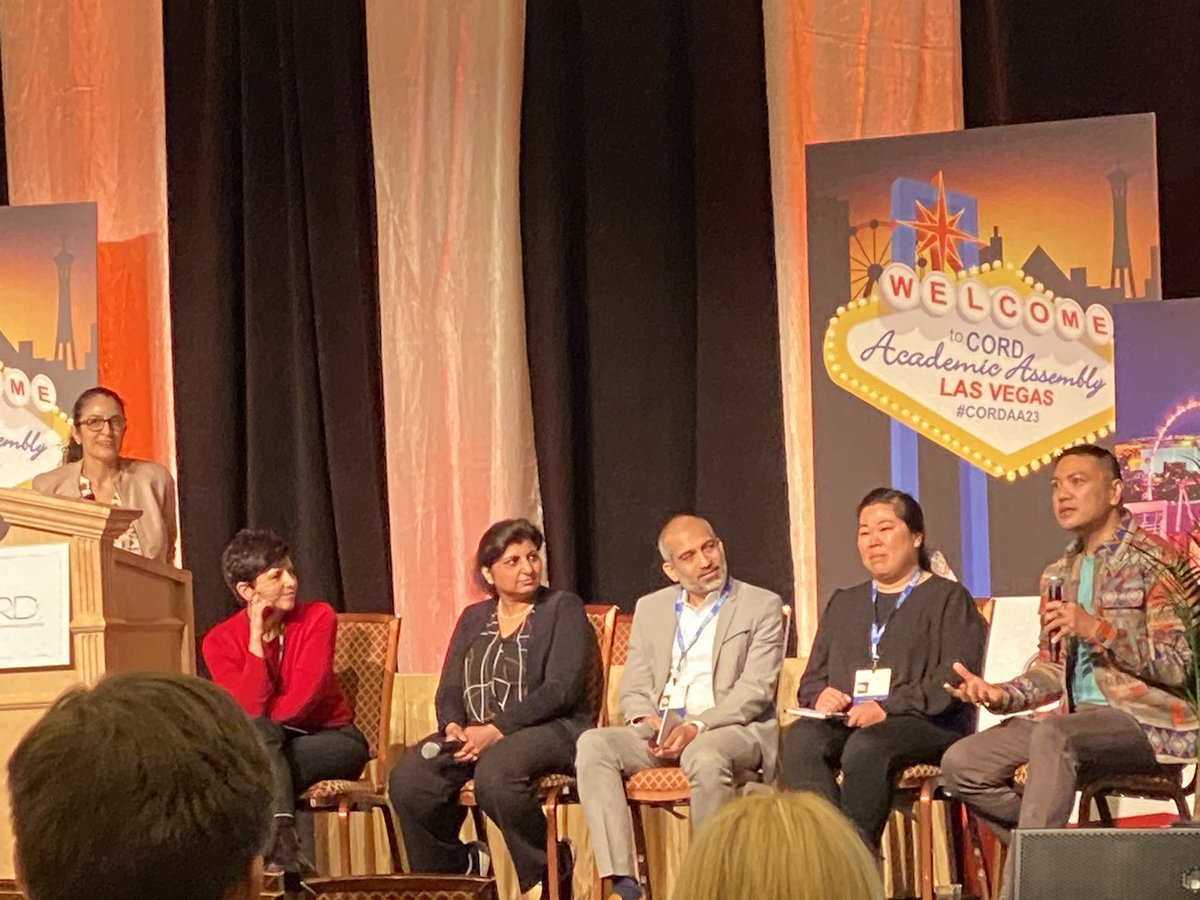
Appreciate the ideas, innovation, and honesty of this insightful panel on “Well-Being Leadership at Every Level” 🙏🏼 @akkalantari , Dyne, Akhtar, Husain, Li-Sauerwine @alvarezzzy#CORDAA23@CORD_EM
So proud to have our PGY2 Dr. Ayakta @nayakta3 represent our @UCSDEMResidency at #CORDAA23 for their Clinical Pathology Case (CPC) competition! Well done!! @CORD_EM 🤔👏🏼
If a nurse comes to you concerned about a patient, be concerned about that patient and go see them right then. Nurses spend more time at the bedside than we do, and they know when a patient has a clinical change. Listen to them.
Create useful, workable templates in your EMR and keep up with notes as much as possible on shift. When a significant lab results, comment on it. When you make a treatment decision, put it in the MDM. Do the little things to help you leave work on time.
Be willing to learn from EVERYONE. The respiratory therapist, the nurse, the attending, the co-resident, the EMTs, etc. Everyone has experiences and knowledge that you don't. Capitalize on that. Don't play the hierarchy game.
Thank your consultants. As basic as it seems, saying thank you goes a long way, and it doesn't happen near enough. Not only is it basic kindness to do so, it builds good relationships with your colleagues across different specialties and will help you when you're in a bind.
Don't shy away from critical patients. I promise you, as intimidating as it may be (and still is), having sick patients is how you learn to make quick decisions, which is a massive part of Emergency Medicine. As long as you have good support in case you need backup, go for it.
Round frequently on your patients. Not only does this help you keep a close eye on things, it builds rapport. When patients see their doctor frequently, it shows you're invested and facilitates trust, and trust is imperative. Be the doctor you'd want your family to have.
Handoffs: these can be extremely intimidating. As your co-resident is telling you about the patient, ask questions. Ask a LOT of questions. Close the loop at the end by summarizing the workup, pending labs/imaging, the plan, and any potential problems. Don't assume anything.